معرفی
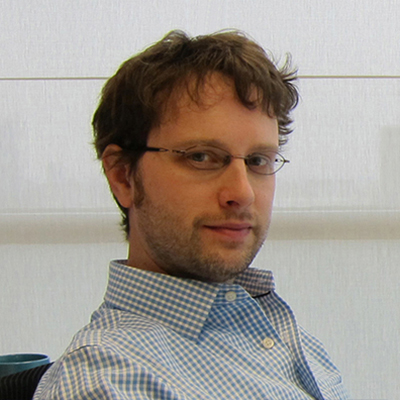
Benjamin Franklin Voight, PhD is a Professor of Systems Pharmacology and Translational Therapeutics at the University of Pennsylvania's Perelman School of Medicine. He also serves as Associate Director of the Bioinformatics Concentration in the ITMAT MSTR Program and Director of the Environmental Health Informatics Core (EHIC) at the Center of Excellence in Environmental Toxicology (CEET).
Education:
- BA in Mathematics, University of Washington (2001)
- BS in Biology, University of Washington (2001)
- PhD in Human Genetics, University of Chicago (2006)
- Post-Doctoral Fellow, Human Genetics, Massachusetts General Hospital & Broad Institute (2006–2011)
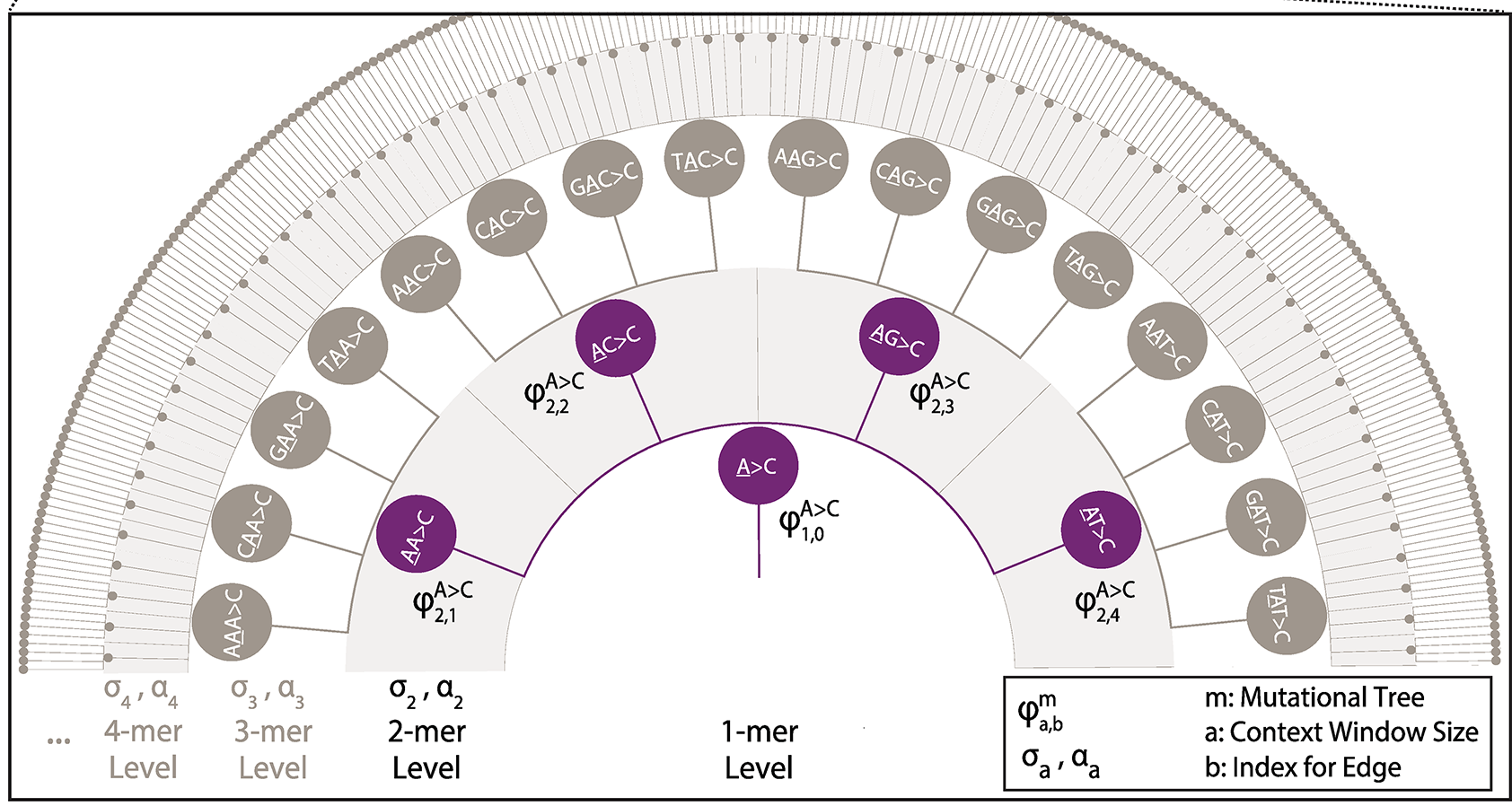
Research Interests: Voight's lab integrates statistical genetics, computational biology, and population genetics to explore the genetic and evolutionary underpinnings of human traits and complex diseases. Key areas include type 2 diabetes, coronary heart disease, obesity, and metabolic liver disease. The lab is particularly focused on developing and applying methods for GWAS, Mendelian randomization, mutation rate modeling, and causal inference.
Research Trends: His recent work spans multi-ancestry GWAS, Mendelian randomization studies across cardiometabolic traits, and integrative genomics using single-cell and epigenomic data. He has contributed to large consortia such as the Million Veteran Program (MVP), leading efforts in polygenic risk scores, causal biomarker discovery, and translational bioinformatics.
Scientific Contributions: Voight has co-led landmark studies including the 2012 Lancet paper on HDL cholesterol and myocardial infarction risk, and the 2010 Nature Genetics study identifying T2D susceptibility loci. His work has been pivotal in debunking causal roles of biomarkers and mapping non-coding regulatory variants.
Lab & Mentorship: The Voight Lab is actively recruiting postdoctoral fellows and graduate students with computational backgrounds. The lab emphasizes open-source tool development and multi-disciplinary collaboration to advance human genomics and precision medicine.