Prof. Heinz Koeppl is a Professor in the Department of Electrical Engineering and Information Technology at TU Darmstadt. His research focuses on self-organizing systems, systems biology, and control theory, with applications in synthetic biology, robotics, and stochastic processes. He explores interdisciplinary topics such as genetic circuit design, UAV swarm dynamics, and machine learning-driven modeling of biochemical systems. Key research areas include the development of deep learning frameworks for kinetic modeling, Bayesian optimization for riboswitch design, and mean field control theory for sparse networks. His work bridges theoretical foundations with practical engineering solutions, addressing challenges in molecular communication, gene regulation, and robotic swarm coordination. Publications from 2023–2025 highlight advancements in bio-inspired algorithms, swarm intelligence, and computational biology. Notable contributions include studies on RNA-based circuits, active matter dynamics, and optimization strategies for large-scale systems. His research emphasizes interdisciplinary collaboration, leveraging tools from electrical engineering, mathematics, and life sciences. No scientific awards are explicitly listed in the provided text. Advising and grants details are not available. Prof. Koeppl’s lab focuses on integrating systems biology approaches with engineering principles to solve complex problems in healthcare, environmental sustainability, and technological innovation.
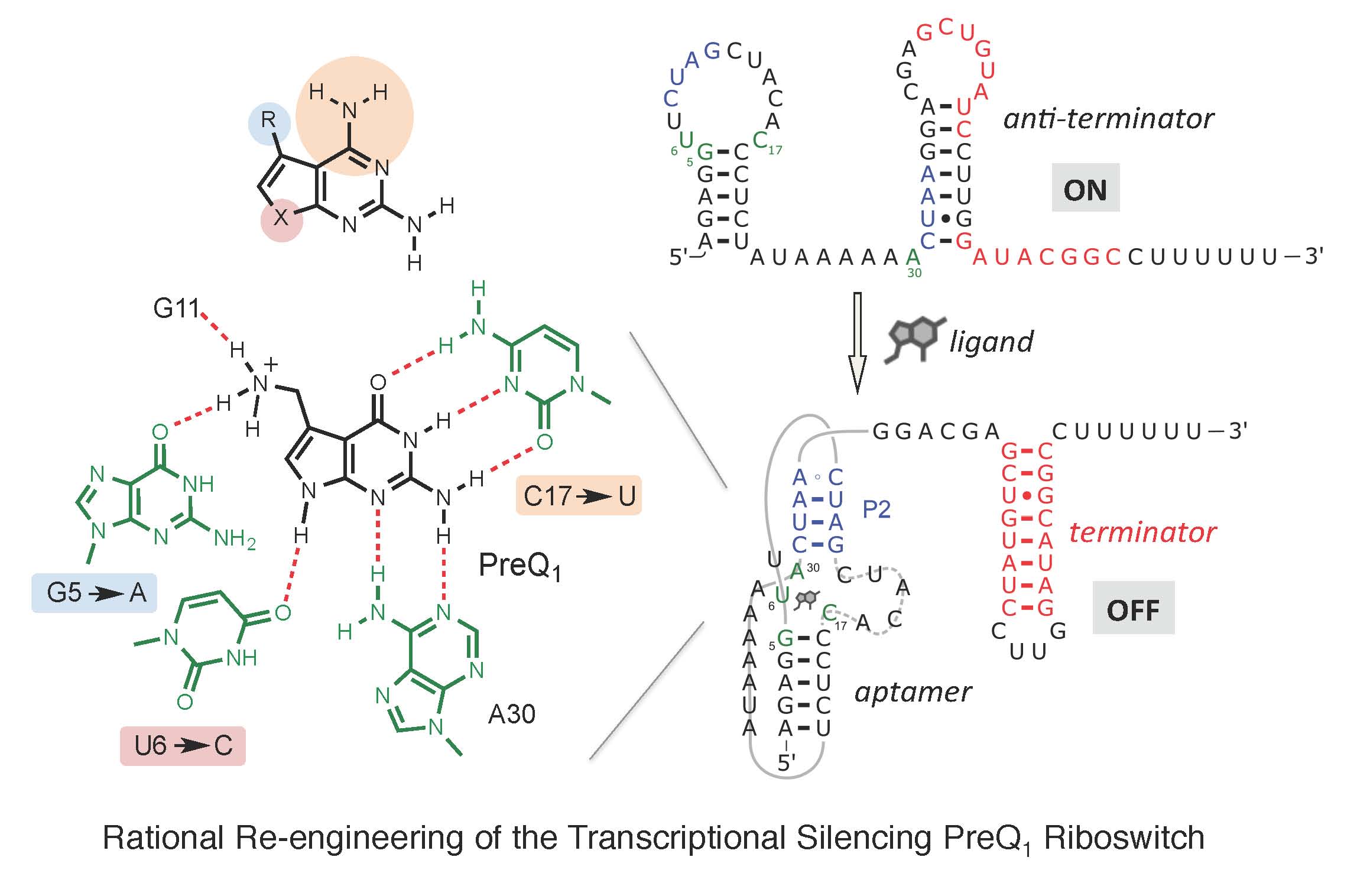
Jason Micklefield is a Professor of Chemical Biology at the University of Manchester's School of Chemistry and Manchester Institute of Biotechnology. His research focuses on sustainable bio-inspired molecular synthesis, integrating organic chemistry, enzymology, and molecular microbiology. He holds an honorary Visiting Professorship at East China University of Science and Technology. Micklefield earned his PhD in Chemistry from the University of Cambridge in 1993 and completed postdoctoral work at the University of Washington before joining Manchester in 1998. His lab specializes in biosynthesis pathway engineering, biocatalysis, and nucleic acid chemistry. Education: PhD in Chemistry (1993), University of Cambridge NATO Postdoctoral Fellowship, University of Washington, USA (1993–1995) Lecturer in Organic Chemistry, Birkbeck College, University of London (1995–1998) Research Themes: Biosynthesis of novel antibiotics to combat AMR, including pathway engineering for agrochemicals and drug discovery. Biocatalysis and integrated catalysis for sustainable synthesis of pharmaceuticals, focusing on amide ligases and halogenases. Nucleic acid therapeutics and riboswitch engineering for synthetic genetic control. Key Achievements: Discovered CfaL ligases enabling amide synthesis without protecting groups. Engineered vitamin K-dependent carboxylases for novel antibiotic pathways. Developed orthogonal riboswitches for synthetic biology applications. Awards: RSC Bader Award (2019) NPR Lecture Award Lab & Collaborations: The interdisciplinary Micklefield Lab includes chemists, biochemists, and bioinformaticians. Projects include MESNA (modified nucleic acid synthesis) and collaborations on sustainable chemical manufacturing.
Joseph Cotruvo is a Professor of Chemistry at the Department of Chemistry, Pennsylvania State University. His research focuses on understanding metal selectivity in biological systems, particularly lanthanides and transition metals, with applications in biotechnology, environmental science, and disease mechanisms. He leads the Cotruvo Lab, which develops biochemical and chemical biology tools to study metal ion acquisition, trafficking, and utilization in bacteria and human pathogens. Education: Ph.D., Chemistry, Massachusetts Institute of Technology (2012); A.B., Chemistry, Princeton University (2006). Research interests include lanthanide-dependent enzymology, protein engineering for rare earth element separations, and transition metal roles in neurodegenerative diseases. The lab designs fluorescent sensors, genetically encodable tools, and protein-based systems for metal detection and recovery. Recent work emphasizes actinide/lanthanide speciation, biohydrometallurgy, and biomolecular mechanisms of metal ion transport. Notable achievements include the discovery of lanmodulin—a highly selective lanthanide-binding protein—and its application in rare earth element recovery. His lab pioneered protein-based approaches for high-purity rare earth separations and developed manganese(II) fluorescent sensors. Research also explores iron-responsive riboswitches and copper-regulated lipid metabolism. Awards: Faculty Scholar Medal (2025), Blavatnik Finalist (2024), Eli Lilly Award (2024), Sloan Fellowship (2021), DOE Early Career Award (2020). Grants: NSF CAREER Award, Charles E. Kaufman Foundation, Jane Coffin Childs Memorial Fund. Labs/Teams: Cotruvo Lab (Penn State); collaborations with National Synchrotron Light Source, Lawrence Livermore National Laboratory. Future work targets scalable rare earth recovery systems, actinide-biomolecule interactions, and transition metal roles in infectious diseases.
Prof. Tobin Sosnick is a Professor and Chair of the Department of Biochemistry and Molecular Biology at the University of Chicago, affiliated with the Pritzker School of Molecular Engineering and the Institute for Biophysical Dynamics. He holds a PhD in Applied Physics from Harvard University (1989) and a B.A. in Physics from UC San Diego. His research focuses on protein folding mechanisms, biophysical dynamics, and membrane protein behavior, employing advanced techniques like SAXS, HDX-MS, and molecular simulations. He leads the Graduate Program in Biophysical Sciences and has pioneered studies on disordered proteins and allosteric regulation. Notable contributions include elucidating the '70% Rule' for folding transition states and developing optogenetic tools for actin imaging. Recognized as a 2024 AAAS Fellow and contributor to the 2023 Lasker Award-winning AlphaFold project, his work bridges physics, chemistry, and biology. Affiliations: Chair, Department of Biochemistry and Molecular Biology; Senior Fellow, Computation Institute; Founding Member, Institute for Biophysical Dynamics. Collaborations span structural biology, computational biophysics, and cellular engineering. Research Highlights: Protein Folding Dynamics: Transition state topology, cooperativity, and downhill folding. Disordered Proteins: Conformational ensembles, solvent effects, and phase separation. Molecular Tools: Optogenetic systems (e.g., LILAC) and HDX-MS for membrane protein analysis. Grants & Awards: 2024 AAAS Fellow, 2023 Lasker Award contributor, multiple NIH grants for protein dynamics research. His lab has produced over 200 peer-reviewed publications. Labs & Teams: The Sosnick Group integrates experimental and computational approaches, with ongoing projects on riboswitches, stress granule formation, and prestin electromotility mechanisms in hearing.
Trygve Brautaset is a Professor at the Department of Biotechnology and Food Science within the Norwegian University of Science and Technology (NTNU) . His research primarily focuses on synthetic biology and microbial molecular biology, with significant contributions to methylotrophic bacteria engineering and methanol-based bioproduction systems. Project Leader for Centre for Digital Life Norway Board Member, Vectron Biosolutions Member, Norwegian Biotechnology Advisory Board Research Interests: Specializing in synthetic biology and metabolic engineering , Brautaset has extensive publications on Bacillus methanolicus systems, including methanol-based production of amino acids, vitamins, and organic acids. His work explores microbial physiology, genetic tool development, and biorefinery applications. Publication Trends: Recent studies (2025-2021) show consistent focus on methanol utilization , thermophilic biocatalysis , and metabolic flux optimization . Key outputs include systems-level analyses of amino acid production, formaldehyde metabolism, and seaweed-based feedstock conversion.
Hassan Hakimi is an Assistant Professor of Veterinary Parasitology in the Department of Diagnostic Medicine/Pathobiology at Kansas State University's College of Veterinary Medicine. His academic journey includes a DVM from University of Tehran, Iran, an MSc from Obihiro University of Agriculture and Veterinary Medicine in Japan, and a PhD from Gifu University United Graduate School of Veterinary Sciences, Japan, followed by post-doctoral trainings at Nagasaki University and Texas A&M University. He is also a Diplomate of the American College of Veterinary Microbiologists-Parasitology. Dr. Hakimi's research focuses on the functional genomics of important protozoan parasites, particularly Babesia and Theileria (tick-borne pathogens), with special emphasis on the molecular mechanisms that underpin parasite survival within host erythrocytes. He has pioneered the development of genetic tools for Babesia parasites, including establishing a CRISPR/Cas9 system and adapting glmS riboswitch system for conditional gene knockdown. A second major research line focuses on Guinea worm (Dracunculus medinensis), aiming to understand immune responses to develop diagnostic tools for this neglected tropical disease. His publication record shows consistent high-impact research output, with recent papers exploring ves1α genes in cytoadhesion, spherical body proteins in red blood cell modification, and genetic tools for parasite manipulation. The research spans molecular mechanisms, diagnostic development, and comparative genomics across various parasite species. Diplomate of American College of Veterinary Microbiologists-Parasitology Dr. Hakimi serves as co-instructor for the Clinical Veterinary Parasitology course (DMP834) for second-year veterinary students. His work bridges basic molecular parasitology with practical veterinary applications, contributing significantly to our understanding of parasite biology and developing tools for disease control. His research has implications for both veterinary and human medicine, particularly in understanding host-pathogen interactions and developing interventions for parasitic diseases.
Kwaku Dayie is a Professor in the Department of Chemistry and Biochemistry at the University of Maryland. His research focuses on RNA structural biology, NMR spectroscopy, and biophysical methods to study RNA dynamics and function. He leads a lab developing advanced NMR techniques for large RNA molecules and has contributed to understanding RNA's role in catalysis, gene regulation, and viral processes. Education: B.A., Physics with Honors, 1990, Hamilton College Ph.D., Biophysics, 1996, Harvard University Postdoctoral, MIT (1998), Scripps Research Institute (2000) Research Interests: The structural basis of RNA signaling in pathogenic bacteria, RNA viruses (HIV, HBV), and long noncoding RNAs. His lab develops isotopic labeling methods and NMR tools to study RNA dynamics and function, aiming to guide RNA-based drug design. Awards: Henry C. Welcome Fellowship (2008) National Technical Association Nsoroma Technology Award (2007) Jane Coffin Childs Memorial Fund Postdoctoral Fellowship (1998) Grants & Service: NIH review panelist (2012-2018), NSF reviewer (2005-2006), and judge for Intel ISEF (2003). Serves on editorial boards for Molecules and NPG Scientific Reports (2018). Labs & Teams: Directs an interdisciplinary lab focused on RNA structural biology, collaborating on NMR method development and RNA-drug interaction studies.
José N. Onuchic is the Harry C. and Olga K. Wiess Chair of Physics and Professor of Chemistry and BioSciences at Rice University. His research focuses on integrating theoretical and computational approaches to understand biological systems, including protein folding, cancer metabolism, and chromatin architecture. He leads the Center for Theoretical Biological Physics and has pioneered concepts like protein folding funnels and energy landscape theory. His work spans scales from molecular interactions to cellular systems, with applications in cancer biology, viral mechanisms, and epigenetics. Education: B.S. in Electrical Engineering and Physics (1980, 1981), Universidade de São Paulo M.S. in Applied Physics (1982), Universidade de São Paulo Ph.D. in Chemistry (1987), California Institute of Technology Research Interests: Protein folding dynamics and energy landscapes Chromatin structure and transcription regulation Cancer cell metabolism and metastasis Quantum effects in biological systems Machine learning in biomolecular modeling Key Contributions: Developed the folding funnel theory to explain protein stability Investigated magnesium ion effects on RNA conformational switches Advanced computational models of interphase chromosome organization Explored SARS-CoV-2 spike protein mechanics for antiviral strategies Labs & Affiliations: Directs the Center for Theoretical Biological Physics at Rice University, fostering interdisciplinary research in theoretical biological physics.
Daniel Bond is a Professor in the Department of Plant and Microbial Biology at the University of Minnesota, College of Biological Sciences . His research focuses on microbial electron transfer mechanisms, particularly in Geobacter species, and their applications in bioenergy, bioremediation, and bioelectronic devices. He leads a multidisciplinary lab that explores the molecular basis of extracellular respiration and develops advanced electrochemical tools for microbial studies. Education: Implied Ph.D. in Microbiology (via postdoc at University of Massachusetts). Collaborations: Fengbin Wang, Allon Hochbaum, Ed Egelman, Hammond Lab. His work bridges microbiology and electrochemistry, revealing how bacteria like Geobacter use conductive pathways to survive in metal-rich environments. Current projects include studying voltage-dependent electron transfer, surface sensing mechanisms, and the role of cyclic dinucleotides in microbial signaling. Recent publications highlight discoveries in Geobacter nanowire diversity, potential-dependent electron transfer, and second messenger signaling. The lab emphasizes open-access publishing and welcomes graduate students through the PBM, MICaB, and BMBB programs. Scientific Awards: Journal of Bacteriology Editor's Pick (2022) ChemElectroChem Cover Feature (2022) Commentary in Journal of Bacteriology on Geobacter biofilm conductivity (2014) Bond's lab also develops custom electrochemical reactors to study microbial interactions under controlled conditions, emphasizing reproducibility and precision in experimental design.
Professor Alison Smith is a leading figure in Plant Biochemistry at the University of Cambridge , where she has served as Head of the Department of Plant Sciences (2017-2022) and continues as a Professor and Life Fellow of Corpus Christi College. She earned her BSc in Biochemistry from the University of Bristol, followed by an MPhil and PhD at Cambridge. Research Interests : Her work focuses on the metabolism of plants and algae, particularly vitamin and cofactor biosynthesis , synthetic biology applications, and algal-bacterial symbiosis. Her group explores metabolic engineering of high-value products and biofuels, integrating genomics, molecular biology, and mathematical modeling. Scientific Awards : Fellow of the Marine Biological Society of the UK (2017) Fellow of Royal Society of Biology (2012) Erskine Fellowship (2009) Rebeiz Foundation Best Paper Award (2008) Leverhulme Study Abroad Fellowship (2001) Collaborations & Impact : Alison founded the Algal Biotechnology Consortium (2007) and established the Algal Innovation Centre (2016) for scaling algal biotechnology. She has served on numerous BBSRC committees, editorial boards, and university governance groups, including the VC Financial Strategy Advisory Group and Energy@Cambridge IRC.
Ming Hammond serves as Professor of Chemistry in the Department of Biological Chemistry at the University of Utah School of Medicine, where she leads innovative research in RNA-based molecular imaging and cyclic dinucleotide signaling pathways. Her work bridges chemical biology and microbiology to develop programmable biosensors and decode bacterial immune communication mechanisms. Education: B.S. from California Institute of Technology Ph.D. from University of California, Berkeley Dr. Hammond's research centers on engineering nucleic acids as tools for live-cell imaging and gene control , with dual emphases on (1) RNA-fluorophore biosensors for visualizing enzyme activity in bacteria under diverse conditions, and (2) cyclic dinucleotide signaling in bacterial/mammalian systems. Her lab pioneered riboswitch-based biosensors with sub-nanomolar sensitivity and demonstrated zinc-mediated regulation of biofilm formation in E. coli . Recent work explores bacterial cGAMP signaling via Hypr GGDEF enzymes and mammalian immune responses involving cGAS-cGAMP-STING pathways. Analysis of her 15 most recent publications reveals a decisive shift toward advanced biosensor engineering (bioluminescent, ratiometric) and mechanistic dissection of cyclic dinucleotide networks across bacterial species. Key trends include expanding applications to spaceflight environments, atomic-level tuning of immune responses, and cross-species comparisons of second-messenger systems. Awards: Signaling Breakthrough of the Year (Science Signaling, 2015) Dr. Hammond mentors graduate students in the Biological Chemistry PhD program and directs an active research laboratory. Her work is supported by NIH and NSF grants focused on nucleic acid engineering and host-pathogen signaling, though specific awards are not detailed in the source text. Collaborative projects include structural studies with UC Berkeley's Russell Vance on cGAMP immune signaling. The Hammond Lab operates at the chemistry-biology interface, utilizing fluorescence microscopy, flow cytometry, and synthetic biology to investigate signaling dynamics in single cells. Current efforts emphasize translating biosensor technologies to study bacterial communication in complex environments and immune evasion mechanisms.
Noelia Lander is an Assistant Professor at the University of Cincinnati's Department of Biological Sciences. Her research focuses on signal transduction pathways in Trypanosoma cruzi , the parasite responsible for Chagas disease. She pioneered CRISPR/Cas9 genome editing methods in this organism, enabling studies of calcium and cAMP signaling pathways critical for parasite survival and pathogenesis. Education: B.S. (Biology, Universidad Simón Bolívar, 2002), M.S. (Biological Sciences, Universidad Simón Bolívar, 2008), Ph.D. (Cellular Biology, University of Georgia, 2013). Postdoctoral training included roles at the University of Georgia and State University of Campinas. Current lab website: landerlab.uc.edu . Research interests include environmental sensing mechanisms, parasite differentiation, and drug target validation. Key contributions include identifying roles for calcium and cAMP signaling in T. cruzi 's life cycle transitions and host interactions. Recent work explores compartmentalized cAMP signals and mitochondrial Ca²⁺ regulation. Notable grants include NIH/NIAID funding for CRISPR screening of essential genes (R21AI140421, K99/R00AI137322) and a 2020 UGA Postdoctoral Research Award. Her lab's CRISPR tools have advanced studies of kinetoplastid parasites. Key achievements: Developed first CRISPR-based knockdown method for T. cruzi , discovered critical roles for mitochondrial calcium uniporter components, and identified CARP3 protein's role in cAMP signaling pathways.
Oscar Kuipers is a Full Professor and Head of the Department of Molecular Genetics at the Groningen Biomolecular Sciences and Biotechnology Institute, University of Groningen, the Netherlands, a position he has held since 1999. He is an internationally recognized leader in antimicrobials, bacterial cell biology, synthetic biology, and bacterial gene regulation. Kuipers also serves as founder and CSO of Omnicin Therapeutics, a company he established in 2019 to develop novel antibiotics for clinical use. Dr. Kuipers earned his PhD in Biochemistry from Utrecht University with research on "Probing the mechanism of pancreatic phospholipase A2 by protein engineering." His early career included positions at NIZO Food Research (1990-1999), where he served as Head of Genetics from 1997-1999, and an EMBO Fellowship in Paris Orsay in 1988. Kuipers' research focuses on several interconnected areas that have significantly advanced our understanding of bacterial systems and antimicrobial development. He is a world-leading expert on lantibiotics (modified antimicrobial peptides produced by bacteria), having unraveled the biosynthesis route of nisin and discovered that nisin induces its own expression through bacterial cell-to-cell signaling. His pioneering work on phenotypic heterogeneity at the single-cell level revealed that differentiation in bacterial cultures is omnipresent and has important implications for bacterial behavior. More recently, Kuipers has developed a synthetic biology suite to mimic non-ribosomally produced peptide antibiotics (NRPS) with ribosomally produced and posttranslationally modified peptides (RiPPs), with applications for developing novel antimicrobials for pharmaceutical use. His publication record demonstrates consistent leadership in antimicrobial research, with particular emphasis on lantibiotics, peptide engineering, and bacterial population dynamics. The research trajectory shows an evolution from fundamental biochemical studies to applied pharmaceutical development, with recent work focusing on overcoming antibiotic resistance through innovative approaches like synthetic helper peptides and hybrid lanthipeptides. Dr. Kuipers has received numerous prestigious honors and awards throughout his career: Chairman of jury to appoint new members to Royal Netherlands Academy of Arts and Sciences (KNAW) (2021) Royal decoration of Knight in the Order of the Dutch Lion by King Willem Alexander (2019) Honorary Professor at Nankai University, China (2019) ISI Thomson Reuters Highly Cited Researcher (2016) Elected Executive Board Member, European Academy of Microbiology (EAM) (2015) Elected Member, European Academy of Microbiology (EAM) (2013) iGEM Team Groningen: European and World Champion 2012 Synthetic Biology (2012) Elected Member, Royal Netherlands Academy of Arts and Sciences (KNAW) (2011) Simon Stevin Meester Award (Science and Technology Award of STW, Dutch Science Council) €500,000 (2011) As supervisor and coordinator of the iGEM team Groningen from 2008-2015, Kuipers mentored numerous students in synthetic biology competitions. His research has been supported by significant funding, including the Simon Stevin Meester Award of €500,000. His work has resulted in an impressive publication record with an h-factor of 113 (Google Scholar) and over 50,000 citations. Kuipers leads research at the Groningen Biomolecular Sciences and Biotechnology Institute, where his group focuses on developing novel antimicrobials for pharmaceutical applications. His recent work has centered on using lantibiotics as templates for new antibiotic development, with his synthetic biology suite enabling the creation of ribosomally produced and posttranslationally modified peptides (RiPPs) as alternatives to non-ribosomally produced peptide antibiotics (NRPS). In 2019, he translated this research into practical applications by founding Omnicin Therapeutics to develop novel antibiotics for clinical use.
Ronald Breaker is a Sterling Professor of Molecular, Cellular, and Developmental Biology, and Professor of Molecular Biophysics and Biochemistry at Yale University. He serves as Chair of the Department of Molecular Biophysics and Biochemistry and is an Investigator at the Howard Hughes Medical Institute. His research focuses on nucleic acid functions, including riboswitch discovery, RNA engineering, and molecular switch technology. Breaker earned his PhD in Biology/Biochemistry from Purdue University (1992) and BS in Biology/Chemistry from the University of Wisconsin-Stevens Point (1987). Breaker’s research has identified over 30 riboswitch classes and pioneered the use of in vitro evolution for creating functional RNAs and deoxyribozymes. His work on riboswitches revealed their role in metabolite sensing and gene regulation, with applications in antibiotic development. He has co-founded two biotech companies, Archemix and BioRelix, and holds editorial roles at journals like RNA Biology and Cell Chemical Biology. His awards include the National Academy of Sciences’ Molecular Biology Award, the Merck Award (ASBMB), and election to the National Academy of Sciences (2014) and American Academy of Arts and Sciences (2021). Breaker’s lab employs bioinformatics, genetics, and biochemistry to explore RNA’s functional potential across diverse bacterial species.
Jessica C. Seeliger is an Associate Professor in the Department of Pharmacological Sciences at Stony Brook University's Renaissance School of Medicine, with secondary appointments in the Department of Molecular Genetics and Microbiology and as Affiliated Faculty in the Department of Chemistry. Her laboratory focuses on understanding the molecular mechanisms of bacterial membrane biogenesis, particularly in Mycobacterium tuberculosis (Mtb), the causative agent of tuberculosis. Dr. Seeliger received her A.B. in Chemistry from Harvard University in 2000, her MPhil in Chemistry from the University of Cambridge in 2001, and her Ph.D. in Chemistry from Stanford University in 2007. She completed postdoctoral training with Carolyn Bertozzi at the University of California, Berkeley before establishing her independent research program at Stony Brook University in Fall 2010. Her research program investigates lipid membranes in bacterial pathogens, with particular emphasis on mycobacteria. The Seeliger lab applies biochemical, microbiological, and biophysical approaches to address fundamental questions about mycomembrane assembly, lipid transport mechanisms, and how these pathways contribute to bacterial growth, division, and virulence. They also develop chemical tools to study processes in the bacterial cell envelope specifically and accurately. Current research directions include understanding mycomembrane assembly mechanisms, investigating how membrane properties affect antibiotic susceptibility, and developing strategies to subvert lipid biosynthesis for antimicrobial therapy. Dr. Seeliger's research has been recognized with prestigious awards including the Robbee Baker Kosak Leadership Prize from the Hertz Foundation and NIH funding for the Chemical Biology Training Program which she co-directs. Her work has been supported by Stony Brook University, SUNY, the Stony-Wold Herbert Fund, the American Lung Association, the Burroughs Wellcome Fund, NSF, NIGMS, and NIAID. Dr. Seeliger is an active mentor who has guided numerous graduate students, postdoctoral researchers, and undergraduate trainees. Her lab has a collaborative environment with members possessing diverse expertise ranging from synthetic chemistry to biophysics to microbiology. The lab maintains active collaborations within and outside Stony Brook University, including international partnerships. The Seeliger lab operates from the Centers for Molecular Medicine at Stony Brook, with office space in room 448 and laboratory space in room 435. They welcome new members interested in exploring the intersection of chemistry and biology in the context of bacterial pathogenesis.