معرفی
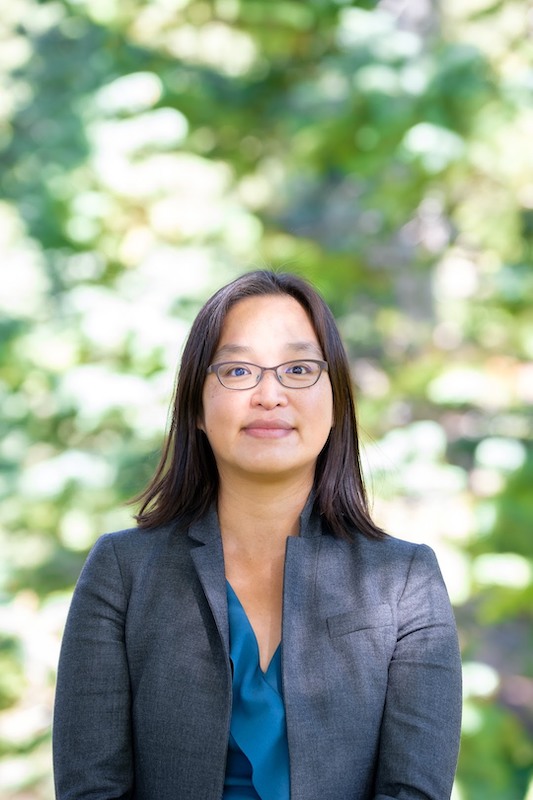
Ming Hammond serves as Professor of Chemistry in the Department of Biological Chemistry at the University of Utah School of Medicine, where she leads innovative research in RNA-based molecular imaging and cyclic dinucleotide signaling pathways. Her work bridges chemical biology and microbiology to develop programmable biosensors and decode bacterial immune communication mechanisms.
Education:
- B.S. from California Institute of Technology
- Ph.D. from University of California, Berkeley
Dr. Hammond's research centers on engineering nucleic acids as tools for live-cell imaging and gene control, with dual emphases on (1) RNA-fluorophore biosensors for visualizing enzyme activity in bacteria under diverse conditions, and (2) cyclic dinucleotide signaling in bacterial/mammalian systems. Her lab pioneered riboswitch-based biosensors with sub-nanomolar sensitivity and demonstrated zinc-mediated regulation of biofilm formation in E. coli. Recent work explores bacterial cGAMP signaling via Hypr GGDEF enzymes and mammalian immune responses involving cGAS-cGAMP-STING pathways.
Analysis of her 15 most recent publications reveals a decisive shift toward advanced biosensor engineering (bioluminescent, ratiometric) and mechanistic dissection of cyclic dinucleotide networks across bacterial species. Key trends include expanding applications to spaceflight environments, atomic-level tuning of immune responses, and cross-species comparisons of second-messenger systems.
Awards:
- Signaling Breakthrough of the Year (Science Signaling, 2015)
Dr. Hammond mentors graduate students in the Biological Chemistry PhD program and directs an active research laboratory. Her work is supported by NIH and NSF grants focused on nucleic acid engineering and host-pathogen signaling, though specific awards are not detailed in the source text. Collaborative projects include structural studies with UC Berkeley's Russell Vance on cGAMP immune signaling.
The Hammond Lab operates at the chemistry-biology interface, utilizing fluorescence microscopy, flow cytometry, and synthetic biology to investigate signaling dynamics in single cells. Current efforts emphasize translating biosensor technologies to study bacterial communication in complex environments and immune evasion mechanisms.