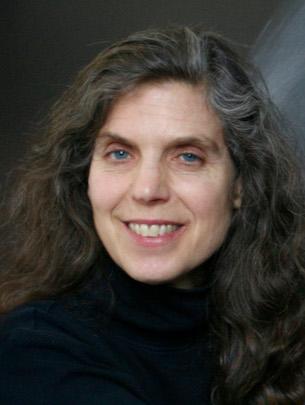
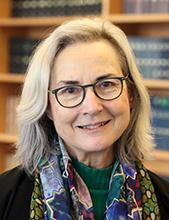
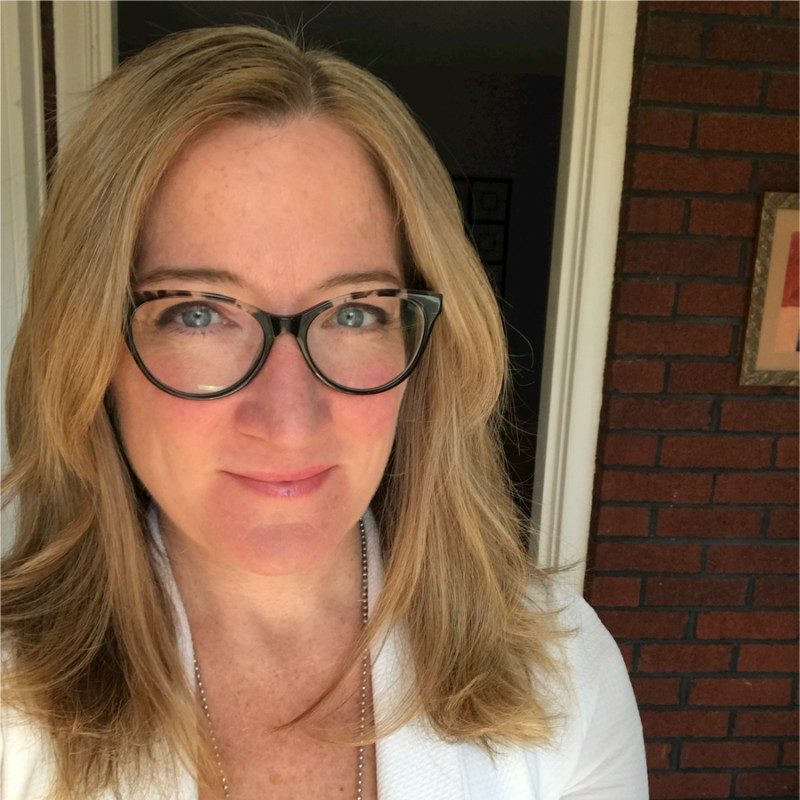
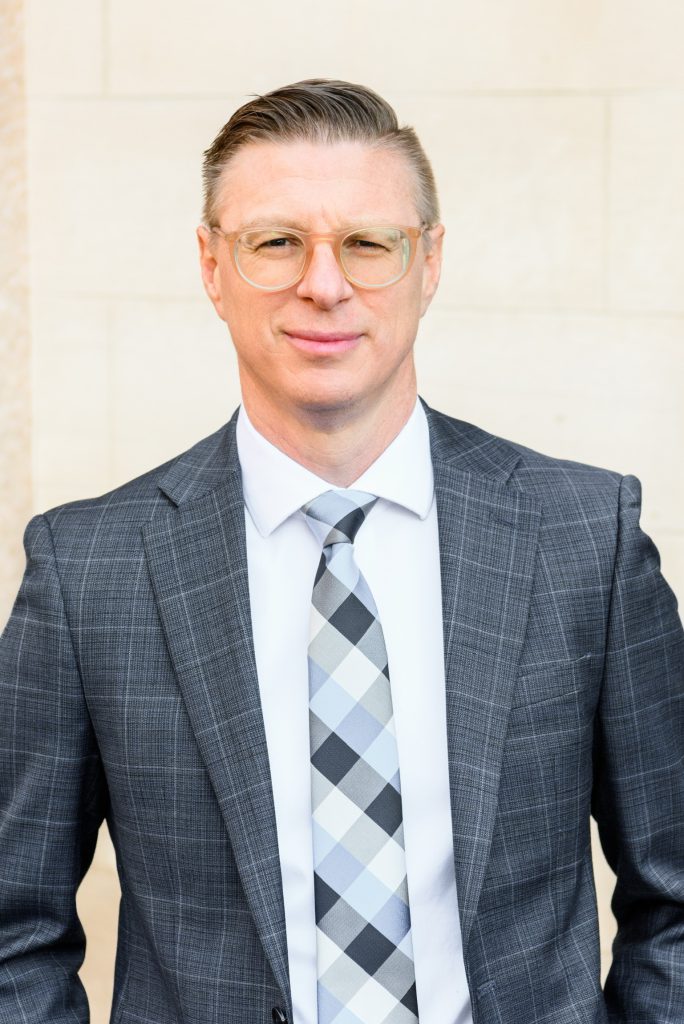
Prof. Ayse Caglar is a University Professor in Social and Cultural Anthropology at the University of Vienna's Faculty of Social Sciences. She leads the Europe-Asia Research Platform on Forced Migration and co-leads the Research Platform 'The Challenge of Urban Futures.' Her work focuses on migration, urban restructuring, displacement, and neoliberalization. She holds a PhD from McGill University and a Habilitation from Free University Berlin. Education: PhD in Anthropology, McGill University Habilitation in Sociology, Free University Berlin Research: Prof. Caglar explores migration's intersection with urban dynamics, displacement, and state policies. Key projects include studies on Ukrainian displacement in Vienna, transnational migration paradigms, and the role of cities in global migration governance. Grants & Projects: Marie Skłodowska-Curie Fellowship (2023–2027) Open Society Foundation Grants (2021–2024) ERC Grant for 'Staging National Abjection' (2020–2025) Labs/Teams: Her research team includes scholars like Volha Biziukova (postdoc), Andrea Tollardo (visiting PhD), and Gamze Tosun (Marie Curie fellow). Projects emphasize interdisciplinary collaboration with institutions like the Calcutta Research Group and the Zolberg Institute.
Valentine Berthet is a Postdoctoral Researcher at the Centre for European Studies within the Faculty of Social Sciences at the University of Helsinki. She also serves as Principal Investigator (2025–2029) at Tampere University. Her work focuses on gender equality in parliamentary institutions, EU policies on gendered violence, and the intersection of feminist research methodologies with political contexts. Berthet’s research explores challenges such as anti-gender hostilities, normative whiteness in EU institutions, and the dynamics of political group advocacy. Education and Professional Background: Holding a Doctorate (Dr.) and a Master of Laws (LL.M.), Berthet’s expertise spans political science and legal studies. She has conducted fieldwork in multiple European parliaments and collaborated with institutions like Fondation Jean Jaurès and Sciences Po during her academic visits. Research Projects: Key projects include CCINDLE: Co-Creating Inclusive Intersectional Democratic Spaces Across Europe (EU Horizon Europe) and Gender, party politics and democracy in (ERC Consolidator Grant). These focus on advancing intersectional equality and analyzing gender policies within EU frameworks. Professional Activities: Berthet has organized conferences, delivered guest lectures, and conducted peer reviews. Notable activities include a 2023 academic visit to Sciences Po and presentations on gender equality in European political groups. Her work frequently bridges academic research with policy advocacy, particularly through contributions to the MeTooEP campaign and Istanbul Convention debates. Future Work: Current initiatives emphasize EU values in gendered violence legislation and the role of national delegations in shaping European Parliament politics. Berthet plans to expand studies on racism and normative whiteness in EU institutions, alongside methodological innovations in qualitative parliamentary research.
Stephen R. Latham, JD, PhD, is Director of Yale's Interdisciplinary Center for Bioethics and Senior Research Scientist at Yale University's Institution for Social and Policy Studies. He holds courtesy appointments in Religious Studies, Environmental Studies, History of Science and Medicine, and is a Senior Lecturer at Yale Law School, School of the Environment, and Program in Ethics, Politics & Economics. As Director of the Center, he oversees a broad bioethics program that includes biomedical ethics, environmental ethics, animal ethics, and ethics of new technologies. His educational background includes a Ph.D. in Jurisprudence and Social Policy from UC Berkeley (1996), a J.D. from Harvard Law School (1985), and an A.B. in Social Studies from Harvard College (1982). Latham has taught numerous courses at Yale including Bioethics and Law, International and Comparative Bioethics, and Philosophical Environmental Ethics. Latham's research spans multiple domains of bioethics with particular emphasis on the legal regulation of novel medical technologies, human and animal research, philosophical argumentation in bioethics, and environmental ethics. His work frequently intersects law, medicine, and ethics, examining topics from brain resuscitation research to pandemic resource allocation. He has published over 150 articles in prestigious journals including Nature , JAMA , New England Journal of Medicine , and numerous bioethics publications. His recent publications reveal a strong focus on contemporary bioethical challenges including pandemic ethics, AI applications in research ethics, postmortem research, resource allocation during crises, and reproductive ethics. These works demonstrate his ability to bridge theoretical bioethics with practical healthcare challenges, often combining legal analysis with ethical reasoning. Fellow of the Hastings Center (2021) Presidential Citation Award, American Society for Bioethics and Humanities (2022, 2021, 2011) Distinguished Service Award, American Society for Bioethics and Humanities (2010) Healthcare Compliance Certification Board award (2005) Commencement Hooding Professor by Quinnipiac Law Students (2003) Latham has advised numerous graduate students and served on multiple university committees including as Chair of Yale's Human Subjects Committee (social/behavioral IRB) and Co-Chair of the Embryonic Stem Cell Research Oversight Committee. He has secured significant research funding from NIH, AHRQ, and other agencies for projects ranging from acute kidney injury care to brain cell atlas development. His work with the Center includes hosting a renowned summer bioethics program that attracts students from around the world and organizing lecture series that bring prominent bioethicists to Yale. The Yale Interdisciplinary Center for Bioethics, which Latham directs, maintains a research alliance with the Hastings Center and serves as a hub for bioethics scholarship across Yale's campus. The Center's work encompasses health policy, environmental ethics, animal ethics, and the ethical implications of emerging technologies, reflecting Latham's broad scholarly interests and institutional vision.
Dr. Tomeu Sales Gelabert is a Senior Lecturer in the Department of Philosophy and Social Work at the University of the Balearic Islands. His research focuses on political philosophy, feminist theory, globalization, and citizenship studies. He holds a PhD in Philosophy (2009) and a Master's in Cognition and Human Evolution (2007), both from the University of the Balearic Islands, as well as a Degree in Political Science and Administration (UNED, 2020). He has conducted research at Ludwig Maximilian University of Munich (2007) under Prof. Ulrich Beck, supported by an FPI Research Grant (2005–2009). His work explores themes like intersectionality, feminist democracy, and the critique of patriarchal structures. He is a member of the Practical Philosophy Research Group (Praxis) and has participated in numerous international conferences and research projects. Key awards include the FPI Grant and his PhD awarded with 'Excellent Cum Laude'. His publications span journals like Astrolabio , Daimon , and Isegoría , addressing topics from vulnerability theory to capitalist critique. His research interests bridge theoretical philosophy with practical political issues, emphasizing gender equality, social justice, and democratic reform. He contributes to interdisciplinary dialogues on globalization's impact on identity and citizenship.
Rebecca Bennett is a Professor of Bioethics at the University of Manchester , affiliated with the School of Law . She currently serves as Associate Dean for Teaching and Learning (Distance Learning) in the Faculty of Humanities. Her academic career spans over three decades, specializing in bioethics and medical law, with a focus on reproductive ethics, genetic screening, and disability rights. Professor Bennett pioneered the LLM/MA/PGCert/PGDiploma in Healthcare Ethics and Law as one of the first fully online distance learning programs in the university. She also leads a CPD course in Medical Decision-Making: Ethics and Law , accredited by the Royal College of Physicians. Her teaching excellence was recognized with a 2022 award for Educational Leadership and Digital Delivery. Research Interests include the ethics of prenatal testing (e.g., NIPT for Down’s syndrome), newborn bloodspot screening, transgender healthcare ethics, and critiques of Procreative Beneficence. She advocates for ethical terminology reform to reduce stigma around disability and opposes eugenic interpretations of genetic screening. Her recent work includes a 2025 book The Welfare of Future Children: Reproductive Ethics and Disability Screening and articles challenging bioethical language ( Cambridge Quarterly ) and supporting gene editing ( American Journal of Bioethics ). She co-led a project on antenatal information for newborn screening (2013–2016) and advises media on ethical issues, including the BBC documentary A World Without Down’s Syndrome? She chairs a healthcare ethics discussion group on Facebook and contributes to free MOOCs on disability screening ethics. Her work aligns with UN Sustainable Development Goals addressing health equity and ethical governance.
Amy Dru Stanley is an Associate Professor of History, Law, and the College at the University of Chicago. She also serves as an Associate Faculty Member at the Law School and participates in the Faculty Board of Law, Letters, and Society. Holding a PhD from Yale University (1990), her research focuses on American legal history, political economy, slavery and emancipation, gender studies, and intellectual history. Her work bridges historical scholarship with contemporary discourse, appearing in academic journals like the American Historical Review and public outlets such as New York Times and Washington Post . Notable achievements include the Quantrell Award for teaching excellence and leading the 2018 Pulitzer Prize jury for history. She has authored influential books such as From Bondage to Contract (1998), which earned multiple prestigious awards. Stanley’s research explores intersections between law, capitalism, and human rights, particularly examining how historical concepts of freedom and unfreedom shaped modern institutions. Recent projects include a forthcoming book on antislavery ethics and a study of the economy with Jonathan Levy. Her awards reflect both scholarly impact and pedagogical excellence. Media contributions highlight her role as a public intellectual addressing historical interpretations of race, capitalism, and academic freedom in modern contexts.
Dr. S Palmer is a University Associate Professor at the University of Cambridge's Faculty of Law and a Fellow of Girton College. Her research focuses on human rights, constitutional law, feminist theory, and gender and climate change. She is affiliated with the Lauterpacht Centre for International Law, Centre for Public Law, and Centre for Law, Medicine and Life Sciences. She lectures on Human Rights Law, Medical Law, and Constitutional Law, supervising doctoral students in public law and human rights topics. She contributes to the European Human Rights Law Review and co-founded the International Journal of Constitutional Law (I*CON). Active in pro bono initiatives, she collaborates with the Cambridge Pro Bono Scheme and Somerstown Legal Advice Corner. Her research centers on Bills of Rights, UK constitutional developments, and intersections of law with gender and health. She has published extensively on topics like pandemic governance, abortion rights, and ECHR applications. Her work bridges theoretical and practical legal challenges, emphasizing ethical and societal implications of legal frameworks.
Imogen Goold is a Professor of Medical Law at the University of Oxford's St Anne's College. She holds a PhD from the University of Tasmania (2005) and a Master's in Bioethics from Monash University (2005). Her work focuses on reproductive medicine law, bioethics, property law in biomedical contexts, and medical decision-making for children. She previously worked at the Australian Law Reform Commission and the World Health Organization, addressing issues like genetic information privacy and global access to genetic healthcare. Her research explores moral arguments in IVF regulation, ownership of body parts, and legal frameworks for medical disputes. She leads projects such as 'Enhancing Responsibility' and 'NeuroLaw,' and chairs the Family and Medical Law Research Group. Her publications span over 30 journal articles, 3 books, and numerous book chapters. Recent work includes analyzing wrongful conception damages, cross-jurisdictional medical decision-making for children, and reforming secondary victim claims in tort law. She is also involved in public discourse on medical ethics through blogs and media commentary. Goold is affiliated with institutions like the Bonavero Institute of Human Rights and teaches modules on jurisprudence, tort law, and medical ethics. Her academic roles include coordinating access and outreach initiatives.
Dr Roberta Pala is a Postdoctoral Research Fellow at the Sydney Centre for Healthy Societies, University of Sydney. Her research focuses on Science and Technology Studies (STS), Feminist STS, and biopolitics. She holds a PhD in Social Policy from the University of New South Wales (2017-2021), supported by the Scientia PhD Scholarship. Her work examines intersections between biological interventions, technological artefacts, and social-political dynamics. Current research investigates human-microbial relations in maternal bodies and microbiome-based family care practices. She is affiliated with the Australasian Science and Technology Studies Network (AusSTS), the Australian Sociological Society (TASA), and the AAHPSSS. Publications highlight themes like vaccine politics, repair rights, and interdisciplinary research practices. Her media engagement includes a 2021 The Conversation piece critiquing Australia's right-to-repair proposals. Key Research Themes : Biopolitical analysis, feminist materialism, technoscience, maternal health Awards : Scientia PhD Scholarship (UNSW, 2017-2021) Professional Affiliations : AusSTS, TASA, AAHPSSS
Melinda Cooper is a Professor in the School of Sociology at the Australian National University (ANU), specializing in political and social theory with a focus on capitalism's historical intersections with gender, class, and race. She is a co-founder of the ANU Capitalism Studies Network and serves as an editorial advisor to Phenomenal World Books. Her scholarly works include seminal monographs such as Counterrevolution: Extravagance and Austerity in Public Finance (2024), Family Values: Between Neoliberalism and the New Social Conservatism (2017), and Life as Surplus: Biotechnology and Capitalism in the Neoliberal Era (2008). Academically, Cooper holds a PhD in Sociology from Université Paris 8 Vincennes Saint-Denis (2001), alongside earlier qualifications in French-to-English translation and advanced studies in psychoanalysis. Her research explores contemporary political economy, including topics like asset-based inequality, far-right movements, and the biopolitical dimensions of neoliberalism. Recent publications highlight themes of class division, ethnonationalism, and the resurgence of dynastic wealth. These works analyze regimes of austerity, familial capitalism, and the ideological underpinnings of anti-abortion movements. She has led a major research project (2018–2025) challenging neoliberal critiques of public debt and deficit-spending. Cooper's collaborative projects and editorial roles reflect her commitment to interdisciplinary scholarship. Her contributions bridge theoretical analysis with contemporary policy debates, offering critical insights into global economic structures and their socio-political ramifications.
Pantea Farvid is an Associate Professor of Applied Psychology at The New School, affiliated with the Schools of Public Engagement and the Bachelor's Program for Adults and Transfer Students (BPATS), where she chairs the Psychology department. She leads the SexTech Lab, exploring intersections of gender, technology, and intimacy, and co-directs The New School Gender and Sexuality Institute. Her expertise spans gender/sexuality studies, applied ethics, and digital intimacy dynamics. Education: PhD (Psychology), University of Auckland, 2011 MA Honours (Psychology), University of Auckland, 2005 BA Honours (Psychology), University of Auckland, 2003 BA (Psychology), University of Auckland, 2002 Research Interests: Focuses on gender inequality prevention, sexual violence reduction, technology’s role in intimacy (e.g., AI ethics, mobile dating), sex work politics, and methodological innovations in psychology. Her work bridges academia, policy, and community engagement. Key Contributions: Published widely in peer-reviewed journals and authored Psychology and Heterosexuality: Reckoning with Disciplinary Heteronormativity (forthcoming, Palgrave Macmillan). Co-edited Sexual Racism and Social Justice: Reckoning with White Supremacy and Desire (Oxford). Her TEDx talk on binary gender critiques and policy consultations highlight her interdisciplinary impact. Labs/Initiatives: Directs The SexTech Lab and co-leads the Gender and Sexuality Institute , fostering research on contemporary social justice issues.
Prof. Friederike zu Sayn-Wittgenstein-Hohenstein is a Professor of Nursing and Midwifery Science at Osnabrück University of Applied Sciences, affiliated with the Faculty of Economics and Social Sciences. She holds the first professorship for midwifery in Germany and pioneered the academicization of midwifery education. Her research focuses on family-oriented obstetric care, quality assurance in perinatal services, and advancing physiological birth practices. She has developed innovative concepts like the midwifery-led birth centers and national standards for physiological birth promotion. Education: She earned a Dr.P.H. from Harvard University (1999), with earlier degrees including an M.P.H. and M.Sc. in Nursing/Maternal Health. Her career spans academic leadership, policy advisory roles (e.g., Science Council member), and international health projects. She co-founded the German Society for Midwifery Science (DGHWi) and leads the cooperative research college FamiLe on family health. Research highlights include over 15 peer-reviewed articles on midwifery practice, refugee maternal care, and healthcare system analysis. She has supervised numerous PhD students in midwifery and health policy. Awards include the 2016 German Nursing Award for her transformative contributions to midwifery science and education.
Dr. Julie Doxsee is an Associate Professor of English and Program Lead for the General Education (GENED) program at Harrisburg University. She joined in 2019 after serving as Assistant Professor of English at Central Penn College (2016–2019) and at Koç University in Istanbul, Türkiye (2007–2016), where she contributed to the Academic Writing Program, Communications Program, and Comparative Literature Program. Her expertise spans multi-genre creative writing, technical writing, literature, and interdisciplinary education. Education: PhD in English and Creative Writing, University of Denver (2007) MFA in Writing, School of the Art Institute of Chicago (2002) BA in English, St. Olaf College (1994) Dr. Doxsee has developed graduate writing curricula and supported scholars from autocratic regions through the now-dissolved Civil Society Leadership Award program via Open Society Foundations. Her work includes projects on Mediterranean refugee routes, child soldier recruitment in the MENA region, and women’s reproductive health in Sudan. She is a CITI-certified IRB Member and served as Vice Chair of the Technology Across the Curriculum Committee (2022–2024). As a poet and nonfiction author, her work is praised for its innovative use of form and thematic depth, described as 'fun-house mirrors' and 'geometrical patterns.' She actively contributes to academic writing pedagogy, creative arts, and global educational initiatives.
Dr. Lauren MacIvor Thompson is an Assistant Professor of History and Interdisciplinary Studies at Kennesaw State University and faculty research fellow at the Georgia State University College of Law's Center for Law, Health, and Society. Her scholarly work bridges historical research with contemporary reproductive rights discourse, examining the complex intersections of medical authority, women's health, and public policy in American history. Education PhD, History, Georgia State University (2016) MA, Public History, Georgia State University (2006) BA, History, University of Virginia (2003) Thompson's research focuses on the history of reproductive health, women's rights, and legal frameworks governing bodily autonomy from the 19th through 20th centuries. Her work examines how medical expertise, legal structures, and social movements have shaped access to contraception and abortion throughout American history, with particular attention to the birth control movement's development. She employs interdisciplinary methods drawing from legal history, medical humanities, and gender studies to illuminate historical contexts relevant to contemporary reproductive justice debates. Her publications reveal consistent themes exploring the relationship between women's bodily autonomy and state regulation, with particular emphasis on how medical authority has been used both to restrict and advance reproductive rights. Thompson's scholarship demonstrates how historical narratives about women's health have been weaponized in legal and political contexts, while also highlighting women's agency in navigating and challenging restrictive systems. Scientific Awards and Recognition Fellowship from American Philosophical Society Fellowship from New York Academy of Medicine Fellowship from Society for the Gilded Age and Progressive Era Nominated for Berkshire Conference of Women Historians Article Prize (2021) Thompson is an active public intellectual who frequently presents at major historical associations including the American Historical Association, Organization of American Historians, American Society for Legal History, and American Association for the History of Medicine. She contributes to public discourse through regular op-eds in major publications and maintains membership in the national Scholars Strategy Network, demonstrating commitment to translating academic research for broader audiences and policy impact.
**Taylor G. Petrey** is a Professor of Religion and Chair of the Religion Department at Kalamazoo College. He holds a ThD and MTS from Harvard Divinity School, and a BA in Philosophy and Religious Studies from Pace University. His academic roles have included serving as the Lucinda Hinsdale Stone Assistant Professor of Religion, Director of the Women, Gender, and Sexuality Program, and currently as Department Chair. He has also been a Visiting Associate Professor at Harvard Divinity School. **Research & Interests**: Petrey focuses on gender and sexuality in religion, particularly in ancient Christianity and Mormonism. His work bridges queer theory, feminist theology, and religious history, examining topics such as Mormon cosmology, gender essentialism, and the intersection of sexuality and doctrine. **Publications**: He authored influential books like *Tabernacles of Clay: Sexuality and Gender in Modern Mormonism* (2020, Best Book Award) and *Queering Kinship in the Mormon Cosmos* (2024). His articles explore themes like early Christian sexual ethics, Valentinian gender theology, and Tertullian’s patrilineal salvation narratives. **Awards**: Notable recognitions include starred reviews from *Publisher’s Weekly* and *Library Journal* for his work on Mormon gender studies, and awards from the Mormon History Association. **Advising & Grants**: Petrey advises students in religious studies and has contributed to academic journals like *Dialogue: A Journal of Mormon Thought* (Editor-in-Chief). His research often intersects with contemporary debates on LGBTQ+ rights, feminist critiques of religious institutions, and queer reinterpretations of doctrine. **Labs/Teams**: He collaborates with scholars in religious studies, gender theory, and queer studies, contributing to edited volumes such as *The Routledge Handbook of Mormonism and Gender* (2020).