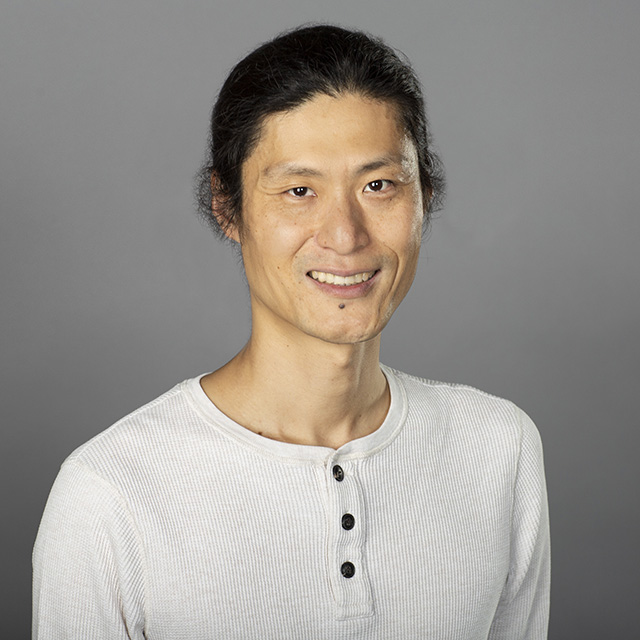
Jung Hwan Kim is an Assistant Professor in the Department of Biology at the University of Nevada, Reno . He earned his Ph.D. in Life Science from Pohang University of Science and Technology (2015) and conducted postdoctoral training at the University of Michigan, Ann Arbor . Education Ph.D., Life Science, Pohang University of Science and Technology (2015) M.S., Life Science, Pohang University of Science and Technology (2000) B.S., Agricultural Chemistry, Korea University (1998) Research Interests focus on cell biology of the nervous system , including mechanisms of subcellular protein localization in axonal development and the molecular roles of yippee-like genes in synapse formation. His lab employs Drosophila (fruit flies) as a model system with advanced genetics and biochemical techniques. Publications highlight work on dual leucine zipper kinase , Dscam expression , and synaptic circuit regulation , with recent studies on Rab11-mediated stress signaling suppression and YPEL3 mutations affecting sensory circuits. Teaching includes courses like BIOL 315 - Cell Biology and BIOL 395 - Laboratory in Genetics and Cell Biology .
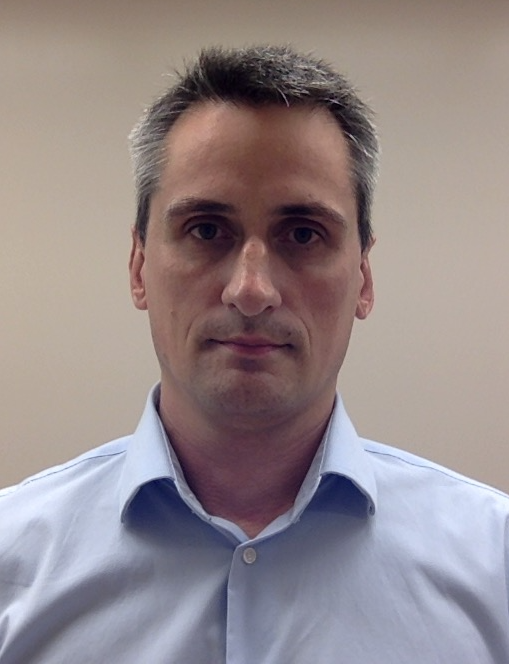
Alexey Petrov is an Associate Professor in the Department of Biological Sciences at Auburn University, affiliated with the College of Sciences and Mathematics. His research focuses on the molecular mechanisms of protein synthesis, particularly ribosome dynamics and translational regulation. His research interests lie at the intersection of biochemistry, biophysics, and molecular biology. He investigates how ribosomes achieve high-speed and high-fidelity protein synthesis, how mRNA structure and modifications regulate translation, and how viral elements hijack the translational machinery. His lab employs cutting-edge single-molecule fluorescence techniques and biochemical assays to dissect these processes in real time. The recent publications highlight a strong focus on ribosome translocation, initiation, elongation fidelity, and the impact of mRNA modifications such as 2′-O-methylation and m6A on translation dynamics. His work frequently involves the study of viral internal ribosome entry sites (IRES), providing insights into alternative translation mechanisms. The research is characterized by a deep mechanistic and kinetic understanding of translation, often revealing multiple parallel pathways and dynamic conformational changes. Alexey Petrov received his B.S. from Moscow State University, Russia, followed by a Ph.D. from the University of Maryland, College Park, under Dr. Jonathan Dinman. He completed his postdoctoral training with Dr. Joseph D. Puglisi at Stanford University, where he pioneered single-molecule studies of translation. Postdoctoral fellow with Dr. Joseph D. Puglisi, Stanford University Ph.D. with Dr. Jonathan Dinman, University of Maryland, College Park B.S., Moscow State University, Russia He leads an active research group within Auburn University's Biophysics Cluster, established in 2017. His lab is dedicated to advancing the single-molecule toolbox by developing new instrumentation and data analysis pipelines to make these powerful techniques more accessible. While specific grants are not listed, his publication record in top journals suggests a well-funded and productive research program. He mentors students and postdoctoral researchers in biochemical and biophysical methods, contributing to the training of the next generation of scientists.
Eunjung (Alice) Lee, PhD is an Associate Professor in the Division of Genetics and Genomics at Boston Children's Hospital and Harvard Medical School. She serves as a member of the Global Faculty at the University of Cologne, specifically affiliated with their Core Profile Area on Aging-Associated Diseases and the CECAD Cluster of Excellence focused on cellular stress responses in aging-associated diseases. Dr. Lee received her PhD in Bioinformatics from the Korea Advanced Institute of Science and Technology (KAIST), conducting research in integrative systems biology with Trey Ideker at the University of California, San Diego. She completed her postdoctoral training with Peter J. Park at Harvard Medical School. Her educational background combines computational expertise with biological applications, establishing her unique position at the intersection of bioinformatics and disease mechanisms. Dr. Lee's research program centers on elucidating the role of transposable elements and somatic mutations in human pathologies including cancer, aging processes, and neurodegenerative conditions. Her laboratory has pioneered computational methods for analyzing cancer whole genome and single-neuron genome sequencing data, making landmark discoveries about somatic retrotransposition in human cancers and the brain. Her team has demonstrated how transposons influence disease through multiple mechanisms including shaping cancer immunity, generating novel molecules via alternative splicing in human tissues and cancers, and contributing to rare diseases through RNA splicing alterations. Currently, her research focuses on developing intervention strategies targeting these mechanisms and investigating somatic mutation patterns in neurodegenerative conditions using cutting-edge single-cell genomic technologies. Analysis of Dr. Lee's publication record reveals a strategic progression from foundational discoveries about somatic retrotransposition in cancers to increasingly sophisticated investigations of genomic mosaicism across diverse disease contexts. Her work consistently bridges computational innovation with biological insight, with recent publications emphasizing single-cell resolution of somatic mutations in neurodegeneration and DNA repair disorders. The research demonstrates growing methodological sophistication and clinical relevance, particularly in connecting genomic instability mechanisms to potential therapeutic approaches. NIH New Innovator Award (DP2) recognizing high-impact, early-stage investigation Leadership of transposon analysis working group in the SMaHT (Somatic Mosaicism Across Human Tissue) Network, an NIH consortium Co-organizer of the inaugural Keystone meeting on somatic mosaicism (2025) Regularly invited speaker at major international conferences on transposons, genomics, and genetics Dr. Lee leads an active research program developing and applying computational genomics methods to investigate somatic genomic variation. Her laboratory maintains strong connections with the broader scientific community through leadership roles in national consortia and conference organization. She is actively shaping the emerging field of somatic mosaicism research, with particular emphasis on translating basic genomic discoveries into potential clinical applications for cancer and neurodegenerative diseases. Her work bridges multiple disciplines including computational biology, cancer genomics, neuroscience, and aging research.
Yudi Pawitan is Professor at the Department of Medical Epidemiology and Biostatistics at Karolinska Institutet, where he leads the research group on Statistical and Bioinformatics Analyses of High-Throughput Molecular Data. His work focuses on developing statistical methods for genomic studies including SNP/RNA arrays and next-generation sequencing. Education includes BSc in Statistics (Bogor Agriculture Institute, 1982), MSc in Statistics (UC Davis, 1984), and PhD in Statistics (UC Davis, 1987). Research interests span bioinformatics, cancer genomics, and statistical genetics with emphasis on high-dimensional data analysis, genetic correlations, and neural cell biology. His group addresses fundamental questions in genomic data interpretation and neurodegenerative processes. Publications demonstrate strong focus on genetic epidemiology, single-cell analytics, and statistical methodologies. Recent works explore machine learning applications in longitudinal data visualization, neural cell characterization, and cancer biomarker discovery. Awards: Not documented in provided texts. Supervises doctoral candidates including Linda Lindström and Ralf Kuja-Halkola. Manages the Live Imaging Facility at St. Vincent's Centre for Applied Medical Research. Research funded by Swedish Research Council and Swedish Cancer Society grants. Leads interdisciplinary collaborations through the Statistical and Bioinformatics research group, integrating computational biology with experimental neuroscience.
Gemma Marfany Nadal is a University Professor at the Faculty of Biology, University of Barcelona, with affiliations to the Department of Genetics, Microbiology and Statistics and the Human Molecular Genetics Research Group. She serves as Academic Secretary of the Bioethics Commission of the University of Barcelona (CBUB), Member of the Institute of Biomedicine of the University of Barcelona (IBUB), and former Member of the Biology Degree Study Council. Her research focuses on hereditary retinal dystrophies, gene discovery (notably CERKL ), CRISPR/Cas9 genomic editing, proteostasis in retinal neurodegeneration, and bioethics. She has led projects funded by the European Union (PROTEOSTASIS), TV3's Marathon Foundation, the Ministry of Economy and Competitiveness, CIBER, and the Ministry of Science, Innovation and Universities. Notable scientific contributions include studies on CERKL 's role in retinal health, sphingolipid metabolism, and deubiquitinating enzyme expression. She has published extensively in journals like Investigative Ophthalmology & Visual Science and PLoS One , emphasizing retinal disease mechanisms and therapeutic strategies. Scientific awards include the VI Distinction from the Faculty of Doctors of the University of Barcelona for outstanding dissemination activities. She has created the genetic diagnostic spin-off DBGen Ocular Genomics and contributes to public science communication through a weekly column in El Nacional and quarterly columns in Mètode magazine under the section 'Gens i Gent'.
Karen Ting Chang, PhD , is an Associate Professor of Physiology and Neuroscience at the University of Southern California's Keck School of Medicine. Her research focuses on synaptic plasticity, mitochondrial dynamics, and molecular mechanisms in neurodegenerative diseases and developmental disorders. Using Drosophila models, she investigates how pathways like secretory autophagy, DSCR1 regulation, and integrin signaling affect neural function. Research Trends : Her publications highlight synaptic remodeling, calcium signaling, and cross-disease connections between Down syndrome and Alzheimer's pathology. Key methodologies include genetic models, endocytosis studies, and mitochondrial transport analysis. Contact : Email: changkt@usc.edu
Roles and Affiliations: Darrick K. Li is an Assistant Clinical Professor in the Department of Medicine (Digestive Diseases) at Yale School of Medicine, specializing in inpatient gastroenterology. He is a practicing gastroenterologist focused on acute gastrointestinal conditions such as bleeding, inflammatory bowel disease, and nutritional disorders, while also contributing to clinical education and quality improvement initiatives. Education: Dr. Li holds an MD and PhD from Columbia University (2014), with a BS and MS in Molecular Biophysics and Biochemistry from Yale University (2007). He completed internal medicine residency and gastroenterology fellowship at Massachusetts General Hospital. Research Interests: His work centers on gastrointestinal bleeding management, endoscopic techniques, anticoagulation strategies, and quality improvement in hospitalized patients. He also investigates rare gastrointestinal diseases and clinical trial methodologies. Publications: Dr. Li’s research spans 20 years, with recent emphasis on anticoagulation deprescription in GI bleeding, endoscopic cancer management, and liver disease pathophysiology. His articles reflect interdisciplinary approaches to clinical challenges, leveraging systematic reviews and collaborative studies. Awards: Notable recognitions include the AASLD Emerging Liver Scholar Award (2016), Yale Quality & Safety Grant (2021), and excellence in clinical teaching (2018). He is an active member of the American College of Gastroenterology and American Gastroenterological Association. Teaching and Grants: He mentors medical students, residents, and fellows, emphasizing hands-on clinical training. His grants support innovations in GI hospitalist care and evidence-based practices. Recent news highlights his team’s development of AI models for GI bleeding detection, reflecting cutting-edge translational research.
Mitchell Guttman is a Professor of Biology at the California Institute of Technology (Caltech), where he leads the Guttman Lab. His research focuses on understanding how long non-coding RNAs (lncRNAs) regulate gene expression and nuclear organization. He holds a B.S. and M.S. from the University of Pennsylvania (2006) and a Ph.D. from MIT (2012). Before becoming a full Professor in 2019, he served as an Assistant Professor at Caltech and a Visiting Associate. His work has pioneered methods like SPRITE and ChIP-DIP to map 3D genome organization and RNA-protein interactions. Education: B.S., University of Pennsylvania, 2006 M.S., University of Pennsylvania, 2006 Ph.D., Massachusetts Institute of Technology, 2012 His research investigates how lncRNAs coordinate proteins, localize to genomic targets, and shape nuclear architecture to control gene expression. Recent breakthroughs include discoveries about nuclear speckles' role in mRNA splicing efficiency and the development of technologies for multiplexed protein-DNA/RNA interaction mapping. His lab integrates experimental and computational approaches, emphasizing collaboration across disciplines. Key Projects: SPRITe: Maps multi-way DNA-RNA-protein interactions in 3D ChIP-DIP: Identifies hundreds of proteins binding DNA simultaneously SPIDR: Maps RNA-protein interactions under cellular stress Labs & Teams: The Guttman Lab fosters an inclusive environment for students and postdocs, emphasizing innovation and cross-disciplinary collaboration. Recent lab members include Paulomi Bhattacharya, Andrew Perez, and Jimmy Guo, who have contributed to high-impact studies on nuclear organization and RNA biology.
Alexandra Bergfort is a Research Fellow in the Neugebauer Lab at the Yale School of Medicine, Yale University. She holds a PhD in Biochemistry from Freie Universität Berlin (2020). Her research focuses on RNA processing mechanisms, particularly the interplay between RNA splicing, polyadenylation, and protein interactions in gene expression regulation. Education: PhD in Biochemistry, Freie Universität Berlin, 2020 Research Interests: Bergfort investigates molecular processes governing RNA maturation, including alternative polyadenylation site selection, spliceosome dynamics, and the role of intrinsically disordered proteins in snRNP assembly. Her work integrates biochemistry and molecular genetics to elucidate how these mechanisms impact cellular function and disease pathogenesis. Recent Work Trends: Recent publications emphasize protein-RNA interactions (e.g., TSSC4's role as a helicase inhibitor) and the regulatory roles of spliceosome components like BRR2 in diseases linked to alternative splicing defects, such as neurodegenerative disorders. Lab Affiliation: Neugebauer Lab, focused on RNA biology and gene expression regulation.
Joan Steitz is the Sterling Professor of Molecular Biophysics and Biochemistry at Yale University and an Investigator at the Howard Hughes Medical Institute. She holds affiliations with the Yale School of Medicine, the Center for RNA Science and Medicine, and the Yale Cancer Center. Her career includes roles such as Department Chair and leadership in organizations like the American Society for Cell Biology. Education: PhD in Biochemistry from Harvard University (1967); BS from Antioch College (1963). Postdoctoral training at the MRC Laboratory of Molecular Biology, Cambridge. Research focuses on RNA-protein complexes, particularly snRNPs and their roles in RNA processing, viral oncogenesis, and gene expression. Notable discoveries include defining mRNA splicing mechanisms and characterizing noncoding RNAs in herpesviruses. Publications highlight advancements in RNA biology, viral RNA interactions, and stress-induced transcription. Over 300 peer-reviewed articles span molecular biology, virology, and biochemistry. Awards include the Wolf Prize (2021), Lasker Award (2018), and membership in the National Academy of Sciences (1983). Her lab at Yale explores RNA structure-function relationships and viral RNA mechanisms.
Sandra Cristina Vicente Almeida is an Assistant Professor in the Department of Neurology at UMass Chan Medical School, with additional appointments in the T.H. Chan School of Medicine, NeuroNexus Institute, and Morningside Graduate School of Biomedical Sciences (Departments of Interdisciplinary Graduate Program, Neuroscience, and Translational Science). Education: BS in Biochemistry from University of Coimbra, Coimbra, Portugal PhD in Cell Biology from University of Coimbra, Coimbra, Portugal Dr. Almeida's primary research focuses on elucidating the molecular mechanisms of frontotemporal dementia (FTD), amyotrophic lateral sclerosis (ALS), and Alzheimer's disease (AD). Her laboratory employs patient-derived induced pluripotent stem cell (iPSC) lines to generate disease-relevant neuronal cells. She has developed iPSC lines from FTD and ALS/FTD patients carrying mutations in progranulin, C9ORF72, TDP-43, and MAPT, as well as healthy controls. These iPSCs are differentiated into post-mitotic cortical and motor neurons to uncover underlying molecular and cellular defects. Her work also involves gene editing approaches to create CHMP2B mutant iPSCs for studying AD cellular pathogenesis. Analysis of Dr. Almeida's publication record from 2012 to 2024 reveals a strong focus on C9ORF72-related mechanisms in ALS/FTD, with particular emphasis on dipeptide repeat proteins, RNA toxicity, and cellular models using iPSC technology. Her research spans molecular biology, cellular neuroscience, and translational approaches to neurodegenerative diseases, with a consistent emphasis on understanding pathogenic mechanisms and identifying potential therapeutic interventions. The most cited works focus on poly(GR) toxicity, mitochondrial dysfunction, and nucleocytoplasmic transport defects in ALS/FTD. Dr. Almeida collaborates extensively with Dr. Fen-Biao Gao and other researchers in the field, as evidenced by her numerous co-authored publications. While specific grant information isn't detailed in the provided text, her extensive publication record in high-impact journals suggests significant research funding support. Her laboratory appears to focus on cellular models of neurodegeneration, particularly using iPSC technology to study patient-specific mechanisms of disease. The research emphasizes both basic molecular mechanisms and potential therapeutic approaches for ALS, FTD, and related neurodegenerative disorders.
Professor Lyle Armstrong is a leading researcher at Newcastle University specializing in stem cell applications for ophthalmology and retinal disease modeling. His work focuses on developing induced pluripotent stem cell (iPSC)-derived retinal organoids to study inherited retinal disorders, evaluate therapeutic interventions, and understand disease mechanisms. He collaborates extensively with experts including Professor Majlinda Lako and Professor Evelyne Sernagor within Newcastle's research ecosystem. Armstrong's primary research interests include stem cell differentiation into retinal lineages, photoreceptor transplantation for vision restoration, and modeling genetic disorders such as Stargardt disease, retinitis pigmentosa, and age-related macular degeneration. His investigations frequently address mitochondrial dysfunction, splicing defects, and lysosomal storage pathologies in retinal cells. Recent work emphasizes single-cell transcriptomics to map retinal development and optimize disease modeling protocols. Analysis of his 2022-2025 publications reveals a strategic focus on translating stem cell models into clinical applications, particularly through drug screening, toxicity testing, and mechanistic studies of tissue-specific disease phenotypes. His editorial leadership in stem cell-ophthalmology methods underscores his influence in standardizing field protocols. No scientific awards were documented in the provided publication records. While student advising and grant details weren't explicitly listed, Armstrong's role as senior/corresponding author across 50+ publications indicates extensive mentorship of junior researchers. His work involves multidisciplinary teams spanning stem cell biology, genomics, and ophthalmology, though specific lab structures weren't detailed in the source material.
Priscilla A. Furth is a Professor at Georgetown University's Department of Oncology and Medicine, with a distinguished career in disease pathophysiology and cancer research. She serves as an Anna Boyksen Fellow at the Technical University of Munich Institute for Advanced Study (TUM-IAS) since 2023, focusing on experimental bioinformatics and gender diversity in science. M.D. from Yale University (1979) Associate Dean for Faculty Development at Georgetown (2013–2021) Her research integrates bioinformatics and gene-regulatory mechanisms to analyze estrogen signaling pathways in breast cancer risk across diverse gender expressions. She pioneered investigations into circular RNA (circRNA) roles as biomarkers and explores their modification through anti-hormonal therapies. Current article trends show interdisciplinary work bridging quantum computing with network medicine , while maintaining focus on hormonal cancer mechanisms and vaccine immunology . Her 2024 publications emphasize multi-omics data integration and gender-inclusive oncology . Scientific recognition includes: 2023 Anna Boyksen Fellowship 2021 Women in Pathology Spotlight 2020 Excellence in Mentorship Award 2010 Georgetown Women in Medicine Award As Associate Dean, she developed faculty growth programs and continues mentoring through her TUM-IAS fellowship collaborations.
Dr. Sotirios Fragkostefanakis is the Head of the HeatStress-Lab at Goethe University Frankfurt's Faculty of Biological Sciences, Department of Molecular Cell Biology. His research focuses on plant stress biology, particularly heat stress responses and epigenetic regulation in crop resilience. As part of the RECROP COST Action, he leads efforts to enhance crop adaptation to climate change. His group investigates molecular mechanisms underlying cellular homeostasis and surveillance, leveraging plant models like tomato and Arabidopsis. Key topics include heat stress transcription factors, RNA splicing regulation, and epigenetic control of genome organization. Collaborations with international networks aim to translate fundamental discoveries into strategies for climate-smart agriculture. Dr. Fragkostefanakis chairs the RECROP initiative, fostering global research to improve crop resilience. His team's work has been recognized through awards, such as Zahide Aslan's Best Plant Science Master's Thesis prize for heat stress research. Labs under his leadership include the HeatStress-Lab and contributions to the RiboBio-Lab, DynaMem-Lab, and Cyano-Lab consortia.
Professor Raymond O'Keefe serves as Professor of Molecular Genetics and Head of the Division of Evolution, Infection and Genomics at the University of Manchester. With over two decades of academic service since joining as a Research Fellow in 1997, he has established himself as a leading researcher in RNA biology and genetic mechanisms. Dr. O'Keefe earned his undergraduate degree from Connecticut College in 1987, followed by work with Nobel Laureate Dr. George Palade at Yale University. He completed his PhD in Molecular and Cellular Biology from SUNY Stony Brook in 1994, conducting research at Cold Spring Harbor Laboratory under Dr. David Spector. After receiving the Hitchings-Elion Postdoctoral Fellowship to work with Dr. Andrew Newman at the MRC Laboratory of Molecular Biology in Cambridge, he joined Manchester in 1997. His research focuses on pre-mRNA splicing mechanisms and non-coding RNA (ncRNA) function. His lab investigates how splicing errors contribute to diseases including diabetes, cancer, and developmental disorders, while also pioneering large-scale functional analysis of ncRNAs using molecular barcoded deletion strains in Saccharomyces cerevisiae. Analysis of his 76 research outputs reveals a strong emphasis on molecular genetics, with particular focus on neurodevelopmental disorders, mitochondrial translation defects, and splice variant interpretation in clinical contexts. His work bridges fundamental molecular mechanisms with clinical applications. Hitchings-Elion Postdoctoral Fellowship from The Burroughs Wellcome Fund Significant media coverage for work on Perrault syndrome (picked up by 14+ news outlets) Extensive social media engagement with research (100+ X posts, 4+ Wikipedia references) Professor O'Keefe actively contributes to education through teaching Molecular Biology (BIOL10221), Gene Regulation and Disease (BIOL31181), and coordinating the Biochemistry Research Skills Module (BIOL20312). He also serves as a Medical Student Problem Based Learning tutor and has supervised 20 students through their academic work. His current research includes the project 'Pleiotropic disorders of mitochondrial translation' (2022-2025), examining connections between mitochondrial function and human disease.