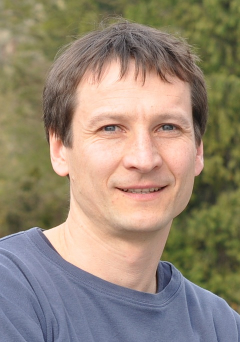
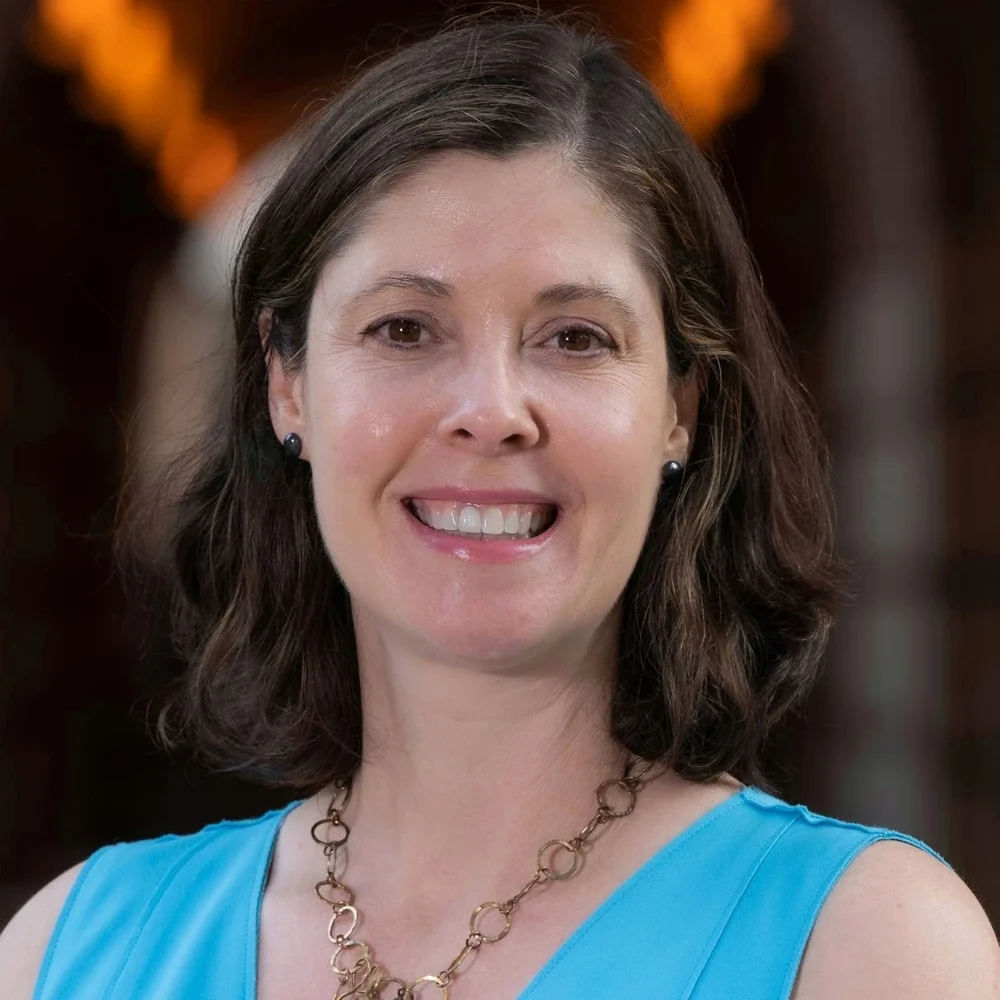
Gaston Courtade is an Associate Professor in Biopolymer Science at the Department of Biotechnology and Food Science, Faculty of Natural Sciences, Norwegian University of Science and Technology (NTNU). He leads research in protein dynamics and interactions between proteins and carbohydrates, focusing on lytic polysaccharide monooxygenases (LPMOs) and their structural-functional relationships. His research explores enzymatic mechanisms in biopolymer degradation, particularly through Characterization of LPMO activity on crystalline and non-crystalline substrates NMR and EPR spectroscopy for protein dynamics Role of carbohydrate-binding modules (CBMs) in enzyme efficiency Development of assays for plastic-degrading enzymes Redox chemistry in enzymatic catalysis His recent publications highlight trends in LPMO engineering , PET hydrolysis , protein expression systems , and oxidative stability of enzymes , with a strong emphasis on structural and functional analysis using advanced biophysical techniques.
Natalia Tretyakova is a Distinguished McKnight University Professor in the Department of Medicinal Chemistry at the University of Minnesota College of Pharmacy. With a PhD from the University of North Carolina at Chapel Hill (1997) and prior degrees from Moscow State University (Master's 1990, Bachelor's 1985), she has established herself as a leading researcher in chemical toxicology and DNA adduct research. Her research focuses on the chemical and biological aspects of DNA damage caused by environmental carcinogens, with particular expertise in mass spectrometry analysis of DNA and protein adducts. Dr. Tretyakova's work bridges chemistry, toxicology, and molecular biology to understand how environmental exposures lead to genetic damage and potentially cancer. She leads the Tretyakova Research Group which is actively involved in cutting-edge research on epigenetic modifications, DNA repair mechanisms, and biomarker development for environmental exposures. Dr. Tretyakova's publication record demonstrates consistent productivity and impact, with over 150 publications spanning from 1994 to the present. Her research shows a clear trajectory from fundamental chemical characterization of DNA adducts to increasingly complex biological questions about how these modifications affect cellular function and contribute to disease. Distinguished McKnight University Professor Preceptor, Medical Scientist Training Program (Combined MD/PhD Training Program) Faculty, PhD Program in Biochemistry, Molecular Biology and Biophysics Her work has significant implications for understanding cancer etiology, developing better risk assessment strategies for environmental chemicals, and potentially identifying molecular targets for cancer prevention.
Daniel Baum is a Research Professor and Head of the Visual Data Analysis research group at the Zuse Institute Berlin (ZIB), which is affiliated with Freie Universität Berlin. His work spans across scientific visualization, computational biology, and image analysis, with a particular focus on developing methods for analyzing complex biological structures and neural circuits. He is actively involved in multiple interdisciplinary research projects including HFSP Chitons, Geometric Learning for Single-Cell RNA Velocity Modeling, and RobustCircuit. Dr. Baum's research interests center on visual and data-centric computing approaches to solve complex problems in biology and medicine. His work bridges the gap between computational methods and biological applications, with significant contributions to cryo-electron tomography analysis, neural circuit mapping, and geometric morphometrics. He develops innovative algorithms for 3D reconstruction, image segmentation, and visualization of biological structures, from molecular to organismal scales. His publication record demonstrates consistent contributions to visualization techniques applied to biological problems, with recent work focusing on neural circuit analysis in zebrafish and Drosophila, biomechanical studies of animal structures, and advanced methods for analyzing ancient artifacts. The research shows a clear trajectory toward increasingly sophisticated multimodal data integration and machine learning approaches. Dr. Baum leads a productive research group with several key collaborators who frequently appear as co-authors on his publications, indicating a strong mentoring relationship. His projects involve substantial funding from various sources supporting interdisciplinary collaborations across biology, computer science, and engineering. His laboratory at ZIB focuses on visual data analysis for complex biological systems, with particular strength in developing computational methods for neuroscience applications and biomaterial analysis. The group maintains strong collaborations with multiple institutions working on cutting-edge imaging technologies and biological model systems.
Edward Balog serves as an Associate Professor in the School of Biological Sciences within the College of Sciences at Georgia Institute of Technology. His research focuses on ryanodine receptors (RyRs), the largest known intracellular ion channels critical for calcium release in skeletal and cardiac muscle. His primary research areas include: Regulation of RyR channels by endogenous effectors (ions, metabolites, proteins) Mechanisms linking RyR dysfunction to diseases like malignant hyperthermia and ventricular tachycardia Age-related alterations in RyR function Structural determinants of calmodulin-RyR interactions Dr. Balog employs multi-level experimental approaches: Sarcoplasmic reticulum vesicle [ 3 H]ryanodine binding for population channel analysis Artificial lipid bilayer recordings for single-channel kinetics Calcium release assays in permeabilized muscle fibers His laboratory maintains active research projects on: Molecular features for ligand action via RyR adenine nucleotide binding sites RyR function in aging skeletal muscle Structural requirements for calmodulin regulation of RyRs Educational background: Ph.D. in Physiology from Marquette University (1988) M.S. in Exercise Physiology from University of South Carolina (1988) B.A. in Exercise Science from Furman University (1983) The Ryanodine Receptor Laboratory operates under Dr. Balog's direction, with research goals centered on understanding intracellular calcium regulation and identifying pharmacological targets for calcium-related disorders.
Jose Luis Cantero Lorente is a University Professor in the Department of Physiology, Anatomy and Cell Biology at Pablo de Olavide University, specializing in neuroscience with a primary focus on Alzheimer's disease and neurodegenerative disorders. His work bridges electrophysiology, neuroimaging, and biomarker discovery to understand cognitive decline in aging. Education: Doctorate from the University of Seville (1999) with thesis: "Electrophysiological characterization of alpha activity in three states of brain activation in human subjects: relaxed wakefulness, drowsiness and REM phase", supervised by Dr. Carlos María Gómez González. Research Interests: Dr. Cantero Lorente's research spans Alzheimer's Disease , Neuroscience , and Biomarkers , with emphasis on early detection mechanisms through salivary, blood, and CSF analysis. He investigates sleep-memory interactions , metabolic drivers of neurodegeneration (e.g., insulin resistance), and neuroinflammatory pathways using multimodal approaches including proteomics, lipidomics, and functional MRI. His pioneering work established salivary lactoferrin as a diagnostic tool for Alzheimer's. Publication Trends: His 2022-2025 publications reveal a strategic shift toward multimodal biomarker integration , combining amyloid-beta, tau, and metabolic markers for early Alzheimer's detection. Key themes include Parkinson's disease proteomics (e.g., candesartan neuroprotection), herpes virus-amyloid links in aging, and intracortical myelin alterations as precursors to cognitive decline. Recent work increasingly incorporates machine learning for database analysis and explores angiotensin-based neuroprotective strategies. Scientific Awards: No awards were specified in the source material. Advising and Grants: He supervises doctoral candidates in the Biotechnology, Biomedicine and Health Sciences program at Pablo de Olavide University, specifically guiding the "Early Detection of Alzheimer's Disease" track. His research is supported by Spain's PAIDI framework (Health Science and Techniques), with projects focusing on interdisciplinary audiological databases and neural network alterations in mild cognitive impairment. Labs and Teams: As leader of the LNF Functional Neuroscience research group, he directs studies on electrophysiological correlates of cognitive decline, utilizing EEG, MRI, and molecular techniques to map structural-functional brain changes in Alzheimer's progression. The group collaborates extensively on national initiatives for biomarker validation in neurodegenerative diseases.
Christy F. Landes is the Jerry A. Walker Endowed Chair in Chemistry and Professor of Chemistry at the University of Illinois Urbana-Champaign, with additional appointments as Professor in Electrical and Computer Engineering and Materials Research Lab, and as an Affiliate in Chemical and Biomolecular Engineering. She joined UIUC in 2023 after serving as the Kenneth S. Pitzer-Schlumberger Chair of Chemistry at Rice University. Education: B.S. in Chemistry, George Mason University (1998) Ph.D. in Chemistry, Georgia Institute of Technology (2003) Postdoctoral positions at University of Oregon and University of Texas at Austin Professor Landes' research focuses on physical, analytical and materials chemistry with emphasis on predictive separations, spectro-electrochemistry, protein dynamics at interfaces, imaging and signal processing, and single-molecule spectroscopy. Her work aims to understand complex structure-function relationships in biological processes to inspire innovation for materials design. The Landes Research Group develops new spectroscopic tools to image chemical dynamics at interfaces at the limit of a single event, creating new models to understand and predict macroscale processes like protein separation and photocatalysis. Her research spans several specific areas including predictive separations, spectro-electrochemistry, protein dynamics at interfaces, computational imaging/AI/data science, and interfacial energy and charge transfer in hybrid nanomaterials. By studying individual molecules rather than ensembles, her group can identify the chemical complexity of nanoscale interfacial dynamics and reveal underlying populations that form ensemble measurements. Scientific Awards: 2023 Fellow of the American Association for the Advancement of Science 2024 Kazuhiko Kinosita Award in Single-Molecule Biophysics 2020 Award for Special Creativity, National Science Foundation 2019 Kavli Fellow, U.S. National Academy of Sciences 2016 Early Career Award in Experimental Physical Chemistry, American Chemical Society 2011 NSF CAREER Award Professor Landes has advised numerous graduate and undergraduate students throughout her career at University of Houston, Rice University, and now at UIUC. Her research has been supported by various grants including NSF funding. Her group has developed innovative methods to break the Abbe diffraction limit, achieving spatial resolutions of just a few nanometers and time resolutions faster than traditional cameras frame times. The Landes Research Group at UIUC continues to develop new spectroscopic tools to image chemical dynamics at interfaces, with specific focus areas including predictive separations, spectro-electrochemistry, protein dynamics at interfaces, computational imaging/AI/data science, and interfacial energy and charge transfer in hybrid nanomaterials.
Brenda Ogle is a Professor in the Department of Biomedical Engineering at the University of Minnesota's College of Science and Engineering. She leads the System Regeneration Lab, where her research focuses on cardiac tissue engineering, stem cell differentiation, and advanced 3D bioprinting technologies. Her work bridges multiple disciplines including stem cell biology, extracellular matrix science, and engineering principles to develop novel approaches for cardiovascular regeneration. Dr. Ogle's research interests primarily center on understanding the mechanisms that govern stem cell fate, particularly in the context of the cardiovascular system. Her lab is pioneering 3D bioprinting for cardiac tissue engineering, creating complex model systems that go beyond simple geometric shapes. Key areas of investigation include the role of extracellular matrix proteins in guiding stem cell differentiation, the development of novel tools for analyzing stem cell behavior, and the delivery of stem cells or associated progeny to the body. Her work has led to breakthroughs in creating patch-like structures with micron-scale features that support cardiac cell organization and can be adhered to failing hearts. Dr. Ogle's research has resulted in significant scientific contributions, including the development of unique bioink formulations coupled with multiphoton-based 3D printing to create chambered heart structures based on digital templates. These engineered tissues can sustain flow profiles and exhibit pressure-volume dynamics characteristic of the native heart, making them valuable for studying cardiac disease progression and testing drug efficacy. Her work has received recognition including an NIH R01 award for Epicardial Regulation of Myocardial Function and being named a BMES Fellow. NIH R01 Awarded, Epicardial Regulation of Myocardial Function BMES Fellow (2021) Dr. Ogle mentors a diverse team of researchers including postdoctoral associates, graduate students, and undergraduate researchers. Her lab has produced numerous PhD graduates who have gone on to successful careers in academia and industry. Current research projects in her lab include heart organoid formation using hiPSC-derived cardiomyocytes, investigation of hypertrophic cardiomyopathy mechanisms, cardiomyocyte maturation studies, and development of ECM-based bioinks for cardiac constructs. The lab is also working on creating integrated platforms for high-throughput cardiac organoid production and developing models to study the impact of radiation exposure on cardiac function.
Dr. Patrick O'Donoghue is an Associate Professor and Canada Research Chair in Chemical Biology at Western University's Department of Biochemistry, Faculty of Science. His research focuses on proteome diversity mechanisms through protein modifications and mistranslation, with implications for cancer and neurodegenerative diseases. Education: Ph.D. from University of Illinois, Postdoctoral training at Yale University Research highlights include pioneering genetic code expansion techniques for programmed protein modifications in human cells and developing fluorescent reporters to visualize translation errors. His work connects protein synthesis fidelity to disease pathways through tRNA mutant studies. Scientific Contributions: 2024 Mechanisms and Delivery of tRNA Therapeutics review in Chemical Reviews 2023 HARS Disease Therapeutics in Genes (Basel) 2022 Expanding Codon Size in eLife 2021 Fluorescent Mistranslation Reporters in Cells Contact: Office in Medical Sciences Building Room 388, Phone: 519.850.2373, Email: patrick.odonoghue@uwo.ca
Dr. Katrin J Svensson is an Associate Professor of Pathology at Stanford University and Affinity Group Leader at the Stanford Diabetes Research Center. She received her Ph.D. from Lund University (2012) and completed postdoctoral training at Harvard Medical School/Dana-Farber Cancer Institute (2017). Her research focuses on discovering circulating factors and peptide hormones that regulate metabolism through computational, proteomic, and physiological approaches. Key discoveries: Isthmin-1 (glucose/lipid homeostasis), BRINP2-related peptide (anti-obesity effects), ANGPTL3 (fructose metabolism) Academic Affiliations: Bio-X, Cardiovascular Institute, Wu Tsai Human Performance Alliance, MCHRI Faculty Fellow Research Highlights: Mapping tissue-specific peptide secretion to identify orphan ligands Characterizing receptors like GPR151 for glucose regulation Developing mitochondria-targeted therapies for cancer and metabolic diseases Investigating dietary sugar impacts on systemic metabolism Scientific Awards: Churg Research Award (2019) McCormick and Gabilan Award (2018) NIH K99/R00 Pathway to Independence Award (2016-2021) SRC International Postdoctoral Fellowship (2013-2016) Teaching & Mentorship: Leads Advanced Cell Biology courses (BIO 214/BIOC 224/MCP 221) and mentors graduate students/postdoctoral researchers in Biochemistry, Biophysics, and Cancer Biology programs.
Bradford G. Orr is the Arthur F. Thurnau Professor of Physics in the College of Literature, Science, and the Arts at the University of Michigan , where he also serves as Associate Vice President for Research (Science & Engineering) . His group uses scanning probe microscopies and molecular-beam epitaxy to explore surface-controlled phenomena in nanoscale semiconductors and, in parallel, engineers multifunctional dendrimer nanoparticles for targeted cancer therapy. Education Ph.D. Physics, University of Minnesota, 1985 B.S. Physics, University of Minnesota, 1980 Research Interests Professor Orr’s work sits at the intersection of condensed-matter physics , surface science , and nanomedicine . He investigates: Surface & Interface Physics: atomically-resolved structures of Si/SiO₂ interfaces, self-assembled monolayers on Au, and composition-modulated compound-semiconductor superlattices. Nanobiotechnology: functional poly(amidoamine) dendrimers as drug-delivery vehicles, lipid-membrane interactions, and real-time AFM imaging of cancer-cell apoptosis. Cross-disciplinary Collaboration: active partnerships with Chemistry, Materials Science, the Medical School, and the Center for Biologic Nanotechnology. Scientific Awards Arthur F. Thurnau Professorship (endowed chair) Grants & Advising While specific grant numbers are not listed, his sustained publication output from 1994 through 2021, coupled with leadership roles in university-wide research administration, indicates continuous federal and institutional funding. The group trains a steady stream of graduate students and postdoctoral researchers, though individual advisee names are not provided in the text. Labs & Facilities Research is conducted in the Randall Lab and Homer A. Neal Lab within the Department of Physics, 450 Church Street, Ann Arbor, MI, and leverages shared instrumentation across the University of Michigan nanofabrication and biological imaging cores.
Professor Richard J. Payne (FAA, FRSC, FRSN, FRACI) is the NHMRC Investigator Leadership Fellow and Deputy Director of the ARC Centre of Excellence for Innovations in Peptide and Protein Science at The University of Sydney. He earned a BSc (1st class honours) from the University of Canterbury (2002) and a PhD from the University of Cambridge under the late Professor Chris Abell (2003-2007). After postdoctoral work at The Scripps Research Institute with Professor Chi-Huey Wong (2007-2008), he joined The University of Sydney as a Lecturer in Organic Chemistry. His research focuses on chemical synthesis of biomolecules to address biological and medical challenges, particularly in anti-infectives , vaccine development , and glycopeptide engineering . His lab pioneered diselenide-selenoester ligation and selenocysteine-based modification techniques for constructing complex peptides and proteins. Current projects target pathogens like Mycobacterium tuberculosis , Plasmodium falciparum , and SARS-CoV-2 through inhibitor design , anticoagulant discovery , and LYTAC development . His 15 most recent publications span 2025-2021 and reflect multidisciplinary work at the chemistry-biology interface , including antiviral peptides , glycoprotein assembly , and supramolecular anticoagulants . Notably, 2025 articles address C-terminal bromodomain inhibitors and on-demand reversible anticoagulants , while 2024 studies focus on PROTAC-based proteostasis disruption and mycobacterial chaperone targeting . Awards & Honors 2016 Malcolm McIntosh Prime Minister's Prize 2023 Australian Academy of Science Fellowship 2014 Le Fèvre Memorial Prize & Edgeworth David Medal 2018 A.J. Birch Medal He supervises 8 active research students and leads collaborations with The Payne Research Group , Charles Perkins Centre , and Sydney Nano Institute . His work aligns with the University of Sydney's research strengths in Molecules to Materials and Next Generation Therapeutics .
David Hyten, Jr. serves as the Haskins Professor of Plant Genetics within the Department of Agronomy & Horticulture at the University of Nebraska-Lincoln, where he leads research advancing soybean genomics and breeding methodologies for global food security. Education: Ph.D., University of Maryland, 2005 M.S., University of Tennessee, 2002 B.A., Southern Illinois University, 1999 Research Focus: Dr. Hyten's program integrates high-throughput genotyping with quantitative genetics to dissect complex traits including disease resistance (cyst nematode, stem borer), seed composition (protein/oil), and yield stability. His work pioneers genomic selection pipelines and recombination hotspot analysis to accelerate breeding cycles, with emphasis on translating genomic discoveries into practical cultivar development through marker-assisted selection and predictive modeling. Publication Trends: Recent outputs (2021-2025) reveal evolving emphasis from foundational genomics (recombination mapping, QTL identification) toward applied breeding solutions, including cost-effective DNA extraction methods, pedigree-based imputation techniques, and community strategic planning for soybean genomics. His work increasingly addresses genotype-environment interactions and stability of key traits across diverse production systems.
Dr. Heidi L. Schubert is a researcher at the University of Utah's Department of Biochemistry, with over 25 years of experience in structural biology. She specializes in X-Ray Crystallography and Cryogenic Electron Microscopy (Cryo-EM), focusing on HIV protein interactions, chromatin remodeling complexes, and mitochondrial signaling pathways. As manager of the Bacterial Expression Core Facility of the CHEETAH Center (P50 GM082545), she supports researchers in recombinant protein expression and purification projects aimed at elucidating molecular mechanisms of HIV infection. Her research interests include: Cryogenic Electron Microscopy and Three-Dimensional Reconstruction Nucleosome Remodeling and Chromatin Dynamics Structural Basis of HIV Protein Interactions Mitochondrial Stress Responses Dr. Schubert has contributed to multiple high-impact publications, including the first Cryo-EM structure of spastin (2020) and collaborative work on SWI/SNF chromatin remodeler architecture (2013). She plays a primary role in cryo-EM projects within the Hill Lab, guiding all aspects from sample preparation to structure refinement. Recent publications demonstrate expertise in: Structural analysis of HIV restriction factors (BST2/tetherin) Crystallographic studies of metabolic enzymes (malate synthase, isopentenyl phosphate kinase) Mechanistic studies of mitochondrial fission complexes Investigations of cofactor biosynthesis pathways (vitamin B12)
Demian Cazalla is an Associate Professor in the Department of Biochemistry at the University of Utah, focusing on the functional roles of non-coding RNAs (ncRNAs) in gene expression regulation. He is affiliated with the Molecular Biology Program and Biological Chemistry Program, contributing to interdisciplinary research in RNA biology. Education: M.Sc., University of Buenos Aires, Argentina Ph.D., Open University/MRC Human Genetics Unit, Edinburgh, Scotland Dr. Cazalla's research investigates how ncRNAs, particularly those expressed by oncogenic herpesviruses like Herpesvirus saimiri (HVS), regulate gene expression. His lab explores the structural and molecular mechanisms of viral ncRNAs (HSURs), their interactions with host miRNAs, and their role in viral oncogenesis through miRNA degradation and mRNA targeting. Current projects involve biochemical analysis of RNA-protein complexes and high-throughput sequencing to identify RNA targets. His recent publications highlight viral miRNA biogenesis pathways, ncRNA structural dynamics, and RNA-based regulatory networks. The work spans molecular virology, RNA biochemistry, and gene expression control in complex organisms.
Dr. Wolfgang Hübner is a Researcher at the Faculty of Physics at University of Bielefeld, Germany, affiliated with the Biomolecular Photonics Group. His work focuses on advanced optical imaging techniques applied to cellular and molecular structures. He maintains an active research program as evidenced by numerous publications from 2023-2025. His research interests center on photonics, biophotonics, optical microscopy, super-resolution imaging techniques, cellular biophysics, and molecular imaging. Dr. Hübner's work bridges physics and biology, developing and applying cutting-edge microscopy methods to address biological questions at the nanoscale level. His recent publications demonstrate a strong focus on super-resolution microscopy techniques, particularly structured illumination microscopy, fluorescence lifetime imaging, and correlative imaging approaches. His research investigates cellular structures like liver sinusoidal endothelial cells, dystroglycan mutants, and mitochondrial dynamics, revealing how advanced optical methods can visualize biological processes at unprecedented resolution. Dr. Hübner's research shows consistent development in both methodological advances in optical imaging and biological applications. His work spans from fundamental optical engineering to biomedical applications, demonstrating interdisciplinary expertise across physics, engineering, and cell biology.