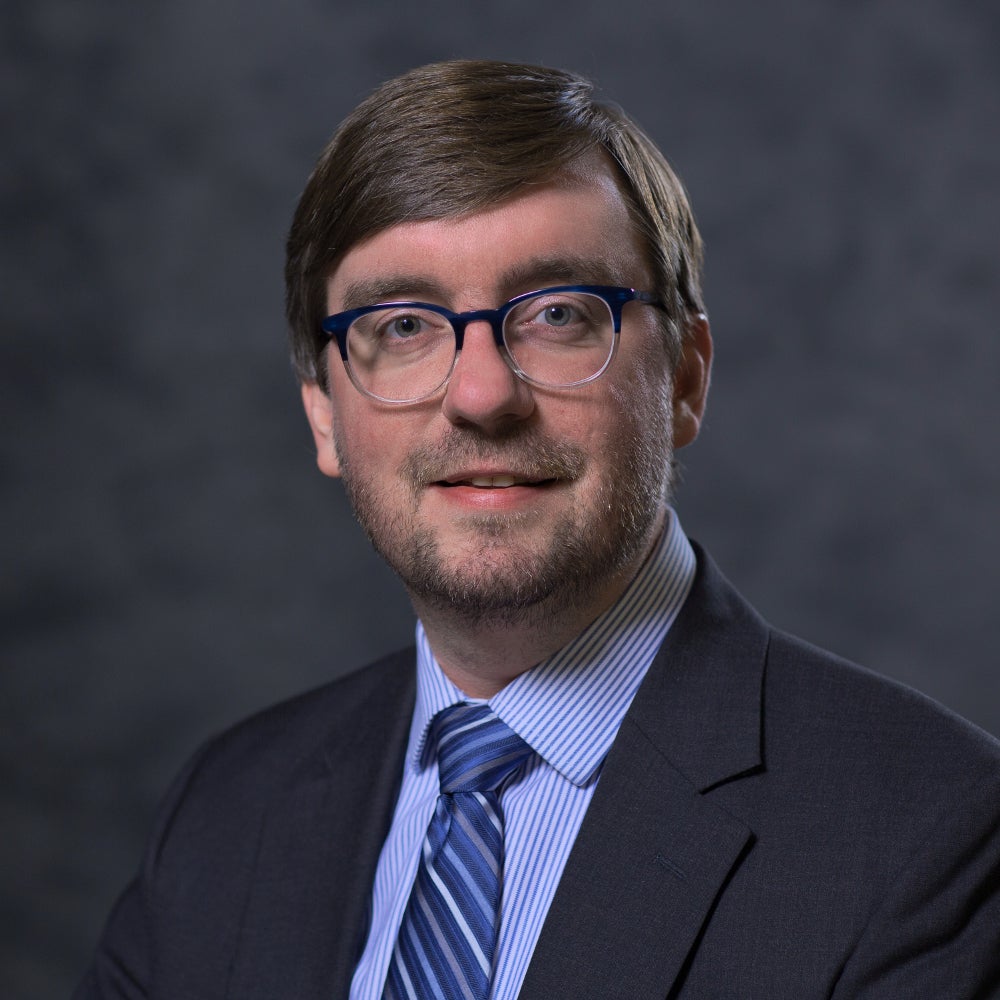
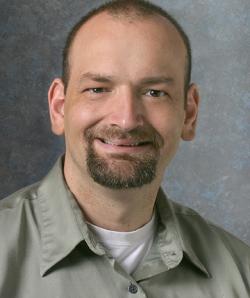
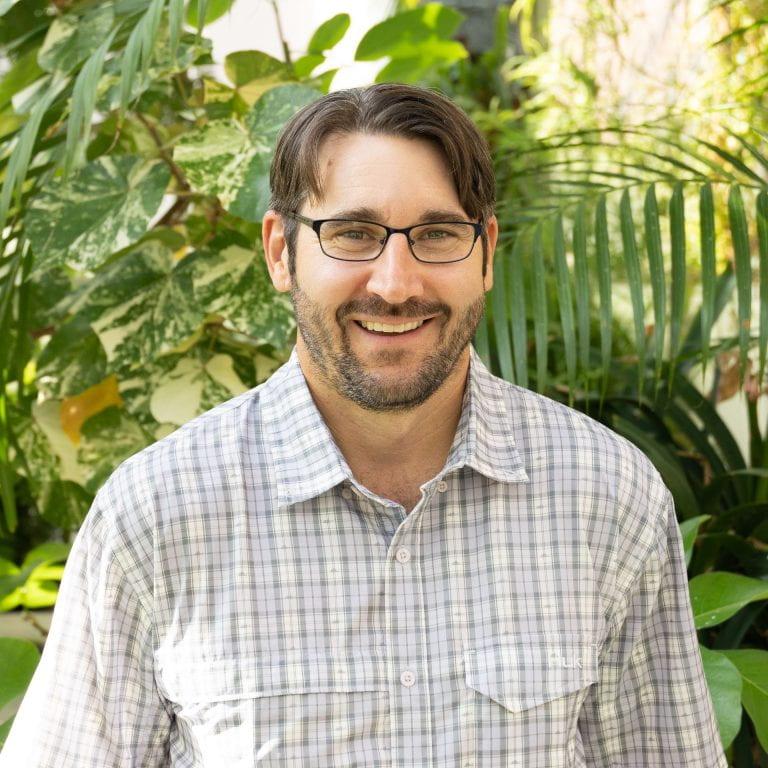
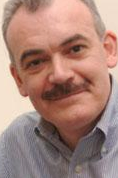
Scott Forth is an Associate Professor in the Department of Biological Sciences at Rensselaer Polytechnic Institute's School of Science. He specializes in biophysics, focusing on microtubule networks in cell division and neuronal development. Ph.D. in Physics from Cornell University (2009) B.S. in Physics and B.M. in Music Performance from Oberlin College (2002) Postdoctoral Fellow at Rockefeller University (2010-2016) His research combines optical trapping and fluorescence microscopy to study how forces are transmitted across biopolymer networks. Key areas include: Mechanics of mitotic microtubule networks PRC1-mediated force resistance in cell division Kinesin motor protein dynamics Single-molecule biophysical methods Neuronal cytoskeleton organization Recent work analyzes force generation in reconstituted microtubule bundles and mechanical roles of proteins like PRC1 and kinesin-5. Scientific Awards Ruth Kirschstein National Research Service Award (NIH postdoctoral F32) Rensselaer School of Science Outstanding Teacher Award Rensselaer School of Science Early Career Research Award Biophysical Society Early Career Award (Motility and Cytoskeleton Subgroup) Dr. Forth's lab studies how nanometer-scale proteins coordinate to create micron-scale cellular mechanics. Current projects focus on microtubule network organization during cell division and neuronal development.
Horst A. von Recum, PhD, is the Executive Vice Chair of the Case School of Engineering and a Professor in the Department of Biomedical Engineering at Case Western Reserve University. He is also a member of the Cancer Imaging Program at the Case Comprehensive Cancer Center. His research focuses on developing novel platforms for molecular and cellular delivery, including affinity-based systems for controlled drug release and directed stem cell differentiation. Key applications include HIV therapies, wound healing, ocular disease treatments, and tissue engineering. His work emphasizes improving drug delivery precision through molecular interactions and enhancing stem cell viability for therapeutic use. Dr. von Recum’s research interests span drug delivery systems, biomaterials science, and regenerative medicine. His lab explores cyclodextrin polymers for sustained antibiotic release, affinity-driven drug refilling mechanisms, and engineering biocompatible materials to combat implant-related infections. Recently, his team has investigated microbiome interactions with neural implants and developed polymer-based solutions for localized chemotherapy. Notable contributions include advancements in PMMA bone cement composites for drug refillable depots, cyclodextrin hydrogels for controlled release, and affinity-based systems for anti-fibrotic treatments. His work bridges materials science with clinical applications, addressing challenges in orthopedic infections, neural interfaces, and cardiovascular regeneration. Scientific achievements include over 100 peer-reviewed publications. Research funding has supported projects on antimicrobial coatings, drug delivery mechanics, and stem cell differentiation. Dr. von Recum collaborates across disciplines to translate biomaterial innovations into clinical solutions.
Michael Boutros is a Full Professor at Heidelberg University and Head of Division at the German Cancer Research Center (DKFZ). He currently serves as Dean of the Medical Faculty at Heidelberg University (since 2023) and Director of the Marsilius Kolleg (since 2020). He has held leadership roles including Coordinator of the Functional and Structural Genomics Program at DKFZ (2014–2023) and Acting Scientific Director (2015–2016). His academic base is within the Medical Faculty, focusing on molecular oncology and functional genomics. PhD, Witten/Herdecke University (1993–1996) Postdoctoral Research, Harvard Medical School (1999–2003) MPA, John F. Kennedy School of Government, Harvard University (1999–2001) Additional training: Cold Spring Harbor Laboratory, SUNY Stony Brook His research centers on Wnt signaling, functional genomics, and cancer pathways. He leads major research initiatives such as CRC 1324 on Wnt signaling and the ERC Synergy Grant DECODE. His work integrates high-throughput screening, CRISPR, and systems biology to dissect signaling networks in cancer and development. He has pioneered genome-wide RNAi and CRISPR screens to identify novel regulators of Wnt signaling across models. The 15 most recent articles reflect a strong focus on Wnt pathway regulation using functional genomics in both Drosophila and mammalian systems. Themes include high-throughput screening, CRISPR-based validation, cross-species conservation, and therapeutic targeting. Keywords span Cancer Biology, Systems Biology, and Signal Transduction, with subfields like RNAi, ubiquitination, stem cell regulation, and machine learning in image analysis. Michael Boutros has received numerous scientific honors: Elected member, Leopoldina National Academy of Sciences (2022) Elected member, Heidelberg Academy of Sciences (2022) EMBO Member (2013) ERC Advanced Grant (2012) Johann-Georg Zimmermann Research Award (2007) EMBO Young Investigator (2005) Member, 'Die Junge Akademie' (2003) He has been a recipient of the Emmy-Noether Program, McCloy Fellowship, Boehringer Ingelheim PhD Fellowship, Studienstiftung Fellowship, and Fulbright Fellowship. As a mentor and research leader, he has supervised numerous early-career scientists and coordinated large collaborative grants including the FP7 'CancerPathways' project. He currently serves as Speaker of the Research and Strategy Commission at Heidelberg University and Managing Director of the Health and Life Science Alliance Heidelberg Mannheim. He leads the CRC 1324 on Wnt signaling and is Coordinating PI of the ERC Synergy Grant DECODE. He is also Spokesperson of DFG Research Group 1036 and Coordinator of the former FP7 Coordinated Project 'CancerPathways'. His lab employs cutting-edge functional genomics tools to decode signaling networks in cancer and development.
Brian D. Gregory is a Professor of Biology at the University of Pennsylvania's School of Arts & Sciences. His research focuses on RNA modifications, computational biology, and plant genetics, particularly studying how RNA modifications regulate gene expression in plants and animals. He holds a Ph.D. from Harvard University (2005) and a B.S.A. from the University of Arizona (2000). Research Interests: RNA epitranscriptomics (e.g., m6A, NAD+ caps) RNA secondary structure and protein interactions Genomic approaches to study plant stress responses Development of high-throughput sequencing tools like PIP-seq Recent Work Highlights: Recent studies include analyzing pathogen-induced RNA modifications' role in plant immunity (Plant Cell 2023), global RNA structure/protein interaction mapping, and epitranscriptomic dynamics in drought tolerance. His lab's work bridges computational methods with molecular genetics to uncover post-transcriptional regulatory mechanisms. Lab & Collaborations: The Gregory Lab uses Arabidopsis thaliana as a primary model organism but also explores animal systems. They collaborate with institutions like Cornell University and have developed protocols published in Current Protocols in Molecular Biology. Teaching: BIOL 4231: Genome Sciences and Genomic Medicine BIOL 6010: Communication for Biologists
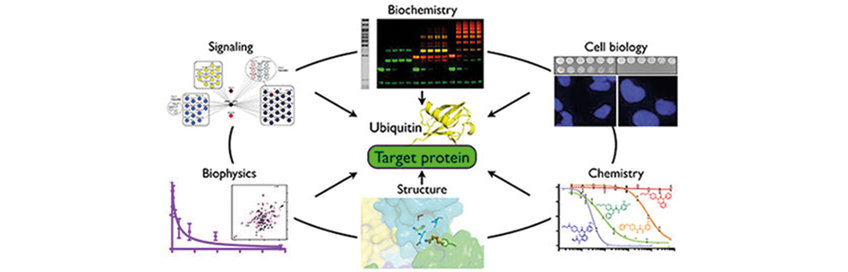
Brenda Schulman is a Professor and Director of the Molecular Machines and Signaling Pathways department at the Max Planck Institute of Biochemistry in Martinsried, Germany. She also holds an honorary professorship at the Technical University of Munich's Department of Chemistry and serves as Adjunct Faculty at St. Jude Children's Research Hospital in Memphis, TN, USA. Her research focuses on understanding how ubiquitin and ubiquitin-like proteins regulate cellular processes through protein modification. Dr. Schulman's research interests center on structural biology of the ubiquitin-proteasome system and ubiquitin-like proteins. Her work has shown that hundreds of dynamic multiprotein complexes are transiently converted into different conformations by specialized regulatory factors that control ubiquitin and ubiquitin-like proteins, thereby monitoring virtually all processes in cell biology. She combines biochemical reconstitution, structural analysis, enzymology, protein design, cell biology, and genetics to understand how these molecular machines function. Her research has significant implications for understanding diseases such as cancer, neurodegenerative disorders, and viral infections where defects in ubiquitin pathways are implicated. Her extensive publication record demonstrates expertise in ubiquitin signaling, protein degradation mechanisms, structural biology of E3 ligases, and molecular machines. Her work spans from fundamental mechanisms of ubiquitin chain formation to therapeutic applications in targeted protein degradation. Among her numerous scientific accolades are the Feldberg Prize for Anglo-German Scientific Exchange (2025), ERC Advanced Grant (2023), Louis-Jeantet Prize for Medicine (2023), Gottfried Wilhelm Leibniz Prize (2019), and election to the National Academy of Sciences (2014). She has also received the Dorothy Crowfoot Hodgkin Award from The Protein Society and has been an Investigator of the Howard Hughes Medical Institute. Dr. Schulman leads an active research group that has produced numerous high-impact publications in top journals including Nature, Cell, and Nature Structural & Molecular Biology. Her team has made significant contributions to understanding the structural mechanisms of ubiquitin transfer, E3 ligase specificity, and the role of ubiquitin in cellular quality control pathways. Current research in her lab focuses on deciphering the ubiquitin code and developing novel approaches for targeted protein degradation.
Jesper Velgaard Olsen is a Professor and Deputy Center Director at the University of Copenhagen's Novo Nordisk Foundation Center for Protein Research (CPR) and leads the Olsen Group. His research focuses on quantitative, high-resolution mass spectrometry-based proteomics, particularly in characterizing signaling networks regulated by phosphorylation and other post-translational modifications. The group develops advanced offline peptide fractionation and enrichment methods combined with high-resolution Orbitrap tandem mass spectrometry to improve robustness and reproducibility in proteomic analysis. The Olsen Group investigates functional selectivity in cell signaling, where different growth factors binding to the same receptor activate distinct pathways. They identified tyrosine phosphorylated residues as molecular switches determining cell fate and optimized workflows enabling deep human proteome analysis comparable to RNA-seq. Their work spans technology development and biological applications in diseases like acute myeloid leukemia. Key group members include PhD Fellows, PhD Students, and Researchers such as Agnete Witness Præst Jensen, Charlotte Hjort, and Kristina Bennet Emdal. For collaboration or inquiries, contact Olsen via email jesper.olsen@cpr.ku.dk .
Dr. Sarah Jones is an Associate Professor in Thrombosis and Haemostasis at Manchester Metropolitan University, serving as Deputy Director of Research for the Department of Life Sciences. She leads the Thrombosis Group and holds an honorary Reader position at the University of Manchester. Academic Affiliation: Manchester Metropolitan University Secondary Appointment: University of Manchester (Honorary Reader) Over 20 years, Dr. Jones has pioneered research on platelet signaling pathways and their role in thrombosis. Her current work focuses on platelet-endothelial crosstalk in disease states, with emphasis on in vitro thrombosis modeling to replace animal testing. This research, funded by BBSRC, NC3Rs, and BHF, addresses cardiovascular disease mechanisms and translational antithrombotic testing. Her scientific publications demonstrate expertise in platelet biology (Pim kinase signaling, SIRT1 regulation, proteoglycan interactions) and thrombosis modeling. Recent work includes placental perfusion studies for pregnancy-related cardiovascular complications. Grants & Projects: UKRI (NC3Rs) Partnership and Impact Award (2025-2026) UKRI BBSRC/NC3Rs grant for human haemostasis models (2023-2025) British Heart Foundation collaborations (2021-2025) Dr. Jones supervises PhD students (Mishaal Reyman, Poppy White, etc.) and teaches on Biomedical Science, Cellular Science, and Clinical Haematology programs. She has developed innovative endothelialised in-vitro thrombosis models that reduce animal usage in cardiovascular research.
Dr. John Rohde is an Associate Professor in the Department of Microbiology & Immunology at Dalhousie University's Faculty of Medicine. His research focuses on understanding mechanisms of bacterial pathogenesis, particularly how Shigella spp. exploits host cell systems. He holds a PhD in Biochemistry from the University of British Columbia and completed postdoctoral training at Duke University, Institut Pasteur, and Mount Sinai Hospital's Samuel Lunenfeld Research Institute. His lab develops genetic tools to study bacterial virulence at systems levels. Education: BS/MS in Bacteriology (University of Idaho), PhD in Biochemistry (UBC) Research Interests: Shigella pathogenesis, ubiquitin ligases, type III secretion systems Recent work includes studies on Shigella's manipulation of host actin via RACK1 and the role of ubiquitin in pathogen survival. He collaborates internationally on projects combining proteomics and immunology to uncover antimicrobial defense mechanisms.
Professor Stephan A. Sieber is a leading researcher in bioorganic chemistry at the Technical University of Munich (TUM), where he holds the Chair of Organic Chemistry II within the TUM School of Natural Sciences. His research program focuses on developing new drugs against multidrug-resistant bacteria through a multi-disciplinary approach that integrates synthetic chemistry, functional proteomics, microbiology, and protein biochemistry. His laboratory has made significant contributions to identifying unprecedented antibacterial targets beyond the scope of current antibiotics and exploiting these for chemical manipulation. Recent work has increasingly incorporated machine learning approaches to accelerate antibiotic discovery, with notable publications on AI-guided pipelines, drug-target interaction prediction, and high-throughput screening optimization. Sieber's research has resulted in the discovery of new active substances, some of which are currently being optimized for medical applications. His group's publications reveal a strong focus on chemical proteome mining, natural product mode of action studies, and novel antibacterial target identification. The lab has published extensively in top journals including Nature Chemistry, Nature Communications, and ACS Central Science. Inhoffen Medal (2024) Max Bergmann Medal (2023) ERC Advanced Grant (2023) Merck Future Insight Prize (2020) Klaus Grohe Prize (2020) ERC Consolidator Grant (2016) Professor Sieber leads an active research group that maintains a strong presence in the scientific community through regular publications, conference presentations, and collaborations. His laboratory website and BlueSky presence (@sieberlab.bsky.social) demonstrate ongoing research activities and engagement with the broader scientific community. He has successfully secured significant research funding including multiple ERC grants that have supported his innovative work in antibiotic discovery.
Prof. Torsten Ochsenreiter is a Group Leader at the Institute of Cell Biology, University of Bern, and part of the Multidisciplinary Center for Infectious Diseases (MCID). His research focuses on molecular parasitology, particularly on trypanosomes and malaria parasites, utilizing advanced microscopy techniques to study fundamental biological processes. His primary research interests include mitochondrial biogenesis, kinetoplast genome maintenance, RNA editing mechanisms, and cytoskeletal dynamics in Trypanosoma brucei . He investigates how mitochondrial DNA is segregated during cell division and how post-translational modifications regulate parasite transmission. His work bridges cell biology, structural biology, and infectious disease research to understand pathogenic mechanisms in neglected tropical diseases. Analysis of his recent publications reveals a consistent focus on the tripartite attachment complex (TAC), mitochondrial genome inheritance, and expansion microscopy applications. His research demonstrates how structural adaptations in parasite organelles enable survival and transmission, with significant implications for developing novel therapeutic strategies against African sleeping sickness and malaria. No scientific awards were mentioned in the provided text. Prof. Ochsenreiter advises students and leads an active research team at the University of Bern. The Ochsenreiter lab provides opportunities for undergraduate and graduate students to engage in cutting-edge parasitology research, though specific grant funding details were not provided in the text. The Ochsenreiter lab operates within the Institute of Cell Biology and specializes in molecular parasitology techniques including expansion microscopy, cryo-electron tomography, and genetic manipulation of trypanosomes. The team investigates mitochondrial biology and cytoskeletal organization to uncover vulnerabilities in parasite life cycles.
Mikhail Gelfand is a Full Professor and Director of the Center for Molecular and Cellular Biology at Skolkovo Institute of Science and Technology (Skoltech), where he also serves as Vice President for Biomedical Research. His distinguished career spans multiple prestigious institutions including Lomonosov Moscow State University and the Higher School of Economics. His educational background includes: 1985: MSc in mathematics (functional analysis) 1993: PhD in physics-mathematics (biophysics) 1998: DSc in biology (molecular biology) 2007: full professor (bioinformatics) Professor Gelfand's research focuses on molecular evolution, comparative genomics, systems biology, and metagenomics. His work examines eukaryotic processes including alternative splicing, mRNA editing, and chromatin structure, as well as bacterial genome evolution and transcription regulation. His lab combines data on three-dimensional chromatin structure, epigenetic states, and gene expression to obtain an integrated view of genome functioning across diverse organisms from humans to amoebae. One major research direction focuses on the evolution of transcript splicing and editing, while comparative analysis of bacterial genomes yields functional annotations of novel enzymes, transporters, and transcription factors. His recent publications demonstrate a strong focus on RNA editing in cephalopods, bacterial genome analysis, and computational approaches to understanding chromatin structure. The work spans molecular biology, evolutionary biology, and bioinformatics, with particular emphasis on how RNA editing contributes to adaptation and molecular evolution across metazoans. His research shows how edited adenines are more frequently substituted with guanine in evolution than their unedited counterparts, suggesting RNA editing may enhance adaptation. His notable awards include: The President of Russian Federation's Award for Young Doctors of Science (2000) The "Best Scientist of the Russian Academy of Sciences" award (2004) A. A. Baev Prize in Genomics and Genoinformatics (2007) Member of Academia Europaea (2010) As Director of the Center for Molecular and Cellular Biology, Professor Gelfand leads a research group that combines computational and experimental approaches to study genome function and evolution. His lab's work has significant implications for understanding molecular mechanisms of evolution and adaptation across diverse biological systems, from bacteria to complex eukaryotes. His research on metagenomics extends to practical applications in areas including coral disease, aphids, and oil wells.
David A. Tirrell serves as Provost and holds the Ross McCollum-William H. Corcoran Professorship in Chemistry and Chemical Engineering at the California Institute of Technology. He earned his B.S. (1974) from MIT, M.S. (1976) and Ph.D. (1978) from the University of Massachusetts at Amherst, and received an honorary doctorate (D.h.c.) from Eindhoven Technical University. Chair, Division of Chemistry and Chemical Engineering (1999-2009) Director, Beckman Institute (2012-2018) Provost (2017-present) His research focuses on macromolecular chemistry and genetic code reengineering to incorporate non-canonical amino acids into proteins. This work enables novel approaches to biomaterials design , proteomic analysis , and protein evolution with applications in tissue regeneration and molecular imaging . Recent publications highlight 3D-printable cellular composites , engineered bacterial films , and non-canonical amino acid applications in medical contexts. Scientific recognitions include election to: American Academy of Arts and Sciences American Philosophical Society All three branches of U.S. National Academies (Sciences, Engineering, and Medicine) As principal investigator of the Tirrell Lab , he has mentored numerous students and researchers like Sophie Miller, Hanwei Liu, and Grace Wang, whose work spans synthetic biology , genetic code modification , and advanced proteomic techniques .
Anthony Brown is an Associate Professor in the Department of Cell and Developmental Biology at Weill Cornell Medical College, part of the Graduate School of Medical Sciences. He has been a faculty member since 1987 and currently serves as Director of the Office of Medical Student Research. Education: B.A. in Natural Sciences (Genetics), University of Cambridge, 1977 M.A., University of Cambridge, 1980 Ph.D. in Molecular Biology, University of Edinburgh, 1982 Postdoctoral Fellow, University of California, San Francisco (with Harold Varmus) Postdoctoral Fellow, University of Strasbourg (with Pierre Chambon) Dr. Brown's research focuses on the Wnt family of signaling proteins and their roles in tissue development, homeostasis, and cancer. His work has significantly advanced the understanding of both canonical and non-canonical Wnt pathways, particularly in breast and colorectal cancers. He has shown that Wnt signaling contributes to oncogenesis through mechanisms involving stem-like cells, epithelial-to-mesenchymal transition, and crosstalk with other signaling cascades such as TGFβ. His research employs diverse models including cell culture, organoids, mouse models, and patient-derived tissues. His recent publications reveal a strong emphasis on Wnt signaling in cancer stem cells, metastasis, and signal transduction mechanisms. Trends include the role of Wnt in tumor microenvironments, regulation of ribosomal DNA, and therapeutic targeting of multiple pathways simultaneously. His work frequently appears in high-impact journals such as PNAS, Cancer Research, and Development. Scientific Awards: Royal Society European Science Exchange Fellowship Medical Research Council (U.K.) Travelling Fellowship Cornell Scholars Award Andrew W. Mellon Teacher-Scientist Award Pew Scholar in the Biomedical Sciences Irma T. Hirschl Career Scientist Award WCM Awards for Teaching Excellence WCM Awards for Excellence in Medical Education Dr. Brown has been actively involved in grant-funded research, including as a Co-Investigator on the Clinical and Translational Science Center (UL1) grant awarded by the National Center for Advancing Translational Sciences (2022–2027). He collaborates with a broad network of co-investigators across disciplines. He also mentors students and contributes to medical education, reflecting his dual commitment to research and teaching. His laboratory investigates Wnt signaling mechanisms and their implications for cancer therapeutics.
Olga Vitek is a Professor at Northeastern University's Khoury College of Computer Sciences, with affiliated faculty status in the Department of Chemistry and Chemical Biology. Her research bridges statistical science and machine learning with mass spectrometry-based proteomics and systems biology, focusing on developing open-source software tools like MSstats and Cardinal for quantitative proteomic analyses and imaging. Education: PhD in Statistics (Purdue University), Postdoc at the Ruedi Aebersold Lab (Institute for Systems Biology) Leadership: Director of the Barnett Institute for Chemical and Biological Analysis Her work emphasizes: Statistical experimental design Signal detection in complex mass spectrometry data Causal inference in biomolecular networks Reproducible computational infrastructure Recent publications highlight advancements in quantitative proteomics , mass spectrometry imaging , and causal modeling , with applications spanning cancer research, immunology, and clinical diagnostics. Notable trends include deep learning integration for image analysis and open-source tool development for scalable, transparent workflows. Scientific accolades: Elected Fellow of the American Statistical Association 2021 Gilbert S. Omenn Computational Proteomics Award NSF CAREER award Chan-Zuckerberg Essential Open-source Software award Senior Member, International Society for Computational Biology
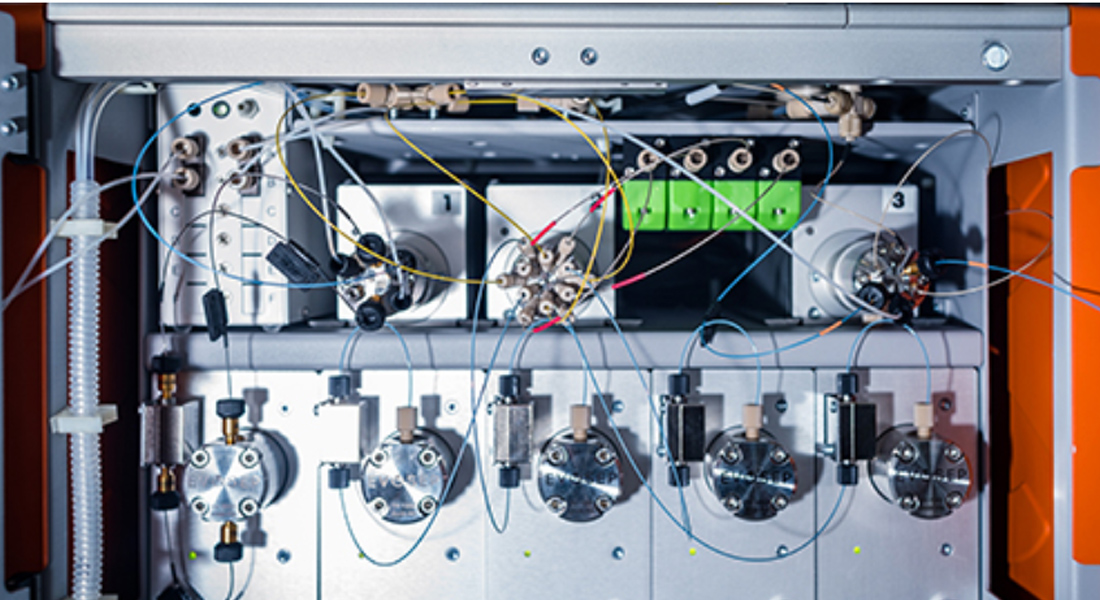
Julia Chamot-Rooke is a Principal Investigator and Researcher at the Institut Pasteur in Paris, France, affiliated with the Department of Structural Biology and Chemistry and the Mass Spectrometry for Biology unit (UTechS MSBio), a joint CNRS service and research unit (USR2000). She leads multiple projects in advanced proteomics and is the PI for the Institut Pasteur in the European Proteomics Infrastructure Consortium providing access (EPIC-XS). Her research focuses on developing innovative methods in top-down proteomics , cross-linking mass spectrometry , and structural proteomics to study intact proteins, post-translational modifications, and protein complexes. Her work has applications in microbiology, infectious diseases, and host-pathogen interactions. She has developed the ProteoCombiner software to integrate proteomics data for improved proteoform characterization. The recent publications reflect a strong emphasis on structural and functional proteomics , particularly in microbial systems and immune interactions. Trends include the use of advanced mass spectrometry techniques (HDX-MS, cross-linking MS, top-down MS) to investigate protein structure, dynamics, and interactions in pathogens and host systems. There is also a growing focus on software and tool development to enhance data analysis and reproducibility in proteomics. Principal Investigator, EPIC-XS at Institut Pasteur Coordinator, Joint Research Activity on Future and Emerging Proteomics Technologies Lead Developer, ProteoCombiner software She supervises PhD students and research engineers and collaborates widely on projects involving bacterial pathogenesis, immune evasion, and structural biology. Her lab is equipped with state-of-the-art Orbitrap mass spectrometers and participates in transnational access programs, providing cutting-edge proteomics services to the European research community.