معرفی
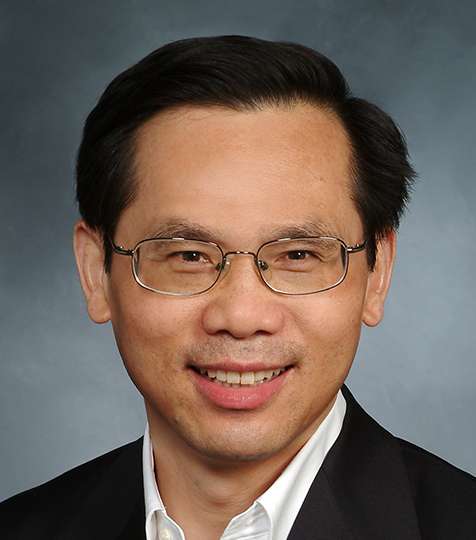
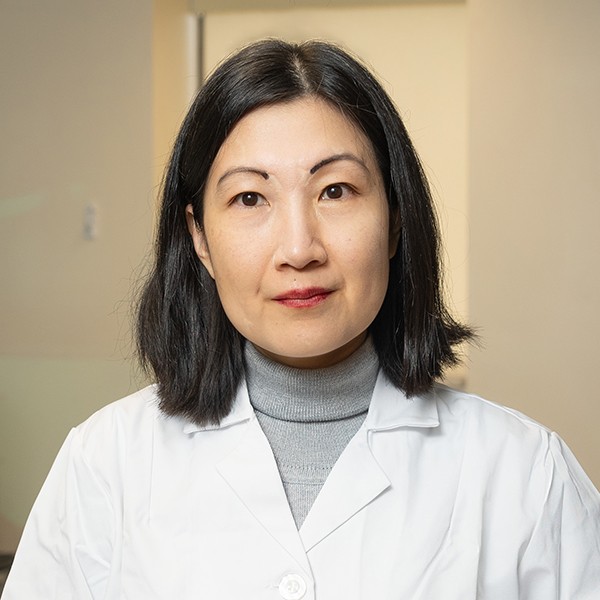
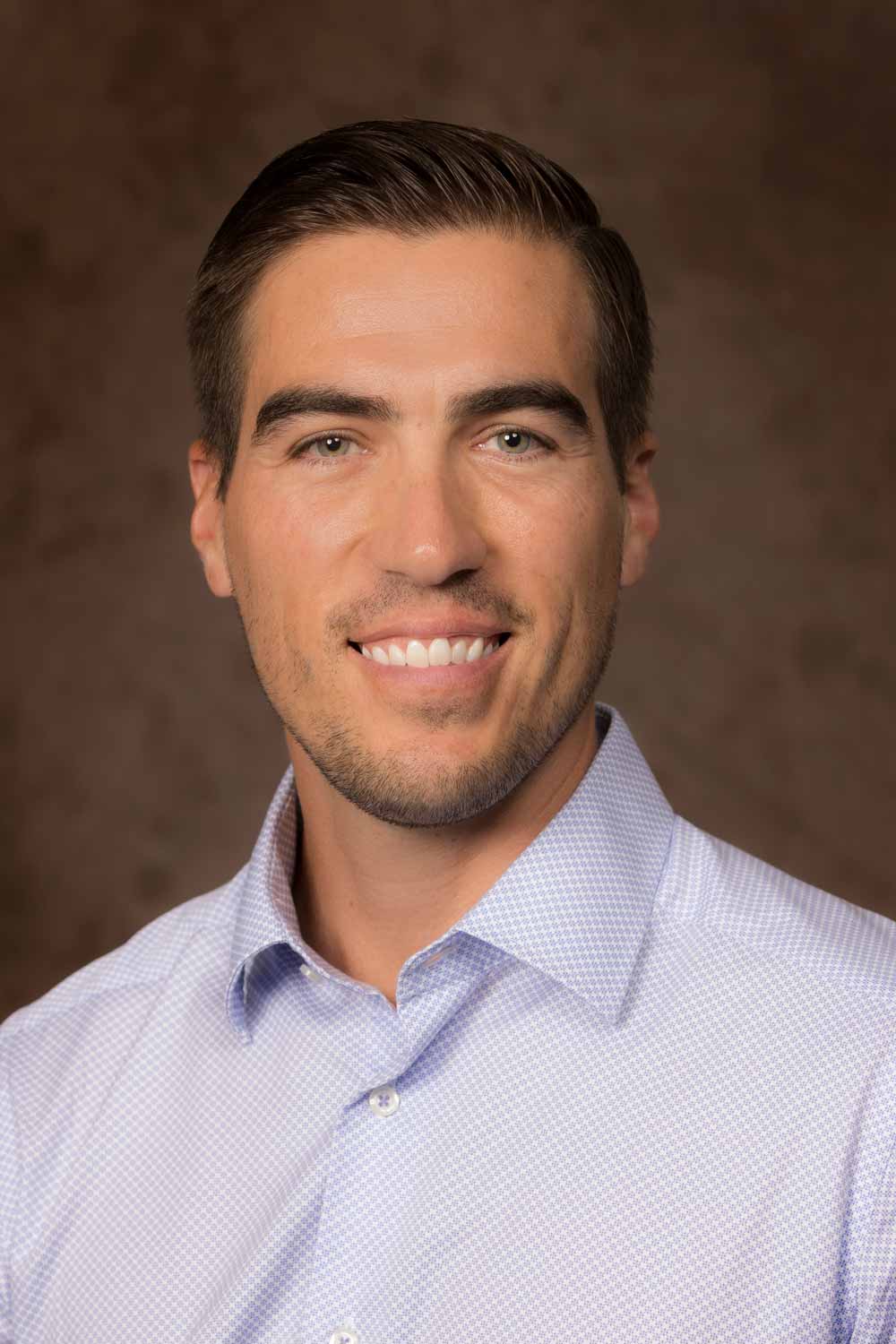
Anthony Brown is an Associate Professor in the Department of Cell and Developmental Biology at Weill Cornell Medical College, part of the Graduate School of Medical Sciences. He has been a faculty member since 1987 and currently serves as Director of the Office of Medical Student Research.
Education:
- B.A. in Natural Sciences (Genetics), University of Cambridge, 1977
- M.A., University of Cambridge, 1980
- Ph.D. in Molecular Biology, University of Edinburgh, 1982
- Postdoctoral Fellow, University of California, San Francisco (with Harold Varmus)
- Postdoctoral Fellow, University of Strasbourg (with Pierre Chambon)
Dr. Brown's research focuses on the Wnt family of signaling proteins and their roles in tissue development, homeostasis, and cancer. His work has significantly advanced the understanding of both canonical and non-canonical Wnt pathways, particularly in breast and colorectal cancers. He has shown that Wnt signaling contributes to oncogenesis through mechanisms involving stem-like cells, epithelial-to-mesenchymal transition, and crosstalk with other signaling cascades such as TGFβ. His research employs diverse models including cell culture, organoids, mouse models, and patient-derived tissues.
His recent publications reveal a strong emphasis on Wnt signaling in cancer stem cells, metastasis, and signal transduction mechanisms. Trends include the role of Wnt in tumor microenvironments, regulation of ribosomal DNA, and therapeutic targeting of multiple pathways simultaneously. His work frequently appears in high-impact journals such as PNAS, Cancer Research, and Development.
Scientific Awards:
- Royal Society European Science Exchange Fellowship
- Medical Research Council (U.K.) Travelling Fellowship
- Cornell Scholars Award
- Andrew W. Mellon Teacher-Scientist Award
- Pew Scholar in the Biomedical Sciences
- Irma T. Hirschl Career Scientist Award
- WCM Awards for Teaching Excellence
- WCM Awards for Excellence in Medical Education
Dr. Brown has been actively involved in grant-funded research, including as a Co-Investigator on the Clinical and Translational Science Center (UL1) grant awarded by the National Center for Advancing Translational Sciences (2022–2027). He collaborates with a broad network of co-investigators across disciplines. He also mentors students and contributes to medical education, reflecting his dual commitment to research and teaching. His laboratory investigates Wnt signaling mechanisms and their implications for cancer therapeutics.