Adeline Harant is a Senior Research Assistant at The Sainsbury Laboratory, University of East Anglia. Her research focuses on plant-microbe interactions, immune receptor engineering, and fungal pathogen genomics, with a particular emphasis on agricultural disease resistance mechanisms. Current affiliation: The Sainsbury Laboratory, University of East Anglia Research areas: Plant Biology, Genetics, Bioengineering, Microbiology Harant's work explores plant immune receptor dynamics and fungal pathogen evolution, combining molecular biology with bioengineering approaches to enhance crop disease resistance. Her research on NLR receptors and horizontal gene transfer in plant pathogens has been widely cited and shared across scientific networks. Recent publications highlight trends in: Designing plant immune receptors (NLRs) with improved pathogen detection Understanding genomic evolution in clonal fungal pathogens Developing nanobody-based strategies for disease resistance Mapping plant-pathogen coevolution through genetic analysis
Silvia Tejada Gavela is a full-time Associate Professor in the Department of Biology at the University of the Balearic Islands (UIB), where she also serves as Deputy Director in Physiology. She is actively involved in teaching and research across multiple faculties, including Biology, Pharmacy, Physiotherapy, and Nutrition. Her academic and research profile is deeply interdisciplinary, spanning physiology, biochemistry, neuroscience, and environmental science. Education: Double degree in Biology and Biochemistry Ph.D. in Basic Medical Sciences, University of the Balearic Islands (UIB) Research Interests: Her primary research areas include sleep physiology, biological rhythms (chronobiology), linear and nonlinear analysis of time series, oxidative stress biomarkers and regulation, minimally invasive surgical techniques, growth plate studies, and aquatic ecotoxicology. She integrates physiological, biochemical, and ecological approaches in both animal and human health contexts. Publication Trends: Her recent scholarly work reflects a strong focus on oxidative stress in marine and clinical settings, neuropharmacology of wake states, surgical innovations, and the physiological and nutritional basis of health. The interdisciplinary nature of her research is evident in publications spanning neuroscience, orthopedics, toxicology, and nutrition. She has published 51 articles in international journals, with several in the first quartile. Scientific Contributions: Principal Investigator in the Neurofisiol R&D group Member of FI-TRACE and ECOINT research groups 67 oral/poster presentations at major scientific societies (SEBBM, SFRR, ERAS, EPOS, EFORT, SECF) Participant in 21 competitive research projects and 3 teaching innovation projects (PI in one each) Two research stays at prestigious institutions (Nijmegen, Tenerife) Advising and Grants: She is currently supervising doctoral theses in Nutrition, Neuroscience, Translational Public Health, and Plant Biology. She has led funded projects through National Plans, FIS, and CAIB special actions, including public administration research contracts. Her teaching spans undergraduate and master's levels in biology, physiotherapy, and nutrition. Laboratories and Research Teams: She leads the Neurofisiology (Neurofisiol) research group and is an active member of FI-TRACE (Flow Injection and Trace Analysis) and ECOINT (Interdisciplinary Ecology), fostering collaborative, multidisciplinary research in physiology, analytical biochemistry, and environmental health.
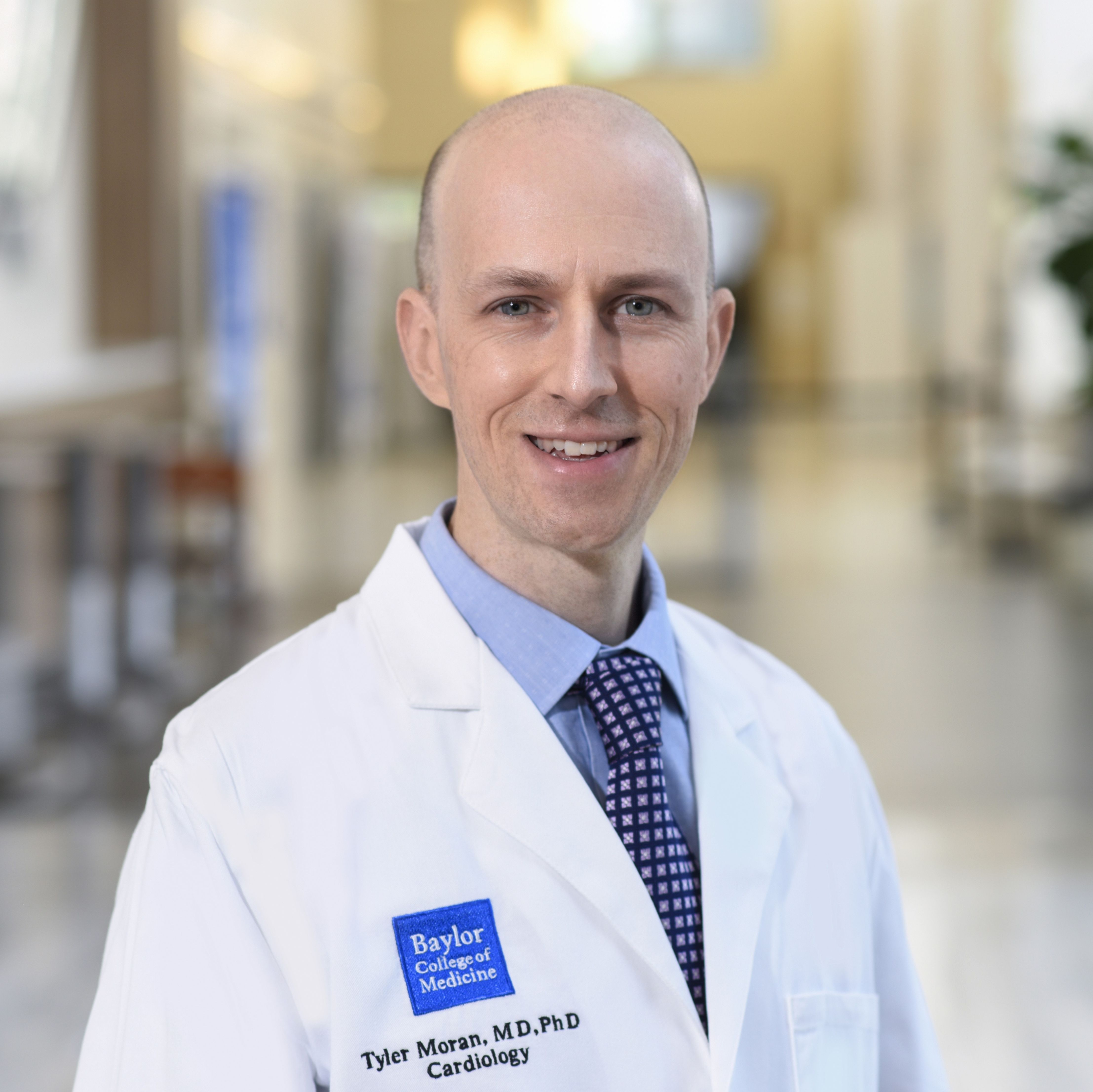
Tyler B Moran, M.D., Ph.D., is an Assistant Professor in the Department of Medicine – Cardiology at Baylor College of Medicine. He is also a member of the Dan L. Duncan Comprehensive Cancer Center. Dr. Moran is a non-invasive cardiologist at the Baylor Heart Clinic with a focus on general cardiology, disease prevention, and cardio-oncology. He serves as the Director of Research for the cardiology fellowship program and is actively involved in training medical students, residents, and fellows. His research spans two major domains: molecular mechanisms in hematopoiesis and transcriptional regulation from his early work, and clinical cardiology with a focus on cancer-related cardiovascular complications. His early research involved studying transcription factors such as GATA-1, RUNX1, and FOG-1 in blood cell development, using models like zebrafish and mouse systems. More recently, his work has transitioned into clinical and translational cardiology, particularly in managing acute coronary syndromes in cancer patients, pericardial disease, and myocardial protection strategies during ischemia-reperfusion injury. His publications reflect a trajectory from basic science to clinical applications in cardiovascular medicine. The trend in his publications shows a shift from fundamental molecular biology (2004–2012) to focused clinical cardiology and cardio-oncology (2020–2025), indicating evolving expertise bridging laboratory science and patient care. His work in both domains emphasizes mechanistic understanding and therapeutic implications. Professional Training and Education: MD-PhD, University of Illinois at Urbana-Champaign – Molecular and Integrative Physiology Residency: Internal Medicine, The Ohio State University Fellowship: Cardiovascular Disease, Baylor College of Medicine Scientific Contributions: Extensive research on transcriptional regulation in hematopoiesis Leadership in cardio-oncology research and education Prominent publications in journals such as Molecular Cell , Genes & Development , Blood , and Current Cardiology Reports Dr. Moran advises trainees through his role as Director of Research in the cardiology fellowship and contributes to institutional research development. He does not currently list named students or grants, but his leadership role implies active mentorship. He is affiliated with the Division of Cardiology and the Dan L. Duncan Comprehensive Cancer Center, where he integrates cardiovascular and oncology research. His future work is likely to expand in cardio-oncology, metabolic cardioprotection, and clinical outcomes in high-risk cardiovascular populations.
Robert Stendel is a Research Fellow at the Max Planck Institute for Comparative Public Law and International Law (MPIL) since 2023, focusing on Public International Law , Sanctions , and State Immunity . He is affiliated with the University of Melbourne as a Visiting Researcher (2025) and part of their Laureate Research Program in Global Corporations. His academic career includes research assistantships at MPIL and the Institute of German, European and International Criminal Law and Criminal Procedure Law.
Alexander H. Montgomery is a Professor of Political Science at Reed College in Portland, Oregon. He serves as Chair of the International Affairs & Political Policy (IA&PP) program and the Center for Political and Policy Studies (CPPC). Additionally, he is a Nonresident Senior Fellow at New America, focusing on international relations, social network analysis, science and technology studies, and weapons of mass destruction. His research interests span nuclear politics, strategic stability, and the intersection of emerging technologies with international security. He has authored numerous publications analyzing proliferation networks, conflict escalation dynamics, and the role of norms in warfare. His work often employs network analysis methodologies to explore complex political systems. Montgomery teaches courses on WMD Proliferation and Network Analysis at Reed College. His academic contributions include critiques of futurism in defense policy and examinations of noncombatant immunity norms. He maintains an active presence on Bluesky, engaging with current events and energy policy discussions. He holds a PhD in Political Science and has held research affiliations with institutions such as the Center for International Security and Cooperation (CISAC) at Stanford University. His email is ahm@reed.edu, and his professional page is available at alexmontgomery.com.
Dr. Adriana Boersner Herrera is an Assistant Professor of Political Science at The Citadel since 2023. She teaches International Politics, Latin American Affairs, and Democracy and Dictatorship. Her academic background includes a Ph.D. in Political Science from the University of Missouri, an M.A. in Political Science from Universidad Simón Bolívar (with honors), and a B.A. in International Studies from Universidad Central de Venezuela. Her research focuses on Venezuelan politics , Russia-Latin America relations , authoritarian regimes , and comparative foreign policy . Recent work explores Maduro's foreign policy strategies, Russian influence in Latin America, and the intersection of domestic and international factors in authoritarian consolidation. Her publications (2020–2025) analyze topics such as Venezuelan authoritarianism, Russian strategic alliances, and regional geopolitical dynamics. Articles often combine historical analysis with contemporary case studies, emphasizing how authoritarian states leverage international ties to survive domestic crises. No scientific awards or grants are explicitly mentioned in the provided texts. She has no listed advisees, though her research areas suggest potential supervision of students focusing on Latin American politics, authoritarianism, or Russian foreign policy. Dr. Boersner Herrera’s work bridges academic rigor with real-world policy implications, offering critical insights into how authoritarian regimes navigate global systems despite economic and political sanctions.
Professor William A. Coetzee holds appointments in four departments at NYU Grossman School of Medicine: Pathology, Biochemistry and Molecular Pharmacology, Neuroscience, and Pediatrics. His research focuses on ion translocation mechanisms, particularly the ATP-sensitive potassium (KATP) channel, which bridges intracellular metabolism with membrane excitability. The Coetzee Laboratory investigates KATP channels in cardioprotection , blood flow regulation , and immune cell function , using patch clamping , biochemistry , and genetically engineered mouse models . Collaborative work with the New York City Office of the Chief Medical Examiner explores genetic variations in ion channel genes linked to sudden unexplained death. Recent publications highlight his work on KATP channel roles in immunity, Rab35-mediated endocytic recycling, sirtuin-cardioprotection interactions, and novel channel activators. Collaborative studies emphasize channel trafficking dynamics in cardiac and immune systems. Contact: William.Coetzee@nyulangone.org | Lab: Coetzee Laboratory
Thomas Dohlman is an Assistant Professor of Ophthalmology at Harvard Medical School , affiliated with the Department of Ophthalmology at Boston Children's Hospital. He earned his MD from the University of Massachusetts Medical School and holds a BS from MIT. Education BS, Massachusetts Institute of Technology MD, University of Massachusetts Medical School Dr. Dohlman is a clinician-scientist specializing in corneal and external eye diseases , with active research in corneal immunology , transplantation , and ocular surface disorders . His work bridges basic science and clinical applications, focusing on immune modulation in graft survival and fibrosis prevention. Recent publications highlight his expertise in uveitis treatment , limbal stem cell transplantation , and neurotrophic keratopathy . He employs murine models to study transplantation immunology and develops novel therapies like alpha-Melanocyte Stimulating Hormone for corneal protection. Dr. Dohlman's clinical practice includes managing pediatric corneal diseases , dry eye , and ocular trauma . He is part of Boston Children's Hospital's multidisciplinary ophthalmology team with national leadership in pediatric cataract surgery and retinal disease management. Key Research Trends Immune regulation in corneal grafts Neuropeptide-based ocular therapies Stem cell applications for ocular surface repair Epidemiology of corneal opacity Anti-vascular endothelial growth factor treatments
Dr. Ben Adams is a Senior Lecturer in the Department of Mathematical Sciences at the University of Bath, where he also serves as Co-Director of the Centre for Mathematical Biology, Centre for Networks and Collective Behaviour, and the EPSRC Centre for Doctoral Training in Statistical Applied Mathematics (SAMBa). His research spans mathematical biology, epidemiology, and population dynamics, with a particular focus on infectious disease modeling. Adams' research interests center on mathematical approaches to understanding disease transmission dynamics, particularly for vector-borne diseases like dengue fever and Lyme disease. His work integrates mathematical modeling , epidemiological analysis , and ecological principles to study how diseases spread through populations. His research has examined household transmission patterns, seasonal forcing effects on disease outbreaks, human mobility impacts on epidemics, and host-pathogen interactions in complex disease systems. A recurring theme in his work is understanding how environmental and demographic factors influence disease dynamics. His publication record shows a consistent trajectory of impactful research with significant citation metrics, including several highly-cited papers on dengue fever modeling published in the 2000s that continue to influence the field. Recent work has expanded into wastewater-based epidemiology, migratory species dynamics, and tick-borne disease systems. His research often involves interdisciplinary collaboration across mathematics, biology, ecology, and public health. Dr. Adams has supervised multiple graduate students (5 supervised works noted) and has been involved in significant research projects, including work on wastewater-based epidemiology for global health risk forecasting published in Environment International (2022) with 28 citations and multiple policy impacts. He is actively involved with research centers including the Centre for Mathematical Biology and Centre for Networks and Collective Behaviour at the University of Bath, contributing to collaborative research efforts in mathematical approaches to biological and epidemiological problems.
Nicholas Zorko, MD, PhD, is an Assistant Professor of Medicine at the University of Minnesota. His work centers on advancing NK cell-based immunotherapies for prostate and other solid tumors, with a focus on B7-H3 and PSMA-targeted tri-specific killer engagers (TriKEs). Research Interests Targeting B7-H3 and PSMA in prostate cancer immunotherapy Enhancing NK cell function in "cold" tumor microenvironments Development of off-the-shelf CAR NK cell therapies Investigating HLA class I expression and immune evasion mechanisms Scientific Contributions The 15 most recent publications (2025-2023) demonstrate expertise in tumor immunology, tri-specific antibody engineering, and pan-cancer therapeutic strategies. Key trends include optimizing radioligand therapy for prostate cancer, characterizing immune cell infiltration in solid tumors, and addressing adverse events in T-cell and NK cell therapies.
Dr. Corinne Benakis is an independent group leader at the Institute for Stroke and Dementia Research (ISD) of Ludwig Maximilians University Munich . Her research focuses on the Gut-Brain Axis , Neuroimmunology , and Stroke Pathophysiology , with a particular emphasis on how gut microbiota-derived metabolites and immune cells influence stroke outcomes and post-stroke comorbidities. Education: PhD in Neuroscience (2011), University of Lausanne, Switzerland Master in Biochemistry (2005), University of Geneva Master internship in Neuroscience (2006), University of Queensland, Australia Her lab employs a multidisciplinary approach, combining metabolomics , metagenomics , flow cytometry , and transgenic mouse models to explore the bidirectional communication between the gut microbiome and the brain. Recent publications highlight her work on microbiota analysis toolboxes , environmental toxins , and T cell-microglia interactions in stroke recovery. Scientific Awards & Fellowships: SyNergy Postdoc Award (2020) ImmunoStroke Postdoc Female Award (2020-2021) Marie Sklodowska-Curie Fellowship (2016-2020) Swiss National Science Foundation Fellowship (2012-2016) PhD Excellence Prize, Amicitia Foundation (2011) Research Collaborations & Grants: She has secured funding from the German Research Foundation (DFG) , including a grant for her lab (2019-2022), and contributes to collaborative projects like the Transregional Collaborative Research Centre TRR 355 and ERA-NET Neuron .
Arthur Liesz is a Professor of Stroke-Immunology at the Faculty of Medicine, Ludwig-Maximilians-Universität (LMU) Munich, and leads the Liesz Lab at the Institute for Stroke and Dementia Research (ISD). He is a full member of the Graduate School of Systemic Neurosciences (GSN) and holds a senior consultant position in Neurology at LMU Hospital. His research is centered on the complex bidirectional interactions between the brain and immune system after stroke, with a strong emphasis on translational impact. Professor for Stroke-Immunology, LMU Munich (2020–present) Senior Consultant in Neurology, ISD, LMU Hospital (2020–present) Board Certified in Neurology, Medical Board of Bavaria (2019) Habilitation: Immunological Mechanisms in Acute Brain Ischemia (2016) Medical Degree: Universities of Würzburg & Heidelberg (2003–2010) Training in Experimental Immunology, DKFZ Heidelberg (2006–2009) His research focuses on neuroinflammation, trained immunity, inflammasome activation, and systemic immunomodulation after stroke. He investigates how immune responses affect neuronal damage and recovery, and how brain injury leads to long-term changes in peripheral immunity, including secondary organ damage. His lab uses advanced models of brain ischemia, transgenic animals, and cutting-edge immunological and imaging techniques. The recent publications of Arthur Liesz reflect a strong trend toward understanding chronic and systemic consequences of stroke, particularly the role of trained immunity and inflammasome activation in driving remote organ dysfunction and recurrent vascular events. His 2024 papers in Nature and Cell highlight the importance of DNA-sensing inflammasomes and innate immune memory in post-stroke complications, marking a shift from acute to chronic and systemic perspectives in stroke research. ERC Starting Grant (2018) Science Award (Pette Prize), German Neurological Society (2020) Young Investigator Award, European Stroke Organization (2015) Speaker, DFG Research Unit FOR2879 'ImmunoStroke' (2022–2025) Organizer, EMBO Workshop 'Stroke-Immunology' (since 2020) Local Chair, European Stroke Organization Conference (2023) Liesz has mentored numerous PhD and postdoctoral students, many of whom have gone on to independent research or industry roles. His lab is supported by major grants from the DFG (including CRC TRR274, CRC1123, SPP2395), the European Research Council, and the SyNergy Excellence Cluster. He leads a multidisciplinary team investigating brain-immune crosstalk, with active projects on microglia, T cells, the choroid plexus, and systemic immunity. The Liesz Lab is a dynamic and international research group based at the Center for Stroke and Dementia Research in Munich. It includes postdoctoral fellows, PhD students, and technical staff working on diverse aspects of stroke immunology. The lab fosters a collaborative environment with strong translational goals and active participation in multicenter and interdisciplinary projects such as the DEMDAS Study Group.
Professor Jonathan Dworkin is a distinguished faculty member in the Department of Microbiology & Immunology at Columbia University's Vagelos College of Physicians and Surgeons. His research program investigates fundamental mechanisms of bacterial survival under stress, with particular emphasis on quiescent cell physiology and antibiotic tolerance phenomena. As a Fellow of the American Association for the Advancement of Science, he maintains an active laboratory employing multidisciplinary approaches spanning genetics, biochemistry, and single-molecule biophysics. Dr. Dworkin's research focuses on how bacteria survive nutrient limitation and other stresses through downregulation of protein synthesis, with major contributions to understanding ribosome hibernation via ppGpp signaling and Hibernation Promoting Factor. His work reveals how these molecular mechanisms contribute to antibiotic persistence and tolerance in pathogens. Current investigations examine nucleotide signaling networks, ribosome dimerization, and Ser/Thr phosphorylation systems that regulate bacterial dormancy. His recent publications demonstrate significant contributions to structural microbiology, bacterial signaling, and persistence mechanisms. Key findings include elucidating the structural basis of peptidoglycan synthesis complexes, demonstrating transcriptional regulation of ribosome hibernation, and characterizing how phosphorylation networks drive phenotypic variation in antibiotic tolerance. His laboratory employs innovative techniques including single-molecule imaging, in vitro reconstitution, and chemical biology approaches. Fellow, American Association for the Advancement of Science Professor Dworkin maintains an active research program with substantial grant funding supporting investigations into bacterial persistence mechanisms. His laboratory serves as a training ground for graduate students and postdoctoral researchers pursuing careers in microbiology and infectious disease research. While specific student names aren't listed in available materials, his publications show consistent mentorship of junior researchers through co-authorship on significant publications. The lab maintains strong collaborations with structural biologists and chemical biologists to advance understanding of bacterial stress survival. Dr. Dworkin's laboratory investigates fundamental questions of bacterial physiology with implications for antibiotic development. His team employs a comprehensive toolkit including genetic manipulation, biochemical reconstitution, single-molecule microscopy, and structural analysis to dissect molecular mechanisms of persistence. Current work focuses on ribosome protection systems, nucleotide signaling networks, and phosphorylation cascades that regulate bacterial dormancy states.
Professor Teresa Lambe serves as Calleva Head of Vaccine Immunology and Professor of Vaccinology & Immunology at the University of Oxford, based in the Department of Paediatrics within the Medical Sciences Division. She is a Principal Investigator at the Oxford Vaccine Group and leads The Lambe Group, focusing on vaccine development against emerging pathogens to prevent epidemics through rational immunological design. Her research centers on delineating protective immune responses post-infection and vaccination, with emphasis on long-lived immunity and outbreak pathogen countermeasures. Key interests include vaccine development for Ebola, Marburg, Crimean-Congo hemorrhagic fever, and coronaviruses , utilizing viral vector platforms like ChAdOx1 to create rapid-response vaccines. Her work bridges preclinical immunology and clinical translation for pandemic preparedness. Recent 2025 publications demonstrate her group's leadership in advancing vaccines across multiple threat categories, from COVID-19 booster strategies to bivalent filovirus vaccines and One Health approaches for Nipah virus. This portfolio reflects a consistent focus on high-impact translational vaccinology targeting WHO priority pathogens. Scientific recognition includes: honorary OBE for services to Sciences and Public Health (2021 Queen's Birthday Honours) Presidential Distinguished Service Award for the Irish Abroad (2022) As lead for the Oxford/AstraZeneca COVID-19 vaccine development (co-designer, preclinical lead), Lambe's team has driven multiple candidates into WHO-backed outbreak responses, including ring vaccination trials for Ebola in Uganda and Marburg virus countermeasures. Her group secures significant translational research funding for clinical-stage vaccine development against tier-1 pandemic threats. The Lambe Group operates within the Oxford Vaccine Group infrastructure, collaborating with the Jenner Institute and WHO emergency programs to advance vaccine candidates from bench to outbreak deployment, with current clinical trials spanning four viral hemorrhagic fever platforms.
Professor Andrew McMichael is a distinguished academic in the Nuffield Department of Medicine at the University of Oxford . With over 50 years of experience in immunology, he has been pivotal in elucidating T cell immune responses, particularly focusing on HLA-restricted CD8 T cells and their role in HIV infection and vaccination strategies. Professor of Molecular Medicine Member of Nuffield Department of Medicine Collaborator with OHSU's Louis Picker His research spans three decades, transitioning from influenza to HIV studies, and currently centers on HLA-E restricted immune responses and their potential in universal immunotherapies. Key areas include: Analysis of early immune responses in HIV infection Investigation of viral escape mechanisms through epitope mutation Development of CMV-vectored SIV vaccines with HLA-E restricted T cells Structural studies of HLA-E-peptide complexes using crystallography and SAXS Exploration of non-classical HLA molecules in immune regulation Translational approaches to harness cellular immunity for vaccine design Publications highlight his team's work on HLA-E ligand diversity , NK cell modulation , and HLA-B*27 autoimmunity connections. Collaborations with Adrian Hill, Sarah Gilbert, and Tomas Hanke demonstrate his integrative approach to medical science. His laboratory continues to pioneer research on virus-specific and tumor-specific HLA-E restricted T cells , aiming to develop broadly applicable immunotherapies due to HLA-E's limited polymorphism.