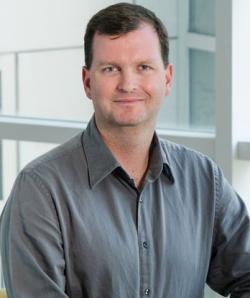
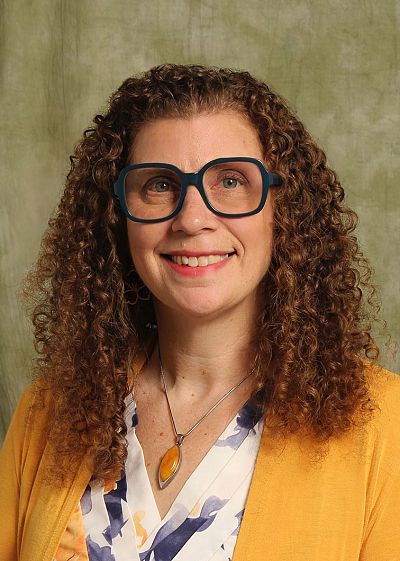
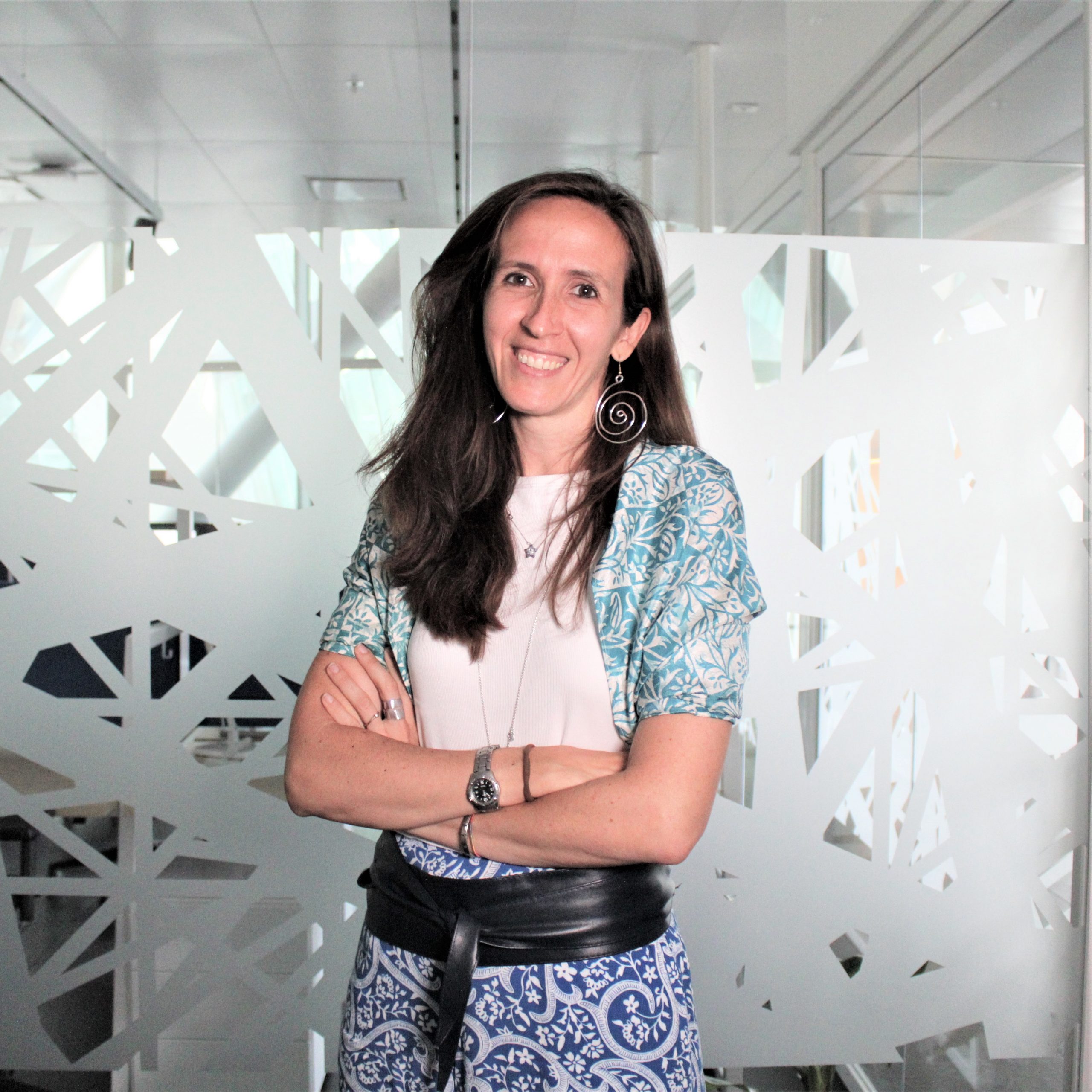
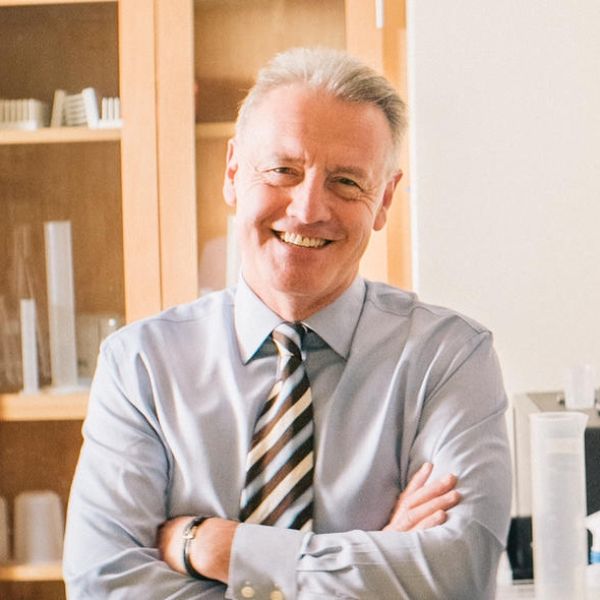
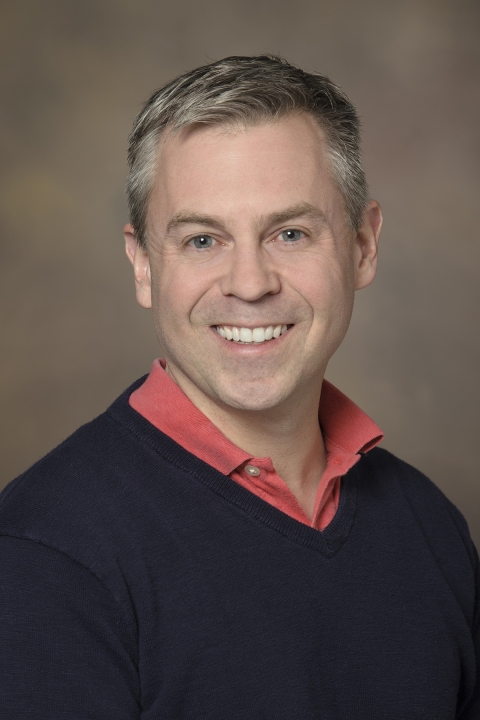
Dr. Chris A. Flask is a Professor at the Case Western Reserve University School of Medicine, with joint appointments in Radiology, Pediatrics, and Biomedical Engineering. He serves as Co-Director of the Imaging Research Core and Associate Director of the Medical Scientist Training Program, while also contributing to the Cancer Imaging Program at the Case Comprehensive Cancer Center. Research Focus Quantitative Magnetic Resonance Imaging (MRI) MRI Physics and Pulse Sequence Design Lung Imaging in Cystic Fibrosis Kidney Imaging in Polycystic Kidney Disease, Sickle Cell Disease, and Diabetic Nephropathy Liver Imaging for Inflammation and Fibrosis Scientific Recognition Distinguished Investigator Award 2023 from The Academy for Radiology and Biomedical Imaging Research Reviewer with Distinction for Magnetic Resonance in Medicine Semi-Finalist for ISMRM Young Investigator Award 2013 His recent publications focus on pH-responsive imaging agents, MR fingerprinting techniques, and applications in pediatric and adult diseases. Dr. Flask's work bridges technical MRI innovation with clinical translation across multiple organ systems.
David Wishart is a Distinguished University Professor at the University of Alberta, holding dual appointments in the Faculty of Science (Biological Sciences) and the Faculty of Medicine & Dentistry (Department of Laboratory Medicine & Pathology) . He specializes in bioinformatics, metabolomics, and computational biology, with a focus on developing tools and databases such as PathBank, DrugBank, and MetaboAnalyst. His research interests include biomarker discovery for diseases like cancer and neurological disorders, metabolomics-driven precision medicine, and the development of standardized analytical protocols for NMR-based metabolomics. He teaches advanced courses in bioinformatics (BIOIN 301/401 and BIOL 501) and collaborates across disciplines, including computing science and veterinary medicine. Recent work emphasizes clinical validation of metabolite markers for early cancer detection, metabolomic analysis of animal health, and integration of metabolomic data with digital health systems. His contributions to open-source bioinformatics tools have been pivotal in advancing metabolomics research globally.
Simon Liang serves as an Assistant Professor in the Department of Medicine at the University of Minnesota School of Medicine, specializing within the Gastroenterology, Hepatology, and Nutrition Division. His research integrates genome editing technologies with cancer therapeutics, focusing on ADAR1-mediated RNA editing pathways in hematologic and solid tumors. Dr. Liang's research interests center on developing CRISPR-based therapeutic strategies for cancer treatment, with particular emphasis on ADAR1 inhibition as a novel approach for acute myeloid leukemia and prostate cancer. His work bridges genome editing , epigenetic regulation , and RNA biology to address therapeutic resistance mechanisms. Key technical expertise includes prime editing optimization, CRISPR delivery systems (particularly AAV vectors), and methylation analysis. Analysis of his publication trends reveals a strategic evolution from foundational CRISPR methodology development (2019-2021) toward therapeutic applications in oncology (2022-2025), with increasing focus on translational models including non-human primates. His most impactful recent work demonstrates ADAR1's critical role in cancer cell survival across multiple malignancies. While specific awards aren't documented in the profile, his research has garnered significant attention with PlumX metrics showing: Multiple publications picked up by news outlets Substantial social media engagement (X, Bluesky) High Mendeley reader counts indicating scholarly impact Scopus citations accumulating rapidly for 2024-2025 publications Dr. Liang actively collaborates across disciplines as evidenced by co-authorship with experts in virology, oncology, and gene therapy. His work contributes to UN Sustainable Development Goals related to good health and well-being through development of precision cancer therapeutics. Current research directions include advancing prime editing for clinical translation and exploring ADAR1 inhibitors in combination therapies.
Isaac T Schiefer is a Professor in the Department of Medicinal and Biological Chemistry at the University of Toledo College of Pharmacy and Pharmaceutical Sciences. He serves as Director of the Center for Drug Design and Development (CD3) and Associate Director of the Shimadzu Laboratory for Pharmaceutical Research Excellence. Research Focus : Neuropharmacology, drug design, nitric oxide mimetics, zebrafish models, and gut-brain axis interactions Key Techniques : Photoaffinity labeling, LC-MS metabolomics, neurobehavioral analysis His recent work examines: Allosteric modulation of M1 receptors in zebrafish neurotoxicity Impact of gut bacterial short chain fatty acids on cardiovascular function Hybrid NO mimetics for neurodegenerative diseases SPC toxicity mechanisms using zebrafish models Pharmacokinetics of brain-penetrant compounds Publications demonstrate expertise in: Drug metabolism via sulfotransferases Neuroprotective agent development Pharmaceutical microbiome interactions Calpain inhibition for Alzheimer's disease
Tracy Brooks is the Chair and Associate Professor of Pharmaceutical Sciences at Binghamton University's School of Pharmacy and Pharmaceutical Sciences, holding the Menner Family Endowed Faculty Fellowship. She specializes in oncology and anti-cancer therapeutics, focusing on drug target development through DNA and protein interactions. Her research emphasizes G-quadruplex stabilization in oncogene promoters to regulate transcription, with applications in pancreatic, prostate, and breast cancers. Education: Bachelor of Science (BS) from the University of Rochester Doctor of Philosophy (PhD) from the University at Buffalo (SUNY) Research Interests: Tracy's work centers on developing novel therapies targeting oncogenes like KRAS and MYC. She explores G-quadruplex structures in promoter regions to inhibit cancer cell proliferation, leveraging small molecules and oligonucleotides. Her lab also investigates nucleic acid delivery systems and the role of epigenetic modifications (e.g., 5-hydroxymethylcytosine) in DNA structure stability. Recent Article Trends: Her publications (2020–2025) highlight advancements in G-quadruplex ligand design, antibody-drug conjugates (ADCs), and combinatorial therapies targeting KRAS/MYC pathways. Key themes include optimizing ADC stability, validating G-quadruplex-based approaches for pancreatic cancer, and exploring transcriptional control mechanisms. Awards: Inaugural Menner Family Endowed Faculty Fellow (2017) Advising & Grants: While specific grant details are not listed, her research has consistently addressed translational oncology challenges. She advises students on projects involving molecular pharmacology and drug delivery, emphasizing cross-disciplinary approaches. Labs & Teams: Her lab focuses on translational cancer research, collaborating with institutions like the University of Arizona and University of Mississippi on drug development and mechanistic studies.
Dr. David R Rowley is a Professor in the Department of Molecular and Cellular Biology at Baylor College of Medicine (BCM), with leadership roles as Faculty Senator, Chair of the Education Committee, Leader of the Tumor Biology Program at the Dan L Duncan Comprehensive Cancer Center, and Assistant Dean of Foundational Sciences in the School of Medicine. He holds a BS (1975) and PhD (1980) from the University of Iowa, followed by a postdoctoral fellowship at BCM. His research focuses on stromal-epithelial interactions in cancer progression, particularly prostate cancer, exploring reactive stroma myofibroblasts and their role in disease progression. He has pioneered studies on mesenchymal stem cell differentiation and tumor microenvironment dynamics, leading NCI-funded Tumor Microenvironment Network projects. Dr. Rowley is also an award-winning educator, recognized for teaching excellence and mentoring. Key awards include the Faculty Excellence Award (Fullbright & Jaworski), Presidential Award (Barbara and Corbin J. Robertson, Jr.), and The John K. Lattimer Award (American Urological Association). His work bridges basic science and clinical translation, emphasizing stromal biology's therapeutic potential. Dr. Rowley's grants include multi-investigator initiatives under the Tumor Microenvironment Network, while his educational contributions span medical and graduate student training. His lab investigates stromal biology, with a focus on prostate cancer progression mechanisms.
Dr. Salvatore Modica is a Lecturer at the Department of Health Sciences and Technology, ETH Zurich. He holds a Ph.D. from the Open University of London and has conducted postdoctoral research at ETH Zurich, the Consorzio Mario Negri Sud, and the University of Texas Southwestern Medical Center. His research focuses on adipose tissue biology, particularly the interplay between white and brown adipose tissues in energy balance, obesity, and metabolic disorders. Education: Ph.D. in Life Sciences (Open University of London, 2010), M.Sc. in Pharmaceutical Chemistry (University of Milan, 2001). Postdoctoral training included studies on lipid metabolism, colorectal cancer, and prostate cancer. Research interests center on molecular mechanisms regulating adipocyte development, thermogenesis, and white-to-brown adipocyte trans-differentiation. Key areas include metabolic diseases like obesity, type 2 diabetes, and non-alcoholic fatty liver disease (NAFLD). His work explores therapeutic strategies targeting energy expenditure through brown fat activation. Publications span adipose tissue remodeling, diet-induced metabolic disorders, and signaling pathways (e.g., ASK1, mevalonate pathway). Awards include the EASL-AASLD Young Investigator’s Bursary (2009). Modica collaborates on projects involving adipocyte dynamics, pharmacological interventions, and systems biology approaches. His research group contributes to understanding metabolic adaptations using mouse models and human studies. He is affiliated with the Institute of Food, Nutrition and Health at ETH Zurich.
Eduardo Eyras is a Professor at the Australian National University (ANU) and EMBL Australia Group Leader, leading research in computational RNA biology and cancer genomics. He directs the Centre for Computational Biomedical Sciences and is part of the Shine-Dalgarno Centre for RNA Innovation. His work focuses on transcriptome and epitranscriptome analysis using long-read sequencing, machine learning, and computational methods to study cancer mechanisms. Eyras holds a PhD in Mathematics from the University of Groningen (1999) and previously led research at the Sanger Institute and Pompeu Fabra University. Affiliations: Director, Centre for Computational Biomedical Sciences Researcher, Shine-Dalgarno Centre for RNA Innovation Member, Division of Genome Sciences and Cancer Leader, The Eyras Group - Computational RNA Biology Research Interests: Development of algorithms for long-read sequencing Machine learning applications in RNA biology Epitranscriptomic modifications and cancer Therapeutic mRNA platform steering Key Projects: Novel algorithms for transcriptome variation analysis Predictive models of RNA modifications in disease Ribosomal DNA variation analysis Advisees & Grants: Supervises PhD students (e.g., Favour Oyelami, Stefan Prodic) and leads ARC-funded projects on mRNA diagnostics and epitranscriptomic therapies. Collaborates with global teams on forensic genomics, cancer drug resistance, and AI-driven translational research. Labs/Teams: Leads the Eyras Group, collaborating with the Hannan Group (Cancer Therapeutics) and Shirokikh Group (Protein Biosynthesis).
Joshua Warrick, MD is a Professor in the Department of Pathology and Laboratory Medicine and the Department of Urology at Pennsylvania State University College of Medicine. He serves as Chief of the Division of Anatomic Pathology. His research focuses on bladder cancer, carcinogenesis mechanisms, and molecular subtypes of urothelial tumors. Dr. Warrick has authored over 87 publications and led the National Cancer Institute-funded project on transcription factors in bladder cancer. Education: Medical Degree from Wayne State University (2007), followed by residencies in Internal Medicine (2008), Pathology (2009-2012), and a fellowship in Surgical & Genitourinary Pathology at the University of Michigan (2014). Research interests include bladder cancer pathogenesis, squamous differentiation in prostate cancer, and improving diagnostic standards for urothelial carcinomas. He received the 'Outstanding Collaborative Research Team' award in 2020 for multidisciplinary work in oncology. Advising and grants: Led a 2021-2023 NCI-funded project investigating transcription factors in non-invasive bladder cancer, with a focus on aggressive tumor phenotypes. Collaborates internationally on grading systems and diagnostic reproducibility in urologic pathology. Labs and teams: Active in the Penn State Cancer Institute’s 'Mechanisms of Carcinogenesis' unit, leveraging anatomic pathology expertise to advance translational oncology research.
Eric C. Bolton is an Associate Professor in the Department of Molecular & Integrative Physiology at the University of Illinois, affiliated with the School of Molecular & Cellular Biology. His research focuses on understanding the molecular mechanisms of prostate development and neoplasia, particularly the role of androgen receptor (AR) signaling in hormone-dependent cancers and developmental pathways. He holds a PhD from Johns Hopkins University and postdoctoral training at UCSF. Research interests include the AR's role in cell proliferation/differentiation, crosstalk with growth factor pathways, and the transition from normal prostate development to cancer. He employs mouse models and organ culture systems to study prostate gland morphogenesis and AR-mediated stress responses. Recent work also explores KCNQ2 mutations linked to epileptic encephalopathy, highlighting interdisciplinary research into neuroendocrine mechanisms. Teaching includes courses on human disease mechanisms and cancer pathophysiology. Bolton's lab investigates novel therapeutic targets for prostate cancer, including non-competitive AR inhibitors and pathways regulating cellular stress responses.
Francesca Ieva serves as Associate Head of the Health Data Science Centre at Human Technopole and Associate Professor of Statistics at the Politecnico di Milano, where she leads the MOX - Modeling and Scientific Computing laboratory within the Department of Mathematics. She also co-leads the Di Angelantonio & Ieva Group, a collaborative research team focused on integrating molecular data with clinical information to advance precision medicine. Dr. Ieva received her PhD in Mathematical Models and Methods for Engineering in 2012. Her academic journey has positioned her at the forefront of health data science, bridging statistical methodology with biomedical applications. Her research focuses on statistical learning in biomedical sciences, with particular emphasis on developing advanced models for integrating complex clinical data to inform predictions in clinical decision-making. Francesca's work spans multiple domains including: Development of novel survival analysis techniques for healthcare applications Integration of DNA methylation data for cardiovascular risk prediction Application of machine learning to clinical pathway analysis in mental health Innovative approaches to polygenic risk scoring incorporating SNP interactions Development of radiomics models for cancer prognosis and treatment response Analysis of Dr. Ieva's recent publications reveals a strong trend toward federated learning approaches in healthcare data analysis, reflecting growing concerns about data privacy while maintaining analytical power. Her work increasingly integrates multiple data types (genomic, epigenetic, imaging, and clinical records) to create more comprehensive patient profiles for precision medicine applications. A notable pattern is her focus on translating complex statistical models into clinically actionable tools that can directly inform patient care and healthcare policy decisions. As Associate Head of the Health Data Science Centre at Human Technopole, Dr. Ieva oversees a research group comprising epidemiologists, statisticians, and data scientists working collaboratively to bridge the gap between genotype and phenotype. The Di Angelantonio & Ieva Group develops innovative studies that integrate biomolecular data with medical records, imaging, and portable medical device data. Her team utilizes both existing healthcare data and newly generated population-based studies, applying novel analytical methods that integrate clinical epidemiology with health research to improve data interpretation. Dr. Ieva actively mentors several PhD students including Andrea Lampis, Katherine Marie Logan, Alessia Mapelli, Michela Carlotta Massi, and Andrea Mario Vergani. Her research has been supported by collaborations with major healthcare institutions and likely receives funding from research councils and health technology initiatives, though specific grant details are not provided in the available information.
Dario C. Altieri, M.D. serves as President and Chief Executive Officer of The Wistar Institute, Director of the Ellen and Ronald Caplan Cancer Center (an NCI-designated facility), and Robert and Penny Fox Distinguished Professor leading the Genome Regulation and Cell Signaling Program. His leadership spans both administrative responsibilities and active cancer research. Born in Milan, Italy, Altieri was educated at the University of Milan School of Medicine, completed training in internal medicine, and holds a postgraduate degree in clinical and experimental hematology. His academic career includes positions at Scripps Clinic and Research Foundation (1987), Yale University School of Medicine (becoming professor with tenure in 1999), and founding chair of the Department of Cancer Biology at the University of Massachusetts Medical School (2002). He joined The Wistar Institute in 2010 as Cancer Center Director and Chief Scientific Officer, becoming President and CEO in 2015. Altieri's research focuses on cellular adaptation mechanisms or 'plasticity' exploited by cancer for disease progression. His laboratory investigates mitochondrial functions in cancer, including bioenergetics, reactive oxidative species buffering, inter-organelle communication with the endoplasmic reticulum, and retrograde gene expression. His work demonstrates that mitochondrial reprogramming is a universal cancer trait imparting unique plasticity to tumor responses across all disease stages. The lab has pioneered mitochondria-targeted cancer therapeutics, developing compounds like Gamitrinib that entered clinical trials (NCT04827810). Analysis of Altieri's recent publications (2020-2024) reveals a strategic evolution from foundational work on mitochondrial dynamics in tumor cell motility toward understanding Parkin protein's role in tumor immunity and metastasis suppression. His research spans molecular mechanisms to therapeutic applications, increasingly incorporating tumor microenvironment and immune system interactions, with direct translational impact. Altieri's laboratory team includes Research Assistant Professors Jagadish Ghosh, Ph.D. and Michela Perego, Ph.D., and Postdoctoral Fellow Minjeong Yeon, Ph.D. His research has received significant NIH funding including R35 CA220446 and R01 CA286080 grants. The laboratory employs multidisciplinary approaches spanning biochemical, cellular, and molecular techniques, xenograft and genetic animal models, and analysis of clinically-annotated patient samples. The Altieri Laboratory operates within The Wistar Institute's NCI-designated cancer center. His team discovered and characterized the survivin gene (with over 10,500 PubMed citations), establishing it as a fundamental cancer gene and therapeutic target. Recent work on Parkin's dual role in suppressing tumor traits while activating innate immunity opens new avenues for cancer immunotherapy development.
Gregory C. Rogers is a Professor in the Department of Cellular and Molecular Medicine at the University of Arizona, with additional appointments in the BIO5 Institute, Cancer Biology GIDP, and Genetics GIDP. He specializes in molecular mechanisms governing centriole duplication and centrosome instability in cancer progression. Education: BA in Biology from the University of Rochester PhD in Cell and Developmental Biology from University of California, Davis Postdoctoral training at Albert Einstein College of Medicine and University of North Carolina, Chapel Hill His research focuses on centriole duplication control, centrosome amplification/loss in prostate cancer, and the role of Polo-like kinase 4 (Plk4) in mitotic errors. Articles from 2010-2025 highlight his work on centrosome dynamics, cancer-related chromosomal instability, and Drosophila model applications. Recent studies (2023-2025) explore PIM kinase inhibition in immunotherapy, Plk4 regulation, and centrosome loss as a driver of prostate malignancy. Earlier work (2010-2019) established foundational knowledge of centriole assembly and condensin II function.
Emek Demir serves as an Associate Professor in the Department of Molecular and Medical Genetics at Oregon Health & Science University's School of Medicine, where he directs the Computational Biology program at the Brenden-Colson Center for Pancreatic Care. His academic journey includes a Ph.D. in Computer Engineering from Bilkent University (2005) under Ugur Dogrusoz and postdoctoral training with Chris Sander at Memorial Sloan Kettering Cancer Center's Computational Biology Center. Dr. Demir's research centers on Pathway Informatics, integrating detailed biological pathway information with omic data to solve cancer biology problems. His work spans pathway curation, visualization, NLP, data standardization, machine learning, and mechanistic simulation. He pioneered the BioPAX pathway data standard and developed Pathway Commons—the largest process-level pathway database with over 2 million interactions and 400,000 detailed human reactions. His publication record demonstrates consistent innovation in computational oncology, with recent work focusing on transcription factor activity prediction, spatial tumor mapping, and causal network analysis. Key contributions include algorithms for detecting altered cancer sub-networks, identifying transcription factor modulators, and inferring active networks from proteomic data. His research bridges computational methods with clinical applications in leukemia, prostate cancer, and glioblastoma. Recipient of leadership roles in major NIH-funded initiatives Principal developer of Pathway Commons and BioPAX standards Extensive collaborations with Memorial Sloan Kettering and OHSU clinical departments Dr. Demir directs a computational biology program focused on translating pathway knowledge into clinical insights for pancreatic cancer, with ongoing projects in spatial omics, multi-dimensional tumor atlases, and antiviral nanomaterial applications.
Dr. Daniel Alencar Rodrigues is a Lecturer at the Royal College of Surgeons in Ireland (RCSI) in the School of Pharmacy and Biomolecular Sciences. He holds a PhD in Chemistry from the Federal University of Rio de Janeiro and has held academic positions including Assistant Professor (2017–2018) and Postdoctoral Researcher (2020–2023). His research focuses on medicinal chemistry, organic synthesis, and cancer therapeutics, particularly targeting histone deacetylases (HDACs), phosphatidylinositol-3-kinase (PI3K), and the development of Proteolysis Targeting Chimeras (PROTACs). Education: PhD in Chemistry, Federal University of Rio de Janeiro (2015–2019) MSc in Chemistry, Federal University of Rio de Janeiro (2013–2015) Bachelor in Pharmacy, Federal University of Goiás (2008–2012) Postgraduate Diploma in Health Professions Education, RCSI (2023–2024) His research interests include: Design and synthesis of multi-target drugs and PROTACs for cancer therapy HDAC6 inhibition in breast and brain cancers Computational chemistry for drug design (molecular docking, virtual screening) Development of novel anticancer agents targeting metabolic vulnerabilities Dr. Rodrigues has received the Government of Ireland Postdoctoral Fellowship and has a robust publication record with over 20 peer-reviewed articles. His lab employs a multidisciplinary approach combining organic synthesis, computational modeling, and biological evaluation. Teaching responsibilities include lecturing in the Master of Pharmacy (MPharm) and BSc in Advanced Therapeutic Technologies programs, with a focus on musculoskeletal and haematological health modules. He emphasizes constructive alignment in teaching practices.