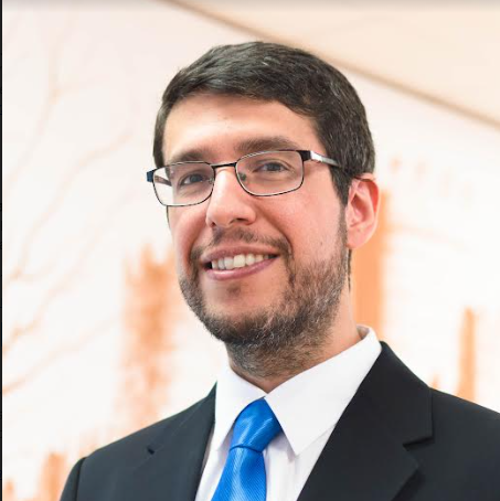
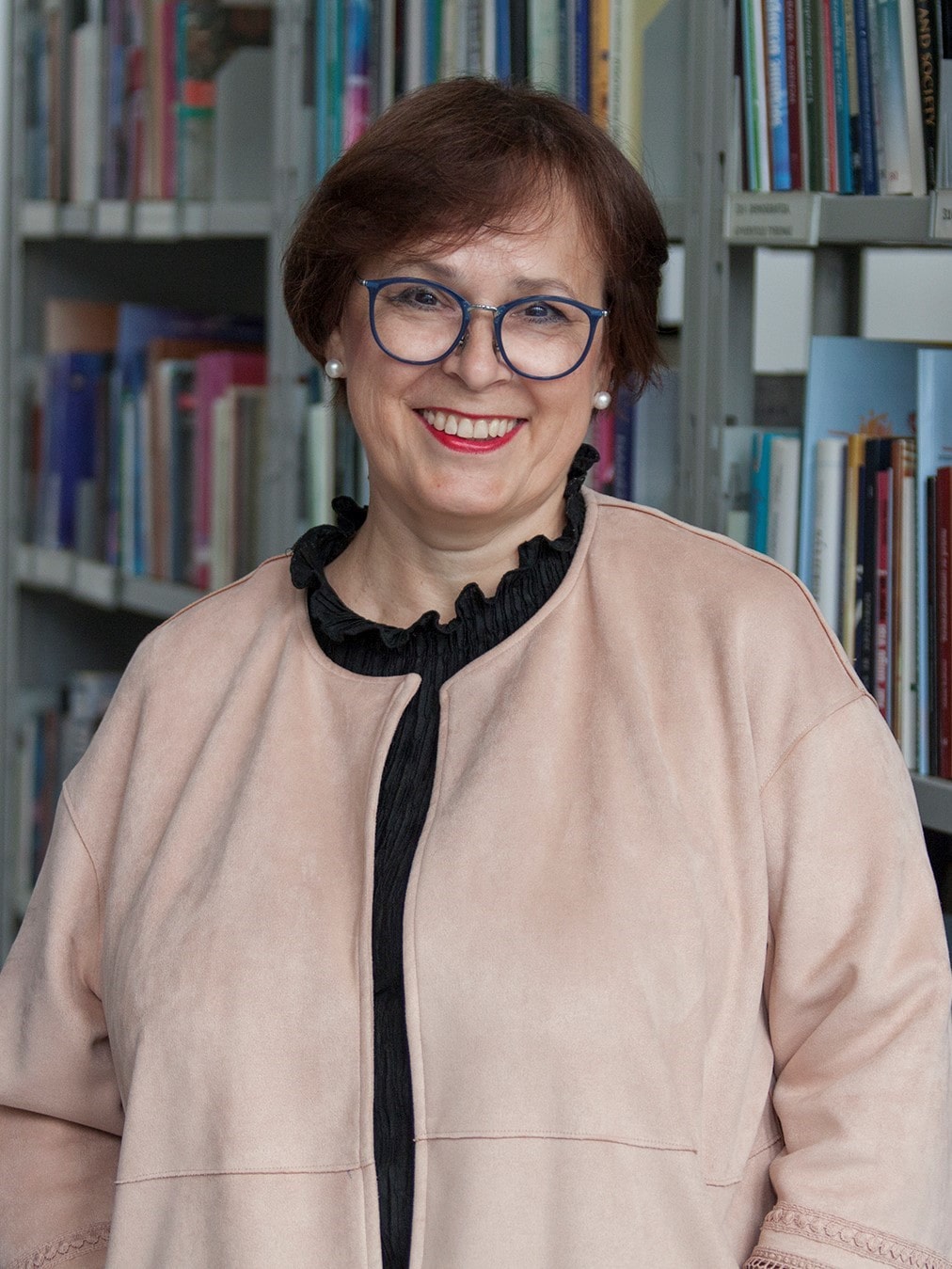
David Sanz Bas is a Lecturer at the Faculty of Social and Legal Sciences, Universidad Católica de Ávila, where he is an active member of the research group GILM (Grupo de Investigación en Economía y Filosofía Política Luis de Molina). He earned his PhD from Universidad Rey Juan Carlos in 2010 under the supervision of Dr. Jesús Huerta de Soto, with a thesis analyzing the economic debate between Friedrich Hayek and John Maynard Keynes. His research spans multiple interconnected domains: Economic Theory & History: Specialization in Austrian School economics, Hayek's contributions, cryptocurrency economics, and critiques of Keynesian theory. Political Philosophy: Intersection of economic policy with political frameworks, particularly through the Luis de Molina research group. Educational Innovation: Development of flipped learning methodologies, open educational resources, and technology-enhanced teaching in economics education. His publications demonstrate a consistent focus on cryptocurrency regulation, economic methodology, and pedagogical innovation. Recent works highlight trends in digital currency legislation, historical economic analysis (Hayek/Menger), and competency-based education models in higher education. He maintains active academic engagement through the email: david.sanz@ucavila.es.
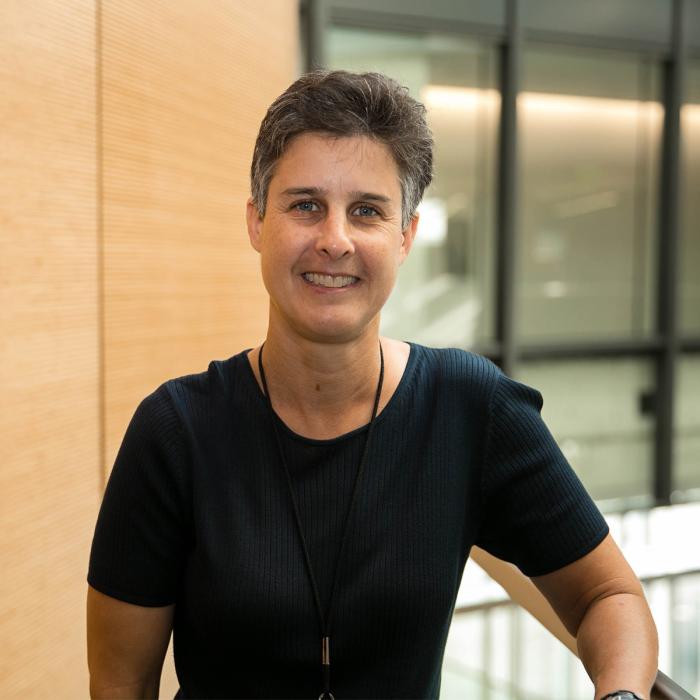
Dr. Jeanne Steiner is a Professor of Psychiatry at Yale School of Medicine and serves as Medical Director of the Connecticut Mental Health Center (CMHC). She oversees CMHC’s quality improvement, clinical risk management, and medical staff affairs, focusing on enhancing care for individuals with serious mental illness. Dr. Steiner directs the Yale Fellowship in Public Psychiatry, training psychiatrists for public-sector administrative roles, and leads the Public Psychiatry Track in Yale’s Psychiatry Residency Program. She co-edited the Yale Textbook of Public Psychiatry and co-directs the Yale Division of Public Psychiatry. Education: BA from Bennington College (1975), DO from Philadelphia College of Osteopathic Medicine (1979), Residency at Beth Israel Medical Center (1984). Research interests center on public psychiatry, including healthcare staff safety initiatives, administrative best practices, and workforce development. She collaborates with colleagues on projects addressing integrated healthcare and mental health policy. Recent work includes a 2024 study on preventing patient mistreatment of staff in community mental health settings. Leadership roles include service on the Medical Advisory Board of Sharsheret, Columbus House Inc., and the CDC’s Federal Advisory Committee on Breast Cancer in Young Women. Her contributions span clinical administration, education, and policy, emphasizing equity and system-wide improvements in mental healthcare.
Sara Wilensky is a Teaching Associate Professor and Associate Dean of Undergraduate Education at the Milken Institute School of Public Health, George Washington University. She holds a J.D. from the University of Pennsylvania and a Ph.D. in Health Policy from George Washington University. Her work focuses on healthcare access and financing for underserved populations, particularly through Medicaid and community health centers. She oversees undergraduate education programs, including majors, minors, and dual-degree offerings, and collaborates across the university to enhance student experiences. Dr. Wilensky’s education includes a Bachelor of Arts in Women and Gender Studies and Political Science from Amherst College (1993), followed by legal training and public health degrees. Her career spans academia, law, and policy, including roles as a federal judge clerk, law firm associate, and faculty member since 2002. Her research emphasizes Medicaid’s role in addressing safety-net gaps, preventive care access, and childhood obesity. She co-authored the textbook Essentials of Health Policy and Law , now in its fifth edition, and contributes to policy committees at the school and university levels. She is affiliated with the Center for Health Policy Research, Geiger Gibson Program in Community Health Policy, and the Hirsh Health Law and Policy Program. Publications highlight her focus on Medicaid policies, obesity prevention strategies, and the integration of HIV services into clinical care. She has led studies on colorectal cancer initiatives, managed care for disabled populations, and state healthcare funding trends. No scientific awards are explicitly mentioned in the provided text. Her teaching includes courses such as Introduction to Health Policy and Senior Seminar in Public Health . She actively participates in curriculum development and faculty affairs committees.
Dr. Dobrochna Futro is a Lecturer in Education at the School of Education, University of Glasgow . Her research focuses on multilingualism, translanguaging, and art-based inquiry, particularly in multilingual and migratory contexts. She explores creative methods of pedagogy and participatory research, collaborating with educators and artists globally. Dr. Futro co-leads the ELINET Language Education and Multilingualism strand and the ENROPE Language Teachers Development SIG , and convenes a cross-university Multilingualism Reading Group. Her work emphasizes the transformative potential of art in language education, including projects in Scotland, Poland, and Vietnam. She has developed CPD courses and teaching resources, such as Arts-based Language Learning: A Resource Book (2023). Dr. Futro has secured grants from institutions like the British Council and GKE Flexible Fund Award, supporting initiatives like Teaching English Multilingually through Art . She also teaches courses such as Language Learning for Children with English as an Additional Language and Which English: Sociolinguistics and Language Teaching . Her research and outreach include workshops on multilingualism and art, such as Polish through Art in Multilingual Scotland , and collaborations with organizations like Bilingualism Matters. Dr. Futro is actively involved in supervising doctoral students focusing on multilingual education and creative research methodologies.
Joseph Krajcik is the Lappan-Phillips Professor of Science Education at Michigan State University (MSU), where he also directs the CREATE for STEM Institute. He holds a Ph.D. from the University of Iowa. His research focuses on improving science education through project-based learning (PBL), curriculum design, and the integration of artificial intelligence (AI) into STEM instruction. Krajcik has authored over 100 manuscripts, books, and curriculum materials, emphasizing coherence between standards, teaching practices, and student learning outcomes. He has received significant recognition, including election to the National Academy of Education (2020), the McGraw Prize in Pre-K-12 Education (2020), and the ISDDE Prize for Excellence in Education Design (2021). His work bridges theory and practice, collaborating with teachers to develop and test innovative learning environments. Recent efforts explore AI’s role in assessment, equity, and instructional decision-making, while maintaining a strong focus on PBL’s efficacy in K-12 settings. Krajcik’s international collaborations include guest professorships at Beijing Normal University (China), Ewha Woman’s University (South Korea), and the Weizmann Institute of Science (Israel). His research spans science engagement, systems thinking, computational modeling, and culturally relevant pedagogy, particularly in underserved urban classrooms.
Dr. Gideon Boadu is a Lecturer in Secondary Curriculum & Pedagogy Education at RMIT University's School of Education. He leads programs such as the Master of Teaching Practice (Primary/Secondary Education) and focuses on history curricula, public histories, and digital pedagogies. His research explores historical consciousness, AI integration in education, and career-changer teacher training. Dr. Boadu holds editorial roles at journals like History Education Research Journal and co-convenes the Critical Forest Collaboratory. His research emphasizes under-researched contexts in history education, including Ghanaian curriculum analysis and youth engagement with historical narratives. He has published widely, with a focus on African historiography and innovative teaching methodologies. Dr. Boadu advocates for inclusive education policies and collaborates internationally on projects like historical-democratic consciousness intersections. Teaching responsibilities include courses on curriculum design, humanities education, and assessment strategies. He actively supervises HDR students and advises on teacher education programs in partnership with the Victorian Department of Education.
Dr Cristina Mio is a Senior Lecturer in Mathematics Education at the University of Glasgow's School of Education, where she has been since 2019. She holds a PhD and Master’s in Chemical Engineering from the University of Padova, Italy. Prior to her current role, she worked in chemical engineering research at institutions such as UC Berkeley and the University of Strathclyde, and taught mathematics in various educational settings including Loreto Sixth Form College and the Open University. Her teaching spans secondary and higher education, focusing on mathematics pedagogy and teacher education. Mio is currently the joint programme leader for the Post-Graduate Diploma in Education (PGDE) and course leader for "Curriculum, Pedagogies and Practice in the Primary and Secondary" course. Education: PhD and Master’s in Chemical Engineering, University of Padova, Italy PGCE in Secondary Mathematics, University of Manchester Research Interests: Approaches to learning in Mathematics and Engineering Student autonomy in group projects Peer-assessment methodologies Teacher attitudes and pedagogical knowledge Teacher Educator Identity Her work emphasizes socially just pedagogies and curriculum design, integrating interdisciplinary approaches like STEM and Indigenous knowledge systems into mathematics education. Grants and awards include leadership in projects funded by University of Glasgow and Falkirk Council, focusing on enhancing mathematics education through collaborative and innovative methods. Notably, she received the 2022-23 Teaching Excellence Award (Team Award) for PGDE Maths Team. She supervises doctoral students in mathematics education, including topics like early years mathematics in Chinese contexts and computer-based assessment. Teaching responsibilities include Primary and Secondary Mathematics Education courses for PGDE programs and MEduc students. She also contributes to professional development through roles like External Examiner at Durham University and membership in organizations such as the British Society for Research into Learning Mathematics. Active in networks like the Teaching Maths for Social Justice Network and the Mathematical Association, she collaborates on initiatives to improve mathematics teaching practices and curriculum alignment.
Anna O'Reilly-Trace is a College Lecturer in the Department of Applied Psychology at University College Cork (UCC), Ireland. She has been serving in this academic position since 1998 and maintains an active research profile focused on healthcare collaboration, motivational interviewing, and positive psychology applications in clinical settings. Her educational background includes: BA in Psychology from University College Dublin (1989) Certificate in Intelligence Testing from UCD Department of Psychology (1989) Diploma in Counselling Psychology from Trinity College Dublin (1992) MSc in Counselling Psychology from Trinity College Dublin (1994) Diploma in Legal Studies from Dublin Institute of Technology (1997) Certificate in Family Law from University College Dublin (1998) PhD in Applied Psychology from University College Cork (2010) Dr. O'Reilly-Trace's research centers on human interaction and relationships within healthcare settings, with particular emphasis on interdisciplinary collaboration among healthcare professionals. Her work examines how professional groups construct their identities and cultures within primary care teams. She has made significant contributions to understanding motivational interviewing techniques in dental and nursing contexts, developing communication models for challenging clinical situations, and implementing mindfulness-based interventions for healthcare professionals and students. Her research bridges psychology with practical healthcare applications, focusing on improving patient outcomes through better communication and team dynamics. Analysis of her recent publications reveals a strong focus on interdisciplinary healthcare collaboration, particularly between psychology and dental/nursing professions. Her work spans communication models for difficult clinical situations, stress management for healthcare students, and interventions to improve patient engagement. The research demonstrates consistent application of psychological principles to practical healthcare challenges across multiple disciplines. Her notable scientific achievements include: 2012 Oral Health Promotion Research Group Ireland Bursary 2007 UCC President's Award for Research on Innovative Forms of Teaching and Learning Dr. O'Reilly-Trace has been actively involved in interdisciplinary teaching, particularly through her work with the School of Nursing and Midwifery at UCC. She has developed and implemented educational interventions focused on communication skills, stress management, and ethical considerations in healthcare practice. Her grant activity includes the Evaluation of Motivational Interviewing Level 1 training for dental clinicians, which received €750.00 in funding. She has maintained a long-standing professional relationship with the West Kerry Primary Care Team, where she served as a Consultant Counselling Psychologist from 1991 to 2018, producing annual reports on the contribution of counselling psychology to primary care services in the region.
Melissa Parker is an Emeritus Senior Lecturer in the Department of Physical Education & Sport Sciences at the University of Limerick. She previously served as a Professor at the University of Northern Colorado and has extensive experience in elementary physical education and programs for underserved youth. Her academic background includes a Ph.D. and M.A. from The Ohio State University and an undergraduate degree from the University of North Carolina at Greensboro, where she received the 2003 Distinguished Alumni Award in Health and Human Performance. Her research focuses on teacher and student voice, constructivist learning pedagogies, and the design of physical activity programs. Key areas include professional development for educators, student-centered learning environments, and the implementation of equitable physical education practices. She is affiliated with the Physical Education, Physical Activity and Youth Sport (PEPAYS) Ireland Research Centre. Recent publications emphasize school-university partnerships, student voice in primary education, and social-emotional learning integration. Her work contributes to UN Sustainable Development Goals related to quality education and health. Awards: 2003 School of Health and Human Performance Distinguished Alumni Award Her advising and grant activities are extensive, though specific student names are not listed. Collaborative efforts include international partnerships, particularly in Brazil and Australia, reflecting her global impact in physical education research and pedagogy.
Dr. Joi L. Moore serves as Associate Dean for Engagement & Outreach in the College of Education & Human Development and holds a Professorship in the School of Information Science & Learning Technologies at the University of Missouri. She is also affiliated with the MU Institute for Data Science & Informatics and the Black Studies Department. With a B.S. and M.S. from North Carolina State University and a Ph.D. in Instructional Technology from the University of Georgia, her expertise spans Learning Design, E-Learning, and Usability. Over 25 years of experience in instructional materials and digital media development underscores her contributions to educational technology. Her professional service includes presidential roles in the Minorities in Media Affiliate and the Association for Educational Communications and Technology (AECT). Research focuses on Electronic Performance Support Systems, Interactive Learning Environments, and Human-Computer Interaction in web application design. Notable projects include health informatics initiatives like medication timeline visualization and patient-centered clinical documentation. Educations: B.S. Computer Science, North Carolina State University M.S. Management (MIS), North Carolina State University Ph.D. Instructional Technology, University of Georgia Research Themes: Educational Technology & Usability Patient-Centered Health IT Cultural Competency in Digital Spaces Adult Learning & Professional Development Awards: Her leadership roles in national associations reflect her impact on educational technology policy and practice. Advising/Grants: Extensive mentorship and project management experience in educational technology projects, including agile methodologies for mobile applications. Labs/Teams: Active in MU’s Data Science Institute and interdisciplinary health informatics collaborations.
Susan Elizabeth Edwards is a Research Professor at the Institute for Learning Sciences and Teacher Education (ILSTE) within the Faculty of Education and Arts at Australian Catholic University. Her work focuses on early childhood education, digital play, and technology integration in learning environments. She is renowned for her research on play-based pedagogies, the role of digital technologies in early childhood, and environmental education. Edwards' research interests include digital play frameworks, the sociocultural dimensions of play, and sustainable curriculum design. She has extensively studied topics such as teacher-child interaction in digital contexts, community playgroups, and the ethical implications of technology use among young children. Her work bridges theory and practice, emphasizing evidence-based approaches to early childhood education. Her publications span journals like Journal of Early Childhood Research and International Journal of Child Computer Interaction , with a focus on systematic reviews and empirical studies. Key themes include the integration of digital tools in play, the impact of playgroups on caregiver-child relationships, and the development of curricula that foster sustainability awareness. Edwards collaborates with institutions and researchers globally, contributing to policy frameworks and educational guidelines. Her work highlights the importance of context-sensitive pedagogies and ethical considerations in technology use for young learners.
Rima Bakutytė is an Associate Professor at Vilnius University Siauliai Academy's Institute of Education, holding leadership roles as Head of the Lifelong Learning Center and Chair of the Subject Pedagogy and Pedagogy study programs. She earned her PhD in Social Sciences (Education) from Siauliai Pedagogical Institute (1998), focusing on 'The Education of Humaneness of Students in Primary School.' Her research interests span adult education, comparative education, and fostering humaneness in primary education. She has led EU-funded projects such as 'Lets Continue' (STEAM education innovation), 'SOCPEDKOM' (pedagogical staff training), and 'IDEAL' (validation of non-formal competencies). Her work emphasizes teacher training, lifelong learning, and educational policy. Recent publications (2013–2022) address topics like parental expectations in preschool education, patriotic upbringing in vocational contexts, and formal/non-formal musical education. She has contributed to journals like Pedagogika and international conferences like INTED and ICERI. Bakutytė has coordinated requalification programs for teachers and authored guides on academic writing and mentorship. She has also held administrative roles such as Member of the Lifelong Learning Programmes Committee and Project Partner in EU initiatives.
Daiva Malinauskienė is a Professor and Director of the Institute of Education at Vilnius University Šiauliai Academy. She holds a doctoral degree in Social Sciences (Education) from Šiauliai University (1995–2000) and a qualification as a primary school teacher from Šiauliai Pedagogical Institute (1981–1985). Her work spans leadership in educational institutions, preschool and pre-primary education, and childhood pedagogy. Her research focuses on metaphorical thinking in children, quality preschool education, and leadership development. She has led projects on early childhood education policies, bilingual teacher training, and STEAM programs. Awards include recognition for contributions to education policy and international collaboration. Malinauskienė has authored over 50 publications, emphasizing sustainability in education, multilingualism in preschools, and teacher development. She actively participates in EU-funded initiatives and serves on editorial boards of education journals. Her leadership roles include directing the Institute of Education and spearheading national research programs on education quality and aging populations.
Stephen Amerman is a Professor of History at Southern Connecticut State University, specializing in American Indian history with a focus on 20th-century urbanization, education, and Connecticut regional studies. He holds a PhD from the University of Utah/Arizona State University and has taught at Southern since 2003. His work bridges historical scholarship and public education, emphasizing Indigenous perspectives in urban contexts. Education Background: Grew up in Des Moines, IA; earned undergraduate degree in North Carolina; completed graduate studies in Utah and Arizona. Research Interests: Amerman’s research examines Native American experiences in urban schools, tribal sovereignty issues, and the intersection of education policy with cultural preservation. His award-winning monograph Urban Indians in Phoenix Schools, 1940-2000 (Univ. of Nebraska Press, 2010) analyzes federal relocation programs’ impact on Native communities. He actively engages in reviewing scholarly works on Indigenous topics for top journals like the Journal of American History and Western Historical Quarterly . Presentations: Active in academic conferences including the Western History Association and Native American and Indigenous Studies Association. Recent talks include discussions on Mohegan cultural festivals and urban Native identity in Connecticut schools.
Naomi McAreavey is an Associate Professor in the School of English, Drama and Film at University College Dublin (UCD), where she has been a faculty member since 2006. Her research and teaching focus on early modern Irish literature and culture, particularly women's writing and the memory cultures of the 1641 rebellion. She is actively involved in academic leadership, having served as Head of Teaching and Learning and Vice Principal for Teaching and Learning in the College of Arts and Humanities, and currently serves as the University for All Faculty Partner for Arts and Humanities. PhD, Queen’s University Belfast MA, Queen’s University Belfast BA, Queen’s University Belfast Graduate Diploma in University Teaching and Learning, University College Dublin McAreavey specializes in seventeenth-century Irish literature , with a focus on women’s life writing , 1641 rebellion memory cultures , and aristocratic female networks . Her work bridges literary studies, history, and trauma theory, using archival sources like the 1641 Depositions and the letters of the Duchess of Ormonde. She advocates for inclusive pedagogy through Universal Design for Learning and has published on Shakespeare, Renaissance drama, and innovative teaching methods. Her recent publications explore themes of memory, trauma, gender, and political agency , particularly through the lens of women’s writing and testimony. She has edited major volumes such as Women's Life Writing and Early Modern Ireland (2019) and The Letters of the First Duchess of Ormonde (2023), and her articles appear in journals like Memory Studies , Irish Historical Studies , and Parergon . These works demonstrate a consistent engagement with historical trauma, female alliances, and editorial methodology . President's Teaching Award, UCD, 2012 Teaching Excellence Award, College of Arts and Humanities, 2017 McAreavey has supervised PhD and MA students, particularly in early modern women’s writing, and coordinates modules on Shakespeare, Renaissance literature, and primary source research. She is Principal Investigator of a SATLE-funded project on generative AI in Arts and Humanities education. Her professional roles include external examiner positions at Ulster University and Dublin City University. She is also active in curriculum development and tutor training programs. She is involved in multiple collaborative research projects and edited collections, including The Body in Pain in Irish Culture (2016) and current work on a monograph titled Memory, Trauma and the 1641 Depositions . Her research lab or team is not explicitly named, but she works closely with scholars like Julie Eckerle and participates in international academic networks.