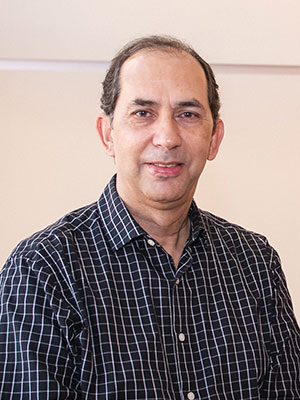
Prof. Dr. Kerem Pekkan serves as a Professor in the Department of Mechanical Engineering at Koç University's College of Engineering, where he leads groundbreaking research at the intersection of cardiovascular engineering and biomechanics. His exceptional contributions to science were recognized with the prestigious METU Parlar Foundation 2020 Science Award, highlighting his impact on advancing pediatric cardiovascular solutions. His research spans cardiovascular engineering, biomechanics, congenital heart disease, pediatric cardiology, and AI-driven medical imaging. Pekkan focuses on developing patient-specific computational models and medical devices for congenital heart defects, particularly Tetralogy of Fallot and Fontan circulation. His work integrates advanced MRI techniques, fluid-structure interaction modeling, and machine learning to optimize surgical outcomes for pediatric patients. Analysis of his 15 most recent publications (2023-2025) reveals a dominant trend toward AI-enhanced cardiovascular diagnostics and device innovation. Key themes include machine learning applications in cardiac tissue characterization, novel valve designs for neonatal reconstruction, and hemodynamic optimization of Fontan procedures using 4D flow MRI. His research consistently bridges engineering principles with clinical cardiology to address unmet needs in pediatric cardiovascular care. Scientific Awards: METU Parlar Foundation 2020 Science Award As a core faculty member in Koç University's Mechanical Engineering department, Pekkan actively supervises graduate students through numerous Master's and PhD thesis projects focused on cardiovascular biomechanics. His research is supported by competitive grants enabling advanced in-vitro testing facilities and computational resources. Current projects include AI-based clinical decision tools and genetically modified bioprosthetic valves. He directs a specialized cardiovascular fluid mechanics laboratory equipped for particle image velocimetry, 3D tissue mapping, and patient-specific phantom modeling. The team collaborates closely with medical institutions to translate engineering innovations into clinical practice, with ongoing work on self-powered ventricular assist devices and personalized surgical planning systems.