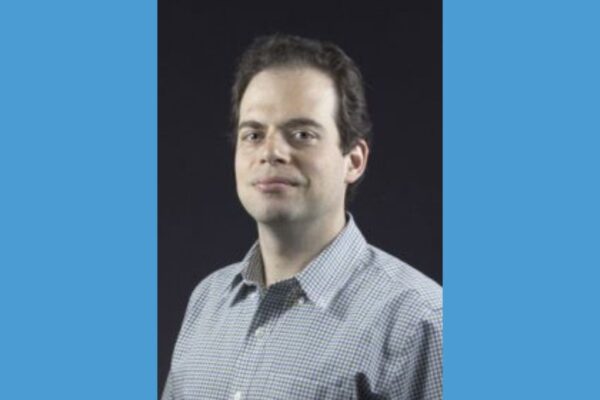
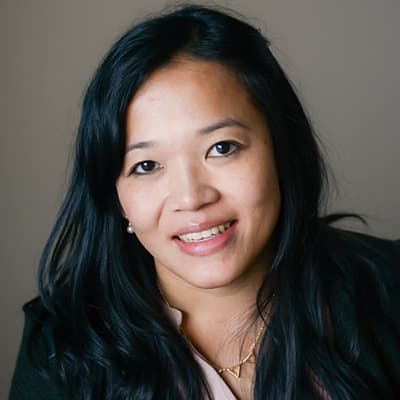
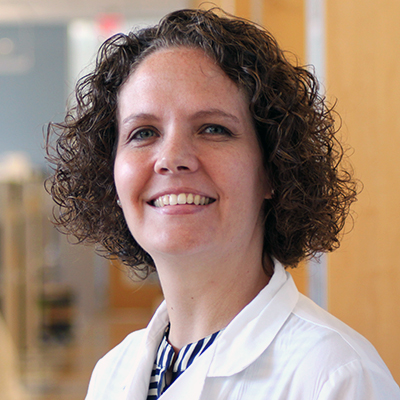
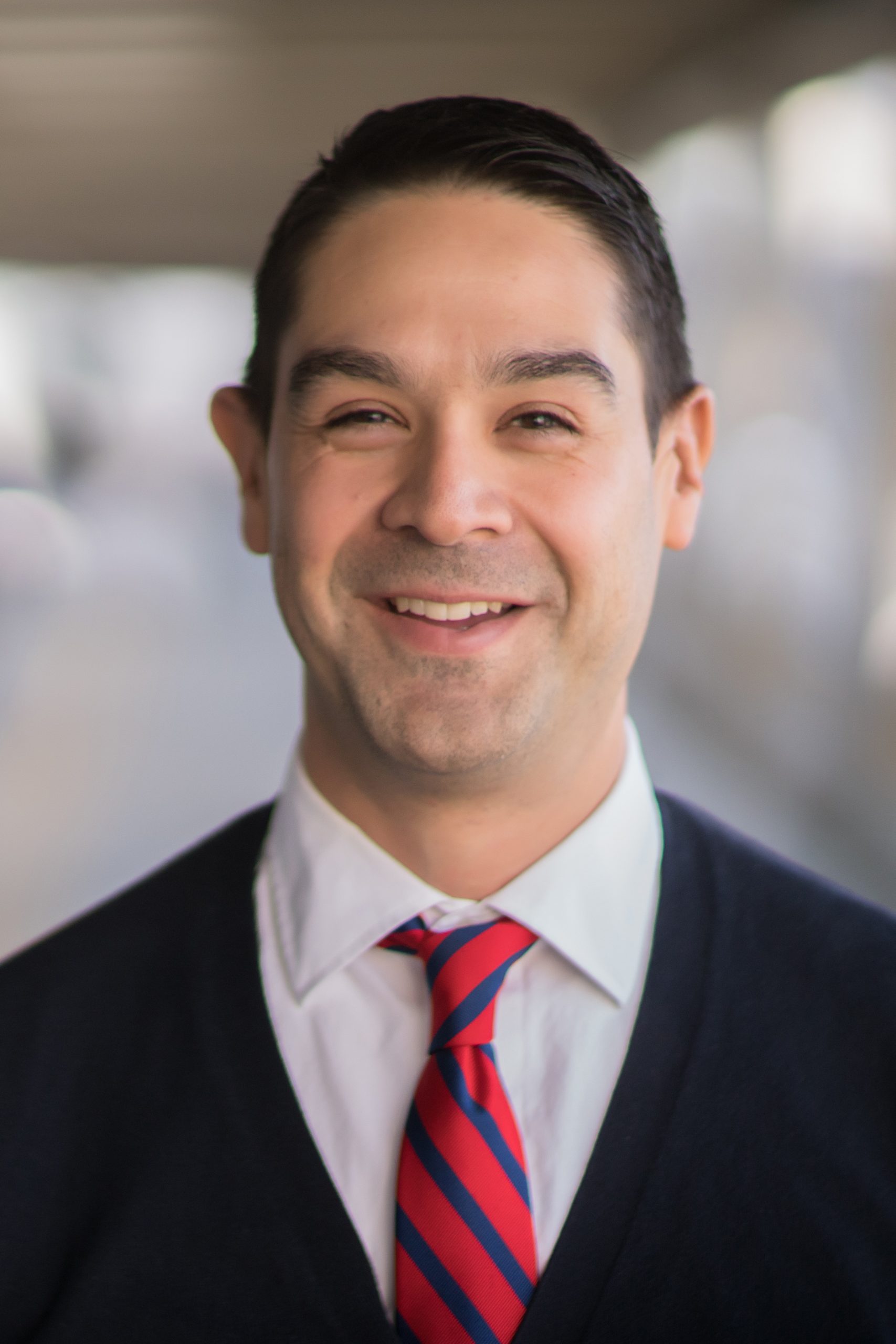
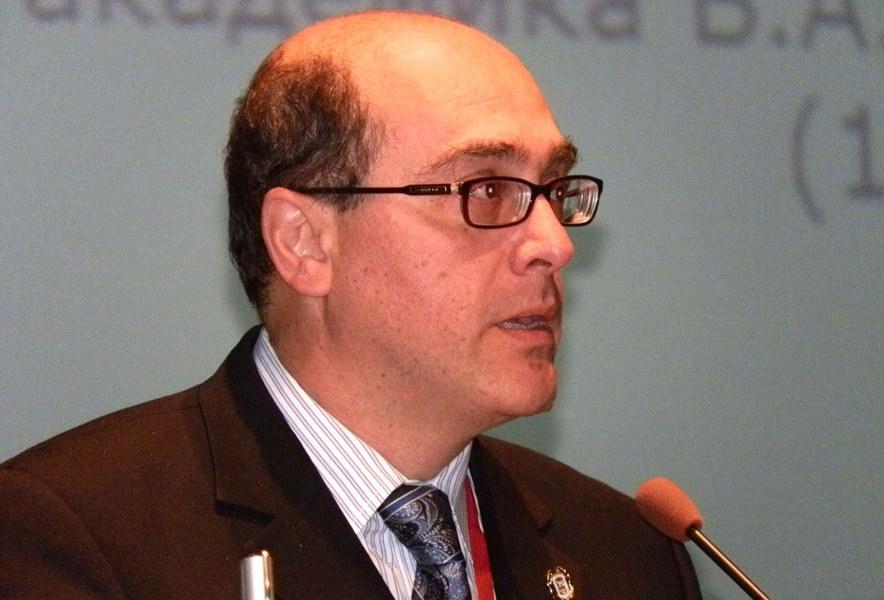
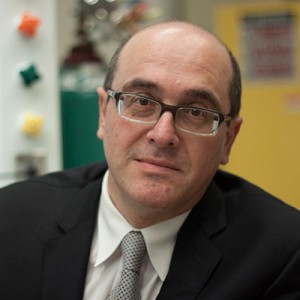
Yevgeny Brudno, PhD, is an Associate Professor at the Eshelman School of Pharmacy (UNC-Chapel Hill) with a joint appointment in Biomedical Engineering (UNC and NC State University). He is a member of the UNC Lineberger Comprehensive Cancer Center and leads the Brudno Lab, which specializes in drug delivery and biomaterials for cancer immunotherapy, particularly CAR T cell therapy. Research Focus: Development of implantable biotechnologies for in vivo CAR-T cell production, biomaterials for therapeutic delivery, and click chemistry-based drug targeting. Education: PhD (unspecified institution). The lab’s research bridges chemical and biomaterials science with clinical needs, emphasizing on-demand drug release , solid tumor targeting , and autoimmune disease treatments . Recent work includes bioinstructive scaffolds and tissue-reactive drug depots , leveraging click chemistry and nanomedicine . His scientific contributions are highlighted by 15 publications (2009–2025) in fields like biotechnology, cancer immunotherapy, and epigenetics. Notable awards include the NCI MERIT Award , University Faculty Scholar (NC State), and Outstanding Teacher Award (NC State). Advising: Mentored 13 PhD and Master’s students, including Sharda Pandit (2023), Chris Moody (2021), and Emily Joe (2024). Lab announcements highlight student achievements like NSF and NIH fellowships. The Brudno Lab collaborates with UNC Lineberger and NC State, focusing on streamlining therapy production , enhancing efficacy in solid tumors , and autoimmune disease applications , supported by grants from NCI and CMI.
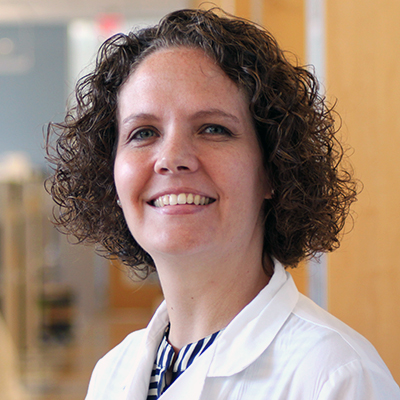
Juliane Nguyen, PhD, is a Professor in the Department of Pharmacoengineering and Molecular Pharmaceutics at the UNC Eshelman School of Pharmacy, University of North Carolina at Chapel Hill. She serves as Vice Chair and Director of Graduate Admissions in her department and holds an adjunct appointment as Professor of Biomedical Engineering. Dr. Nguyen is also a member of the UNC Lineberger Comprehensive Cancer Center, where she applies molecular engineering approaches to develop innovative therapeutic solutions. Dr. Nguyen's research focuses on molecular engineering to advance protein-based therapeutics, live biotherapeutics (including engineered probiotic yeast), and extracellular vesicles. Her lab develops cutting-edge technologies to treat diverse conditions including cancer, myocardial infarction, chemotherapy-induced cardiotoxicity, and inflammatory bowel diseases. Her interdisciplinary approach integrates molecular engineering, pharmaceutical sciences, and bioinformatics to create complex biologics with exceptional safety and efficacy profiles. Key research areas include developing therapeutics for cardiac repair, genetically encoded materials targeting tumor-associated macrophages, live biotherapeutics for inflammatory bowel diseases using engineered probiotic yeast, and auxetic patches for dynamic organ repair. Analysis of Dr. Nguyen's recent publications reveals a strong focus on translational research with significant contributions to cardiac repair technologies, cancer immunotherapy, inflammatory bowel disease treatments, and advanced biomaterials. Her work consistently bridges fundamental molecular engineering with clinical applications, particularly in the areas of targeted drug delivery, extracellular vesicle therapeutics, and engineered live biotherapeutics. The research demonstrates a clear trajectory toward developing clinically viable solutions for previously challenging medical conditions. Dr. Nguyen has received numerous prestigious awards and honors including the NSF CAREER Award (2018), Eshelman Innovation Award (2020), and recognition as a Fellow of the Controlled Release Society (2023). She was appointed as a Standing Member of the NIH Drug and Biologic Therapeutic Delivery Study Section (2023-2025) and serves as Executive Editor of Advanced Drug Delivery Reviews since 2021. Her Galenus Guest Professorship at ETH Zuerich (2024) and keynotes at major conferences highlight her international recognition in the field. As Director of Graduate Admissions and an active mentor, Dr. Nguyen has advised numerous PhD and Master's students who have co-authored significant publications with her. Her research is supported by competitive grants including the NSF CAREER Award and other NIH-funded projects. The Nguyen Lab maintains strong collaborations across disciplines, particularly with cardiology, oncology, and biomedical engineering researchers. She leads an interdisciplinary team focused on translating molecular engineering breakthroughs into clinically impactful therapies. The Nguyen Lab operates as a dynamic, interdisciplinary research environment combining expertise in molecular engineering, pharmaceutical sciences, and bioinformatics. The lab's mission is to revolutionize medicine by developing next-generation therapeutics that target diseases at the molecular level. Current projects focus on translating cutting-edge research into life-changing therapies for patients suffering from cancer, myocardial infarction, colitis, and other challenging conditions. The lab's innovative approach to biomolecular engineering positions it at the forefront of developing safe, effective, and personalized therapeutic solutions.
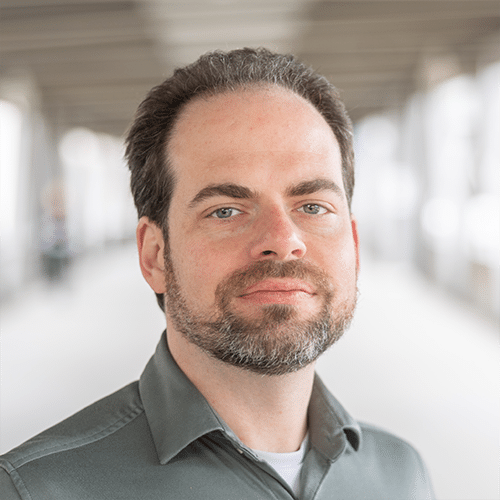
Kristy M. Ainslie, PhD, is a Professor in the Department of Pharmacoengineering and Molecular Pharmaceutics at the University of North Carolina at Chapel Hill's Eshelman School of Pharmacy and a member of the UNC Lineberger Comprehensive Cancer Center. Her research develops immune-modulatory therapies using biomaterials to treat infectious and autoimmune diseases as well as cancer, with explicit focus on scalable production for resource-limited settings globally. Dr. Ainslie's work integrates biomaterials science and immunology to engineer practical drug delivery systems, particularly using acetalated dextran (Ac-DEX) platforms. Her lab specializes in creating microparticles and nanofibers for antigen/vaccine delivery, cancer immunotherapy, and autoimmune disease treatment, prioritizing formulations adaptable to developing nations. Recent advancements include electrospray techniques for non-denaturing protein encapsulation and machine learning models for predicting drug release kinetics. Her publication trajectory reveals consistent innovation in nanomedicine, with increasing emphasis on translational applications. Key trends include acid-responsive polymer systems for controlled therapeutic release, scalable manufacturing methods for global vaccine access, and immune-modulation strategies targeting T-regulatory cells for autoimmune conditions like multiple sclerosis. Dr. Ainslie's accolades include: Sato Memorial International Award (2023) Controlled Release Society Fellow (2022) American Institute for Medical and Biological Engineering Fellow (2021) OSU Council of Graduate Students Distinguished Faculty Advising Award (2012) She actively mentors PhD and Master's students, with recent advisees including Nicole Rose Lukesh, Sophie Mendell, and Ryan Woodring. Her lab comprises postdoctoral researchers like Pamela Tiet and Monica Johnson, supported by collaborative projects with institutions including Ohio State University. While specific grants aren't detailed, her high-impact publications and lab operations indicate substantial external funding. The Ainslie Lab, headquartered at 4012 Marsico Hall, drives translational nanomedicine through interdisciplinary teams. It maintains active outreach initiatives like school science demonstrations and hosts international collaborators, reflecting its commitment to education and global health impact.
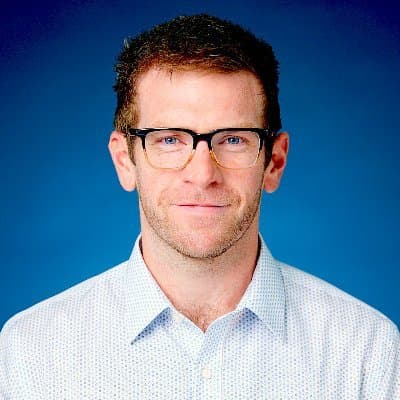
Rahima Benhabbour is an Associate Professor in the Lampe Joint Department of Biomedical Engineering at the University of North Carolina at Chapel Hill, with an adjunct appointment at the UNC Eshelman School of Pharmacy . Her work bridges polymer chemistry, engineering, and pharmacology to create innovative drug delivery platforms. Ph.D. in Chemistry (McMaster University, 2008) MSc in Medicinal Chemistry (University of Minnesota, 2001) Research focuses on polymer-based biomedical devices for HIV prevention and cancer treatment , emphasizing translational science and 3D-printed intravaginal rings . Articles highlight trends in biomaterials , multipurpose prevention , and nano-delivery systems . KL-2 CTSA Award (2015-2018) for HIV prophylaxis research Teaches BMME 890 - Special Topics and BMME 900 - Research in Biomedical Engineering . Lab is affiliated with the Center in Nanotechnology and Drug Delivery and collaborates with clinical experts in HIV/oncology.
Shawn D. Hingtgen, PhD, is a Professor at the University of North Carolina (UNC) School of Medicine, with dual appointments in the Division of Pharmacoengineering and Molecular Pharmaceutics and the UNC Department of Neurosurgery. As a UNC Lineberger Comprehensive Cancer Center member, his work bridges biomedical engineering, neuroscience, and oncology through: Developing tumor-homing stem cell beacons for immune-based cancer therapy Optimizing nanofiber matrices to enhance neural stem cell efficacy Engineering stem cell therapies to combat glioblastoma adaptation His lab's recent publications (2023-2020) focus on: Glioblastoma tumor targeting using engineered neural stem cells Biomaterial scaffolds (FLOSEAL®, fibrin matrices) for cell therapy protection CAR-T cell synergy with stem cell cytokine delivery Personalized treatment platforms using patient-derived tumor models Scientific contributions include: Multiple NIH-funded projects Provisional patents on induced neural stem cell generation Co-founding Falcon Therapeutics Key awards highlight his commitment to innovation: Keystone Symposia Underrepresented Recognition ABTA Post-doctoral Fellowship NIDDK Minority Travel Awards Caroline tum Suden/Frances Hellebrandt Professional Opportunity Awards His research emphasizes clinical translation, including: Novel 'slice platform' for personalized brain tumor diagnosis Post-surgical therapeutic scaffolds Strategies to overcome immune rejection in cell therapies
Dr. Alexander Viktorovich Kabanov is a leading figure in nanomedicine and drug delivery, currently serving as the Mescal Swaim Ferguson Distinguished Professor at the University of North Carolina at Chapel Hill and Professor at M.V. Lomonosov Moscow State University. He directs the Center for Nanotechnology in Drug Delivery and co-leads the Carolina Institute for Nanomedicine. Education: M.S. (1986), Ph.D. (1987), D.Sc. (1990) in Chemistry from Moscow State University His research focuses on nanomedicine , biomaterials , and pharmacoengineering , with groundbreaking work in polyion complexation, dendrimer interactions with DNA, and supramolecular constructs for biomedical applications. Publications highlight trends in polymer-based drug delivery and self-assembly of nanomaterials . 2022 Founders Award, Controlled Release Society 2021 Fellow, American Association for Advancement of Science 2019 Corresponding member, Russian Academy of Sciences 2010 Russian MegaGrant recipient He has co-founded biotech companies like Supratek Pharma, InnovaForm Technologies, and Neuro10-9 Inc., and served on editorial boards for journals including Journal of Controlled Release and Advances in Drug Delivery Reviews .
Kristy Ainslie, Ph.D., is an Adjunct Associate Professor and Vice Department Chair in the Division of Pharmacoengineering and Molecular Pharmaceutics at the UNC Eshelman School of Pharmacy. She holds affiliations in the UNC Department of Biomedical Engineering and Microbiology & Immunology. Her research focuses on biomaterials and immunology to develop immune-modulatory therapies for infectious diseases, autoimmune conditions, and cancer. Notable roles include leading the Ainslie Lab and serving on the editorial board of the Journal of Controlled Release. Dr. Ainslie earned a B.S. (1999), M.S. (2002), and Ph.D. (2005) in Chemical Engineering from Michigan State University and Pennsylvania State University, respectively, followed by a postdoc at UCSF. Her honors include the Controlled Release Society Awards (2007, 2009) and AIMBE Fellowship. Research interests include vaccine development (e.g., universal influenza vaccines), antigen-specific autoimmune therapies (e.g., multiple sclerosis), host-directed antibacterial treatments, and electrospray microparticle fabrication. Her lab emphasizes scalable, resource-efficient solutions for global health challenges. Recent articles highlight advancements in influenza vaccine platforms, mast cell-based adjuvants, and glioblastoma immunotherapies. Awards include NIH grants for MS vaccine development and recognition for mentoring. The Ainslie Lab collaborates internationally, with grants supporting student training and translational research.
Yevgeny Brudno is an Associate Professor at North Carolina State University, with affiliations in the Department of Chemistry (College of Sciences), the Joint Department of Biomedical Engineering (College of Engineering), and the Pharmacoengineering and Molecular Pharmaceutics program at the University of North Carolina, Chapel Hill. His research focuses on biomaterials engineering, drug delivery systems, and CAR-T cell therapy, with a particular emphasis on developing implantable scaffolds, prodrugs, and targeted delivery mechanisms. Brudno's work integrates materials science with biological systems, addressing challenges in cancer therapy, immunology, and regenerative medicine. Key areas include optimizing T cell activation and transduction using biomaterial platforms, designing refillable drug depots, and enhancing tissue-specific drug targeting through click chemistry and nanoparticle systems. His recent publications highlight advancements in biomaterial scaffolds for in vivo CAR-T cell manufacturing, toxicology studies of tissue-anchored prodrugs, and novel approaches to non-invasive drug refill systems. These contributions bridge engineering and medicine, emphasizing translational research. Brudno's interdisciplinary roles reflect his expertise in biomaterials, pharmacology, and biomedical engineering. His lab (brudnolab@med.unc.edu) focuses on developing next-generation therapeutic delivery systems and cell-based therapies.
Dr. Koji Sode is the William R. Kenan Jr. Distinguished Professor of Biomedical Engineering in the Lampe Joint Department of Biomedical Engineering at the University of North Carolina at Chapel Hill and North Carolina State University. He also serves as an Adjunct Professor at Tokyo University of Agriculture and Technology. His research focuses on biomolecular engineering for biomedical applications, particularly in developing innovative biosensing technologies for healthcare management. Education: PhD in Engineering, Tokyo Institute of Technology (Tokyo Tech) M.S. in Electrochemistry, Graduate School of Tokyo Institute of Technology B.S. in Chemical Engineering, Tokyo Institute of Technology Research Interests: Dr. Sode’s lab specializes in engineering enzymes, antibodies, and aptamers to create biosensors for continuous monitoring of biomarkers. Key areas include: In vivo continuous biosensing systems Point-of-care testing (POCT) devices Biomolecule engineering for closed-loop therapies Development of biomedical microdevices Awards & Recognition: Fellow of the National Academy of Inventors Fellow of the American Institute for Medical and Biological Engineering (AIMBE) Grants & Labs: His lab, the Biomolecular Engineering Laboratory, has collaborated extensively with industry partners. Ongoing projects include the BioBattery (a biodegradable fuel cell) and theranostic biomolecules for real-time disease monitoring. Over 360 peer-reviewed publications and numerous patents highlight his contributions to biosensor innovation.
Owen S. Fenton, PhD, is an Assistant Professor in the Pharmacoengineering and Molecular Pharmaceutics department at the UNC Eshelman School of Pharmacy. He is a member of the UNC Lineberger Comprehensive Cancer Center, focusing on developing non-viral carrier platforms to enhance RNA therapeutic efficacy and safety. His research aligns with the Molecular Therapeutics Area of Interest at UNC-Chapel Hill. Contact: osfenton@unc.edu , (919) 962-3856. Follow his lab's work on Twitter . Research Focus: Owen S. Fenton's laboratory specializes in the discovery and development of non-viral delivery systems for RNA therapeutics. This work addresses critical challenges in improving targeted drug delivery, reducing off-target effects, and enhancing the stability of RNA-based treatments. His research intersects biomedical engineering and pharmaceutical sciences to advance next-generation therapeutic platforms.
Alexander V. Kabanov is the Mescal S. Ferguson Distinguished Professor and director of the Center for Nanotechnology in Drug Delivery at the UNC Eshelman School of Pharmacy. He holds adjunct roles at the UNC Department of Biomedical Engineering and co-directs the Carolina Institute for Nanomedicine. His research focuses on nanomedicine and drug delivery systems, including polymeric micelles, polyplexes, and exosome-based therapies. Kabanov has pioneered clinically approved drug delivery platforms and holds over 30 patents, with $120M in research funding. He mentors students and postdocs, many of whom hold academic positions. Education: PhD (1987) and D.Sc. (1990) in Chemical Kinetics from Moscow State University (MSU), USSR. Former directorships include the University of Nebraska Medical Center’s Center for Drug Delivery and Nanomedicine (2004–2012) and the NIH-funded Nebraska Center for Nanomedicine (2008–2012). Research interests span nanotechnology for cancer, neurodegenerative diseases, and CNS disorders. Key innovations include polymeric micelle-based drugs, nanozymes for toxin neutralization, and macrophage-guided gene delivery for Parkinson’s disease. Awards include the Controlled Release Society Founders Award, AAAS Fellowship, and Russian Academy of Sciences membership. Leadership roles include president-elect of the Russian-American Science Association and directorships in professional societies. Grants include NIH funding for cancer nanotechnology training and spinal injury therapies. Over 340 publications (50k+ citations, h-index 115) and co-founded companies like NeuroNano and Ostrea Bio reflect his translational impact.
Dr. Imran Rizvi is an Associate Professor in the Department of Biomedical Engineering at the University of North Carolina at Chapel Hill. He holds affiliations with the Lineberger Comprehensive Cancer Center, the Center for Environmental Health and Susceptibility, and the Functional Tissue Engineering Program at NC State University. His research focuses on imaging and therapeutic applications of light, targeted drug delivery, and bioengineered 3D models for cancer. Key areas include overcoming drug resistance in ovarian and pancreatic cancers through photodynamic therapy (PDT) combinations and investigating environmental toxin impacts (e.g., PFAS) on cancer treatment efficacy. Dr. Rizvi’s education includes a Ph.D. in Engineering Sciences from Dartmouth College, an M.S. in Tumor Biology from Georgetown University, and a B.A. from Johns Hopkins University. He previously served as an Assistant Professor of Dermatology at Harvard Medical School and an Assistant Biomedical Engineer at Massachusetts General Hospital’s Wellman Center for Photomedicine. His research interests emphasize PDT-based therapies, biomodulatory strategies to enhance drug delivery, and the role of mechanical forces (e.g., fluid shear stress) in tumor resistance. He has explored synergistic treatments combining PDT with chemotherapy, immunotherapy, and nanomedicines. Recent work highlights mechanisms by which PFAS exposure induces platinum resistance and the use of photodynamic priming to counteract such effects. Dr. Rizvi teaches courses in biomedical engineering, including BMME 302 (Human Physiology: Mechanical Analysis) and BMME 527 (Targeted Photomedicine). His contributions span over 60 peer-reviewed publications and book chapters, with a focus on PDT, molecular targeting, and cancer microenvironment dynamics.
David Zaharoff is a Professor in the Joint Department of Biomedical Engineering at NC State University and UNC-Chapel Hill. His research focuses on developing localized immunotherapy delivery systems for cancer, esophageal disorders, and infectious diseases. He holds a PhD in Biomedical Engineering from Duke University and a BS in Mechanical Engineering from the University of Illinois at Urbana-Champaign. His work emphasizes biomaterials-based strategies to control immune responses, aiming to reduce systemic side effects and enhance treatment efficacy. Key research areas include cancer immunotherapy, vaccine delivery, and immuno-engineering solutions for substance abuse. Education: Postdoc at National Cancer Institute, PhD (Duke), BS (UIUC) Labs: Zaharoff Lab (ImmunoEngineering Lab) Notable Awards: Rising Star Faculty Award (2015), Top 15 Funded Investigator (2015), NIH Fellows Award (2008-2009) Recent projects include an intranasal SARS-CoV-2 vaccine and chitosan-based IL-12 therapies for bladder cancer. He has mentored over 15 graduate students and postdocs, with notable trainees like Maura Vrabel and Khue Nguyen advancing to postdoc and industry roles. Grants include funding from the NC Biotechnology Center, CDMRP Lung Cancer Program, and Arkansas Breast Cancer Research Program. His lab collaborates with institutions like MIT, Emory University, and Boston Scientific.
Shawn D. Hingtgen is an Associate Professor at the University of North Carolina (UNC) at Chapel Hill, holding dual appointments in the UNC Eshelman School of Pharmacy (Division of Pharmacoengineering and Molecular Pharmaceutics) and the Department of Neurosurgery at the UNC School of Medicine. His research focuses on developing stem cell-based therapies to treat terminal cancers, particularly glioblastoma, breast cancer, and lung cancer. His lab integrates molecular biology, targeted therapeutics, and imaging to enhance drug delivery and tumor eradication. Education: B.S. in Biology, University of Iowa (1994–1998) Ph.D. in Anatomy and Cell Biology, University of Iowa (1998–2004) Postdoctoral Fellowships at Harvard Medical School/Massachusetts General Hospital Research Interests: His work centers on engineering induced neural stem cells (iNSCs) to target and kill cancer cells. Key areas include: Developing tumor-homing iNSCs armed with anti-cancer payloads Optimizing biomaterial matrices (e.g., hydrogels, nanofibers) for stem cell delivery Combining iNSC therapy with immunotherapies (e.g., CAR-T cells) Non-invasive imaging for real-time monitoring of tumor response His lab also pioneers organotypic brain slice cultures to model heterogeneous tumors and test personalized therapies. Recent Article Trends: Recent work emphasizes enhancing therapeutic efficacy through: Combination therapies (e.g., TRAIL-secreting iNSCs + TR-107) 3D-printed hydrogel scaffolds for sustained drug delivery Exosome-based delivery systems to penetrate the blood-brain barrier Immunotherapy synergies (e.g., CAR-T cells + cytokine-armed iNSCs) Awards and Honors: 2021 – Fellow, American Institute for Medical and Biological Engineering 2018 – UNC Hettleman Prize for Young Faculty 2014 – Society for Neuro-Oncology Young Investigator Award 2013 – Finalist, Damon Runyon-Rachleff Innovation Award Advising and Grants: He leads a lab with ~10 researchers (postdocs, graduate students, undergraduates). Active grants include: NIH R01 awards for stem cell matrices and glioblastoma adaption studies Eshelman Institute for Innovation funding ($9.4M+ for drug delivery systems) Labs and Collaborations: His lab is part of the Center for Nanotechnology in Drug Delivery at UNC. Collaborations include: Falcon Therapeutics (spinout company advancing iNSC therapies) UNC Lineberger Comprehensive Cancer Center Industry partnerships for clinical translation
Paul A. Dayton is the William R. Kenan Jr. Distinguished Professor and Department Chair in the Department of Biomedical Engineering at NC State University. He holds a Ph.D. in Biomedical Engineering from the University of Virginia and degrees in Electrical Engineering and Comprehensive Science/Physics from the University of Virginia and Villanova University, respectively. His research focuses on biomedical ultrasound imaging, ultrasound-mediated targeted therapies, and industrial applications. Notable contributions include optimizing microbubble contrast agents for improved ultrasound imaging sensitivity and developing ultra-broadband imaging techniques. His lab is part of the Ultrasound Research Consortium and has spun out companies like Triangle Biotech, featured in UNC’s research highlights. Dayton has been recognized with prestigious awards, including the SPIE Pioneer Award and IEEE Hertz Award. His team has secured grants, such as R03 awards for projects on diabetic kidney disease imaging and breast cancer diagnosis using nanoparticle contrast agents. He mentors researchers like Dr. Kennita Johnson and Dr. James Tsuruta, who have advanced projects under his guidance.