معرفی
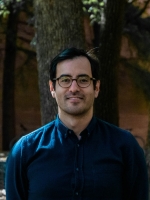
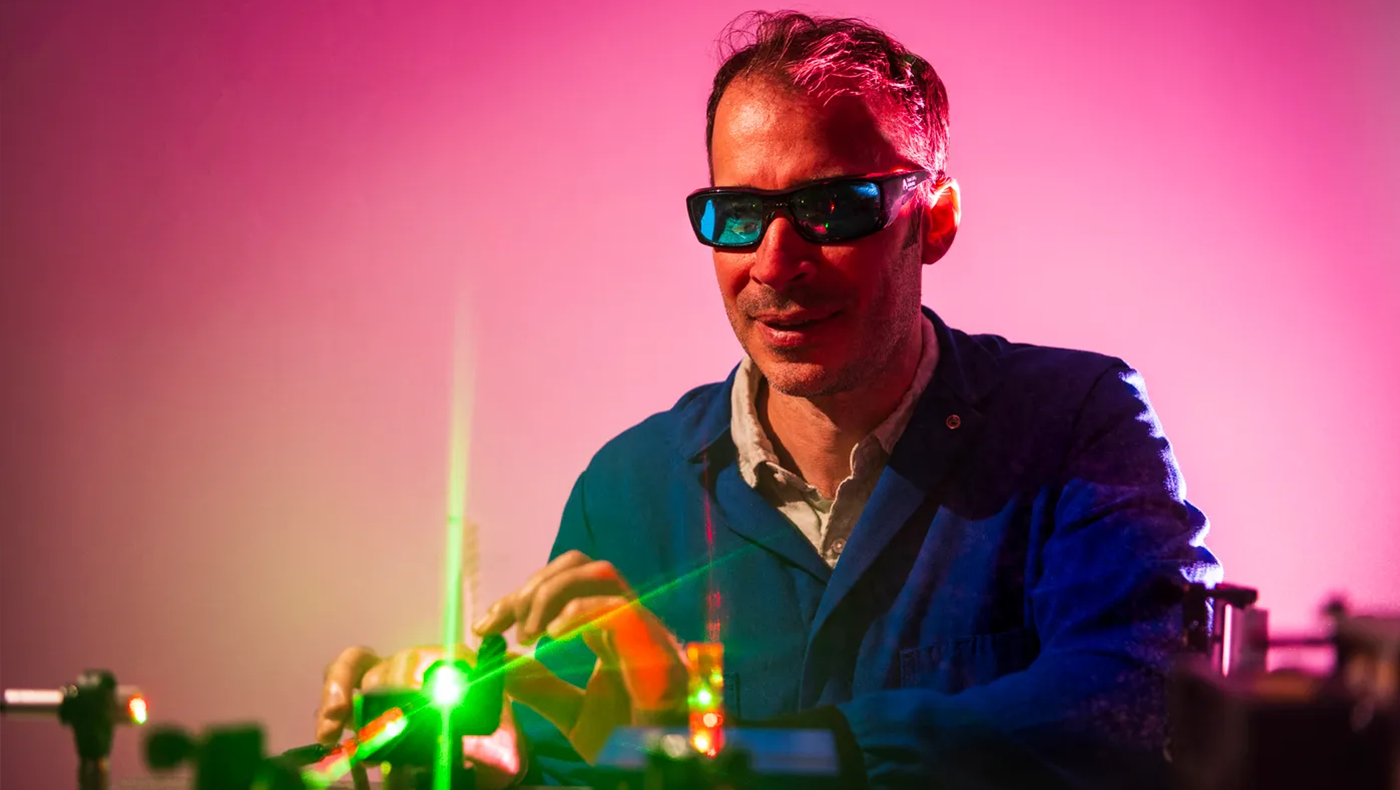
Dr. Imran Rizvi is an Associate Professor in the Department of Biomedical Engineering at the University of North Carolina at Chapel Hill. He holds affiliations with the Lineberger Comprehensive Cancer Center, the Center for Environmental Health and Susceptibility, and the Functional Tissue Engineering Program at NC State University. His research focuses on imaging and therapeutic applications of light, targeted drug delivery, and bioengineered 3D models for cancer. Key areas include overcoming drug resistance in ovarian and pancreatic cancers through photodynamic therapy (PDT) combinations and investigating environmental toxin impacts (e.g., PFAS) on cancer treatment efficacy.
Dr. Rizvi’s education includes a Ph.D. in Engineering Sciences from Dartmouth College, an M.S. in Tumor Biology from Georgetown University, and a B.A. from Johns Hopkins University. He previously served as an Assistant Professor of Dermatology at Harvard Medical School and an Assistant Biomedical Engineer at Massachusetts General Hospital’s Wellman Center for Photomedicine.
His research interests emphasize PDT-based therapies, biomodulatory strategies to enhance drug delivery, and the role of mechanical forces (e.g., fluid shear stress) in tumor resistance. He has explored synergistic treatments combining PDT with chemotherapy, immunotherapy, and nanomedicines. Recent work highlights mechanisms by which PFAS exposure induces platinum resistance and the use of photodynamic priming to counteract such effects.
Dr. Rizvi teaches courses in biomedical engineering, including BMME 302 (Human Physiology: Mechanical Analysis) and BMME 527 (Targeted Photomedicine). His contributions span over 60 peer-reviewed publications and book chapters, with a focus on PDT, molecular targeting, and cancer microenvironment dynamics.