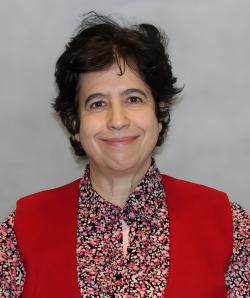
Sabrina Pacor is an Associate Professor in Applied Biology (BIO/13) at the University of Trieste , where she teaches Pharmacology in the Pharmacy LM and STB BSc programs. With over 30 years of research experience in experimental oncology and host defense peptides, she has made significant contributions to studying antimicrobial peptides (AMPs) and their interactions with bacterial membranes. Her research focuses on: Direct antimicrobial activity of AMPs against Gram-positive and Gram-negative bacteria Indirect immunomodulatory effects of host defense peptides Development of drug delivery systems using nanomaterials (carbon nanotubes, gold nanoparticles) Mechanistic studies of ruthenium-based antimetastatic drugs She leads extensive cytofluorimetry research using flow cytometry platforms, particularly for evaluating: Cytotoxicity (necrosis/apoptosis, proliferation index) Modulation of host biological responses (chemotaxis, phagocytosis, ROS production) Peptide-bacterial membrane interactions through fluorescent labeling Her recent work demonstrates trends in: Proline-rich antimicrobial peptides against ESKAPE pathogens Hybrid antibiotic design (peptide-aminoglycoside conjugates) Structure-activity relationships in membranolytic peptides Evolutionary insights into defensin and cathelicidin families Prof. Pacor has co-authored over 100 peer-reviewed publications and actively mentors students, having supervised: 70 experimental/thesis reviews for Pharmacy/CTF Master's students 20 Bachelor's degree theses
Juan L. Silva is a Professor at the Mississippi State University , specializing in Food Science & Tech. His work bridges food safety, microbial risk assessment, and processing innovations. Doctor of Philosophy (PHD) in Food Science & Technology from Mississippi State University Master of Science (MS) in Chemical Engineering from Mississippi State University Bachelor of Science (BS) in Chemical Engineering from Mississippi State University Silva’s research focuses on food microbial safety , particularly in dairy and aquaculture. He explores enhanced processing techniques to mitigate contamination risks and improve product longevity. His studies address pathogens like Salmonella and Listeria monocytogenes , emphasizing environmental and processing variables. Recent publications highlight trends in microbial safety in aquaculture (e.g., catfish and prawns), biofilm dynamics , and postharvest interventions for agricultural products. His work also includes practical extension guides for industry professionals, particularly during public health crises like the 2020 COVID-19 pandemic . Scientific Awards : Food Safety Preventive Controls Alliance - Group Recognition Award Food Safety Preventive Controls Alliance - International Excellence Award Silva advises graduate students like Jailyn Smith and Jose Eusse , focusing on applied food safety research. His collaborations span chemical engineering, microbiology, and sensory analysis, reflecting interdisciplinary approaches to food systems.
Sara O. Vargas is an Associate Professor at Harvard Medical School and a practicing pediatric pathologist at Boston Children's Hospital. She holds an MD from University of Vermont College of Medicine and completed fellowships in Pediatric Pathology and Anatomic/Clinical Pathology. Harvard University (Undergraduate) University of Vermont College of Medicine (Medical School) Boston Children's Hospital (Pediatric Pathology Fellowship) Brigham and Women's Hospital (Anatomic/Clinical Pathology Fellowship) Her research focuses on pediatric pulmonary pathology, interstitial lung disease, and genetic determinants of congenital disorders. She has contributed extensively to understanding pulmonary hypertension mechanisms and imaging protocols for developmental lung conditions. Her recent publications address topics like genetic variants in interstitial lung disease, vascular remodeling in pulmonary hypertension, and multiomic analyses of sudden infant death. She serves as Director of Quality and Patient Safety in the Department of Pathology, which processes over 12,000 surgical pathology cases annually. Dr. Vargas specializes in the intersection of pathology, radiology, and clinical genetics, with particular expertise in: Pediatric pulmonary hypertension Congenital lung malformations Genetic lung disease Post-transplant pathology Interstitial lung disease Pediatric oncologic pathology
Kiran Shekar is a Senior Intensive Care Specialist and Director of Research at Prince Charles Hospital's Adult Intensive Care Service. He holds academic appointments as Professor at University of Queensland , Adjunct Professor at Queensland University of Technology , and Associate Professor at Bond University . Research Interests : Extracorporeal Membrane Oxygenation (ECMO) Physiology Minimizing Invasive Mechanical Ventilation Pharmacokinetics/Pharmacodynamics in Critical Care Cardiogenic Shock and Mechanical Circulatory Support Microcirculation Optimization in Cardiac Surgery Global Critical Care Access through Budget ICU Systems ECMO Education Standardization Scientific Awards : Metro North Hospital and Health Service Clinician Research Fellowship Queensland Health Research Fellowship Supervision : Currently advising multiple Doctor Philosophy students on projects including The NO Tube Project , Budget ICU Development , and ECMO Pharmacokinetics .
Stephanie S. Coster is an Associate Professor of Biology at Randolph-Macon College , where she integrates genetic approaches with wildlife conservation and management. Her research spans diverse species such as black bears, spotted salamanders, rails, and elephant shrews, focusing on habitat preservation, invasive species detection, and ecological monitoring. Education: PhD in Environmental Studies (2013), MS in Natural Resources (2008) from the University of New Hampshire , and BS in Biology (2002) from Trinity University . Her work includes developing environmental DNA (eDNA) assays for invasive species like nutria and rusty crayfish, analyzing genetic connectivity in coastal birds, and leading vernal pool restoration studies. She has contributed to the SNAPSHOT USA national camera trap surveys and published extensively in journals such as Ecology and Evolution and Journal of Wildlife Diseases . Dr. Coster also emphasizes hands-on learning through courses like Conservation Genetics and Tropical Biodiversity, mentoring students in lab and fieldwork. Contact: stephaniecoster@rmc.edu
Dr. Menino Osbert Cotta is an Honorary Research Fellow at the University of Queensland Centre for Clinical Research, specializing in pharmacokinetics/pharmacodynamics (PK/PD) of antimicrobials and therapeutic drug monitoring (TDM) in critically ill patients. His work focuses on optimizing beta-lactam antibiotics and anti-infective agents for sepsis, neurocritical care, and resistant infections. Key Research Areas: Antimicrobial stewardship, precision dosing software, ICU pharmacotherapy, cerebrospinal fluid drug penetration, and machine learning applications in TDM. Collaborations: Works with international teams across Australia, UK, and LMICs, particularly on beta-lactam infusion strategies and hospital antimicrobial programs . Recent Trends: 2024-2025 publications emphasize pediatric ICU antibiotic compatibility cost-effectiveness of outpatient parenteral antimicrobial therapy (OPAT) CSF pharmacokinetics of ceftriaxone Methodology: Utilizes population PK/PD modeling, systematic reviews, and clinical trials like BLING III to evaluate continuous vs. intermittent infusions in sepsis. Contact: Email m.o.cotta@uq.edu.au for collaboration or inquiries.
David Roberts is a Professor of Haematology at the University of Oxford, affiliated with Christ Church college and the Nuffield Department of Clinical Laboratory Science. His research focuses on erythropoiesis, regulatory T cells in bone marrow transplantation, and malaria pathogenesis. His work bridges Functional and genetic studies of host-pathogen interactions in malaria Immuno-hematology of transfusion medicine Blood cell antigen dynamics Recent publications highlight interdisciplinary themes in Genomics and transfusion safety Iron metabolism in aging populations Post-donation testing simulations Covid-19 plasma therapy trials HLA sensitization in transplantation He leads the Murphy, Roberts and Stanworth clinical research group in transfusion medicine, addressing critical areas from molecular hematology to global health systems.
Dongyi Wang is an Assistant Professor in the Department of Biological and Agricultural Engineering at the University of Arkansas, where he directs the Smart Agriculture and Food Engineering (SAFE) Lab. His work bridges advanced technologies like artificial intelligence, robotics, and machine vision with agrifood manufacturing to enhance product quality, safety, and worker welfare. Ph.D. in Bioengineering from the University of Maryland, College Park B.S. in Electrical and Computer Engineering from Fudan University Visiting experience at The Chinese University of Hong Kong Research interests span smart agrifood manufacturing , robotics , machine vision , and artificial intelligence , with applications in crop monitoring, food safety, and healthcare. His lab develops solutions like automated defect detection, pathogen sensing, and sustainable processing systems. Article analysis reveals a focus on AI-driven agricultural automation , hyperspectral imaging , robotic manipulation of bio-products , and food safety innovations . Recent works include YOLO-based tomato defect segmentation, E. coli biosensing, and UAV-based blackberry monitoring. Awards & Memberships College of Engineering Dean’s Award of Excellence Rising Star Research Award (UARK) Outstanding Mentor Award (UARK) Professional memberships in ASABE and IEEE As an educator, he teaches instrumentation and artificial intelligence in agrifood manufacturing . The SAFE Lab, funded by USDA NIFA, NSF, and federal/local agencies (> $7M), prioritizes workforce development in AI/robotics for agrifood industries.
Kirsten Wiens is an Assistant Professor at Temple University’s College of Public Health, Department of Epidemiology and Biostatistics. As an infectious disease epidemiologist, her work bridges seroepidemiology, spatial analysis, and disease modeling to address gaps in traditional surveillance systems. She leads the Wiens Lab , which focuses on understanding unobserved infections in cholera and diarrheal diseases, particularly how mild/asymptomatic cases and healthcare access barriers impact transmission dynamics. Education: PhD in Immunology from New York University School of Medicine, postdoctoral research at University of Washington (IHME) and Johns Hopkins Bloomberg School of Public Health. Her research addresses critical public health challenges, including Estimating true cholera burden via serological and transmission models Mapping diarrheal disease hotspots using geostatistical methods Quantifying care-seeking behavior disparities in low-resource settings Informing vaccine campaigns through enhanced surveillance Recent publications (2021–2025) span high-resolution mapping, seroepidemiology for SARS-CoV-2, and household transmission studies. Collaborations include institutions in Bangladesh, the Democratic Republic of the Congo, and South Sudan, with methodologies applied globally through the Global Burden of Disease (GBD) and Local Burden of Disease (LBD) frameworks. Lab Members: The Wiens Lab includes research associates, assistants, and alumni such as Daniel Costello (MPH) and Ashlynn Solomon (Clinical Research Coordinator). Students are encouraged to engage in coding (primarily R), reproducible science via GitHub, and ethical AI use for research.
Dr. Christian Wurzbacher serves as Head of the Working Group 'Microbial Systems' at the Chair of Urban Water Management at the Technical University of Munich since 2018. His research focuses on the intersection of microbiology and water management, particularly examining microbial communities in water and wastewater systems. He maintains active collaborations across Europe and contributes significantly to wastewater-based epidemiology research, especially in the context of SARS-CoV-2 monitoring. PhD in Biology from University of Potsdam Postdoctoral research at University of Gothenburg (Marie Skłodowska-Curie Fellowship) Research Associate at Leibniz Institute of Freshwater Ecology and Inland Fisheries Biology studies at University of Kassel Wurzbacher's research centers on microbial ecology in aquatic environments, with particular expertise in water fungi and their applications. His work examines prokaryote-eukaryote interactions in biofilms, the application of water fungi in bioremediation, and the development of high-throughput sequencing methods for microbial community analysis. His recent research has significantly contributed to wastewater-based epidemiology, particularly for public health surveillance during the COVID-19 pandemic. His publication record demonstrates strong focus on wastewater surveillance systems, aquatic fungal ecology, and biofilm research. The articles reveal a consistent trajectory toward developing reliable biomarker tracking methods, understanding microbial community dynamics in water systems, and applying this knowledge to public health monitoring and water treatment optimization. His work bridges fundamental microbial ecology with practical applications in water management. Marie Skłodowska-Curie PostDoc Fellowship Active member of International Society for Microbial Ecology (ISME) Member of Association for the Sciences of Limnology and Oceanography (ASLO) Member of German Society for Limnology (DGL) Dr. Wurzbacher actively mentors graduate students through his colloquium for master's and PhD students and teaches microbiology courses. His research group receives funding from various German and European research initiatives focused on water quality, microbial ecology, and public health surveillance. He collaborates extensively with institutions across Europe on projects related to wastewater monitoring and microbial community analysis. The Microbial Systems working group operates the Microbiological Laboratory at TUM's Chair of Urban Water Management. This laboratory focuses on advanced molecular techniques for microbial community analysis, particularly applying high-throughput sequencing to water and wastewater samples. The group maintains strong connections with other research teams at TUM and international collaborators, contributing to a network focused on water microbiology and its applications in environmental monitoring and public health.
Young-Teck Kim serves as an Associate Professor in the Department of Sustainable Biomaterials within Virginia Tech's College of Natural Resources and Environment. A co-founder of the packaging B.S. degree program since joining in 2010, he holds a Ph.D. in Packaging Science from Clemson University (2005) following his B.S. (1997) and M.S. (1999) from Korea University. His research focuses on developing sustainable packaging solutions through biopolymer innovation, with expertise spanning: Biodegradable films using cellulose, lignin, and polysaccharides Smart packaging systems with quality indicators Nanocomposites incorporating carbon-based nanomaterials Zero-waste production from agricultural residues Lightweight fiber-reinforced pallet materials Pharmaceutical packaging with barrier enhancement His work bridges fundamental polymer science with industrial applications in food, healthcare, and consumer goods sectors. Analysis of his 15 most recent publications reveals strong emphasis on biopolymer film engineering (60%), chemiluminescence-based sensors (27%), and sustainable material synthesis (13%). Key trends include the shift toward nano-cellulose composites (2010-2011), increased industry collaboration with packaging manufacturers, and methodological advances in rapid detection systems for food safety applications. Dr. Kim actively advises the packaging student club and has secured research funding including a $96,962 grant from the Bent Creek Institute (2013-2014) for strengthening regional feedstock production. His laboratory (https://sustainablepackaging.sbio.vt.edu/) develops next-generation packaging solutions focusing on gas barrier enhancement and biodegradation control.
Riccardo Funari is an Assistant Professor at the Institute of Mechanical Intelligence, Scuola Superiore Sant'Anna, Pisa, Italy, since 2024. Previously, he held an assistant professor position at the University of Bari 'Aldo Moro' (2021-2024) and conducted post-doctoral research at the Okinawa Institute of Science and Technology (2017-2021), Jülich Forschungszentrum (2015-2017), and the University of Naples 'Federico II,' where he earned his Ph.D. in Industrial Engineering (2015) after a degree in Molecular and Industrial Biotechnology (2011). His research focuses on photonic and microfluidic biosensing for medical diagnostics, environmental monitoring, and food safety. Key areas include antibody immobilization strategies , nanoplasmonic sensor design , and biofilm dynamics characterization . His work spans applications such as prostate cancer detection COVID-19 vaccine analysis toxin and pesticide quantification real-time microbial monitoring Patents include methods for memory cell production and smart accumulator systems . His technical expertise encompasses femtosecond laser micromachining , UV-based functionalization , and X-ray scattering for biomolecular characterization.
Marilia Cascalho is a Professor and Vice Chair for Research at the Department of Pathology, Case Western Reserve University School of Medicine. She also serves as a Member of the Immune Oncology Program at the Case Comprehensive Cancer Center. Her academic journey includes MD and PhD degrees from the University of Lisbon and UCSF, respectively, followed by postdoctoral training at the Hagedorn Research Institute and UCSF. Key Appointments : Vice Chair for Research (2024), Richard J. Fasenmyer Professor (2024) Prior Institutions : Mayo Clinic (1999-2008), University of Michigan (2008-2024) Research Interests focus on Immunobiology of organ transplantation Genetic susceptibility in immune-mediated diseases Development of mutable vaccines against viral evolution C3d-based immunotherapies for cancer TACI/TNFRSF13B polymorphisms in immunity Article Trends reveal contributions to transplantation science, B cell immunology, and cancer immunotherapy. Her work spans antibody-mediated immunity , adaptive immune responses , and somatic hypermutation mechanisms , with recent emphasis on piRNA biomarkers in transplant monitoring and metabolic reprogramming for graft survival . Scientific Awards include: Science Magazine Prize for Young Investigators (1999) NIH Grant Support (multiple awards) Gates Foundation Grant US-Israel Bi-National Science Foundation NIH Study Section Memberships Patents and Innovation highlight her inventions in Soluble C3d immunotherapies Mutable vaccine technology B cell repertoire analysis methods T cell diversity modulation Laboratory Focus integrates immunology, genetics, and bioengineering to develop therapies for transplant rejection, autoimmune diseases, and incurable cancers like multiple myeloma.
Dr. Myrna de Rooij is an Assistant Professor at the Institute for Risk Assessment Sciences (IRAS) within the Faculty of Veterinary Medicine at Utrecht University. Her work focuses on the intricate connections between human, animal, and environmental health, embodying the One Health approach. She is actively involved in research on environmental sampling techniques for pathogen monitoring at farms and the public health effects of livestock farming. Her academic background includes: PhD in Exposure Science (2019) MSc in Veterinary Medicine MSc in Epidemiology (GPA: 4.0) Master in Companion Animals Medicine (GPA: 4.0) Bachelor in Veterinary Medicine (GPA: 3.7) Dr. de Rooij's research interests span multiple interconnected domains of public health and environmental science. She specializes in One Health approaches to understanding zoonotic disease transmission, with particular focus on how livestock farming affects community health. Her work combines environmental sampling, epidemiological methods, and microbial analysis to assess exposure pathways and health outcomes. She has developed expertise in studying respiratory health effects related to agricultural air pollution, antimicrobial resistance patterns in rural communities, and the environmental transmission of pathogens including SARS-CoV-2 and avian influenza. Her research often involves large-scale population studies and innovative environmental sampling methodologies. Analysis of her recent publications reveals strong thematic continuity in her research program. Her work consistently examines the intersection of agricultural practices, environmental exposure, and human health outcomes. There's a clear progression from studying historical outbreaks like Q fever to contemporary challenges including the COVID-19 pandemic and avian influenza. Her research increasingly incorporates advanced environmental sampling techniques, microbiome analysis, and sophisticated spatial modeling approaches to understand exposure pathways and health impacts. Her scientific achievements have been recognized through several prestigious awards: Young scientist sponsorship for selected best abstract, European Respiratory Society (2021) Key note lecture for selected late-breaking abstract, World One Health Conference (2020) Annual award for best PhD thesis in public health, Netherlands Congres of Public Health (2020) PhD candidate travel grant for oral scientific presentation, Netherlands Center for One Health (2019) Dr. de Rooij leads several major research projects including a Veni grant on advanced environmental sampling techniques to reduce infectious disease burden, the ongoing Livestock farming and Neighboring Residents' Health (VGO3) study, and research on respiratory health risks from intensive livestock production. She has been instrumental in studies examining SARS-CoV-2 transmission in mink farms and the role of environmental factors in pandemic spread. Her work often involves multidisciplinary collaborations across veterinary medicine, public health, and environmental science. Her research is conducted through the Institute for Risk Assessment Sciences at Utrecht University, where she contributes to the Population Health Sciences department. This institute provides a collaborative environment for interdisciplinary research that bridges human, animal, and environmental health domains, perfectly aligning with Dr. de Rooij's One Health approach.
Pilar Junier is a Full Professor at the Microbiology Laboratory, Institute of Biology, University of Neuchâtel, Switzerland. She holds a Ph.D. in Ecology from the University of Chile (2004) and a Master’s-equivalent degree in Genetics from the National University of Colombia (2000). Currently, she is pursuing a MAS in Translational Medicine at the University of Bern. Education Ph.D. in Ecology, University of Chile (2004) Biologist (Master’s-equivalent) in Genetics, National University of Colombia (2000) MAS in Translational Medicine, University of Bern (ongoing, started 2022) Junier’s research focuses on microbial ecology, particularly bacterial-fungal interactions in soil ecosystems, geomicrobiology, and applied microbiology for environmental and industrial applications. Her work addresses topics such as geothermal fluid properties, critical metals recovery from ores and industrial waters, and combating fungal pathogens using ecological theory. She has secured grants from prestigious institutions like the Swiss National Science Foundation, Horizon Europe, and US Department of Energy. She teaches courses including Diversity of Life , General Bacteriology , and advanced topics like Geomicrobiology and Microbial Ecology at both Bachelor’s and Master’s levels. Contact: pilar.junier@unine.ch | Tel. +41 32 718 22 44 Her projects include: Bacterial:Fungal Interactions in Soil Functioning (US DoE, Co-PI) Geothermal Fluid Properties Optimization (Horizon2020, Horizon Europe, Co-PI) Eco-friendly Metal Recovery Systems (Innosuisse, Collaborator) Light-Based Toxic Cyanobacteria Monitoring (Velux Foundation) Lung Fungal Pathogen Research (Swiss National Science Foundation, PI)