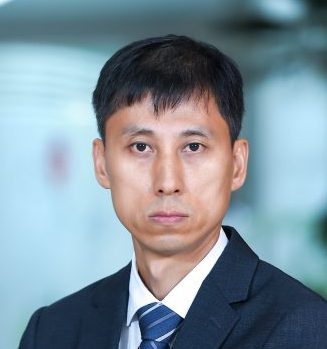
Dr. Tae Yeon Kim is an Associate Professor in the Department of Civil and Environmental Engineering at Khalifa University . He holds affiliations with the Center for Cyber-Physical Systems (C2PS) , Emirates Nuclear Technology Center (ENTC) , and the Advanced Digital & Additive Manufacturing (ADAM) Group . His academic journey includes postdoctoral/research roles at McGill University and University of Washington , along with industrial experience at Samsung Electronics . PhD, Civil and Environmental Engineering, Duke University (2007) MSc, Mathematics, Yonsei University (2001) BSc, Mathematics, Hannam University (1998) Dr. Kim specializes in computational mechanics and additive manufacturing of cementitious materials , focusing on: Non-destructive evaluation of cementitious materials and composites Finite element/meshfree methods for solid/fluid mechanics Durability/strength of micro/nano-reinforced concrete Thermo-mechanical tire-pavement interactions 3D printing applications in extreme UAE climate conditions His funded research includes projects on: Nonlinear solitary wave sensors for concrete strength assessment Temperature-dependent skid resistance modeling for UAE asphalt pavements Optimization of micro/nano reinforcements in cementitious materials 3D printed concrete infrastructure design
Virginie Ehrlacher is a Professor at CERMICS, École des Ponts ParisTech (ENPC), France. She specializes in applied mathematics with a focus on high-dimensional problems, numerical analysis, and computational modeling. Her work bridges quantum chemistry, materials science, and machine learning through innovative mathematical frameworks. Education includes: PhD in Mathematics (2012) from ENPC: Mathematical models in quantum chemistry and uncertainty quantification Habilitation (2020) from Université Paris-Dauphine: Mathematical and numerical analysis of high-dimensional and multiscale problems in materials science Research spans multiscale modeling, tensor decompositions for high-dimensional systems, cross-diffusion equations, and scientific machine learning. Her work frequently addresses challenges in quantum mechanics, materials science, and computational physics using advanced numerical techniques. Publications emphasize: Algorithms for high-dimensional PDEs and eigenvalue problems Model reduction techniques (tensor networks, reduced basis methods) Cross-diffusion systems with biological/physical applications Neural networks for scientific computing Awards and distinctions: Irène Joliot-Curie Prize (2023) Chevalier de l’Ordre National du Mérite (2025) Leadership includes: ERC Starting Grant HighLEAP (2023–2028) ERC Synergy project EMC2 (2020–2026) ANR JCJC project COMODO (2019–2023) She co-leads the EMS Topical Activity Group on Scientific Machine Learning. Affiliated with the CERMICS laboratory, she collaborates on interdisciplinary teams tackling multiscale and data-driven modeling challenges.
Ahmad Taninah serves as Assistant Professor of Physics in the Department of Chemistry and Physics at Louisiana State University Shreveport (LSUS), College of Arts and Sciences, since joining the institution in Fall 2023. Education: PhD in Nuclear Physics (2022), Mississippi State University Research Interests: Dr. Taninah conducts cutting-edge research in computational nuclear physics using Covariant Density Functional Theory (CDFT) to model exotic nuclei under extreme conditions, complemented by experimental data analysis of neutron capture reactions and gamma-ray emissions from the DANCE facility at Los Alamos National Laboratory. His work bridges theoretical modeling with experimental validation to advance nuclear structure understanding and astrophysical applications. Publications: His 2019-2024 publications reveal a cohesive research trajectory focused on refining nuclear mass predictions, optimizing energy density functionals, and extending nuclear theory to hyperheavy elements. These studies leverage high-performance computing for large-scale simulations while incorporating experimental data to enhance models for r-process nucleosynthesis and exotic nuclear behavior. Advising: Dr. Taninah actively mentors students through hands-on research opportunities in computational simulations and experimental data analysis, developing critical skills in nuclear physics methodology and high-performance computing. Collaborations: His experimental work is conducted in partnership with researchers at Los Alamos National Laboratory's DANCE facility, integrating national laboratory resources with academic research.
Hironori Iwasaki is a Professor of Physics at Michigan State University's Department of Physics and Astronomy, with a joint appointment at the Facility for Rare Isotope Beams (FRIB). His research focuses on experimental nuclear physics, particularly the investigation of exotic nuclei with unusual proton-to-neutron ratios. He joined MSU in 2009 after working at various international institutions including the University of Tokyo, IPN Orsay in France, and the University of Cologne in Germany. Dr. Iwasaki received his MS in Physics from the University of Tokyo in 1998 and completed his PhD in Physics from the same institution in 2001. Dr. Iwasaki's research centers on spectroscopy of exotic nuclei far from stability. His work examines unstable nuclei with unusual proton-to-neutron ratios, which often exhibit surprising phenomena that challenge our understanding of atomic nuclei. He aims to establish a unified understanding of nuclear structure for both stable and exotic nuclei by exploring the isospin degree-of-freedom in shell structure and collective properties. His research provides critical tests for modern nuclear theories and addresses questions concerning neutron stars and the origin of elements in the universe. A key focus of his research is in-beam gamma and particle spectroscopy with rare isotope beams, with special emphasis on lifetime measurements for nuclear levels. These measurements serve as sensitive probes for anomalies in the structure of exotic nuclei, including shape coexistence, changes in magic numbers, and proton-neutron decoupling phenomena. His work spans an extraordinary range of timescales, from nanoseconds down to zeptoseconds, requiring advanced detection systems suitable for use with rare isotope beams. Dr. Iwasaki's publication record demonstrates a consistent focus on nuclear structure, particularly examining shell evolution and lifetime measurements in exotic nuclei. His work spans from early studies of carbon isotopes in 2008 to recent investigations of mirror nuclei in 2024. A recurring theme is the examination of shell closures and intruder states in neutron-rich and proton-rich nuclei. His research increasingly utilizes advanced facilities like FRIB and sophisticated detection systems such as GRETA and TRIPLEX to achieve precise measurements of nuclear properties. No specific awards were mentioned in the provided information. Dr. Iwasaki actively mentors graduate students in his research group, where they develop experimental setups and techniques for spectroscopy and lifetime measurements using rare isotope beams. Students work hands-on with the TRIPLEX device for Doppler-shift lifetime measurements and participate in detector development projects, including radiation-hard diamond detectors. He emphasizes collaboration with early-career scientists, believing that interactions with students provide fresh perspectives and ideas. His research is supported by MSU's Facility for Rare Isotope Beams, which operates as a user facility for the U.S. Department of Energy Office of Science. Dr. Iwasaki leads the Lifetime Group at FRIB, which specializes in precise lifetime measurements of nuclear states. His team utilizes state-of-the-art equipment including GRETA (Gamma-Ray Energy Tracking Array), TRIPLEX (a plunger device for lifetime measurements), and the S800 spectrograph. The TRIPLEX device allows for application of Doppler-shift techniques, including the recoil-distance method, enabling model-independent measurements of excited-state lifetimes. His group is also involved in developing new detector technologies to advance nuclear spectroscopy capabilities.
Miguel Rivera, MD is an Associate Professor of Pathology at Harvard Medical School and Assistant Molecular Pathologist at Massachusetts General Hospital (MGH), with additional affiliation as Associate Member of the Broad Institute and Thomas F. Ryan MGH Research Scholar. His clinical expertise centers on molecular pathology for adult patients, supported by board certifications in Molecular Genetic Pathology and Anatomic Pathology. His educational foundation includes an MD from Harvard Medical School and residency training at Brigham and Women's Hospital. Rivera's research laboratory, embedded within MGH's Molecular Pathology Unit and Krantz Family Center for Cancer Research, pioneers genomic approaches to dissect gene regulation abnormalities in pediatric cancers. Research focuses on chromatin remodeling mechanisms in Wilms tumor, Ewing sarcoma, and medulloblastoma, with seminal work on the WTX tumor suppressor gene and prion-like domains in oncogenesis. His group integrates genome-wide chromatin profiling, functional genomics, and in vivo modeling to uncover therapeutic targets in pediatric solid tumors. Publication trends reveal consistent innovation in cancer epigenomics since 2004, with recent emphasis on intrinsically disordered protein domains and 3D chromatin architecture. Key contributions include elucidating EWS-FLI1's divergent chromatin remodeling mechanisms and developing DisP-seq for mapping disordered protein functions. Major recognitions include: MGH Research Scholar designation 2024 Krantz Breakthrough Award for targeting disordered protein domains in cancer Rivera directs a multidisciplinary team advancing $19 million in pathology research at MGH, with current projects exploring microsatellite repeat perturbation and WTX family functions in stem cell regulation. His work bridges genomic discovery with clinical translation in molecular diagnostics.
Paul G. Hayes is a Professor and Chair of the Department of Chemistry & Biochemistry at the University of Lethbridge , where he leads the Hayes Research Group . His work focuses on organometallic and inorganic chemistry for catalysis, biodegradable materials, and actinide/lanthanide complexes. Education : B.Sc. (Honours) in Chemistry from Mount Allison University, Ph.D. in Inorganic Chemistry from the University of Calgary, and NSERC Postdoctoral Fellowship at the University of California, Berkeley. Research Interests include: Synthesis of reactive inorganic molecules for chemical transformations and catalysis. Biodegradable/biocompatible materials using Mg, Ca, and Zn complexes. Lanthanide/actinide complexation with phosphazide ligands. Catalytic hydrocarbon functionalization via Rh and Ir complexes. His group employs high-vacuum techniques, X-ray crystallography, and spectroscopy (NMR, EPR, GPC) to characterize these systems. Recent Publications highlight advancements in rhodium-mediated heterocycle synthesis, cyclometalation suppression, and actinide-ligand interactions, spanning Angew. Chem. Int. Ed. , Dalton Trans. , and Organometallics . Key themes include ligand design, small-molecule activation, and green chemistry. Scientific Awards : Tier I Board of Governors Research Chair. NSERC Postdoctoral Fellowship. NSERC Postgraduate Scholarship. Advising and Grants include mentoring over 20 graduate/undergraduate students and securing major funding from NSERC, Alberta Ingenuity, and the Canada Foundation for Innovation. His lab’s Research Facilities include the Research Facility for Organometallic Chemistry and the New Science Building (Science Commons).
Dr. Vennapusa Sivaranjana Reddy is an Associate Professor in the Department of Chemistry at the School of Chemistry, Indian Institute of Science Education and Research Thiruvananthapuram (IISER TVM). With a career spanning theoretical and computational chemistry, her research focuses on ultrafast excited-state intramolecular proton transfer (ESIPT), intersystem crossing (ISC), and triplet state formation in organic molecules. She leads a dynamic research group investigating these phenomena through quantum molecular simulations and computational techniques. Education: M.Sc. and Ph.D. from the University of Hyderabad (2003-2010); B.Sc. from Government Arts College, Kadapa (2000-2003). Professional Experience: Associate Professor (2022–present) and Assistant Professor (2013–2022) at IISER TVM; postdoctoral fellowships at Nagoya University (Japan), Heidelberg University (Germany), and CSIR-HRDG/SERB-funded projects. Her research group explores ESIPT mechanisms in 5- and 6-membered proton transfer cycles, ultrafast ISC pathways in naphthalene and pyrene derivatives, and triplet formation in ESIPT tautomers. The 15 most recent articles highlight her expertise in designing optoelectronic materials, fluorescent probes for H2S detection, and computational modeling of spin-vibronic dynamics. She has secured significant grants from CSIR and SERB and collaborates with institutions across India and abroad. Her students have received prestigious PMRF fellowships and presented award-winning work at international conferences. Scientific Awards: Early Career Research Award (SERB, 2016), Alexander von Humboldt Postdoctoral Fellowship, GATE-2005 (All India Rank 6), UGC-CSIR qualification, and merit scholarship during M.Sc. Dr. Reddy’s group utilizes advanced computational tools like GAUSSIAN 09, TURBOMOLE 7.4, and MCTDH for electronic structure calculations and quantum nuclear dynamics. She mentors Ph.D. students and alumni, including those now at institutions like the University of Vienna and Ludwig-Maximilians-Universität München. Her teaching portfolio includes courses in physical chemistry, quantum chemistry, and computational methods.
Professor Martin Koch is a distinguished academic at the Institute of Medical Engineering at the University of Lübeck, where he serves as Head of Magnetic Resonance Imaging. Born in Dinslaken, Germany in 1968, he completed his physics education at Göttingen University, including studies at the University of Edinburgh, followed by a PhD at the University of Leipzig. After over a decade as a Research Associate at University Medical Center Hamburg-Eppendorf, he joined the University of Lübeck in 2011 as a Juniorprofessor of Magnetic Resonance Imaging, achieving full professorship in November 2018. His research focuses on advanced MRI techniques, particularly diffusion imaging methods that reveal microscopic neural structures. Koch has made significant contributions to double wave vector diffusion weighting techniques for compartment size estimation in tissue, with applications in neuroscience and clinical diagnostics. His work spans Magnetic Resonance Imaging, Diffusion Neuroscience, Functional Magnetic Resonance, Biochemical Engineering, Magnetic Particle Imaging, Nuclear Imaging, Image Computing, and X-Ray Based Imaging. Over the past two decades, his publications demonstrate consistent innovation in developing and validating advanced diffusion MRI techniques, with recent work expanding into magnetic particle imaging applications. Analysis of his 15 most recent publications reveals a strong focus on technical innovations in diffusion MRI for neural tissue characterization, with increasing applications in interventional imaging and real-time monitoring. His research shows progression from fundamental diffusion physics to clinical applications, particularly in neurological conditions and cardiovascular imaging. Professor Koch actively participates in academic governance as a Member of Promotionskolleg Schleswig-Holstein and the Zentraler Gleichstellungsausschuss. His laboratory focuses on developing novel imaging techniques that provide microscopic insights into tissue structure, with particular relevance to neurological disorders and stroke recovery monitoring.
Karol Kampf is a Professor at the Institute of Particle and Nuclear Physics within the Faculty of Mathematics and Physics at Charles University in Prague. His research bridges theoretical particle physics with experimental work at CERN, particularly through his leadership role in the NA62 experiment. He has held positions at prestigious institutions including Lund University, ETH Zurich, and CNRS in France before returning to Charles University. Ph.D. in Theoretical Particle Physics, Charles University (2004) Assistant Professor, Charles University (2005-2007) Chercheur associé at CNRS, IPN Orsay, France (2007) Post-doc at PSI ETH Villigen, Switzerland (2007-2009) Post-doc at Lund University, Sweden (2009-2011) Research Scientist, Charles University (2011-2016) Associate Professor (2016) Full Professor (2023) Kampf's research focuses on theoretical aspects of particle physics, particularly scattering amplitudes and effective field theories. His work spans from fundamental theoretical developments like soft theorems, classification of fundamental theories, and the soft bootstrap approach to phenomenological applications in Chiral Perturbation Theory, Resonance Chiral Theory, and Electroweak Theory. He has made significant contributions to the understanding of Goldstone bosons, pion physics, and string-inspired amplitude methods. His publication record shows a strong integration of theoretical developments with experimental applications, particularly through his involvement with the NA62 experiment at CERN. Recent work demonstrates a trend toward connecting abstract theoretical concepts like celestial amplitudes and double-copy relations with concrete experimental measurements in kaon physics. His research bridges the gap between high-energy theory and precision experimental physics, with applications to rare kaon decays and searches for physics beyond the Standard Model. Kampf serves as team leader for the NA62 experiment at CERN since 2012 and has chaired the doctoral study program in Particle and Nuclear Physics since 2018. He has organized numerous conferences including the Amplitudes 2022 Summer School, Amplitudes 2022, and Prague Spring Amplitudes 2023. His teaching includes courses on Electroweak Interactions, Modern Methods for Scattering Amplitudes, and Theory of Groups and Algebras in Particle Physics. At the Institute of Particle and Nuclear Physics, Kampf leads research efforts connecting theoretical amplitude methods with experimental kaon physics through the NA62 collaboration. His group works at the intersection of theoretical developments in scattering amplitudes and their application to precision measurements at CERN, creating a unique bridge between abstract theoretical physics and experimental particle physics.
Prof. Dr. Andreas G. Ladurner is a faculty member at the Faculty of Medicine , Ludwig-Maximilian University of Munich, where he leads the Department of Physiological Chemistry . His research focuses on the molecular mechanisms of chromatin plasticity, particularly through post-translational modifications like ADP-ribosylation and acetylation, and their interplay with cellular metabolites. Discovered the first cellular receptor for glucose metabolites Elucidated PARP1's role in chromatin remodeling Defined macrodomain proteins' function in ADP-ribosylation His work bridges structural biology, epigenetics, and metabolism, with significant implications for cancer and metabolic diseases. Recent publications highlight his group's contributions to DNA damage response and chromatin dynamics. Funded by the BioM m4 Award , his lab investigates: Regulation of transcription factors by metabolites Mechanistic insights into the histone chaperone FACT Molecular dissection of ADP-ribosylation signaling
Prof. Dr. Tomohisa Toda serves as a Group Leader at the German Center for Neurodegenerative Diseases (DZNE) in Dresden, Germany, where he leads research on the biological links between aging and neurological disorders. His primary research interests encompass aging mechanisms, neurodegenerative diseases, and nuclear architecture in neural cells. Specifically, Dr. Toda investigates how nucleoporins and nuclear lamins establish cell type-specific nuclear organization to maintain neural identity and plasticity throughout life. His laboratory employs mouse models and stem cell biology to dissect the molecular pathways that deteriorate during pathological aging. Dr. Toda's publication record includes significant contributions such as a 2017 Cell Stem Cell paper demonstrating nucleoporins' role as structural gatekeepers for neural identity. His work spans broad disciplines including neuroscience, cell biology, and aging research, with specific focus on nuclear pore complex dynamics, transcription factor networks, and age-related protein damage in the brain. The Toda laboratory at DZNE Dresden is dedicated to uncovering fundamental principles of neural maintenance and how their disruption leads to disease, utilizing interdisciplinary approaches to address critical questions in brain aging and neurodegeneration.
Victor Agmo Hernandez is a Senior Lecturer and Associate Professor at Uppsala University's Department of Medicinal Chemistry, specializing in Analytical Pharmaceutical Chemistry and Pharmaceutical Physical Chemistry. His research focuses on lipid membrane systems and their applications in drug delivery and biosensing. Dr. Agmo Hernandez obtained his B.Sc. in Chemical Sciences from the Monterrey Institute of Technology in Mexico in 2002, followed by a Ph.D. in Analytical Chemistry from the University of Greifswald, Germany in 2008. After completing a postdoc at Uppsala University starting in 2008, he became a researcher at the Department of Chemistry-BMC in 2013 and was appointed Associate Professor (Docent) in 2014. His primary research interests include: Self-associated lipid systems and surface chemistry Properties of lipid membranes and their interactions with solutes Electrochemical and nanogravimetric (QCM-D) methods for studying lipid modified substrates Interactions of lipid membranes with peptides, proteins, and inorganic materials Development of lipodisks and other lipid-based drug delivery systems Analysis of his recent publications reveals a consistent focus on lipid membrane structure, stability, and interactions. His work spans fundamental biophysical studies of membrane properties to applied research in drug delivery systems, particularly using lipodisks for therapeutic applications. A notable trend is his expertise in using specialized measurement techniques like QCM-D, neutron reflectometry, and electrochemical methods to study membrane phenomena with high precision. Dr. Agmo Hernandez has received recognition for his work, with publications referenced in patents and cited by numerous researchers on platforms like Mendeley. His research group appears to focus on advancing our understanding of lipid membrane behavior while developing practical applications in drug delivery, particularly for cancer therapies and targeted treatments. Recent work shows continued innovation in optimizing lipodisk properties for specific therapeutic applications.
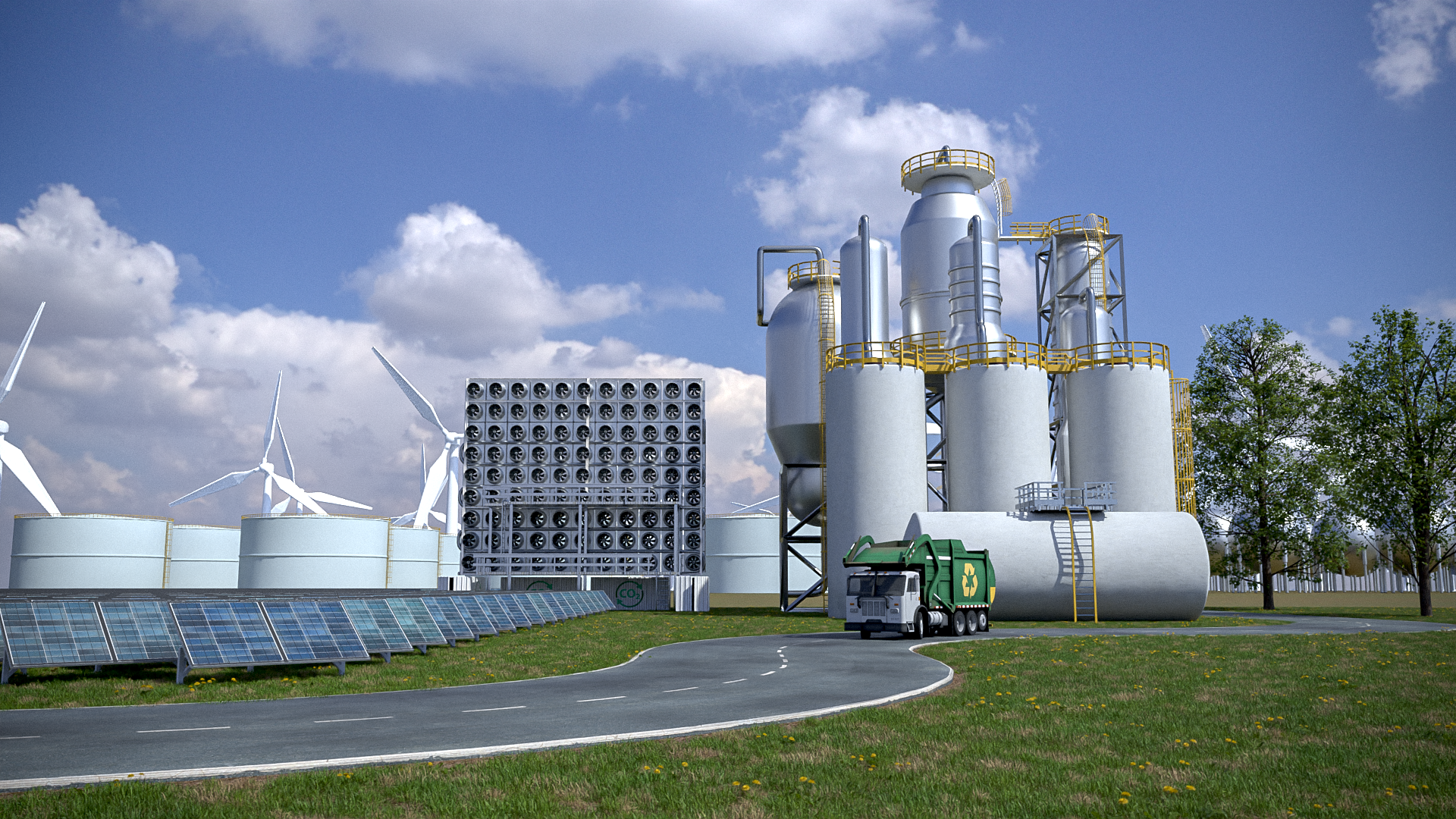
Jean-Daniel Penot is a Researcher at CESI's Research and Innovation Department , with expertise in additive manufacturing, materials science, and industrial integration. His work bridges advanced manufacturing technologies with environmental sustainability and educational innovation. Doctorate in Materials Physics (2010) Engineering Degree in Physics (2007) Research Master in Optoelectronics (2007) Penot's research spans Additive Manufacturing and its applications in automotive, nuclear, and construction sectors. He focuses on Laser-Material Interaction , Machine Learning for process optimization, and Sustainable Engineering through life cycle assessments and geopolymer applications. His recent publications emphasize BIM , AM Modular Plants , and Defect Analysis in 3D-printed metals. Penot leads France Additive initiatives and contributes to International Standards as a board member. Penot supervises PhD students including Maryam Houhou and Amal Khabouchi , with a focus on Industrial Security and Energy Transitions . His projects integrate Thermal Comfort , Ultrasonic Inspection , and Quality Assurance in additive manufacturing systems.
Prof. Bert Weckhuysen is a University Professor of 'Catalysis, Energy & Sustainability' at Utrecht University since 2018, previously serving as Faculty Professor at the Faculty of Science since 2012 and Professor of Inorganic Chemistry & Catalysis since 2000. His research is centered at the Chemistry Institute for Sustainable and Circular Chemistry within the Faculty of Science at Utrecht University, where he leads the Inorganic Chemistry and Catalysis research group. Prof. Weckhuysen's research focuses on developing structure-activity relationships in heterogeneous catalysis and materials science, with special emphasis on advanced in situ and operando characterization techniques. His work spans several critical areas including: Development and application of spatiotemporal operando spectroscopy to elucidate active sites in catalyst materials Catalytic conversion of biomass, plastic waste, and CO 2 Molecular design of materials for catalysis, adsorption, and separation Pathways to Sustainability with focus on Energy in Transition and Circular Economy His most recent publications demonstrate strong trends in operando characterization techniques, sustainable catalysis for CO 2 conversion, plastic waste valorization, and advanced materials design. The research spans fundamental understanding of catalyst behavior under working conditions to practical applications in energy transition and circular economy. Prof. Weckhuysen has received numerous prestigious awards including: Michel Boudart Award for the Advancement of Catalysis (2025) Karl Wamsler Innovation Award (2024) Chemistry Europe Award (2023) Spinoza Award (2013) - the highest scientific honor in the Netherlands Francqui Chair at the University of Antwerp (2024-2025) As a dedicated educator and mentor, Prof. Weckhuysen coordinates the Da Vinci Project and the Syllabus Catalysis Course. He has secured significant research funding including ERC Advanced Grants, Gravitation grants, and serves as Scientific Director of major research initiatives including SUNERGY, ARC-CBBC, and MCEC. His leadership extends to editorial roles for numerous high-impact journals including serving as Editor-in-Chief of Catalysis Science and Technology. Prof. Weckhuysen leads a vibrant research group focused on operando spectroscopy and sustainable catalysis, with strong connections to industry through initiatives like ARC-CBBC and SUNERGY. His group is actively working on developing the "Refinery of the Future" concept, which envisions producing fuels, chemicals, and materials from renewable resources and energy.
Jeffrey D. Hirsch is an Assistant Professor in the Department of Diagnostic Radiology and Nuclear Medicine at the University of Maryland, School of Medicine. He specializes in image-based 3D printing, medical informatics, and musculoskeletal imaging. Education: B.S. in Optics, University of Rochester (1986) M.D., Uniformed Services University of the Health Sciences (2000) Research interests: Dr. Hirsch focuses on integrating 3D printing with medical imaging, enhancing diagnostic imaging workflows through informatics, and advancing musculoskeletal imaging techniques. His work bridges radiology with emerging technologies. Publications: His 2015 publication on DICOM standards and contrast administration highlights his emphasis on optimizing digital imaging protocols and leveraging existing data structures for clinical improvements.