Prajwal Boddu, MD , is an Instructor of Medicine in the Department of Medical Oncology and Hematology at Yale School of Medicine. He holds affiliations with the Janeway Society and Pillai Lab at Yale Cancer Center. His clinical expertise spans hematology and oncology, focusing on blood disorders and malignancies. Dr. Boddu completed his MD at Osmania Medical College (2012), followed by residency at Advocate Illinois Masonic Medical Center (2016) and a hematology fellowship at MD Anderson Cancer Center (2018). Research Interests : Dr. Boddu’s work centers on RNA-mediated epigenetic reprogramming in clonal myeloid disorders. He investigates transcription elongation defects linked to SF3B1 mutations and their role in chromatin landscape alterations. His studies also explore therapeutic strategies for splicing factor mutant myelodysplastic syndromes (MDS). Collaborations : Active collaborations include Dr. Manoj Pillai (mentor), Karla Neugebauer, Rory Shallis, and Amer Zeidan, focusing on RNA processing, chromatin dynamics, and transcriptional regulation in hematologic cancers. Labs & Teams : He is affiliated with the Pillai Lab and participates in interdisciplinary teams at the Janeway Society and Yale Cancer Center, emphasizing translational research in blood cancers.
Stijn P. De Langhe, Ph.D., is a Professor at Mayo Clinic in Rochester, Minnesota, with appointments in the Department of Internal Medicine, Division of Pulmonary and Critical Care Medicine, and the Department of Biochemistry and Molecular Biology. His research is centered on lung regeneration, focusing on the molecular mechanisms of lung development and their role in diseases such as pulmonary fibrosis, COPD, asthma, and ARDS. Dr. De Langhe’s research interests lie in understanding lung stem cell niche interactions, particularly the bidirectional signaling between epithelial and mesenchymal cells. His work emphasizes how developmental pathways like FGF10 and Hippo signaling are reactivated during injury and repair, and how their dysregulation contributes to fibrotic lung diseases. He explores processes including cell quiescence, proliferation, differentiation, migration, and survival in the context of lung regeneration. The trends in his recent publications highlight a consistent focus on FGF10 signaling, epithelial-mesenchymal crosstalk, Hippo pathway regulation, and niche-mediated repair. His studies utilize mouse models and advanced techniques such as fluorescence in situ hybridization to investigate mechanisms of cell competition, bronchiolization, and alveolar epithelial regeneration in pulmonary fibrosis. Chair, 2nd Epithelial Mesenchymal Interactions in Lung Development and Fibrosis Conference, Fusion Conferences, 2022 Chair, Epithelial Mesenchymal Interactions in Lung Development and Fibrosis Conference, Fusion Conferences, 2019 Dr. De Langhe has been a principal investigator on multiple NIH-funded research projects, including ongoing studies on cell competition in pulmonary fibrosis and ARDS, epithelial stem cell Hippo signaling, and FGF10-mediated epithelial-mesenchymal interactions. He has collaborated extensively with researchers across institutions and disciplines. His lab serves as a hub for investigating lung developmental biology and its implications for regenerative medicine. He has mentored numerous trainees and contributes to major scientific conferences in his field.
Lothar Jänsch is a Professor and Research Group Leader at the Helmholtz Centre for Infection Research (HZI) , jointly appointed with the Technical University of Braunschweig . His work bridges proteomics and infection biology , focusing on pathogen-host interactomes and immune response regulation. Studied biology at the Free University of Berlin (diploma 1995), earned his doctorate in 1998 (IGF Berlin/University of Hanover) Postdoc at GBF (now HZI) since 2000, led projects on virulence factors (2003-2006), and established the Cellular Proteomics group in 2009 Appointed to the W2 professorship for Proteomics in Infectious Processes in 2011 Research emphasizes translational projects with academic, medical, and industrial partners, particularly on: Pathogen-host interactomes (e.g., Pseudomonas aeruginosa , Clostridioides difficile , Listeria monocytogenes ) Immune response control mechanisms in infection models (MAIT cells, NK cells, Tregs) Proteomic characterization of extracellular vesicles, biofilms, and subcellular structures Drug discovery targeting bacterial virulence factors (e.g., quinoxalinediones for α-hemolysin) Recent publications highlight interdisciplinary approaches combining mass spectrometry , kinome analysis , and phosphoproteomics to study: Bacterial virulence regulation (PqsE chaperone activity, NirS-DnaK-FliC complex) Lipid signaling (nSMase2, sphingomyelinase) Drug mechanisms (aminoratjadone, salinilactones) Stress response pathways (PerR mutation in C. difficile)
Sohrab Shah, PhD is the Chief of Computational Oncology and holds the Nicholls-Biondi Chair in Computational Oncology at Memorial Sloan Kettering Cancer Center within the Department of Epidemiology and Biostatistics. He leads a vibrant research program focused on computational oncology, leveraging big data resources to translate biologic knowledge to clinical practice and serves as an active faculty member at Gerstner Sloan Kettering Graduate School of Biomedical Sciences. Dr. Shah received his PhD in Computer Science from the University of British Columbia in 2008. Prior to joining MSK, he served as an associate professor in the department of pathology and laboratory medicine and a senior scientist in the department of molecular oncology with BC Cancer. He was also an associate member in the department of computer science at UBC and the Genome Sciences Centre at BC Cancer. Dr. Shah's research focuses on understanding cancer evolution through integrative approaches involving genomics and computational modeling. His lab investigates cancer evolution , single cell genomics and transcriptomics , mutational processes , and prediction of drug response . The Shah Lab develops computational methods for deciphering patterns of cancer evolution, with translational focus on breast and ovarian cancer. They leverage single cell technologies combined with machine learning tools to study cellular dynamics of cancer in patients before, during, and after treatment, with specific projects including spatio-temporal evolution of ovarian cancer and malignant-immune cell interactions. Dr. Shah's recent publications demonstrate a strong focus on multimodal data integration, combining genomics, imaging, and clinical data to improve cancer diagnosis and treatment prediction. His work spans breast cancer, ovarian cancer, and other malignancies, with particular emphasis on understanding tumor evolution and developing computational tools for precision oncology applications, including single cell dynamics, drug sensitivity/resistance mechanisms, and computational pathology. Dr. Shah has received numerous prestigious awards and honors: Susan B Komen Scholar (2018, 2021) Clarivate Analytics Highly Cited Researchers (2018) Nicholls-Biondi Endowed Chair in Computational Oncology Canada Research Chair in Computational Cancer Genomics As Chief of Computational Oncology, Dr. Shah leads a large team of computational biologists, software engineers, and researchers. His lab includes multiple instructors, research fellows, computational biologists, and graduate research assistants. He has successfully secured significant funding to support his research program and has established collaborations across MSK and with external institutions including University of British Columbia and BC Cancer. His lab actively mentors graduate students through the Gerstner Sloan-Kettering Graduate School and Tri-Institutional Computational Biology & Medicine program. The Shah Lab is housed within MSK's newly created Computational Oncology Research Campus on the Upper East Side of New York, in close proximity to Memorial Hospital, Weill Cornell Medical College, and Rockefeller University. The lab maintains active collaborations with clinicians and researchers across MSK, with a strong focus on translating computational findings into clinical applications. Dr. Shah also serves as a recruitment point for new faculty positions in computational oncology at MSK.
Dr. Kristin Dittenhafer-Reed is an Associate Professor of Chemistry at Hope College, where she joined the faculty in 2016. Her research and teaching are focused in biochemistry, specifically studying the biochemical mechanisms that control mitochondrial function. Dr. Dittenhafer-Reed earned her B.S. in Chemistry from Hope College (2009), followed by a Ph.D. in Biochemistry from the University of Wisconsin-Madison (2014), and completed postdoctoral training at the Center for Cancer and Cell Biology, Van Andel Research Institute (2014-2016). Her research focuses on understanding fundamental biochemical processes occurring in mitochondria, often considered the powerhouse of the cell. The Dittenhafer-Reed lab employs biochemistry, molecular biology and cell biology approaches to explore how processes within mitochondria work in a healthy context to enable avenues for the treatment of conditions caused when mitochondria are not functioning properly. Specifically, her lab investigates how the expression of mitochondrial DNA is regulated and how the mitochondria and nucleus communicate to meet varying energetic demands of a cell. Understanding mitochondrial function in human health and disease Mechanisms of control of mitochondrial DNA transcription Regulation of mitochondrial gene expression Post-translational modifications in mitochondrial regulation Analysis of Dr. Dittenhafer-Reed's publications reveals a consistent focus on mitochondrial biochemistry, particularly the role of sirtuins (especially SIRT3) in regulating mitochondrial metabolism through protein deacetylation. Her work bridges fundamental biochemical mechanisms with implications for metabolic diseases, aging, and neurological disorders. The research demonstrates increasing sophistication in techniques, moving from basic enzymology to systems-level approaches including proteomics and multi-tissue metabolic coordination. Dr. Dittenhafer-Reed has received significant recognition for her work: National Science Foundation CAREER Award (2022) Schaap Research Fellow (2020-2025) National Science Foundation Major Research Instrumentation Grant (2020-2023) Hope College 10 under 10 Alumni Award (2019) Towsley Research Scholar (2019) As an active researcher at an undergraduate institution, Dr. Dittenhafer-Reed maintains a robust research program that integrates undergraduate students into meaningful scientific discovery. Her laboratory has secured competitive external funding from the National Science Foundation and other sources, enabling state-of-the-art research while providing valuable training opportunities for students. Her work on mitochondrial transcription regulation represents a significant contribution to understanding how cells maintain energy homeostasis. The Dittenhafer-Reed Research Group operates within the Department of Chemistry at Hope College, utilizing biochemical, molecular, and cell biological approaches to investigate mitochondrial function. The lab's work on mitochondrial nucleoid proteins and transcriptional regulation has positioned it at the forefront of understanding how mitochondrial gene expression is controlled in response to cellular energy demands.
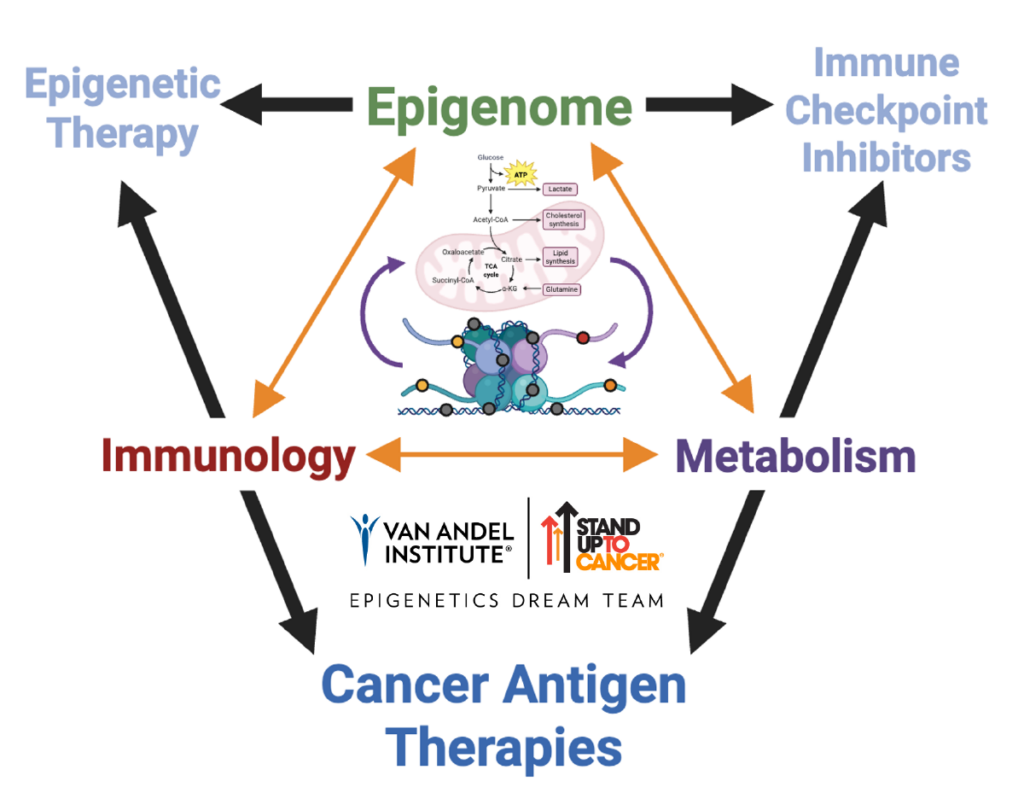
H. Josh Jang is an Assistant Professor in the Department of Cell Biology at Van Andel Institute , where he leads the Jang Laboratory focused on improving cancer immunotherapies through epigenetic and metabolic research. He joined the Institute in 2025 after serving as a VAI Fellow (2020-2025) under Nobel laureates Peter A. Jones and Stephen B. Baylin. Education : B.S. in Health Promotion and Disease Prevention (University of Southern California), Ph.D. in Molecular Genetics and Genomics (Washington University in St. Louis) Key Collaborations : Van Andel Institute–Stand Up To Cancer® Epigenetics Dream Team His research explores the epigenetic-metabolic crosstalk in cancer progression, targeting reversible vulnerabilities to enhance immune checkpoint inhibitors. Current projects include transposable element activation , RNA splicing dysregulation , and tumor microenvironment characterization using single-cell and spatial sequencing technologies. Recent publications demonstrate expertise in multi-omics analysis , clinical trial design , and epigenetic therapy optimization across diverse cancers. His work has generated 15 clinical trials through the VAI-SU2C Dream Team collaboration. Scientific Awards : K99/R00 Pathway to Independence grant (NCI) SPORE Epigenetic Therapies Career Enhancement Award (NCI) Forbeck Scholar (2021)
Professor Craig MacLean is a faculty member in the Department of Zoology at the University of Oxford, with affiliations to the Department of Biology across two campuses (Mansfield Road and South Parks Road). His research focuses on evolutionary processes driving antibiotic resistance in pathogenic bacteria, particularly Pseudomonas aeruginosa . Central themes include fitness costs of resistance, intervention strategies, plasmid-mediated resistance, and genomic influences on resistance evolution. Research interests encompass understanding why resistance genes persist despite costs, how antibiotic use patterns influence resistance dynamics, and the ecological roles of plasmids. His work also explores interactions between bacteria and yeasts, fungi, and phages, as well as the genomic basis of adaptation. The MacLean Lab’s studies integrate experimental evolution and molecular genetics to address urgent clinical and ecological challenges posed by antibiotic resistance. Recent publications highlight trends in plasmid evolution, CRISPR-Cas systems as resistance barriers, and the impact of environmental factors like temperature on bacterial adaptation. His work underscores the importance of evolutionary principles in mitigating resistance spread. No scientific awards are explicitly mentioned in the provided texts. While no formal advisees or grants are listed, the MacLean Lab collaborates extensively on projects funded by un-named organizations. The lab’s activities are centered on experimental approaches to dissecting the mechanisms underlying resistance evolution, with a focus on both fundamental evolutionary biology and applied clinical microbiology. Lab locations include the Department of Zoology and two Department of Biology addresses in Oxford. His research bridges multiple disciplines, emphasizing the interplay between bacterial genetics, ecology, and clinical outcomes in the context of antibiotic resistance.
Dr. Buddini Karawdeniya is an Assistant Professor in the Department of Chemistry and Biochemistry at The Ohio State University, affiliated with the College of Arts and Sciences. She leads the Karawdeniya Nano-Sensing and Innovations Laboratory (KNSI Lab) in the Department of Biomedical Engineering (College of Engineering). Her research focuses on developing nanotechnology-driven sensing systems for biomedical applications, including diagnostics, pharmaceutical quality assurance, and environmental monitoring. Key areas include single-molecule solid-state nanopore sensing, gas/fluid surveillance for wearable devices, and surface-engineered systems. Education : Ph.D. in Analytical Sensors, University of Rhode Island, USA (2018) Graduate Chemist, Institute of Chemistry Ceylon, Sri Lanka (2010) Bachelor of Science in Biological Sciences, University of Colombo, Sri Lanka (2010) Her research integrates micro/nano-technology with chemical approaches to create practical, user-friendly technologies. Core thrusts include: Single-molecule nanopore sensing for biomedical diagnostics (e.g., viral infections, cancer biomarkers) Gas/fluid sensing for non-invasive exhaled breath analysis and diabetes monitoring Surface-engineered systems for enhanced selectivity and anti-fouling properties Dr. Karawdeniya emphasizes mentorship through Individual Development Plans (IDPs) to guide students in research, communication, and professional networking. Her lab’s innovations aim to bridge gaps between cutting-edge nanotechnology and real-world biomedical challenges.
Dzung Do-Ha is an Associate Research Fellow at the School of Chemistry and Molecular Bioscience, University of Wollongong, Australia. Their research focuses on neurodegenerative diseases including ALS/FTD, Alzheimer’s disease, and vanishing white matter disease. They specialize in developing induced pluripotent stem cell (iPSC) models to study disease mechanisms and identify therapeutic targets. Dr. Do-Ha leads projects involving cellular modeling, drug repurposing, and advanced imaging techniques. Current research interests include investigating ubiquitin proteasome system dysfunction in motor neurons, astrocyte-neuron interactions in neurodegeneration, and developing high-throughput screening platforms for cytoprotective drugs. They also explore biomolecular condensates as novel biomaterials and apply computational methods like deep learning for electrophysiological signal analysis. Dr. Do-Ha has secured funding for equipment upgrades (e.g., IncuCyte SX5 live cell imaging) and optogenetic tools for MND research. They currently supervise three PhD students focusing on Alzheimer’s disease microglial function, ALS astrocyte roles, and neural progenitor cell guidance engineering. Key achievements include pioneering iPSC differentiation protocols for cholinergic neurons and identifying cytoprotective drugs for vanishing white matter disease. Their work bridges stem cell biology, computational modeling, and translational drug discovery to address unmet clinical needs in neurodegenerative disorders.
Simon Maksour is an Associate Research Fellow at the University of Wollongong, Faculty of Science, Medicine and Health, within the School of Chemistry and Molecular Bioscience. His research focuses on understanding cellular and molecular changes in the central nervous system during early disease progression in neurodegenerative conditions. Appointed: December 2022 - Present PhD: University of Wollongong (March 2018 - March 2023) ORCID: 0000-0002-1837-3863 Maksour's research interests center on stem cell models for neurodegenerative diseases, with particular expertise in induced pluripotent stem cell (iPSC) technology to generate neural cells and organoids. His work spans multiple disease areas including Motor Neurone Disease, Alzheimer's disease, Friedreich's ataxia, Vanishing White Matter disease, Huntington's disease, and Parkinson's disease. He specializes in modeling neurodevelopment and neurodegeneration processes using advanced cellular systems. Analysis of Maksour's recent publications (2022-2025) reveals a strong focus on Alzheimer's disease mechanisms, with particular attention to epigenetic regulation, calcium signaling, and neuronal excitability. His work increasingly incorporates computational approaches for neural data analysis and imaging, as evidenced by multiple publications on machine learning applications in neuroscience. A significant portion of his research investigates microglial function in neurodegenerative contexts and develops innovative stem cell-based models to replace animal testing. Maksour currently supervises two PhD students investigating microglial dysfunction in Amyotrophic Lateral Sclerosis and Alzheimer's disease. His research program is supported by multiple funding sources including: Investigating intercellular mitochondrial transfer using human stem cell models (2024) Microglial cell replacement as a novel stem cell therapy for Motor Neuron Disease (2023) Replacing animal models with iPSC-derived neural cells for Huntington's Disease research (2023) Advancing High-Throughput Live Cell Imaging capabilities (2023) His laboratory work integrates multiple approaches including proteomics, electrophysiology, live-cell imaging, and advanced stem cell differentiation techniques to model neurological disorders and identify potential therapeutic interventions.
Steven Bell is a Postdoctoral Research Associate in the Department of Biosciences at Durham University. His email is steven.bell@durham.ac.uk. His research interests focus on cellular mechanisms involving redox signaling, collagen biology, and molecular chaperones within cancer and tissue contexts. He investigates how proteins like AGR2 and SH3BGRL regulate cellular processes in diseases such as esophageal adenocarcinoma, and explores the impact of reductive stress on collagen dynamics and signaling pathways in fibroblasts. His work combines proteomics, interactome studies, and advanced imaging tools to unravel complex biological systems. Recent articles highlight his contributions to understanding collagen secretion dynamics and the role of mutant p53 in tumor biology. He also studies redox-sensitive quality control mechanisms in secretory pathways, linking molecular chaperones to disease progression. These studies emphasize translational research potential in cancer and regenerative medicine. No scientific awards or grants are explicitly mentioned in the provided texts. Steven has no listed advisees, consistent with his postdoctoral role. While specific lab affiliations are not detailed, his research is conducted within the Department of Biosciences. Collaborations with groups studying cancer biology, redox signaling, and extracellular matrix dynamics are evident from his publication co-authors.
Dr Alan Harper is a Lecturer in Bioscience and Academic Conduct Officer at the Keele University School of Medicine. He serves as the Group Lead of the Cardio-respiratory Research Group. His primary affiliation is with Keele University, located in Staffordshire, UK. He holds a first-class BA(Hons) in Natural Sciences (specializing in Physiology) from Queens’ College, University of Cambridge, and a PhD in Physiology from the University of Cambridge, funded by a British Heart Foundation studentship. He also held a Junior Research Fellowship at St Catharine’s College, Cambridge (2007–2009), during which he taught physiology to medical, veterinary, and natural science students and served as Director of Studies for first-year preclinical medicine students. Education : BA(Hons) in Natural Sciences (specializing in Physiology), Queens’ College, University of Cambridge PhD in Physiology, Department of Physiology, Development and Neuroscience, University of Cambridge British Heart Foundation PhD Studentship (2004–2007) Junior Research Fellowship at St Catharine’s College, University of Cambridge (2007–2009) Research Interests : Dr Harper’s research focuses on calcium signaling mechanisms in human platelets, particularly their role in physiological clotting and pathological thrombosis. His work aims to identify novel drug targets by studying how calcium signaling dysregulation contributes to cardiovascular disorders like deep vein thrombosis, pulmonary embolism, and stroke. He emphasizes systems-level analysis of platelet calcium signaling, combining experimental techniques with computational modeling to decode signaling pathways. Recent efforts include developing biomimetic models of arterial walls to simulate thrombus formation without animal testing, as well as investigating platelet dysfunction in diseases such as diabetes and hypertension. Publications Overview : His recent publications highlight advancements in thrombus modeling, magnetic hyperthermia for clot treatment, and biomimetic tissue engineering. Notable contributions include the development of a humanized thrombus-on-a-chip model and the application of calcium-binding nanoparticles to control platelet activity. Grants & Awards : He holds a British Heart Foundation Project Grant (co-held with Drs. Sage and Mason) investigating sodium-calcium exchangers in platelets. No scientific awards are explicitly listed, though his research has been supported by major funding bodies. Advising & Mentorship : While no advisee names are listed, his roles in teaching and research leadership suggest involvement in mentoring students and junior researchers. Labs & Teams : He leads the Cardio-respiratory Research Group, which focuses on innovative approaches to cardiovascular research, including nanotechnology-driven diagnostics and 3D tissue-engineered models of vascular systems.
Yifeng Li is an Associate Professor in the Department of Computer Science at Brock University, cross-appointed in Biological Sciences and the Centre for Biotechnology. He holds a Canada Research Chair in Machine Learning for Biomedical Data Science and leads the Brock Biomedical Data Science Lab. His research focuses on AI, machine learning, data science, and their applications in computational biology and bioinformatics. Education: BSc/MSc (Computer Science, Shandong Institute of Light Industry) PhD (Computer Science, University of Windsor) Postdoc (Bioinformatics, University of British Columbia) Research Interests: AI algorithms inspired by neuroscience, deep learning for genomics, drug design, and healthcare applications. He has over 40 peer-reviewed publications and numerous grants, including NSERC and CFI funding. His lab develops tools like MVMF and DECRES for integrative data analysis. He supervises MSc/PhD students in AI, bioinformatics, and computational biology. Awards: Canada Research Chair, NSERC Discovery Grant, NRC Rising Star Award, and 20+ scholarships/honors.
Dr. Blessing Ogbuokiri is an Assistant Professor in the Department of Computer Science at Brock University, Canada. He holds a PhD in Computer Science from the University of the Witwatersrand (South Africa) and has held roles including Postdoctoral Researcher at York University and Instructor in AI/infectious diseases modeling. His expertise spans machine learning, NLP, responsible AI, multi-modality, and theoretical computing. Education: BSc (Hons) from University of Nigeria, Nsukka; MSc (Cloud Computing) from University of Nigeria; PhD (Theoretical Computing/Machine Learning) from Wits University. Research focuses on AI applications in healthcare, including disease prediction, NLP for public health surveillance, and ethical AI frameworks. He has secured 5+ research grants and 5+ academic awards. Recent activities include guest lecturing on machine translation at the University of Johannesburg.
Prof. Frederic Fol Leymarie is a Professor in the Department of Computing at Goldsmiths, University of London. He specializes in AI, robotics, and computer graphics, with a focus on creative systems and their applications in art and biosciences. His work includes developing robots capable of artistic skills, interactive platforms like FoldSynth for molecular visualization, and projects like Mutator VR. He co-leads the MSc in Computer Games & Entertainment and teaches advanced topics in graphics and game design. His research spans shape understanding, AI-driven art, and interdisciplinary collaborations with bioscience specialists. Education: PhD in Computer Science from Brown University (2003) Key Projects: Mutator VR (2016–2020): An artistic VR project FoldSynth: Interactive tool for visualizing molecular structures Bioblox: Educational game for protein docking Research Interests: AI creativity, human-robot interaction, computer vision, and art-technology interfaces Prof. Leymarie leads London Geometry , a consulting group applying geometric algorithms to solve complex problems. His work bridges computational methods with artistic and scientific domains, emphasizing interdisciplinary innovation.

%20(297%20x%20210%20mm)_KNSI.png)