معرفی
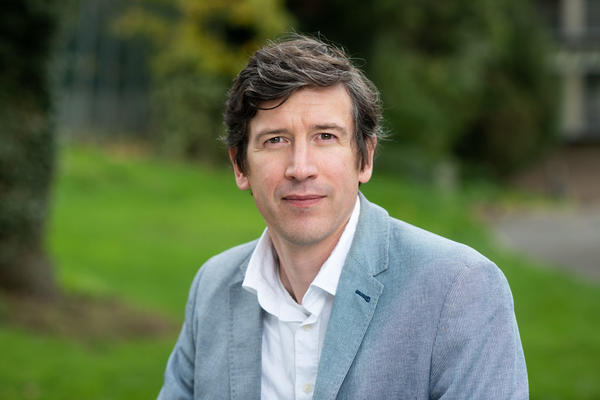
Professor Craig MacLean is a faculty member in the Department of Zoology at the University of Oxford, with affiliations to the Department of Biology across two campuses (Mansfield Road and South Parks Road). His research focuses on evolutionary processes driving antibiotic resistance in pathogenic bacteria, particularly Pseudomonas aeruginosa. Central themes include fitness costs of resistance, intervention strategies, plasmid-mediated resistance, and genomic influences on resistance evolution.
Research interests encompass understanding why resistance genes persist despite costs, how antibiotic use patterns influence resistance dynamics, and the ecological roles of plasmids. His work also explores interactions between bacteria and yeasts, fungi, and phages, as well as the genomic basis of adaptation. The MacLean Lab’s studies integrate experimental evolution and molecular genetics to address urgent clinical and ecological challenges posed by antibiotic resistance.
Recent publications highlight trends in plasmid evolution, CRISPR-Cas systems as resistance barriers, and the impact of environmental factors like temperature on bacterial adaptation. His work underscores the importance of evolutionary principles in mitigating resistance spread. No scientific awards are explicitly mentioned in the provided texts.
While no formal advisees or grants are listed, the MacLean Lab collaborates extensively on projects funded by un-named organizations. The lab’s activities are centered on experimental approaches to dissecting the mechanisms underlying resistance evolution, with a focus on both fundamental evolutionary biology and applied clinical microbiology.
Lab locations include the Department of Zoology and two Department of Biology addresses in Oxford. His research bridges multiple disciplines, emphasizing the interplay between bacterial genetics, ecology, and clinical outcomes in the context of antibiotic resistance.