معرفی
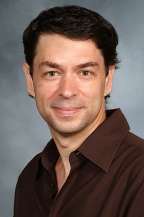
Simon Maksour is an Associate Research Fellow at the University of Wollongong, Faculty of Science, Medicine and Health, within the School of Chemistry and Molecular Bioscience. His research focuses on understanding cellular and molecular changes in the central nervous system during early disease progression in neurodegenerative conditions.
- Appointed: December 2022 - Present
- PhD: University of Wollongong (March 2018 - March 2023)
- ORCID: 0000-0002-1837-3863
Maksour's research interests center on stem cell models for neurodegenerative diseases, with particular expertise in induced pluripotent stem cell (iPSC) technology to generate neural cells and organoids. His work spans multiple disease areas including Motor Neurone Disease, Alzheimer's disease, Friedreich's ataxia, Vanishing White Matter disease, Huntington's disease, and Parkinson's disease. He specializes in modeling neurodevelopment and neurodegeneration processes using advanced cellular systems.
Analysis of Maksour's recent publications (2022-2025) reveals a strong focus on Alzheimer's disease mechanisms, with particular attention to epigenetic regulation, calcium signaling, and neuronal excitability. His work increasingly incorporates computational approaches for neural data analysis and imaging, as evidenced by multiple publications on machine learning applications in neuroscience. A significant portion of his research investigates microglial function in neurodegenerative contexts and develops innovative stem cell-based models to replace animal testing.
Maksour currently supervises two PhD students investigating microglial dysfunction in Amyotrophic Lateral Sclerosis and Alzheimer's disease. His research program is supported by multiple funding sources including:
- Investigating intercellular mitochondrial transfer using human stem cell models (2024)
- Microglial cell replacement as a novel stem cell therapy for Motor Neuron Disease (2023)
- Replacing animal models with iPSC-derived neural cells for Huntington's Disease research (2023)
- Advancing High-Throughput Live Cell Imaging capabilities (2023)
His laboratory work integrates multiple approaches including proteomics, electrophysiology, live-cell imaging, and advanced stem cell differentiation techniques to model neurological disorders and identify potential therapeutic interventions.