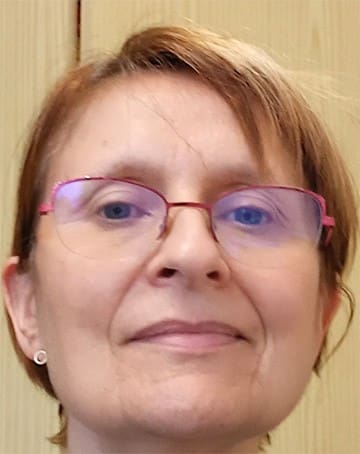
Anne Tessier is a Professor of Physiology at the University of Burgundy, affiliated with the INSERM U1093 CAPS laboratory within the UFR Sciences de Santé. Her research focuses on molecular neurobiology, BDNF-dependent neuroplasticity, and the interplay between exercise, electromyostimulation, and brain health. She holds a PhD in Biochemistry and Pharmacology from the University of Lyon (1993–96) and obtained accreditation to supervise research (HDR) in 2007, titled 'Apoptosis, Inflammation, and Cerebral Plasticity.' Her work bridges cardiovascular health and cognitive function, emphasizing the role of BDNF in muscle-brain communication. Key themes include the molecular mechanisms of exercise-induced BDNF overproduction, endothelial BDNF sources, and the impact of anti-rheumatic drugs on neurovascular pathways. Her studies employ rodent models to explore neuroplasticity post-injury and the effects of interventions like electrical stimulation on cerebral health. Publications highlight her contributions to understanding BDNF’s role in neuroprotection, vascular tone regulation, and the link between rheumatoid arthritis and neuropsychiatric outcomes. Her research also addresses the therapeutic potential of compounds like tofacitinib and diclofenac in improving endothelial dysfunction and BDNF levels in inflammatory conditions. Dr. Tessier’s work is published in journals such as Frontiers in Molecular Neuroscience , Journal of Cerebral Blood Flow and Metabolism , and Vascular Pharmacology . Her studies emphasize translational applications, aiming to bridge basic science and clinical neuroprotection strategies.
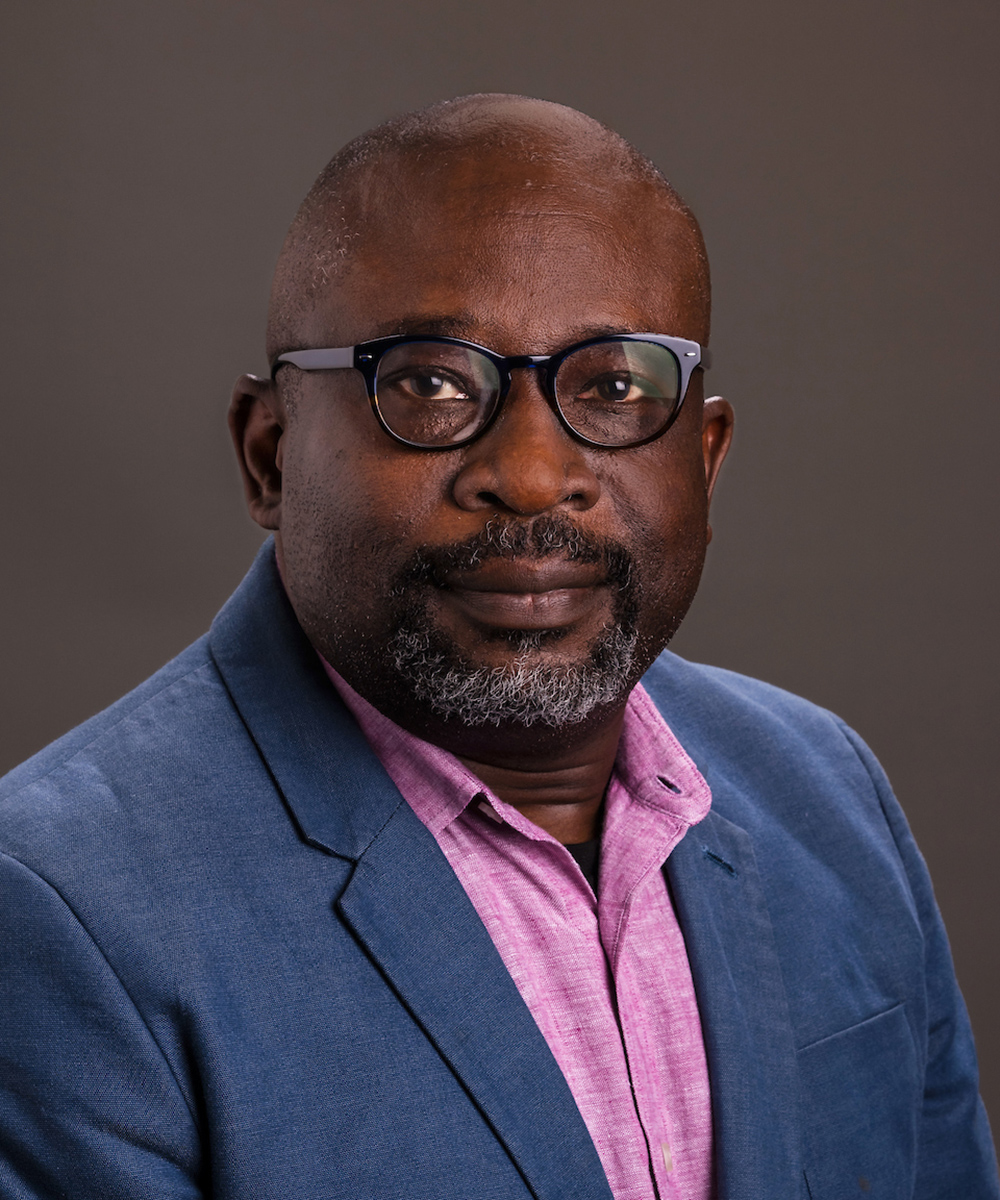
Johnathan Tune, PhD, is a Professor and Chairman of Physiology & Anatomy at the College of Biomedical and Translational Sciences, University of North Texas Health Science Center. His research focuses on mechanisms of coronary blood flow regulation in health and disease, particularly in obesity and diabetes. He leads projects funded by the National Heart, Lung, and Blood Institute and the American Heart Association, investigating myocardial oxygen delivery and ischemic injury. Key interests include metabolic syndrome's effects on coronary function and translational studies using large animal models. Over 119 publications span coronary vasodilation, ion channel physiology, and therapeutic interventions for cardiac dysfunction. Notable projects address heart failure with preserved ejection fraction and post-partum myocardial oxygen imbalances. His work integrates experimental and computational approaches to unravel complex cardiovascular mechanisms. Education: BA in Biology from University of North Texas, PhD in Physiology from University of North Texas Health Science Center. Research emphasizes integrative physiology, combining in vivo/ex vivo models to study coronary circulation. Active collaborations include multi-scale modeling of myocardial perfusion and investigating SGLT2 inhibitors' cardioprotective roles. Current grants explore post-partum coronary dysfunction and HFpEF mechanisms. Lab activities focus on ion channels, metabolic signaling, and vascular dysfunction in metabolic disorders.
Albert Gonzales is an Assistant Professor in the Department of Physiology and Cell Biology at the University of Nevada, Reno School of Medicine. His research focuses on microvascular physiology, particularly the regulation of cerebral blood flow in Alzheimer's disease and light-sensitive mechanisms in choroid vasculature related to macular degeneration. Education: B.S. in Biology, California State Polytechnic University, Pomona M.S. in Biological Sciences, California State Polytechnic University, Pomona Ph.D. in Biomedical Science, Colorado State University, Fort Collins His work investigates how capillary microcirculation dynamically responds to tissue demands and environmental changes through calcium signaling, TRP channels, and pericyte contractility. Research spans neurovascular coupling , ocular physiology , and vascular dysfunction in neurodegenerative diseases . Publications demonstrate expertise in TRPM4 channel activity , STIM1 signaling , pericyte-mediated blood flow control , and neurodegenerative disease mechanisms . Studies range from Alzheimer's models to retinal circulation dynamics , with methodological innovations in vascular imaging and electrophysiology. The lab employs ex vivo ocular perfusion systems and calcium imaging to explore vascular responses, maintaining a focus on translational applications for neurodegenerative and ocular diseases.
Professor Derek Lang (he/him) is a Senior Fellow of the Higher Education Academy and Fellow of the British Pharmacological Society at Cardiff University , affiliated with both the School of Medicine and School of Pharmacy and Pharmaceutical Sciences . As Director of the BSc Medical Pharmacology program for over a decade, he has shaped graduates entering medicine, dentistry, and pharmaceutical industries. Research Interests: Cardiovascular pharmacology Endothelial and vascular smooth muscle cell biology Mechanisms of endothelial/vascular dysfunction in disease states Role of folic acid in nitric oxide pathways Environmental impacts on vascular function Redox stress in diabetes and arthritis Publication Trends (1990–2021): 15+ studies spanning from foundational work on nitric oxide synthesis in hypercholesterolemia to contemporary research on cytokine signaling in inflammatory arthritis, with recurring themes in folic acid modulation of endothelial function and redox biology. Honors: Fellow of the British Pharmacological Society (FBPhS) Senior Fellow of the Higher Education Academy (SFHEA) Teaching Leadership: Directs the Medical Pharmacology BSc course and leads a dedicated educator group achieving National Student Survey excellence . Courses include Autonomic Nervous System Pharmacology, Tropical Disease Pharmacology, and Cardiovascular Disease Pharmacology. Laboratory Contributions: Formerly engaged in "hands-on" research with rabbit and pig models, now focused on research-led pedagogy . Maintains collaborative ties with British Pharmacological Society.
Ayako Makino serves as Associate Professor in the Department of Molecular Medicine within the College of Medicine at the University of Florida. Her research laboratory (SR-CISSM-MAKINO LAB) focuses on vascular pathophysiology with current active grants from the National Institutes of Health NHLBI and US Army Medical Research Acquisition Activity. Her primary research interests center on endothelial dysfunction in pathological states, particularly investigating: Coronary and pulmonary vascular disease mechanisms in diabetes Pulmonary hypertension pathogenesis Calcium handling in endoplasmic reticulum and mitochondria Cell-cell communication between endothelial cells and pericytes Post-transcriptional regulation of vascular genes Her work employs multidisciplinary approaches including in vitro cell preparations, genetically modified animal models, cardiac hemodynamic assessment, and advanced molecular techniques. Analysis of her 15 most recent publications reveals strong emphasis on ion channel physiology (particularly Piezo1, TRPC6, and calcium-sensing receptors) and their role in vascular remodeling. Key research trends include mechanotransduction in pulmonary hypertension, metabolic reprogramming in diabetic vascular complications, and therapeutic targeting of eNAMPT pathways. Her work bridges basic molecular mechanisms with translational applications in cardiometabolic diseases. Dr. Makino currently leads multiple active research projects: Coronary Endothelial Cell Dysfunction in Diabetes (NHLBI Principal Investigator) Coronary Microvascular Disease in Diabetes: Role of NAMPT (US Army PI) Ion Channels in Pulmonary Arterial Hypertension (NHLBI Co-Investigator) Endothelium-driven signaling networks (UCLA via NHLBI PI) Her laboratory utilizes comprehensive methodologies including: In vivo preclinical models (transgenic mice, diabetic/PH models) Isometric tension measurement in isolated arteries High-resolution fluorescence microscopy Bioinformatics and transcriptome analysis Cardiac hemodynamic assessment Current research directions focus on therapeutic interventions targeting calcium signaling pathways and metabolic dysregulation in vascular diseases.
Michael Winder is a Professor in Pharmacology at the Institute of Neuroscience and Physiology, University of Gothenburg. His research focuses on autonomic neuroscience, particularly the role of nitric oxide signaling, neurotransmitter interactions, and smooth muscle physiology in pathological conditions such as chronic pelvic pain syndrome, cystitis, and Parkinson's disease-related bladder dysfunction. Affiliation: Department of Pharmacology, Institute of Neuroscience and Physiology, University of Gothenburg Research Group: Autonomic Neuroscience Unit His research explores mechanisms of bladder overactivity, cross-organ sensitization between the prostate and bladder, and the therapeutic potential of soluble guanylate cyclase activators like BAY 60-2770. He investigates how inflammation, neurodegeneration, and pharmacological interventions affect smooth muscle contractility and neurotransmission in urological and gastrointestinal systems. Publications highlight trends in nitric oxide dependency, purinergic/cholinergic interactions, and drug combination therapies for bladder disorders. His work spans preclinical models, receptor signaling, and translational pharmacology. Email: michael.winder@pharm.gu.se Visiting Address: Medicinaregatan 11, 41390 Göteborg Postal Address: Box 430, 40530 Göteborg Winder collaborates extensively within the Autonomic Neuroscience Unit and with researchers in urology, neuroscience, and pharmacology. He has contributed to conferences like the International Continence Society meetings and journals such as Neurourology and Urodynamics and European Journal of Pharmacology .
Lawrence Sinoway, MD, is Distinguished Professor of Medicine in the Division of Cardiology at Pennsylvania State University College of Medicine, and a leading investigator within the Penn State Clinical and Translational Science Institute (CTSI) and Penn State Heart and Vascular Institute. Over a career spanning nearly five decades, he has produced 240 research outputs, secured 47 major NIH grants, and achieved an h-index of 55 with >9,000 citations. Education & Training: While the provided text does not enumerate his degrees, Dr Sinoway’s title of “MD” indicates medical training; additional academic credentials are likely but are not explicitly stated. Research Focus: Dr Sinoway’s work centres on cardiovascular autonomic control, with particular emphasis on muscle sympathetic nerve activity, baroreflex and chemoreflex regulation, exercise pressor reflex mechanisms, and peripheral arterial disease. His investigations range from cellular signalling to whole-human integrative physiology, leveraging translational approaches that align with the goals of the Penn State CTSI. Recent publications (2023-2025) demonstrate sustained productivity in: Pharmacologic optimisation of heart failure therapy (e.g., sacubitril/valsartan dosing) Mechanisms of autonomic dysfunction in peripheral arterial disease, heart failure with preserved ejection fraction, and diabetes mellitus Novel device-based haemodynamic modulation (e.g., HeartWare LVAD speed adjustment during exercise) Non-pharmacological interventions such as inspiratory muscle training and dietary nitrate supplementation These studies collectively advance understanding of neuro-cardiovascular coupling and inform evidence-based therapeutic strategies. Honours & Awards: Career Research Excellence Award – Penn State University (2017) Research Funding & Leadership: Dr Sinoway has served as Principal Investigator or Co-Investigator on 47 funded projects. Ongoing NIH support includes: Penn State CTSI (NCATS) – Co-PI (2016-2026) “The Human Cardiovascular Control: The Role of Limb Veins” – NHLBI Co-PI (2019-2024) Program Project “Acute and Chronic Afferent Engagement” – NHLBI PI/Co-PI (2017-2022) These grants foster multi-disciplinary collaborations across cardiology, physiology, endocrinology, and biomedical engineering. Laboratory & Teams: Dr Sinoway directs active research teams embedded within the Penn State Heart and Vascular Institute and the Clinical Research Center. His group employs state-of-the-art microneurography, Doppler ultrasound, and metabolic techniques to dissect autonomic mechanisms in health and disease.
Lars Jørn Jensen serves as an Associate Professor in the Department of Veterinary and Animal Sciences at the University of Copenhagen's Faculty of Health and Medical Sciences. His research centers on arteriolar tone regulation mechanisms in vascular physiology, with emphasis on ion channel dynamics in blood pressure and flow responses. Dr. Jensen's educational credentials include: Ph.D. in Physiology, University of Copenhagen (1999) M.Sc. in Biology, University of Copenhagen (1995) His primary research investigates how small arterioles detect changes in blood pressure, flow, and oxygen levels through $$\\text{K}^{+}$$ channel modulation and $$\\text{Ca}^{2+}$$ signaling in vascular walls. Current work examines myogenic responses , flow-mediated vasodilatation , and mechano-reception using porcine artery models to simulate human vascular diseases like hypertension and obesity-related dysfunction. Recent publications (2024-2025) focus on vascular aging mechanisms and obesity-induced dysfunction using pressure myography techniques. His two-decade publication history reveals consistent investigation of ion channels (particularly T-type $$\\text{Ca}^{2+}$$ and TRP channels) in vascular tone regulation, evolving toward pathological applications in metabolic disorders. Dr. Jensen has supervised Ph.D., Master's, and Bachelor students while securing DKK 5.3 million in research funding from the Danish Medical Research Council and private foundations. His laboratory employs pressure myography, calcium imaging, and organoid culture of small arteries under physiological flow conditions. Professional affiliations include the American Physiological Society, North American Vascular Biology Organization, and Danish Cardiovascular Research Academy.
Dr. Alexander S. Clanachan is a Professor in the Department of Pharmacology at the University of Alberta, Faculty of Medicine & Dentistry, specializing in pharmacotherapy for myocardial ischemia-reperfusion injury. His work targets novel drug mechanisms to improve cardiac recovery in stressed hearts (e.g., diabetic, aged, or delayed-reperfusion scenarios). His educational background includes: BSc Hons Pharmacology, University of Glasgow, 1972 PhD Pharmacology/Anesthesia, University of Glasgow, 1976 Research Interests: Dr. Clanachan investigates: Recovery of left ventricular mechanical/metabolic function post-ischemia Na + /Ca 2+ homeostasis regulation Infarct size limitation pathways Cardioprotection via adenosine receptors and late I Na inhibition His lab employs model systems to quantify drug effects on cardiac efficiency, energy substrate metabolism, calcium overload, and signaling (GSK-3β, AMPK, p38MAPK). Analysis of his 15 recent publications (2011-2016) reveals consistent focus on metabolic-ionic crosstalk in reperfusion injury, particularly in diabetic hearts and anesthetic interactions. Key trends include adenosine-mediated glycogen regulation, late I Na inhibition for calcium control, and ROS-dependent cardioprotection mechanisms. Scientific Awards: No awards were mentioned in the source material. Advising and Grants: Dr. Clanachan mentors Research Associate Dr. Phing How Lou and teaches Pharmacology courses (PMCOL415, PMCOL337, PMCOL300*, PMCOL515*). Grant details were unspecified, but his collaborative projects span anesthesiology, diabetes, and cardiac metabolism. Laboratory: His lab (Medical Sciences Building, Room 9-43) conducts isolated heart perfusion studies, metabolic profiling, and molecular analysis of cardioprotective pathways.
Peggy Chen is an Adjunct Lecturer at Monash University and at the Baker Department of Cardiovascular Research, Translation and Implementation, as well as an Honorary Fellow at the University of Melbourne. She serves as a Research Officer at Baker IDI Heart and Diabetes Institute in Melbourne, Australia since February 2020. Dr. Chen earned her PhD in Biomedical Science from Monash University, establishing a strong foundation for her research career in cardiovascular medicine. Her research focuses on cardiovascular pathophysiology , particularly examining the interplay between diabetes, insulin resistance, and heart disease . Dr. Chen's work extensively investigates coronary microvascular function , atrial fibrillation mechanisms , and novel therapeutic approaches for heart failure . Her laboratory utilizes sophisticated animal models including Goto-Kakizaki rats, mouse models of ischemic cardiomyopathy, and sheep models to study cardiovascular function and test potential treatments. Dr. Chen has made significant contributions to understanding how high-density lipoprotein (HDL) therapy can improve cardiac function post-myocardial infarction and how β-blockade can prevent vascular dysfunction in insulin-resistant states. Analysis of Dr. Chen's publication record from 2015-2025 reveals a consistent focus on cardiovascular pathophysiology with particular emphasis on the intersection of metabolic disorders and heart disease. Her research spans molecular mechanisms, cellular processes, and whole-organ physiology, demonstrating a comprehensive approach to cardiovascular research. Key themes include coronary microvascular dysfunction in diabetic states, atrial remodeling in atrial fibrillation, and innovative gene therapy approaches for heart failure. Dr. Chen has established collaborative research networks across multiple institutions in Australia, working closely with researchers at Baker IDI Heart and Diabetes Institute, Monash University, and the University of Melbourne. Her research program appears to be grant-funded, though specific grants are not mentioned in the provided information. Her laboratory work involves advanced techniques including cardiovascular magnetic resonance imaging, molecular analysis of cardiac tissue, and sophisticated physiological measurements in various animal models. Dr. Chen's research team likely includes postdoctoral researchers, PhD students, and technical staff working on various aspects of cardiovascular pathophysiology and potential therapeutic interventions.
Kim Dora is a Professor of Microvascular Pharmacology at the University of Oxford, affiliated with Worcester College. Her research focuses on understanding the mechanisms controlling microvascular tone and function, particularly in coronary and mesenteric arteries. She leads the Dora Group, which uses electrophysiological and live-cell imaging techniques to study endothelial signaling, ion channel activity, and vascular responses to pathophysiological conditions such as hypertension and diabetes. Key research interests include endothelial hyperpolarization (EDH), myoendothelial gap junction signaling, and the role of endothelial-derived factors like nitric oxide and endothelin-1 in vascular health and disease. Her work has revealed novel pathways linking endothelial cell activity to smooth muscle tone regulation, with implications for therapies targeting cardiovascular disorders. Dr. Dora holds a British Heart Foundation Senior Basic Science Research Fellowship and collaborates with institutions globally. Recent publications highlight discoveries in vasospasm mechanisms, SGLT2 inhibitor effects, and the role of phospholemman in blood pressure regulation. She advises DPhil student Lillian Wallis and oversees a multidisciplinary team investigating human coronary microvascular dysfunction and arteriolar signaling pathways. Research Themes: Cardiovascular Pharmacology, Microvascular Physiology, Vascular Signaling Lab Members: Prof. Christopher J. Garland (Vascular Pharmacology), Dr. Elizabeth Forrester (Postdoctoral Researcher), Dr. JinHeng Lin (Postdoctoral Researcher), Lauren Phillips (Postdoctoral Researcher), Toby Brown (Fellow in Medicine), Lillian Wallis (DPhil Student) Her work integrates in vivo and ex vivo models, including human coronary arterioles, to bridge basic science and clinical applications. Current projects explore the impact of metabolic disorders on microvascular function and the therapeutic potential of targeting endothelial signaling pathways.
Adebowale Adebiyi, PhD is a Professor of Medical Pharmacology & Physiology at the University of Missouri School of Medicine, where he holds the Russell D. and Mary B. Shelden Missouri Chair in Anesthesiology. He serves as a NextGen Precision Health Investigator with a focus on Vascular and Kidney Disorders, conducting research at the NextGen Precision Health Center in Columbia, Missouri. Dr. Adebiyi's educational background includes: Postdoctoral Research Fellow, Department of Physiology, University of Tennessee Health Science Center (2009) PhD, National University of Singapore, Singapore (2004) Bachelor of Science (Honors), College of Medicine, University of Lagos, Nigeria (1996) His research program focuses on renal and vascular pathophysiology in neonates and adults, utilizing an integrative approach that combines molecular, biochemical, electrophysiology, imaging, and whole animal methodologies. Dr. Adebiyi's laboratory specializes in investigating ion channels, G protein-coupled receptors, oxyradicals, and regulatory proteins that control vascular and kidney function. A significant contribution to the field is his development of translational swine models to study vascular and kidney disease, with particular emphasis on neonatal renal microcirculation. His laboratory is among the few research groups worldwide that utilize translational swine models to investigate kidney microcirculation and dysfunction within the first week of life. Analysis of Dr. Adebiyi's publication record reveals a consistent focus on renal vascular physiology, with particular emphasis on TRP channels in kidney function, mechanisms of acute kidney injury, and the development of novel diagnostic tools and therapeutic targets. His work spans basic science investigations to translational research with clinical applications, especially in the areas of neonatal kidney function, sickle cell nephropathy, and diabetes-related kidney complications. Recent publications demonstrate growing interest in biomarker development and novel therapeutic targets for kidney diseases. Dr. Adebiyi's significant contributions to the field have been recognized through numerous awards: Outstanding Reviewer Award: Experimental Biology and Medicine (2020) John F. Perkins, Jr. Research Career Enhancement Award: American Physiological Society (2020) Publication recommendation: Faculty of 1000 - Renal, Fluid & Electrolyte Physiology (2019) University of Tennessee Research Foundation Technology Maturation Award (2018) American Heart Association Research Leaders Academy selection (2017) Research Recognition Award: American Physiological Society Renal Section (2013) Dr. Adebiyi's research has been consistently supported by NIH funding, with recent projects using swine models to explore the physiology and pathophysiology of neonatal renal microcirculation. His laboratory investigates the mechanisms underlying vascular and kidney function with the goal of developing novel therapeutic and diagnostic approaches. He anticipates his research will yield findings with significant clinical impact for patients with vascular and kidney disorders. Based at the NextGen Precision Health Center, Dr. Adebiyi's laboratory is equipped to study vascular and kidney pathophysiology using small and large animal disease models, including hypertension, acute kidney injury, chronic kidney disease, diabetic kidney disease, and sickle cell nephropathy. His work represents a critical bridge between basic science discoveries and clinical applications in renal and vascular medicine.
Lara Morley is a Clinical Lecturer and Subspecialty Trainee in Reproductive Medicine & Surgery at the University of Leeds' School of Medicine within the Faculty of Medicine and Health and Department of Obstetrics and Gynaecology. Her work bridges clinical practice at Leeds Teaching Hospitals NHS Trust with cutting-edge research on placental biology and maternal-fetal health. Education MBChB and intercalated BSc in Microbiology, University of Leeds (2010) PhD in Placental Blood Flow Sensing and Regulation, LICAMM, University of Leeds (2021) Research Focus : Dr. Morley investigates molecular controllers of placental blood flow, particularly PIEZO1 ion channels, to address fetal growth restriction and placental dysfunction. Her work spans endothelial mechanosensing , vascular remodeling in diabetes , and long-term cardiovascular consequences of pregnancy complications . She combines basic science (cellular models, molecular pathways) with translational applications (clinical guidelines, therapeutic development) to break intergenerational cycles of poor pregnancy outcomes. Publication Trends : Analysis of her 2021-2025 publications reveals three dominant threads: (1) PIEZO1's role in placental vascular regulation under mechanical/osmotic stress; (2) Endothelial-to-mesenchymal transition in diabetic pregnancies; (3) Clinical management of placenta accreta and cardiac adaptations in gestational diabetes. Her work consistently bridges molecular mechanisms and clinical obstetrics , with increasing emphasis on therapeutic targeting. Awards Fellowship of the Higher Education Academy (FHEA) Mentorship & Funding : Dr. Morley supervises PhD/MSc/BSc projects and mentors through ESREP/EXCEL scholarships. Her research is funded by NIHR Clinical Lectureship , Wellcome Trust ISSF , MRC , RCOG , and Tommy's National Centre for Preterm Birth Research . She contributes to Cochrane reviews, WHO guidelines, and RCOG scientific impact papers. Research Ecosystem : She operates within the Leeds Institute of Cardiovascular and Metabolic Medicine (LICAMM), specifically the Cardiometabolic Section of Obstetrics and Gynaecology, collaborating with the Multidisciplinary Cardiovascular Research Centre on placental vascular biology and clinical translation.
William Rymer is a Professor of Physical Medicine and Rehabilitation and Biomedical Engineering at Northwestern University's McCormick School of Engineering. He leads the Single Motor Unit Laboratory, focusing on neural control and mechanics of movement in neurologically impaired populations. His research integrates electrophysiological, pharmacological, and morphological techniques to understand spinal cord injury effects and develop interventions for spasticity and motor dysfunction. Key research areas include spinal cord injury rehabilitation, stroke recovery mechanisms, and neuromodulation strategies. He pioneered studies on acute intermittent hypoxia's role in enhancing neural plasticity and motor learning in spinal cord injury and stroke survivors. His work also explores biomechanical adaptations through wearable robotics and constraint-based therapies to improve gait symmetry and functional outcomes. Recent studies emphasize quantifying spasticity dynamics, developing biomarkers for motor impairment, and combining neuromodulation with robotics for precision rehabilitation. His lab collaborates across disciplines to translate basic neuroscience discoveries into clinical tools, including novel assessment protocols and wearable sensor systems. Rymer's research has led to innovations in rehabilitation engineering, such as force-vector-based spasticity measurement systems and machine learning models for predicting muscle torque from mechanomyograms. These advancements aim to personalize neurorehabilitation interventions based on individual patient neurophysiological profiles. His work bridges clinical practice and engineering, addressing unmet needs in neurorehabilitation through rigorous mechanistic studies and translational technologies. Ongoing projects explore optimal timing of rehabilitation interventions post-injury and the role of corticospinal plasticity in motor recovery.
Associate Professor Shaun Sandow holds a PhD from the Australian National University (ANU) and serves as an Associate Professor in Cardiovascular Physiology at the University of the Sunshine Coast (UniSC), School of Health. His research focuses on understanding vascular tone regulation, cell-cell communication in arteries, and pathways underlying blood vessel function. He collaborates internationally with institutions in Australia, Canada, Britain, and Denmark. Education: PhD in Physiology from ANU Affiliations: Member of the Australian and New Zealand Microcirculation Society, Australian Physiological Society, and Perinatal Society of Australia and New Zealand. His research integrates anatomy, molecular biology, and physiology to identify pathways controlling blood pressure and vascular disease. Key topics include endothelial-smooth muscle interactions, gap junction signaling, and remodelling in pregnancy and diabetes. Recent projects include studying BKCa channel expression in stroke and insulin resistance effects on arterial tone. Grants & Projects: Brain Foundation Grant (2016): Targeting cerebral blood flow in stroke National Health and Medical Research Council (NHMRC) grants (2009–2021): Investigating vascular dysfunction in diabetes and pregnancy Labs & Teams: Collaborates on projects involving cerebral blood flow regulation, uterine artery physiology, and microcirculatory dysfunction post-stroke.