معرفی
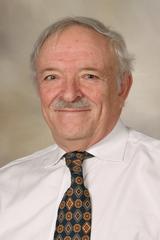
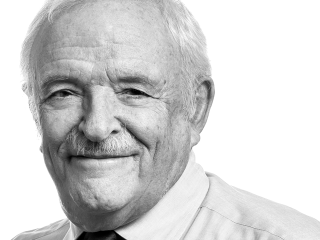
William Rymer is a Professor of Physical Medicine and Rehabilitation and Biomedical Engineering at Northwestern University's McCormick School of Engineering. He leads the Single Motor Unit Laboratory, focusing on neural control and mechanics of movement in neurologically impaired populations. His research integrates electrophysiological, pharmacological, and morphological techniques to understand spinal cord injury effects and develop interventions for spasticity and motor dysfunction.
Key research areas include spinal cord injury rehabilitation, stroke recovery mechanisms, and neuromodulation strategies. He pioneered studies on acute intermittent hypoxia's role in enhancing neural plasticity and motor learning in spinal cord injury and stroke survivors. His work also explores biomechanical adaptations through wearable robotics and constraint-based therapies to improve gait symmetry and functional outcomes.
Recent studies emphasize quantifying spasticity dynamics, developing biomarkers for motor impairment, and combining neuromodulation with robotics for precision rehabilitation. His lab collaborates across disciplines to translate basic neuroscience discoveries into clinical tools, including novel assessment protocols and wearable sensor systems.
Rymer's research has led to innovations in rehabilitation engineering, such as force-vector-based spasticity measurement systems and machine learning models for predicting muscle torque from mechanomyograms. These advancements aim to personalize neurorehabilitation interventions based on individual patient neurophysiological profiles.
His work bridges clinical practice and engineering, addressing unmet needs in neurorehabilitation through rigorous mechanistic studies and translational technologies. Ongoing projects explore optimal timing of rehabilitation interventions post-injury and the role of corticospinal plasticity in motor recovery.