معرفی
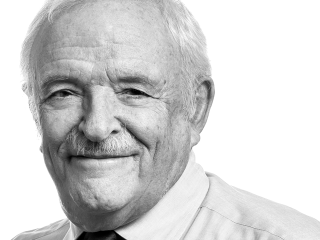
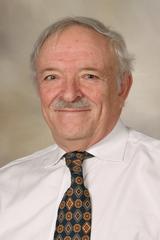
William Z Rymer, MD, PhD, serves as Professor in the Department of Physical Medicine and Rehabilitation and Neuroscience at Northwestern University's Feinberg School of Medicine. He maintains primary affiliation with the Shirley Ryan AbilityLab in Chicago and participates in multiple university institutes including the Northwestern University Institute of Neuroscience (NUIN) and the Institute for Augmented Intelligence in Medicine.
His academic credentials include:
- MD from Melbourne University (1962)
- PhD from Monash University (1973)
- Internal Medicine Residency at Prince Henry's Hospital, Melbourne (1967)
- Postdoctoral Fellowships at Monash University (1971), NINDS/NIH (1974), and Johns Hopkins University in Physiology (1976)
Dr. Rymer's pioneering research investigates neural mechanisms of motor impairment following stroke and spinal cord injury, integrating biomedical engineering and neural signal processing to advance neurorehabilitation. His work spans pathophysiology of spinal circuits, spasticity dynamics, and development of novel therapeutic interventions including hypoxia protocols and locomotor training. This interdisciplinary approach bridges neuroscience, physiology, and clinical rehabilitation to optimize motor recovery.
Analysis of his 2024-2025 publications reveals consistent focus on stroke rehabilitation and spinal cord injury mechanisms, emphasizing neuroplasticity-driven recovery. His research increasingly incorporates advanced biomechanical assessment tools and neural engineering approaches to quantify treatment efficacy, with growing emphasis on precision rehabilitation timing and pharmacological adjuncts.
His professional recognition includes:
- Fellow of the Royal Australasian College of Physicians
Dr. Rymer actively contributes to the Movement and Rehabilitation Sciences (MRS) program through research mentorship and training initiatives. He maintains significant editorial influence as long-standing board member for the Journal of Neurophysiology (since 1984) and other leading journals, while providing strategic guidance to organizations including the National Center for Adaptive Neurotechnologies and Delsys through scientific advisory roles.