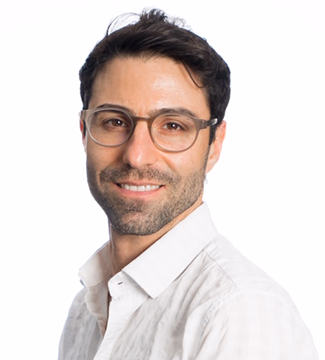
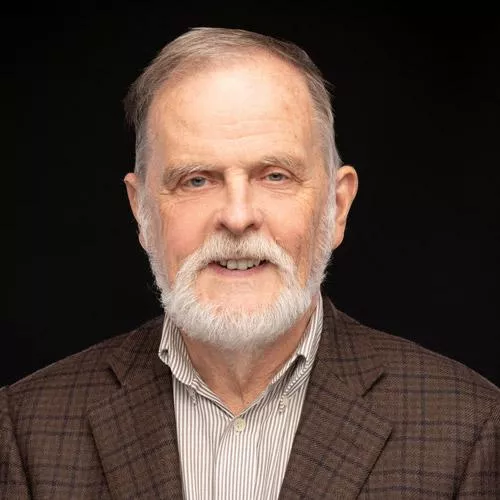
Kfir Mordechay is an Associate Professor in the Educational Leadership and Policy Division at Pepperdine University's Graduate School of Education and Psychology . He also serves as a Research Fellow at the UCLA Civil Rights Project. B.A. in Sociology, Hebrew University of Jerusalem M.A. in Sociology, Hebrew University of Jerusalem Ph.D. in Education Policy, University of California, Los Angeles His research examines how social, demographic, and spatial factors perpetuate racial and economic inequalities, particularly in the context of gentrification and school segregation. Funded by a Spencer Foundation grant , Mordechay analyzes the interplay between residential patterns and educational equity in California's gentrifying neighborhoods. Beyond academia, Mordechay provides policy consulting services to the U.S. Department of Education and other institutions. His work has been cited in national media outlets including The New York Times , Washington Post , and NPR . Recent publications explore gentrification's complex impacts on school diversity, suburban segregation trends, and housing policies affecting educational access. His 15 most recent articles span topics from zoning asymmetries in urban development to racial tensions in integrating schools. Mordechay teaches courses in Advanced Policy Development , Organizational Leadership , and Data Visualization , while maintaining affiliations with both Pepperdine and UCLA research initiatives.
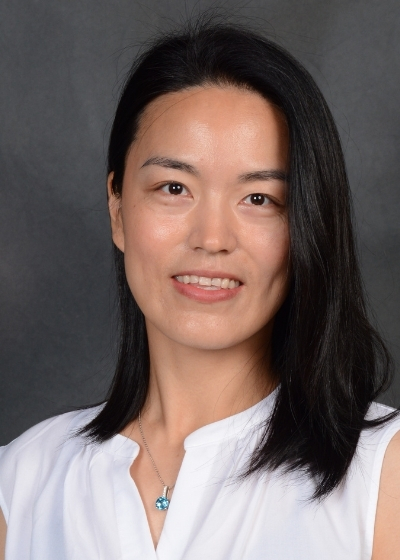
Xing Liu is an Assistant Professor in the Department of Management at Wayne State University's Mike Ilitch School of Business. Holding a Ph.D. in Business Administration from the University of South Carolina (2020), she specializes in organizational behavior, team dynamics, and workplace inclusion. Her research examines trust mechanisms, cultural intelligence, and diversity management in workplace settings. Advanced Organizational Behavior (MGT5530) Seminar in Management (MGT8000) Leadership Excellence Through Workplace Inclusion (MGT7670) Her publications in Journal of Management and Journal of Business Research reflect interdisciplinary approaches to understanding team faultlines, trust repair, and newcomer integration. Current work explores regulatory focus theory and pandemic-induced identity uncertainty. Awards: Society of Human Resource Management (SHRM) Foundation Dissertation Grant (2019) Outstanding Reviewer Award (Organizational Behavior Division, Academy of Management, 2017) Xing Liu's research bridges cross-cultural team dynamics with organizational ethics, offering insights into inclusion strategies and HR configurations for diverse workforces.
Anne-Marie Livingstone is an Assistant Professor in the Department of Sociology at McMaster University. Her research examines how politics, public policy, and institutional structures perpetuate racial inequality in Canada's settler colonial context, with specific focus on Black communities, anti-racism frameworks, and policing disparities. Her research interests include: Political sociology of race and racism Anti-Black racism in public institutions Black political mobilization and resistance Policy impacts on racialized families Criminological analyses of policing Youth participatory action research Current projects investigate Black and Indigenous resistance to police violence in Montreal (Tiohtià:ke) and the role of anti-Black racism in Quebec's law-and-order politics. Her scholarly publications (spanning 2007-2025) predominantly analyze racial inequality through sociological, criminological, and policy lenses, with recurring themes of systemic discrimination, police practices, educational disparities, and community-based solutions.
David Silva serves as Provost and Academic Vice President at Salem State University , overseeing all academic activities including degree programs, curriculum, faculty support, and accreditations. His leadership extends to managing academic deans and centers like the Center for Civic Engagement and the Center for Holocaust and Genocide Studies. Education : BA in Linguistics from Harvard University, MA and PhD in Linguistics from Cornell University. As a scholar, Dr. Silva's research spans linguistics , socio-phonetics , and language variation/change , with a focus on Korean and Portuguese dialects. His recent publications emphasize pedagogy and academic administration , reflecting his dual commitment to research and institutional leadership. His funded projects include support from the Fulbright Program , Korea Foundation , and Academy of Korean Studies . Dr. Silva also earned the honorary Distinguished Teaching Professor title at the University of Texas at Arlington.
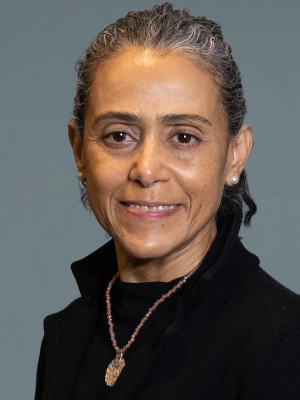
Dr. Cai McPhee serves as an Associate Professor in the College of Nursing at SUNY Downstate. A board-certified Psychiatric Mental Health Nurse Practitioner (PMHNP-BC) and Advanced Holistic Nurse (AHN-BC), she brings over three decades of clinical and academic expertise. Dr. McPhee is also a 500-hour Registered Yoga Teacher specializing in Hatha and Kundalini Yoga. Her educational background includes: Ed.D. in Executive Nursing from Teachers College, Columbia University M.S. in Holistic Nursing from the College of New Rochelle B.S. in Nursing from Western Connecticut State University Advanced Certificate in Psychiatric Mental Health from Hunter College Dr. McPhee's research centers on nurse wellbeing, resilience, and compassion fatigue prevention through holistic modalities. She investigates non-pharmacological pain management, mindful communication, and self-care strategies tailored for diverse nursing populations. Her work integrates yoga, hypnosis, and mindfulness-based stress reduction to enhance workplace mental health, leveraging fluency in Portuguese, Spanish, and French for multicultural contexts. Analysis of her 2020-2023 publications reveals consistent focus on self-compassion and resilience interventions, featuring innovative approaches like labyrinth walking meditations. These studies bridge holistic health practices with nursing leadership development, targeting sustainable workforce solutions for transitioning nurses. Dr. McPhee has presented at major forums including NYU Langone Health Nursing Research Conference, National League for Nursing, and Sigma's International Nursing Research Congress. While extensive conference engagements are documented, no grant funding or student advising details appear in the provided materials.
Cindy Crusto is a Professor of Psychiatry at Yale University School of Medicine with extensive experience in developing, implementing, and evaluating preventive interventions. She previously served as Associate Dean for Gender Equity and Director of the Office for Women in Medicine and Science at Yale. Her academic appointments include roles in Social and Behavioral Sciences, Global Health Studies, the GROW Initiative Leadership, MORE Program for Biomedical Ethics, Psychology Section, Yale Center for Health & Learning Games, Yale Global Mental Health Program, Yale Ventures, and the Yale-UPR Integrated HIV Basic and Clinical Sciences Initiative. Dr. Crusto earned her B.A. in psychology from Vassar College (1991), M.A. in clinical-community psychology from the University of North Carolina at Charlotte (1996), and Ph.D. in clinical-community psychology from the University of South Carolina (2000). She completed pre-doctoral and postdoctoral fellowships in clinical-community psychology at Yale University School of Medicine, Department of Psychiatry. Her research focuses on culturally relevant interventions for children from racial/ethnic minority and low-income backgrounds, school-based behavioral health services, the impact of family violence on children, and ecological influences on child and family well-being. She conducts rigorous evaluations of community-based initiatives involving substance use and violence prevention, and the promotion of school readiness. Her work often examines the intersection of racial discrimination, trauma, mental health, and physical health outcomes, particularly among African American populations. Dr. Crusto's recent publications (2022-2025) demonstrate a consistent focus on health disparities, particularly examining how discrimination, trauma, and social determinants impact mental and physical health outcomes among Black/African American populations. Her InterGEN study research has produced numerous publications analyzing the connections between discrimination, trauma, DNA methylation, blood pressure, and mental health outcomes among Black women and mothers. She also has significant work in leadership development, diversity initiatives, and anti-racism training programs. Her scientific awards include the Healthcare Executive Diversity and Inclusion Certificate (HEDIC) Program (2023), the 2022 Outstanding Contributions for Mentorship in Racial Justice Award, being named a Fellow of the Hedwig van Ameringen Executive Leadership in Academic Medicine (ELAM) program (2021), the Award for Distinguished Contribution to Diversity in Psychology (2020), and being named a Fellow of the American Psychological Association, Society for Community Research and Action (Division 27) (2019). Dr. Crusto has been actively involved in numerous research collaborations, particularly through the InterGEN study, which examines the intergenerational impact of genetic and psychological factors on blood pressure. She has received significant recognition for her work in diversity, equity, and inclusion, and has developed innovative programs like the GROW (Getting Racism Out of Our Work) initiative to increase multicultural competence among psychology supervisors. Her work bridges clinical-community psychology, public health, and social justice, with a strong emphasis on translating research into practical interventions for underserved populations.
Dr. Ngee Derk Tiong is an Assistant Professor for TESOL at the University of Nottingham Malaysia's School of Education, Faculty of Social Sciences. He holds an MPhil in Educational Leadership and School Improvement and a PhD in Education from the University of Cambridge, where his doctoral thesis on teachers' collaborative discourse in Malaysian secondary schools received a Grade 1 Pass (no corrections). Prior roles include full- and part-time positions at Universiti Malaya, University of Cambridge, and Sunway University. His interdisciplinary research integrates teachers' professional development , educational policy , and TESOL , emphasizing dialogic learning and evidence-based interventions. Additional interests include intercultural communication, comparative education, and higher education policy. Publications predominantly explore teacher discourse, language education policy, and sociocultural frameworks, reflecting consistent themes of educational equity and institutional reform. Current funded projects include a multi-method study on pre-service teachers' professional networks (2024-2025) and a book study program for EFL teachers in low-income settings (2023-2024). He actively supervises doctoral candidates (e.g., Chen Jiajing) and serves as an Associate of the Learning Sciences Research Institute (LSRI).
Valtteri Vähä-Savo is a post-doctoral researcher at the University of Tampere's Research Centre for Science, Technology and Innovation and a member of multiple academic networks including the Tampere Research Group for Cultural and Political Sociology (TCuPS) , board member of the European Sociological Association RN-15 , and active participant in the Research Group for Epistemic Matters (REM) . His work spans science and technology research, global sociology, and forced migration studies. Key research domains include: Trust dynamics in asylum processes Epistemic governance in policy Religious conversion and institutional scrutiny Posthumanist methodological approaches Temporal analysis of migration experiences Proximity theories in transnational contexts Current funding sources include the Kone Foundation and Finnish Cultural Foundation for the project Assessing Inner Truth (2021-2025) . Methodologically, he specializes in qualitative analysis of semi-structured interviews and ethnographic observation, particularly examining trust negotiations among converts, immigration officials, and support networks. Recent publications develop Frederiksen’s three-dimensional trust framework through empirical studies of 24 converts and their social ecologies.
Marcella Ponsen serves as a Lecturer at Utrecht University within the Sport and Society department under the Faculty of Law, Economics and Governance. Her institutional affiliation spans the Department of Public Administration and Organizational Science, where she delivers courses including Consulting Science, Policy Analysis, and the Leadership in Culture (LinC) executive program. Her educational background includes a degree in Cultural Anthropology from the University of Amsterdam (2001) and Education Science studies. She has extensive international experience working with expatriates and multicultural teams across multiple countries. Research focuses on organizational anthropology, leadership development in cultural contexts, diversity initiatives, and intercultural communication dynamics. Her work emphasizes practical applications for professionals and organizations operating in global environments, particularly through executive training programs. She coordinates the Consulting and Qualitative Research minor while teaching courses on task-oriented collaboration, presentation techniques, and process guidance for learning circles and qualitative research projects. As program leader for the Leadership in Culture initiative, she develops custom learning trajectories for professionals, teams, and organizations. Her teaching portfolio includes Policy, Rationality and Power; Low Countries Developments; and Dutch Society courses.
Wilfried Admiraal is a social psychologist and Professor at the Center for Professional Research, Oslo Metropolitan University. His work focuses on teacher education, teaching practices, and the teaching profession within Norwegian and European educational contexts. His primary research interests include: Teacher attrition in early and late career stages Schools as safe and democratic learning environments Information literacy development for students and teachers Intercultural competence in teaching Digital feedback systems and gamified learning Recent publications (2025) demonstrate consistent focus on teacher development and educational systems. Key trends include analyzing teacher attrition risk factors, exploring intercultural competence through simulated classrooms, and investigating digital learning environments. The research spans multiple journals including Teaching and Teacher Education , Journal of Computing in Higher Education , and Educational Psychology , reflecting interdisciplinary engagement across educational psychology, teacher training, and technology-enhanced learning. Admiraal leads the TEFF consortium (Teacher Education for a Future in Flux), a collaborative initiative involving 17 partners from nine EU countries developing models for teacher training across Europe. His work includes PhD supervision as noted on his institutional profile, though specific student names are not listed in available materials. Current projects emphasize practical applications for teacher development, including studies on hybrid teaching approaches, virtual reality for classroom management training, and professional learning communities. His research directly addresses contemporary challenges in education systems through both theoretical frameworks and empirical investigations.
Roselinde Supheert is an Assistant Professor at Utrecht University’s Department of Languages, Literature and Communication within the Faculty of Humanities. Her work intersects intercultural communication, English literature reception studies, and language education innovation. Academic focus on intercultural competence and Victorian literature adaptation Active in curriculum development and digital pedagogy Research Interests : Supheert specializes in intercultural communication frameworks, analyzing how cultural representations manifest in media and education. Her recent projects examine Disney adaptations, emotional prosody in films, and multilingual organizational dynamics. She also investigates historical reception of Irish authors like W.B. Yeats in the Netherlands. Notable Publication Trends : Her peer-reviewed outputs span cultural studies in Brill publications (2022), intercultural organizational case studies (2020), and foundational work on Victorian narratives (2002-2006). Key themes include media adaptation , language policy , and emotional communication . Scientific Awards : 2021: Aspasia grant for 'Map Your Hero(ine)' 2018 & 2012: EMP Project grants for English curriculum integration Grants & Consultancy : Recipient of multiple grants for pedagogical innovation. Served as advisor to Utrecht University departments on internationalization strategies and non-native English classroom practices.
Maryse Chappin is an Associate Professor in Innovation Studies at the Copernicus Institute of Sustainable Development , Utrecht University , Netherlands. With a focus on sustainable innovation and institutional dynamics, she works across sectors including energy, agriculture, and digital transformation. Education and international collaboration PhD in Innovation and Environmental Sciences (2007) from Utrecht University External examiner at University of Pretoria, South Africa Freelance lecturer at Tias School for Business and Society Her research explores how collaboration networks and institutional environments influence sustainable innovation. Key areas include: Climate change adaptation strategies in East/West Africa Network barriers for nature-based solutions in Netherlands Gig economy's impact on education-income paradigms Smart grid development and circular economy Recent publications examine climate perceptions in Lake Victoria and network solutions for nature-based infrastructure . She leads research projects like MECCA (Climate Mental Models) funded by NWO . As educator, she: Coordinated Global Sustainability Science program Teaches Corporate Sustainability and Statistics Professional affiliations: Member of European Academy of Management (2013–present) Part of Product Development and Management Association (2014–present) Advisory role in Pathways to Sustainability and Institutions for Open Societies research programs
Professor Paweł Boski is a pioneering figure in cross-cultural psychology in Poland. He currently serves as a Professor at SWPS University of Social Sciences and Humanities in Warsaw, where he leads the Department of Cross-Cultural Psychology—the only institution of its kind in Poland. Previously, he worked at the Institute of Psychology of the Polish Academy of Sciences since 1994 before joining SWPS University in 1997. Institute of Psychology of the Polish Academy of Sciences (1994-1997) SWPS University of Social Sciences and Humanities (1997-present) Visiting Professor at the Polish University Abroad (PUNO) Deputy Editor-in-Chief of the Journal of Cross-Cultural Psychology (2007-2013) Consulting Editor of the International Journal of Intercultural Relations Professor Boski's research focuses on psychological acculturation of migrants, multiculturalism, cultural identity, intergroup relations, and tolerance for cultural diversity. His extensive international experience includes significant fieldwork in Africa (particularly Nigeria), North America, and various European Union countries. He has developed theoretical frameworks for understanding how individuals navigate cultural transitions and maintain identity in multicultural environments, with particular attention to Polish contexts in relation to other global cultures. His work bridges theoretical development with empirical research, addressing contemporary issues like the psychological impact of the Russian-Ukrainian war on cultural identity. Professor Boski's publication record shows consistent contributions to cross-cultural psychology, with recent work examining cultural ties during conflict, emotional display rules across cultures, and cultural diversity in team performance. His research demonstrates methodological sophistication through cross-national comparative studies and innovative approaches to measuring cultural phenomena. Teofrastus Award for best psychology book Władysław Witwicki Award Experienced Researcher Award (2018) from the Polish Association of Social Psychology Honorary doctorate from the Polish University Abroad in London (PUNO) (2023) Professor Boski has supervised 200 master's theses and eight doctoral dissertations in cross-cultural psychology. He currently leads research teams focusing on cross-cultural adaptation and cultural identity formation. His ongoing projects include a major study on the bicultural psychological profile of Polish-origin youth in the United Kingdom, to be conducted in collaboration between SWPS University and PUNO, examining over 800,000 Poles living in the UK through 103 Polish schools serving over 30,000 pupils. He has organized major international conferences, including the 15th International Association for Cross-Cultural Psychology (IACCP) Congress in Pułtusk (2000) and the 9th European IACCP Congress at SWPS University (2017), demonstrating his leadership in the global scholarly community.
Karen S. Cook is the Ray Lyman Wilbur Professor of Sociology at Stanford University and founding Director of the Institute for Research in the Social Sciences (IRiSS). With a B.A., M.A., and Ph.D. from Stanford, her research bridges Social Psychology Trust Research Economic Sociology Social Networks Rational Choice Theory She has edited influential books in the Russell Sage Foundation Trust Series, including Trust in Society and eTrust: Forming Relationships in the Online World , and co-authored Cooperation without Trust? . Her work examines trust in economic organizations, strategic alliances, and digital contexts. Karen's recent publications focus on AI-era trust dynamics Institutional trustworthiness Universal Design for Learning equity Cross-cultural solidarity Behavioral economics of trust as seen in journals like Annual Review of Sociology and PNAS . She has received multiple honors: Elected to the American Academy of Arts and Sciences (1996) National Academy of Sciences (2007) ASA Cooley Mead Award (2004) American Philosophical Society (2018) Her collaborations span scholars like Oliver Schilke, Jessica Santana, and Bruno Abrahao, with research funded by institutions including the Russell Sage Foundation where she serves on the Board of Trustees (2012-present).
Dr. Rubina Ahmed is a Lecturer in Management at Charles Sturt University's School of Business, with 20 years of academic experience across Asia, Australia, and the USA. She earned her PhD in Management from the University of South Australia (Endeavour International Postgraduate Research Scholarship recipient) and an MBA from Southern Illinois University (US Fulbright Scholar). Education: PhD in Management (UniSA, Australia), MBA (SIU, USA) Her research explores artificial intelligence in education , distributed leadership , multigenerational workforce dynamics , employability factors in non-Western contexts , and cybernetic payment systems . Recent publications focus on AI-human collaboration, voice-controlled hospitality AI, and blockchain applications in finance. She teaches postgraduate subjects including Contemporary Management (MGT501), Strategic Human Resource Management (HRM528), and Cross-Cultural HRM (HRM514), while supervising Higher Degree Research students. Her work integrates multicultural engagement through experiential pedagogy. Scientific Awards: Endeavour International Postgraduate Research Scholarship, US Fulbright Scholarship Key contributions include developing the subject Implementing Change (MGM509) and redesigning courses for online delivery. She is a member of the Academy of Management (USA).