Peter Gastمشاهده پروفایل
استادیار
- Biophysics
- Physical Chemistry
- Magnetic Resonance
- +۷ مورد دیگر
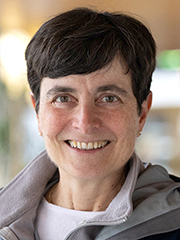
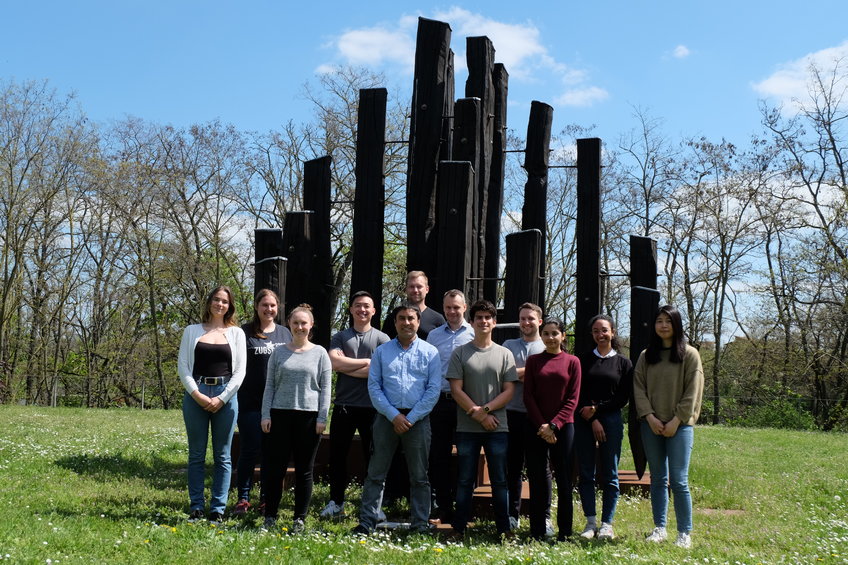
Peter Gast is an Assistant Professor at Leiden University, affiliated with the Faculty of Science and the Leiden Institute of Physics (LION), specifically within the Biological, Soft and Complex Systems group and the Huber Lab. His research focuses on advanced magnetic resonance techniques applied to biological systems. Research Interests: His work spans biophysics and physical chemistry, particularly in the areas of electron paramagnetic resonance (EPR), nuclear magnetic resonance (NMR), and photochemically induced dynamic nuclear polarization (photo-CIDNP). He investigates photosynthetic reaction centers, metalloproteins like pseudoazurin and transferrin, and dynamic processes in proteins using multifrequency and high-field spectroscopic methods. Publication Trends: His recent publications show a consistent focus on time-resolved EPR, freeze-quench techniques, dynamic nuclear polarization, and high-resolution structural analysis of biological macromolecules. These studies reveal deep insights into electron transfer mechanisms, metal coordination environments, and protein conformational dynamics. Scientific Contributions: Gast has co-authored numerous high-impact papers in journals such as Journal of the American Chemical Society , Physical Chemistry Chemical Physics , and PLoS One . His work bridges experimental spectroscopy with biochemical applications, contributing significantly to understanding fundamental processes in photosynthesis and metalloprotein function. Collaborations and Grants: His publications indicate extensive collaborations with leading researchers in biophysics and magnetic resonance. While specific grants are not mentioned, his sustained research output suggests active funding support for advanced spectroscopic instrumentation and biological studies. Laboratory and Team: He is part of the Huber Lab at LION, which specializes in biophysical techniques for studying complex biological systems. The lab environment supports cutting-edge research in spectroscopy, protein dynamics, and energy conversion processes.
-260x260.jpg)