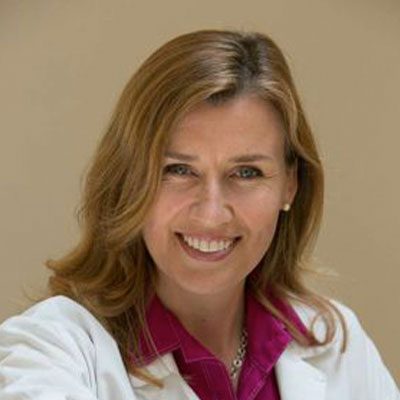
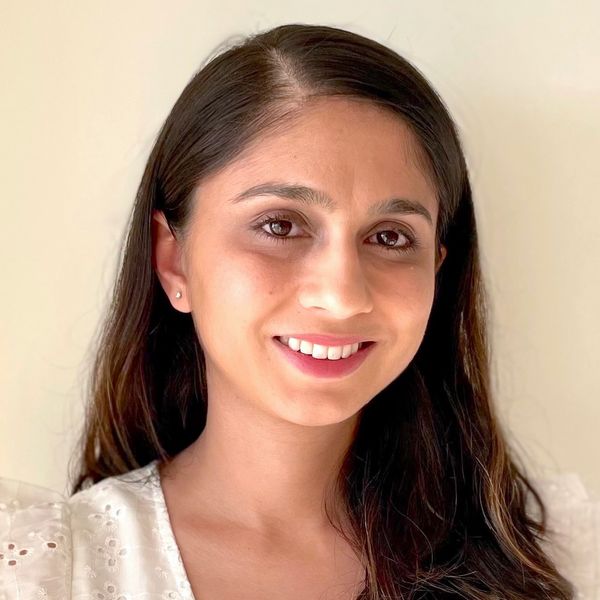
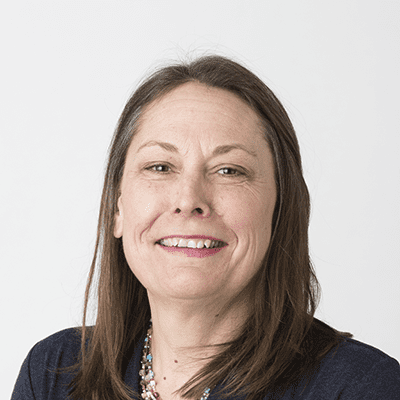
Hanna K A Mikkola is a Professor in the Department of Molecular, Cell and Developmental Biology at the University of California Los Angeles (UCLA). Her research focuses on hematopoietic stem cell development , particularly their emergence from hemogenic endothelium and placental vasculature , and the regulation of stem cell self-renewal through factors like MLLT3 and MYCT1. Major contributions include mapping human hematopoietic stem cell origins Elucidating the role of the placenta as a hematopoietic niche Identifying molecular mechanisms for environmental sensing in stem cells Her recent work explores induced pluripotent stem cell differentiation into functional hematopoietic cells and the therapeutic potential of placental-derived stem cells. Publications span journals like Nature , Blood , and Cell , with a focus on developmental hematopoiesis , vascular biology , and gene regulation . Key collaborations include researchers at UCLA , Harvard , and UCSF , with expertise in mouse genetics , human stem cell models , and angiogenesis . Her lab investigates endothelial-stem cell interactions , cardiac regeneration , and hormonal influences on stem cell proliferation.
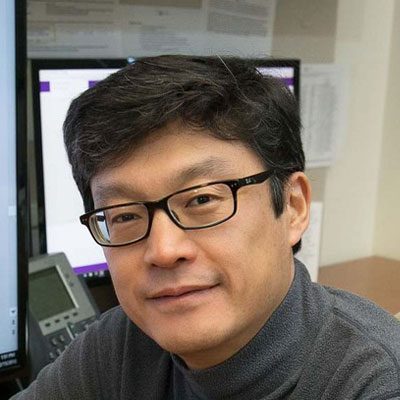
Atsushi Nakano is a Professor in the Department of Molecular, Cell and Developmental Biology and the Department of Medicine at the University of California, Los Angeles (UCLA). His research focuses on understanding the interplay between cardiovascular development and hematopoiesis, particularly the role of metabolic pathways in heart formation and endocardial-derived cell lineages. He investigates how environmental and genetic factors influence cardiac morphogenesis and disease mechanisms, employing cutting-edge techniques like lineage tracing and metabolic profiling. Affiliations: UCLA College of Letters and Science; David Geffen School of Medicine Grants: Principal Investigator for NIH R01 grants on metabolic regulation of heart formation (2019–2023), hemogenic endocardium contributions (2016–2020), and others. His work bridges embryology and clinical cardiology, with recent emphasis on fetal metabolism in diabetic pregnancies and novel models of atrial fibrillation. Nakano collaborates with interdisciplinary teams on projects involving stem cell differentiation, computational biology, and translational medicine.
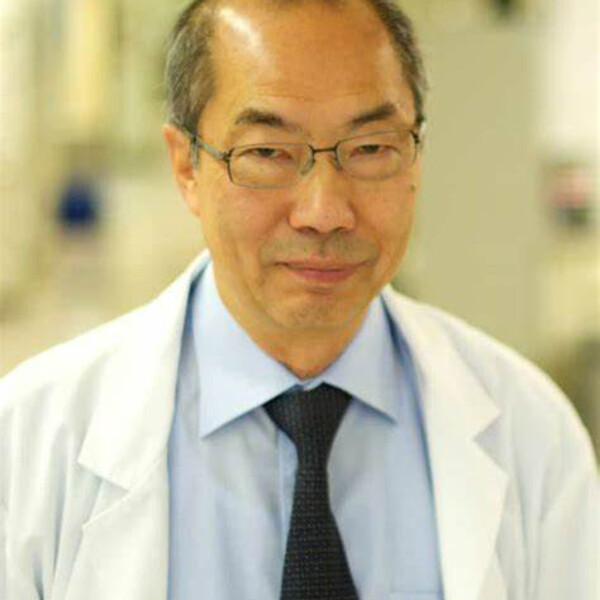
Professor Tak Mak is a renowned academic at the University of Toronto, affiliated with the Campbell Family Institute for Breast Cancer Research at the Princess Margaret Cancer Centre. His work focuses on cancer biology, immunology, and apoptosis mechanisms, with a strong emphasis on genetic engineering and mouse models to study disease processes. He holds a PhD from the University of Alberta and has dedicated his career to understanding immune system functions, tumor development, and DNA repair pathways. Key research areas include the role of PTEN, p53, and other tumor suppressor genes in cancer progression, as well as the signaling pathways governing programmed cell death. His publications highlight breakthroughs in understanding FADD, caspases, and Apaf-1 in apoptosis regulation, as well as the development of imaging techniques for breast cancer diagnosis. Recent work has explored DJ-1’s role in PTEN modulation and RhoC’s metastatic function. Mak’s research has advanced cancer therapy strategies and provided foundational insights into immune system biology. His lab continues to investigate novel therapeutic targets through genetic and computational approaches.
Dr. Pamela Hoodless is a Professor in the Department of Medical Genetics and School of Biomedical Engineering at the University of British Columbia, where she also serves as Director and Distinguished Scientist at the Terry Fox Laboratory. She holds a PhD from Queen's University and completed postdoctoral training at Rockefeller University and The Hospital for Sick Children. Her research focuses on transcriptional regulation of organ development, particularly in liver and heart valve formation, using genomic technologies, mouse models, and human pluripotent stem cells. Key areas include: Epigenetic mechanisms controlling tissue-specific gene expression Cell-cell communication in embryonic liver development SOX9-mediated transcriptional networks in heart valve formation Recent publications demonstrate advanced applications of single-cell transcriptomics and proteomics to map developmental pathways, with consistent focus on gene regulatory networks across both liver and cardiovascular systems.
Jan Vijg is a Professor in the Department of Genetics and Department of Ophthalmology & Visual Sciences at Albert Einstein College of Medicine, and currently serves as Chair of the Department of Genetics. He holds the Lola and Saul Kramer Chair in Molecular Genetics. His research focuses on genome instability as a driver of aging and age-related diseases, combining transgenic animal models, next-generation sequencing, and single-cell genomics to study mutations and epimutations in aging organisms. His work has advanced understanding of somatic mutations in human tissues, epigenetic heterogeneity, and the biological limits of human lifespan. Dr. Vijg's projects include NIH-funded research and collaborations on genome maintenance pathways, cancer, and longevity assurance systems. His lab develops cutting-edge methods for analyzing single-cell genomic and epigenomic data, with applications to liver, lung, and immune cells. His team has published influential studies on somatic mutation profiles, DNA repair mechanisms, and the implications of genomic mosaicism in aging and disease. Key findings include demonstrating age-related increases in genomic instability and identifying a potential biological ceiling for human lifespan. Dr. Vijg advises multiple graduate students and postdoctoral fellows, mentoring researchers in genetics, bioinformatics, and aging biology.
Samagya Banskota is an Assistant Professor in the Department of Biomedical Engineering at Boston University, where her research focuses on overcoming delivery barriers for genome editing therapeutics and developing molecular tools to study transposable elements in the human genome. Her educational background includes: PhD in Biomedical Engineering from Duke University Postdoctoral training in Chemistry and Chemical Biology at the Broad Institute of Harvard and MIT Dr. Banskota's work integrates synthetic biology, protein engineering, and drug delivery to create genetically-encoded and stimuli-responsive systems for therapeutic macromolecule transport. Her lab develops molecular recorders to investigate transposable elements (genomic dark matter) at scale, aiming to uncover their disease mechanisms and inspire novel treatments for genetic disorders. Analysis of her 2022-2024 publications reveals dominant themes in viral/non-viral delivery systems for genome editors (particularly compact base/prime editors), with significant applications in ocular, neurological, and oncological contexts. Her cancer research demonstrates innovative synergy between brachytherapy and nanoparticle drug delivery in resistant tumors. Her accolades include: MIT Technological Review 35 Innovators Under 35 Pratt-Gardner Graduate Fellowship As a Hartwell Investigator, Dr. Banskota leads a collaborative project developing genome editing therapies for rare childhood disorders. Her lab trains graduate students in cross-disciplinary approaches to therapeutic delivery challenges while securing competitive research funding. The Banskota Lab operates within Boston University's Biological Design Center and maintains active collaborations across Synthetic Biology, Materials by Design, and Tissue Engineering initiatives.
Dr. Santhi K. Ganesh is a tenured Professor of Internal Medicine and Human Genetics at the University of Michigan Medical School, where she holds the David J. Pinsky Endowed Professorship in Cardiovascular Medicine. She directs the M-BRISC initiative, focusing on sex differences in cardiovascular diseases. Her clinical expertise spans genetic cardiovascular disorders and vascular medicine, with research leveraging computational genomics and bench science to decode vascular pathologies. Education & Training: MD: Northwestern University Feinberg School of Medicine (1997) BA: Northwestern University (1993) Residencies/Fellowships: University of Michigan, Johns Hopkins, NIH (NHLBI/NHGRI) Research Focus: Her laboratory investigates the genetic architecture of vascular diseases including fibromuscular dysplasia, spontaneous coronary artery dissection, and hypertension. By integrating multi-omics data and disease modeling, her team identifies therapeutic targets for arterial dysplasias and sex-specific cardiovascular outcomes. Publication Trends: Recent works (2025) emphasize molecular mechanisms of vascular remodeling, genetic risk prediction for atrial fibrillation, and translational insights into pregnancy-related cardiovascular disorders—consistently bridging genomics with clinical applications. Awards & Honors: David J. Pinsky Endowed Professorship Recognition from American Heart Association Grants/Awards from Doris Duke Foundation and NIH Leadership: Leads an NIH-funded research laboratory mentoring multidisciplinary trainees. Directs M-BRISC to advance understanding of sex-biased cardiovascular pathologies.
Dr. Mike Wu is a Conjoint Lecturer affiliated with the Faculty of Medicine and Health at the University of Sydney. He holds roles in the Heart Research Institute (HRI) and the Charles Perkins Centre, focusing on translational research in cardiovascular and immunological disorders. His expertise spans immunopharmacology, thrombosis mechanisms, and drug commercialization. Education: Bachelor of Science (2006), First-Class Honors in Biomedical Science (2008), Queensland University PhD in Immunopharmacology (2013), University of Queensland Graduate Certificate in Research Commercialization (2012), Queensland University Research Interests: Mike's work centers on clarifying mechanisms of microvascular obstruction in ischemic diseases, particularly the role of dying platelets and endothelial dysfunction in conditions like stroke and SARS-CoV-2 infection. He develops novel anti-coagulants with safer bleeding profiles and diagnostic tools for thrombosis risks. Key Collaborations: Prof. Shaun Jackson (Australian Centre for Blood Diseases, Monash University) School of Chemistry, University of Sydney (anti-coagulant drug development) Funding & Grants: Brain Foundation (2019), NHF-Vanguard (2020), MRFF-TTRA (2021), and NHMRC grants University of Sydney Kickstart Grant (2017) Labs/Teams: Leads a biological team under Prof. Jackson’s supervision, collaborating with chemists to advance anti-coagulant therapies and diagnostic platforms.
Elizabeth Joanna Tarling is a Professor-in-residence in the Department of Medicine at the University of California Los Angeles (UCLA), where she serves as a Principal Investigator leading the Tarling Lab. Her research focuses on the critical role of lipids in health and disease, with particular emphasis on cholesterol metabolism, macrophage function, and pulmonary diseases. Dr. Tarling earned her BSc in Biochemistry and Biological Chemistry (2002) and PhD in Biochemistry and Nutritional Sciences (2006), both from the University of Nottingham. Her academic journey has positioned her at the forefront of research on lipid homeostasis and its implications for cardiovascular and pulmonary diseases. Her research program investigates how lipids function as essential building blocks and signaling molecules, with particular focus on conditions where lipid dysregulation leads to diseases such as diabetes, cardiovascular disease, fibrosis, and pulmonary alveolar proteinosis (PAP). She has published extensively on ABC transporters, particularly ABCG1, and their role in lipid metabolism, inflammation, and immunity. Her work spans from basic molecular mechanisms to translational research with clinical applications, including investigating novel therapies for PAP such as statins and pioglitazone. Dr. Tarling's publication record demonstrates consistent productivity with research spanning cardiovascular biology, pulmonary disease, and lipid metabolism. Her most recent work shows a strong emphasis on pulmonary alveolar proteinosis, macrophage lipid metabolism, and novel therapeutic approaches targeting lipid pathways. Her research integrates molecular biology, physiology, and clinical observations to develop precision medicine approaches for lung diseases. MBIDP First-Year Curriculum Instructor Award, UCLA MBIDP, 2022 Irvine H. Page Young Investigator Research Award, ATVB Council of the American Heart Association, 2018 David L. Williams Lectureship & Award for Outstanding Research in the field of Lipids & Lipoproteins, Kern Lipid Conference, 2017 George J. Popjàk Award for Outstanding Contributions in the field of Atherosclerosis Research, UCLA, 2011 Dr. Tarling actively mentors a diverse team of researchers including postdoctoral fellows, PhD students, and staff scientists. Her lab members work on various aspects of lipid metabolism, from basic molecular mechanisms to clinical applications. She has secured substantial research funding that supports her team's investigations into novel regulators of lipid homeostasis using both targeted and unbiased screening approaches. Her collaborative work with Dr. Thomas Vallim has established the Tarling-Vallim Lab as a leading center for research on lipid metabolism and its implications for human disease. The Tarling Lab utilizes advanced techniques including lipidomics, CRISPR-Cas9 genome editing, and mouse physiology models to understand how lipids are handled, transported, and stored in normal and diseased states. Current research directions include precision medicine approaches for pulmonary alveolar proteinosis, crosstalk between lipid metabolism and immune responses, and identification of novel regulators of lipid homeostasis.
Thomas Aguiar Vallim is an Associate Professor of Medicine and Biological Chemistry at the David Geffen School of Medicine at UCLA. He co-directs the Tarling-Vallim Laboratory where his research focuses on the molecular mechanisms controlling lipid homeostasis in health and disease, with particular emphasis on cardiovascular and pulmonary conditions. Education: MSci in Biochemistry and Biological Chemistry from University of Nottingham (2002) PhD in Nutritional Biochemistry from University of Nottingham (2008) Postdoctoral training in Lipid Metabolism at UCLA (2013) Dr. Vallim's research spans multiple areas of lipid biology including bile acid metabolism, cholesterol homeostasis, and the role of lipids in diseases such as atherosclerosis, MASLD (Metabolic dysfunction-Associated Steatohepatitis), and pulmonary alveolar proteinosis. His work investigates both transcriptional and post-transcriptional regulatory mechanisms, particularly focusing on nuclear receptors like FXR and RNA-binding proteins like ZFP36 family members. His lab employs a multidisciplinary approach combining physiology, genetics, biochemistry, and multi-omics analyses to uncover novel pathways in lipid metabolism. His publication record demonstrates a strong focus on translational research connecting basic mechanisms to clinical applications, particularly in understanding how lipid dysregulation contributes to disease pathogenesis. Recent work has highlighted the role of bile acids in intestinal lipid absorption, the function of RNA-binding proteins in metabolic regulation, and the connection between lipid metabolism and pulmonary immunity. Outstanding Research Award, ATVB Council of the AHA, 2017 Paul Dudley White International Scholar, American Heart Association, 2017 David L. Williams Award Winner, Kern Lipid Conference, 2016 Irvine H. Page Young Investigator Research Award Winner, ATVB Council of the AHA, 2015 George Popják Scholar Award for Outstanding Contribution to the Field of Atherosclerosis, UCLA, 2013 Dr. Vallim serves as Principal Investigator or Co-Principal Investigator on multiple NIH-funded projects totaling over $5 million in research support. He actively mentors graduate students and postdoctoral fellows in the Tarling-Vallim Laboratory, which maintains strong collaborations across UCLA and with international research institutions. His lab has developed innovative approaches including liver-directed CRISPR-Cas9 genome editing, advanced lipidomic analyses, and physiological assessments of intestinal lipid absorption. The Tarling-Vallim Laboratory operates as a collaborative research environment with shared expertise in molecular biology, physiology, and translational research. The lab maintains specialized equipment for lipidomic analyses, mouse physiology studies, and molecular techniques, supporting both basic science investigations and translational projects aimed at developing new therapies for lipid-related disorders.
Professor Ruth Arkell is a Senior Fellow and Group Leader at The Australian National University's John Curtin School of Medical Research (JCSMR) , where she leads the Maternal-Foetal Precision Health Laboratory . Her research focuses on how genetic and environmental factors during embryonic development contribute to congenital defects and lifelong health outcomes. She uses mouse models and human induced pluripotent stem cells to study gene-environment interactions during gastrulation, with applications in precision health and teratogen exposure analysis. Education: BSc and PhD from the University of Sydney, followed by post-doctoral and laboratory leadership training in the UK. Research Highlights: Pioneered mouse genome sequencing tools, developed whole-genome phenotyping methods (transcription profiling, automated imaging), and investigates mechanisms linking maternal environment to embryonic pathologies. Collaborates with clinicians across Australia, the US, Europe, and the UK. Projects: Studies Wnt signaling in heart defects, alcohol-genetics interactions in brain development, and leads NHMRC-funded equipment grants for 3D organoid platforms. Utilizes single-cell omics, spatial transcriptomics, and computational biology in her work. Labs & Collaborations: Affiliated with JCSMR's Division of Genome Sciences and Cancer , collaborates with The Schulte Group (Systems Biology of Cancer), and contributes to ANU's broader medical research ecosystem.
Xuesi Shao, MD is a Clinical Professor in the Department of Internal Medicine at Charles R. Drew University of Medicine and Science. His research focuses on understanding the physiological and toxicological effects of nicotine and e-cigarette exposure, particularly on cardiovascular and respiratory systems. He has led NIH-funded studies developing aerosol exposure systems for rodent models and investigating transgenerational health impacts of vaping. Key research areas include: E-cigarette-induced cardiac dysfunction Nicotine pharmacokinetics in pregnancy Epigenetic programming from in utero toxin exposure Comparative toxicity of e-cigarette devices He has served as Co-Principal Investigator on multiple NIH grants (R42DA044788, R01HL135623) and published extensively in journals like Toxicology and Applied Pharmacology and Science Reports . His work emphasizes translational research linking molecular mechanisms to public health outcomes. Notable collaborations include studies with Theodore Friedman (electronic cigarette cardiovascular risk) and Amiya Sinha-Hikim (hepatic DNA damage mechanisms). His research networks focus on nicotine delivery systems and respiratory pharmacology.
Sarah Terrill is an Assistant Professor and Co-Chair of the Neuroscience Department at Carthage College. She holds a B.S. in Neuroscience and Psychology from Baldwin Wallace University, an M.S. in Psychology and Ph.D. in Neuroscience from Florida State University. Her postdoctoral training included fellowships at the University of Southern California and Northeast Ohio Medical University. Her research focuses on neural and hormonal control of food intake and body weight, leveraging modern neuroscience tools and surgical techniques. She is particularly noted for mentoring undergraduate researchers, many of whom pursue advanced degrees in medicine and science. Her work emphasizes providing students with opportunities to present research at national and international conferences. Outside academia, she enjoys cooking, biking, family travel, and spending time with her three dogs. Education: B.S., Neuroscience and Psychology, Baldwin Wallace University (Ohio) M.S., Psychology, Florida State University Ph.D., Neuroscience, Florida State University Research Interests: Neural and hormonal regulation of food intake Body weight control mechanisms Modern neuroscience methodologies Behavioral inhibition and stress responses Grants & Advising: Recipient of collaborative grants for undergraduate research infrastructure Advises students on projects involving rodent behavioral models and physiological stress studies Labs & Teams: Active in Carthage's neuroscience research labs, fostering collaborative projects with interdisciplinary teams.
Amanda C. LaRue is a Professor in the Department of Pathology and Laboratory Medicine at the Medical University of South Carolina (MUSC). Her research focuses on stem cell biology, particularly hematopoietic stem cell plasticity and their roles in tissue regeneration and disease. She investigates how these cells contribute to fibrosis, cancer microenvironments, and bone repair. Her work spans multiple disciplines including regenerative medicine, cancer biology, and orthopedics. Key contributions include studies on hematopoietic stem cells' ability to differentiate into non-hematopoietic tissues like osteoblasts and adipocytes, as well as their roles in tumor progression and fibrotic diseases. Recent articles highlight her exploration of stress-related impacts on bone health, immunomodulatory pathways in fibrosis, and the therapeutic potential of stem cells in osteogenesis imperfecta. She collaborates on translational projects involving bone regeneration techniques and the molecular mechanisms underlying cellular differentiation. Key Technologies: Stem cell culture, animal models of disease, molecular biology assays Lab Focus: Tumor microenvironment dynamics, cellular reprogramming, bone repair mechanisms
Susan Lawrenz-Smith is a Professor at the College of Health & Wellness, NorthWest Health University. She coordinates the NAAHP Education Program and serves on the Knowledge through Education Board of the Central Association for Advisors for the Health Professions (CAAHP). With a Ph.D. from the University of Virginia (1993) and a B.A. from Colby College (1987), her expertise spans virology, antimicrobial research, and traditional Chinese medicine applications. Her research focuses on retroviral transcriptional control mechanisms and evaluating herbal compounds for antimicrobial efficacy. Key research interests include viral gene activation pathways, bacterial resistance mechanisms, and translational studies bridging traditional and Western medicine. She has published extensively on topics such as retroviral pathogenesis in murine models, smooth muscle gene regulation, and herbal antimicrobial properties. Notable contributions include work on recombinant murine leukemia viruses and the antiviral potential of herbal extracts. Recipient of the 2018 Deans Award for Distinguished Teaching, Dr. Lawrenz-Smith teaches courses like Critical Thinking for Health Professionals and Directed Research. She secured an American Heart Association postdoctoral research grant, supporting cardiovascular-related molecular studies. Her lab investigates both fundamental viral biology and applied antimicrobial discovery, with ongoing collaborations in translational health research.