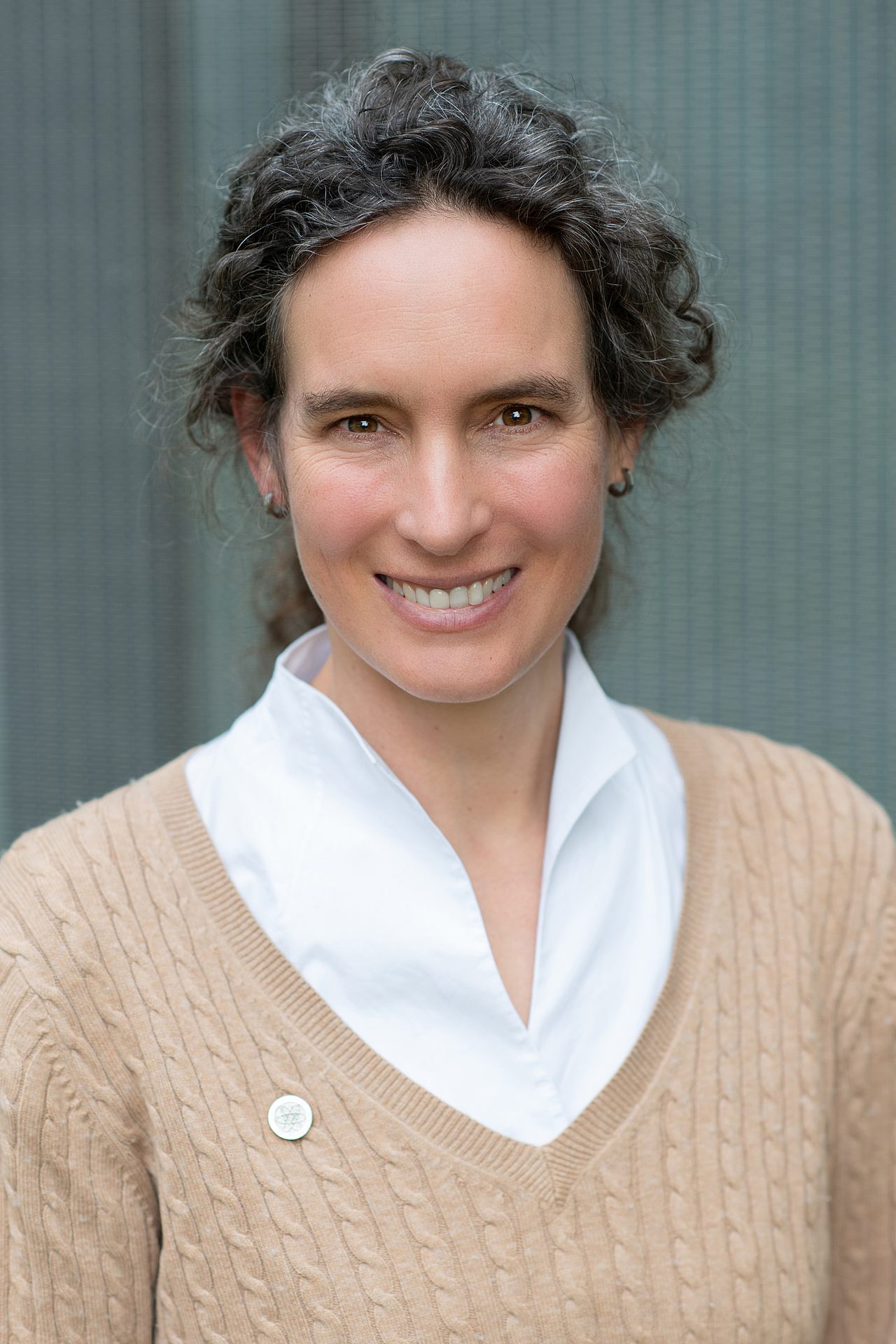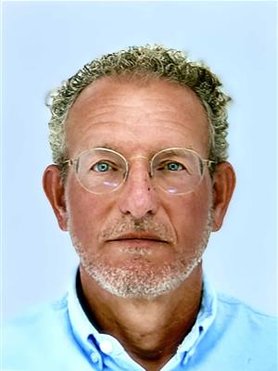
Xiaoming Zheng is a Professor of Mathematics at Central Michigan University (CMU), specializing in computational mathematics and mathematical biology. His research focuses on fluid dynamics, numerical partial differential equations, and biological systems such as tumor growth and angiogenesis. He leads a collaborative NSF-funded project (DMS-2309747) investigating computational methods for incompressible fluids and magnetohydrodynamic turbulence, with implications for weather prediction and plasma physics. Zheng earned his Ph.D. in Applied Mathematics from the University of California, Irvine (2005), and holds M.S. and B.S. degrees in Mathematics from Peking University and Nanjing University, respectively. Research & Grants: Zheng’s work bridges numerical analysis and biological modeling, with contributions to tumor growth dynamics, angiogenesis mechanisms, and fluid-structure interactions. His NSF project (2023–2026) develops novel computational tools for fluid dynamics, promoting interdisciplinary training and community engagement through K-12 outreach. Education: Ph.D., Applied Mathematics, University of California, Irvine (2005) M.S., Computational Mathematics, Peking University (1999) B.S., Mathematics, Nanjing University (1996) Research Interests: Computational Mathematics: Incompressible fluids, Navier-Stokes equations, interface-fitted adaptive mesh methods. Mathematical Biology: Tumor growth modeling, angiogenesis, infectious disease dynamics. Advising & Training: Zheng mentors graduate and undergraduate students in computational and biological mathematics, emphasizing interdisciplinary research. His projects include training underrepresented groups and fostering collaborations with institutions like Notre Dame. Labs & Simulations: His lab produces simulations of tumor growth under Darcy’s Law and Boussinesq equations, visualizing phenomena such as plume formation and temperature redistribution in buoyancy-driven flows.