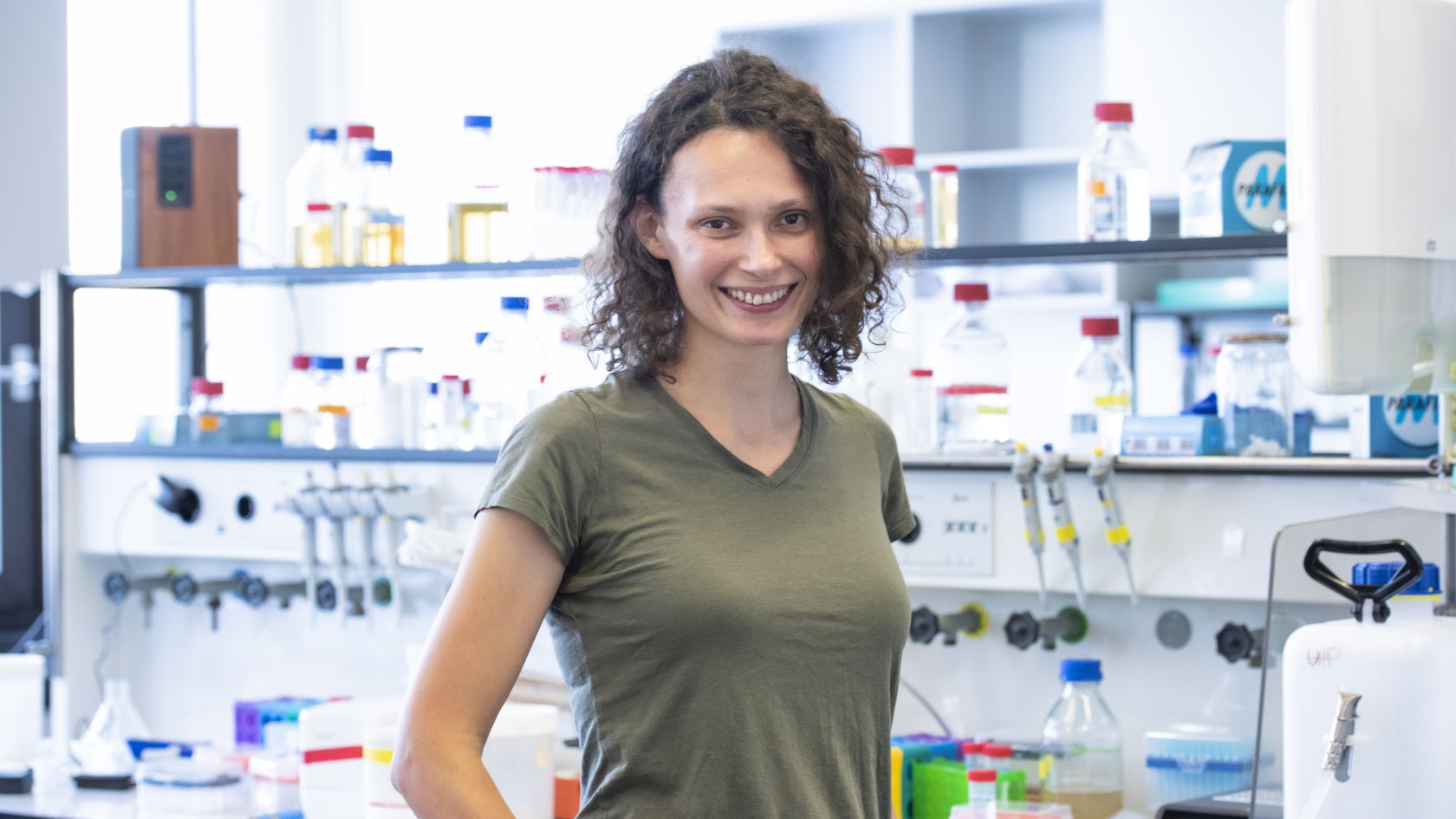
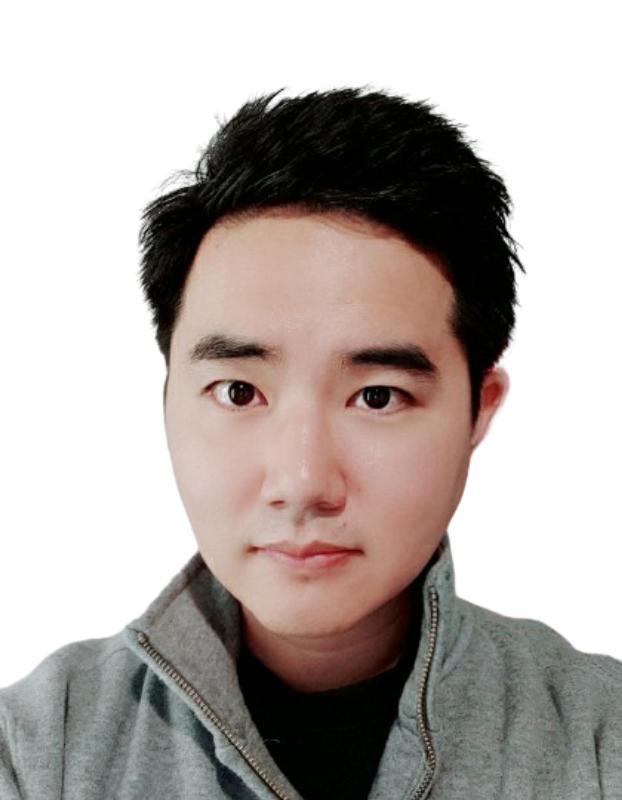
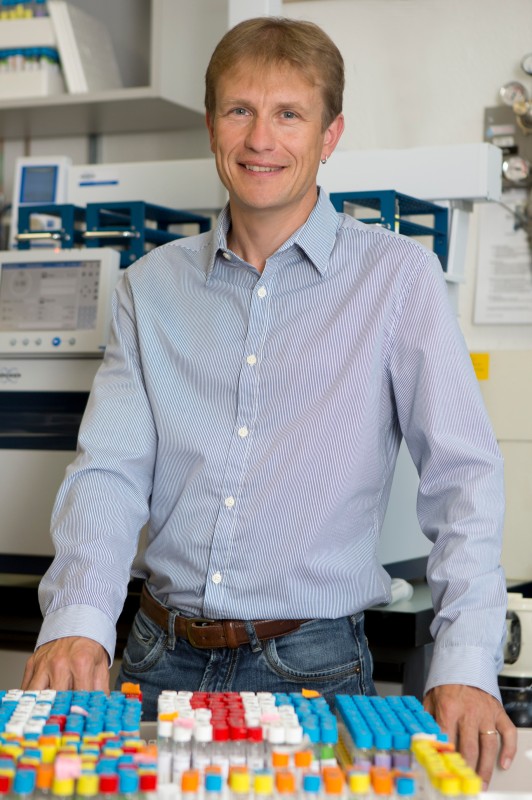
Prof. Knut Drescher is an Associate Professor at the Biozentrum, University of Basel , leading a research group focused on bacterial biofilms , swarming , and microbial multicellularity . Previously, he served as a Professor of Biophysics and Max Planck Research Group Leader at Philipps-Universität Marburg (2015-2021) and conducted postdoctoral research at Princeton University. Research Interests: Physical and biological mechanisms of biofilm formation Cell-cell interactions in microbial communities Antibiotic resistance in biofilms Hydrodynamics of bacterial swarms Evolution of cooperation in multispecies biofilms Development of bioimaging software (BiofilmQ, BacStalk) Scientific Awards: 2023: SNSF Consolidator Grant 2019: Heinz Maier-Leibnitz Prize (DFG), VAAM Research Prize, IUPAP Young Scientist Prize 2016: ERC Starting Grant Advising & Grants: Advises PhD and Master's students in microbiology, biophysics, and bioinformatics Secured major grants from ERC , HFSP , and DFG
Prof. Dr. Alex Hall is an Associate Professor at the Department of Environmental Systems Science and Head of the Institute of Integrative Biology at ETH Zürich , Switzerland. He holds a PhD from the University of Edinburgh (2008), followed by postdoctoral work at the University of Oxford and ETH Zürich, including prestigious SNSF Ambizione and Marie Curie Intra-European fellowships. Research Focus: The Hall lab investigates Microbial interactions in human microbiomes Antibiotic resistance evolution Horizontal gene transfer dynamics Computational and in vitro modeling of microbial communities Evolutionary medicine applications Scientific Contributions: His recent studies analyze probiotic treatments for Staphylococcus aureus decolonization, strain-specific ecological success in gut microbiomes, and CRISPR-Cas system roles in plasmid conflicts. The lab employs computational frameworks combined with experimental validations. Scientific Awards: SNSF Ambizione fellowship Marie Curie Intra-European fellowship He also serves on the SNSF PRIMA fellowship evaluation panel and the ETH Zürich Coordination Council Medicine .
Lucas Paoli is a Researcher and Course Instructor at École Polytechnique Fédérale de Lausanne (EPFL), Switzerland. He leads the Paoli Lab (Microbiome Immunity and Ecology) within the Global Health Institute (GHI) under the School of Life Sciences (SV). His roles include scientific collaboration and teaching responsibilities in life sciences engineering. Paoli holds a PhD in Microbiome Research from ETH Zürich (2018-2023), an M.Phil. in Environmental Policy from the University of Cambridge (2017-2018), and an M.Sc. in Ecology and Evolution from École normale supérieure (2015-2017). Research Focus: His work bridges microbial immunity and ecology, investigating how microbes defend against viral infections across ecosystems like oceans and human microbiomes. Techniques include global-scale metagenomics and functional genomics to study immune strategies and ecological interactions. Key themes involve microbial community dynamics, viral defense mechanisms, and the impact of environmental factors on microbial immunity. Lab & Education: The Paoli Lab explores microbiome-immunity interactions with a focus on ecological contexts. Paoli supervises PhD students in Life Sciences Engineering. His research outputs span microbial ecology, metagenomic tool development, and marine microbiome studies. Contact: lucas.paoli@epfl.ch, AAB 1 39, +41 21 693 16 99.
Amy E. Fraley is an Assistant Professor at ETH Zürich, Department of Chemistry and Applied Biosciences, and leads the Medicinal Chemistry Research Group. Her cross-disciplinary work bridges natural products biosynthesis, pharmaceutical sciences, and environmental sustainability through enzymatic chemistry and biotechnology. BSc in Chemistry, Millersville University of Pennsylvania (2014) PhD in Medicinal Chemistry, University of Michigan College of Pharmacy (2019) Postdoctoral work at ETH Zürich Institute of Microbiology under Prof. Jörn Piel Her research focuses on harnessing biosynthetic enzymes (e.g., halogenases, monooxygenases, Diels-Alderases) to create sustainable bioactive metabolites. She explores natural product biosynthesis in fungi and marine bacteria, targeting disease mechanisms and green chemistry applications. Recent work includes metagenomic studies of Lake Chilika microbial mats and polyketide synthase engineering. Notable scientific awards include the 2024 JSP Fellow at Bürgenstock Conference, 2018 Rackham Predoctoral Fellowship, and multiple University of Michigan honors. Her group secured funding from the ETH4D Doctoral Mentorship Grant and Messerli Foundation . Collaborations span structural biology, synthetic chemistry, and microbiology, with key contributions to flavoenzyme characterization and bioactive compound libraries . The lab emphasizes interdisciplinary training and innovation in biocatalytic tools for organic synthesis.
Simone Fior is a Lecturer at the Department of Environmental Systems Science , ETH Zürich , focusing on ecological genetics and plant adaptation. Their research integrates genomic, quantitative genetics, and ecological field experiments, particularly on Dianthus (Caryophyllaceae) along altitudinal and climatic gradients. Recent work explores climate-induced range shifts, local adaptation, and genomic responses to environmental changes. Professional experience includes roles at ETH Zürich since 2013 (Senior Assistant, Postdoc) and prior positions at the Edmund Mach Foundation (2009-2012) and University of Insubria (2007-2008). Education spans a PhD in Plant Biology (University of Milan, 2007) and an MSc in Natural Sciences (University of Milan, 2003). Simone co-organizes the Bioinformatics for Adaptation Genomics Winter School . Key research areas include adaptive divergence , polygenic adaptation , climate change biology , and phylogenomics . Articles emphasize genomic selection signatures, functional-structural modeling, and ecological-genetic interactions. Notable collaborations involve Jake Alexander, Alex Widmer, and interdisciplinary teams at ETH Zurich.
Dr. Andre Kahles is a Lecturer in the Department of Computer Science at ETH Zürich, specializing in biomedical informatics. His research focuses on computational methods for analyzing large-scale genomic and transcriptomic data, with applications in cancer genomics, metagenomics, and precision medicine. He has contributed to the development of tools such as SplAdder for alternative splicing analysis, MetaGraph for petascale genomic data exploration, and SECEDO for subclone detection in cancer genomes. His work bridges algorithmic innovation with biological insights, addressing challenges in single-cell analysis, genome graph alignment, and multi-omics integration. Key research themes include: Developing scalable algorithms for processing nanopore sequencing and metagenomic data Characterizing somatic mutations and non-coding drivers in cancer genomes Advancing genome graph-based alignment and annotation methods Integrating multi-omics data for clinical decision-making and tumor profiling His publications span topics like RNA-seq analysis, chromothripsis in cancers, and global urban microbiome tracking through the MetaSUB consortium. Kahles has collaborated on landmark projects including the Pan-Cancer Analysis of Whole Genomes (PCAWG) and the Tumor Profiler Study.
Prof. Dr. Sven Panke is a Full Professor and Head of the Department of Biosystems Science and Engineering at ETH Zürich. His research focuses on bioprocess engineering, synthetic biology, and enzymatic process development. Key areas include miniaturized bioreactor systems, microbial engineering for novel metabolite production, and high-throughput screening methodologies. Education: Studied Biotechnology at TU Braunschweig, with postgraduate research at the German National Research Center for Biotechnology and ETH Zurich. Transitioned from industry (DSM) to academia in 2001 as an Assistant Professor, progressing to Associate Professor (2007-2009) before leading the BSS department. Research interests emphasize directed evolution of enzymes, metabolic pathway engineering, and systems biology approaches to optimize microbial production systems. Current projects include bio-indigo synthesis, antimicrobial peptide discovery, and synthetic biology tools for cellular engineering. Labs/Teams: Leads the Bioprocess Engineering Lab at ETH Zurich, collaborating on projects like the E. coli import system design and γ-glutamyltransferase engineering. Active in developing microfluidics platforms for parallel reaction analysis. Grants/Advising: Funded by initiatives in sustainable biomanufacturing and synthetic biology. Supervises graduate students in bioprocess design and microbial systems engineering.
Prof. Flavio Anselmetti is a Full Professor of Quaternary Geology and Paleoclimatology at the University of Bern , where he has been employed since 2012. He also serves as the Managing Director of the Institute of Geological Sciences . Prior to this, he held significant roles at ETH Zurich, including SNSF Assistant Professor, and at EAWAG Dübendorf as Head of the Sedimentology Group, while remaining a Titular Professor at ETH Zurich until 2012. His academic training includes a Diploma in Geology (1990) from the University of Basel , followed by a PhD (1994) from ETH Zurich and University of Miami (USA) . He spent three years as a Postdoctoral Fellow and Research Associate at the University of Miami between 1994 and 1997. Paleoseismology : Using lacustrine and marine sediments to reconstruct earthquake and tsunami records Climate Change Studies : Investigating Holocene and Pleistocene climate shifts through sediment cores Sediment Dynamics : Analyzing source-to-sink systems and glacial sediment properties His recent publications focus on sedimentary archives in Science Advances , Quaternary Research , and Environmental Modelling and Software , with an emphasis on deep learning applications in sediment analysis , multi-proxy paleoenvironmental reconstructions , and human impact assessments over millennia. He has contributed to major projects in the Alpine foreland and Caribbean regions . Prof. Anselmetti leads the Quaternary Geology and Paleoclimatology Research Group and collaborates with international teams on ICDP-DOVE drilling campaigns and multibeam bathymetry mapping in Swiss lakes. His work extends to geohazard assessment , carbonate-siliciclastic shelf dynamics , and subaqueous fault analysis in active tectonic zones.
Prof. Dr. Marek Basler is an Associate Professor of Infection Biology at the Biozentrum, University of Basel , leading a research group focused on the Type VI Secretion System (T6SS) in bacterial pathogens. His work bridges structural biology, molecular microbiology, and computational analysis to unravel the mechanisms of this contractile nanomachine. PhD in Microbiology (2007, Institute of Microbiology, CAS, Prague) Postdoctoral Fellow (2007–2013, Harvard Medical School) Assistant Professor (2013–2018) and Associate Professor (since 2018) at Biozentrum His research explores the structure, assembly, and therapeutic potential of the T6SS, a critical virulence factor in pathogens like Pseudomonas aeruginosa . Key themes include bacterial defense strategies , intermicrobial competition , and host-pathogen interactions . Recent projects highlight T6SS roles in antibiotic resistance and horizontal gene transfer . The most recent publications (2025–2024) reveal novel insights into T6SS activation by environmental stress , toxin diversity , and host cell targeting . Trends span microbial ecology , nanomachine dynamics , and computational modeling of bacterial interactions. Scientific Awards : EMBO Membership (2023) ERC Consolidator Grant (2019) EMBO Gold Medal (2018) Friedrich Miescher Award (2018) EMBO Young Investigator (2015) His lab (Basler Lab) utilizes state-of-the-art microscopy , biochemical techniques , and live-cell simulations (e.g., BacFighT6 ). Collaborations span institutions like Harvard Medical School and NCCR-AntiResist , with future work targeting antibacterial therapies .
Prof. Tina Perica is an Assistant Professor (tenure-track) in the Department of Biochemistry at the University of Zurich, joining in July 2021. Her research focuses on understanding how biochemical properties of proteins encode systems-level functions in signal transduction and gene regulation. Her lab integrates protein biochemistry, biophysics, functional genomics, and computational biology to study cellular regulation mechanisms. Education: B.Sc. in Biology, University of Zagreb (2008) Ph.D. in Biochemistry, University of Cambridge (2013) Postdoctoral training at University of California, San Francisco (2013–2021) Research Interests: Systems Biochemistry Allosteric Regulation in GTPases and Kinases Genotype-to-Phenotype Mapping Functional Genomics and Computational Biology Her team explores how molecular mechanisms of proteins interact within cellular networks to regulate complex processes, aiming to predict therapeutic effects and disease mutations. Lab Activities: Develops experimental and computational tools to map functional interactions in signaling pathways Focuses on targeted perturbations of proteins to study systems-level effects Emphasizes interdisciplinary approaches blending biochemistry with systems biology
Manfred Zinn serves as a Professor at the University of Applied Sciences and Arts Western Switzerland (HES-SO), specifically within the School of Chemistry and Life Sciences. He leads the Biotechnology and Sustainable Chemistry research group at the Life Science Engineering department in Sion, Switzerland. His academic position includes significant research leadership responsibilities and active contributions to the field of bioplastics and sustainable materials. Professor Zinn's research focuses primarily on biotechnology applications for sustainable materials, with particular expertise in polyhydroxyalkanoates (PHAs) and other bioplastics. His work spans microbial biosynthesis, material characterization, and industrial applications of biodegradable polymers. He investigates the metabolic pathways of PHA-producing microorganisms, develops novel analytical methods for biopolymer characterization, and explores practical applications of bioplastics in medical and industrial contexts. His research integrates microbiology, polymer chemistry, and process engineering to address challenges in sustainable materials development. Analysis of his recent publications (2019-2024) reveals a strong focus on advancing the science and technology of bioplastics, particularly polyhydroxyalkanoates. His work addresses key challenges in monomer composition control, polymer characterization, biosynthesis optimization, and industrial applications. A significant trend in his research involves developing sophisticated analytical methods for biopolymer production monitoring and exploring novel applications for biodegradable materials in medical and industrial contexts. His collaborative work spans multiple countries and institutions, reflecting the international nature of bioplastics research. Professor Zinn has secured significant research funding through multiple competitive grants, including Innosuisse and Swiss National Science Foundation projects. His research portfolio includes projects on biosynthesis of Chlorella, electroplating processes for biodegradable materials, and online flow cytometry analysis for microbial bioplastic production. These projects demonstrate his ability to secure funding for interdisciplinary research at the intersection of biotechnology, materials science, and sustainable chemistry. His collaborations extend to institutions including the Frauenhofer Institute and Chulalongkorn University in Bangkok. The Biotechnology and Sustainable Chemistry research group led by Professor Zinn maintains strong laboratory facilities for microbial cultivation, biopolymer synthesis and characterization. The group utilizes advanced equipment including bioreactors, flow cytometry systems, and polymer analysis instrumentation. Their research bridges fundamental science with practical applications, focusing on developing sustainable alternatives to conventional plastics while addressing technical challenges in production, characterization, and implementation.
Flurin Condrau serves as a Full Professor at the University of Zurich within the History of Medicine department. His academic focus centers on 20th-century medical history with particular expertise in tuberculosis, public health campaigns, and pharmaceutical developments across German, English, and Swiss contexts. Condrau's research examines tuberculosis sanatoriums, antibiotic impacts on hospital governance, and psychopharmacological experimentation ethics. His work reveals how social structures shaped disease management through comparative analysis of institutional practices and patient experiences during critical medical transitions. Analysis of his 2009-2019 publications shows consistent investigation into infectious disease history, psychiatric medicine evolution, and therapeutic revolutions. Key trends include ethical scrutiny of drug trials, reinterpretation of medical institutions, and cross-national comparisons of public health responses to epidemics. No specific scientific awards or prizes are documented in the provided materials. While explicit details about student supervision remain undisclosed, Condrau's extensive editorial work and collaborative publications indicate significant academic mentorship. His research has likely attracted competitive grants supporting historical investigations into medical institutions and therapeutic practices. As a core member of Zurich's History of Medicine team, Condrau contributes to preserving medical heritage through museum studies and archival research, examining how historical medical practices inform contemporary healthcare challenges.
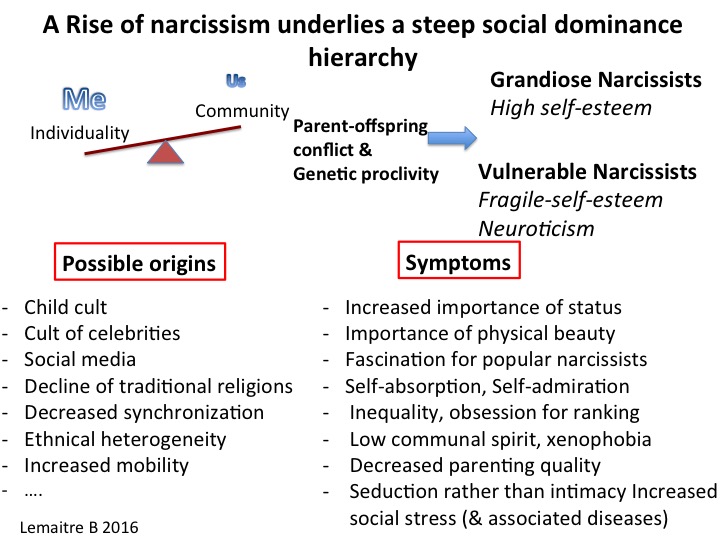
Bruno Lemaitre is a Full Professor at École Polytechnique Fédérale de Lausanne (EPFL), affiliated with the School of Life Sciences and the Global Health Institute (UPLEM). He also contributes to teaching in the Doctoral Program in Molecular and Cellular Life Sciences (EDMS), the School of Humanities (SHS), and the School of Basic Sciences (SV-SSV). He leads the Lemaitre Lab, focusing on immunology and host-pathogen interactions. Full Professor, EPFL – Global Health Institute (UPLEM) Full Professor, EPFL – School of Life Sciences (SV-SSV) Full Professor, EPFL – Doctoral Program (EDMS) Full Professor, EPFL – School of Humanities (SHS) Member, EPFL Committee of Academic Evaluation (CEAE) His research spans immunology, evolutionary psychology, and the sociology of science. Key areas include innate immunity, Toll-like receptors, Drosophila host defense, and the influence of narcissism on scientific success. He has published extensively on how personality traits shape research culture and ethics. The most recent 15 articles reflect a strong interdisciplinary trend, combining molecular immunology with psychological and sociological themes. While early works focus on TLRs and Drosophila immunity, recent publications explore narcissism, obesity, scientific discovery myths, and the cultural impact of personality. This indicates a broadening research scope from molecular biology to the human dimensions of science. Scientific awards and recognitions include: EMBO Member (2007) Bruno Lemaitre supervises a dynamic group of PhD students, both current and past, and is involved in significant educational initiatives, including MOOCs on immunology and authored textbooks. He has also contributed to public discourse through interviews and media appearances. His laboratory, the Lemaitre Lab, is a hub for research on infection and immunity, and he plays a role in academic governance through committee memberships.
Dr. Seunghwan Shin is a postdoctoral researcher at ETH Zurich's Department of Mechanical and Process Engineering, affiliated with the Institute of Fluid Dynamics and working within Prof. Filippo Coletti’s group . His research spans fluid dynamics, polymer science, and biophysics, with a focus on multiphase flows, shear-banding in entangled polymers, and bacterial motility in complex fluids. Bachelor’s Degree : Chemical & Biological Engineering from Seoul National University (minor in Economics) PhD : Chemical Engineering at the University of Minnesota under Prof. Xiang Cheng and Prof. Kevin D. Dorfman His work explores turbulent suspensions , polymer microstructure , and active matter systems , combining experimental and rheological approaches. Publications emphasize quasi-2D turbulence , shear-banding , and colloidal media interactions in both synthetic and biological systems. The 15 most recent articles highlight trends in non-Newtonian fluid behavior , DNA-polymer dynamics , and enhanced motility mechanisms , with subfields spanning viscoelastic flows , microscale transport , and active colloids . He is part of the Coletti Group at ETH Zurich, advancing research on fluid dynamics and complex media.
Prof. Johan Six is a Full Professor of Sustainable Agroecosystems at ETH Zürich's Institute of Agricultural Sciences. His research focuses on agroecosystem management, biogeochemical cycling, and global change impacts. He leads experimental and modeling studies across scales, integrating soil, plant, and microbial interactions to enhance food system resilience. His work spans tropical Africa, Europe, and the Americas. Education: PhD in Soil Science from Colorado State University (1998), followed by roles at UC Davis and ETH Zurich. Awards include AAAS Fellowship, Philippe Duchaufour Medal, and Clarivate Highly Cited Researcher recognition (2015-2020). Research interests emphasize carbon-nutrient dynamics, climate mitigation strategies, and sustainable farming practices. He develops models to predict agroecosystem responses to global change, collaborating on bio-economic assessments and interdisciplinary projects like the World Food System Center. Teaching includes courses on agroecosystems, biogeochemical modeling, and tropical cropping systems. His lab engages in international projects addressing food security, circular bioeconomy practices, and climate-smart agriculture.