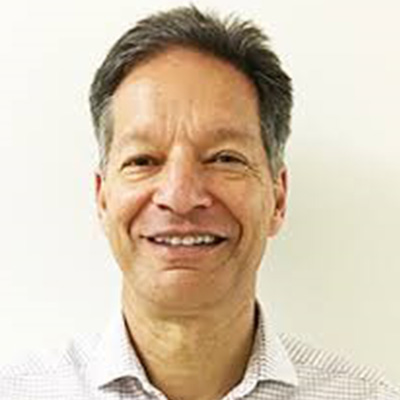
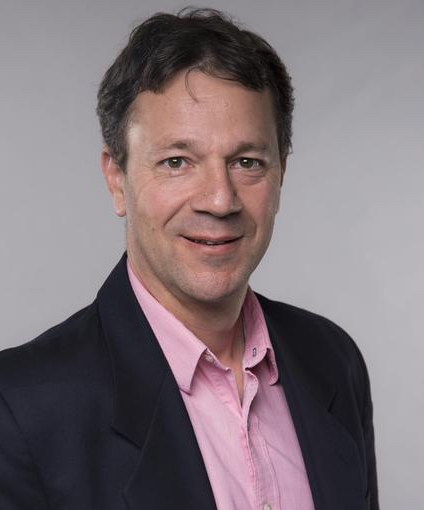
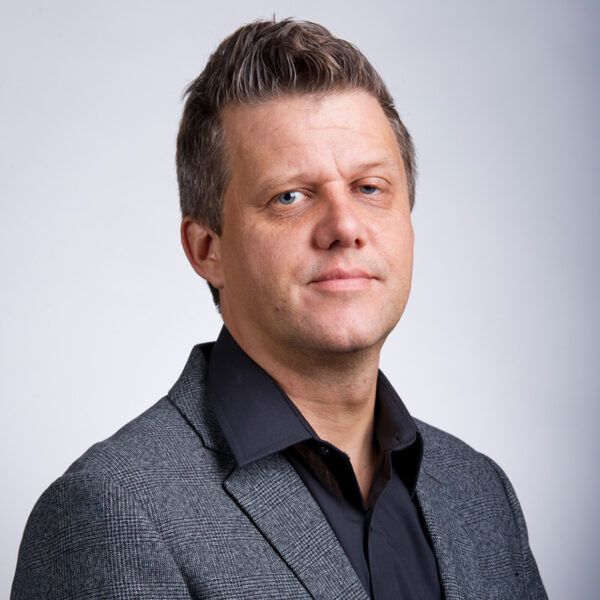
John C. Conboy is a Professor in the Department of Chemistry at the University of Utah . His research focuses on the structure and dynamics of lipid membranes, utilizing advanced spectroscopic techniques like sum-frequency vibrational spectroscopy (SFVS) and second-harmonic generation (SHG) to explore interfacial phenomena in biological systems. Education: B.S. (University of California, Davis, 1991), Ph.D. (University of Oregon, 1996), NIH Postdoctoral Fellow (University of Arizona, 1998-2000) His work addresses fundamental questions in membrane biology, including lipid flip-flop, electrostatic interactions, and the influence of ions and peptides on membrane asymmetry. He has developed novel label-free detection methods for studying drug-membrane interactions and protein binding. Key themes in his research include: Lipid bilayer dynamics and asymmetry Nonlinear optical spectroscopy applications Role of cholesterol and ions in membrane behavior Design of synthetic membrane mimics Interfacial tension and electrochemistry Scientific Awards: NIH Postdoctoral Fellow
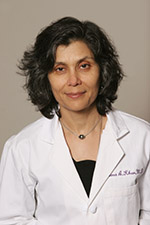
Dr. Ira Kurtz is a Professor of Medicine at the University of California, Los Angeles (UCLA), and Chief of Nephrology. He is also a Member of the Brain Research Institute. His research focuses on renal physiology, acid-base homeostasis, and molecular transport mechanisms, particularly within the SLC4 transporter family. His work spans structural biology, molecular dynamics, and clinical nephrology. His scientific contributions include structural characterization of SLC4 transporters using cryo-EM and molecular dynamics simulations, revealing key insights into ion translocation pathways and conformational dynamics. He has extensively studied the molecular basis of proximal renal tubular acidosis and electrolyte disorders, with particular emphasis on NBCe1 transporter function and regulation. Dr. Kurtz's publications demonstrate expertise in renal acid-base physiology, membrane transporter characterization, and clinical applications. His work connects fundamental molecular mechanisms with human diseases, including corneal endothelial dystrophies, thrombotic microangiopathy from anti-VEGF treatments, and genetic disorders affecting ion transport. His research methodology integrates computational biology, structural biology, and translational medicine approaches. He has developed novel quantitative models for acid-base analysis and electrolyte disorders, challenging established paradigms like the Stewart approach through critical evaluation of bicarbonate-centered models.
Dr. Seema A Khan is Professor of Surgery (Breast Surgery) at Northwestern University Feinberg School of Medicine and the Bluhm Family Professor of Cancer Research. She serves as a surgical oncologist at Northwestern Memorial Hospital and co-leader of the breast cancer program at the Robert H. Lurie Comprehensive Cancer Center of Northwestern University. Her educational background includes an MD from Dow Medical College, Pakistan (1978) and an MS from Harvard School of Public Health (1990). Her clinical training encompasses residencies at Saint Agnes Hospital and Saint Joseph's Hospital, followed by fellowships at Roswell Park Cancer Institute. Dr. Khan's research focuses on improving identification of women at high risk for breast cancer to develop better prevention strategies. She studies molecular profiles of benign breast disease, DNA alterations, progesterone signaling effects on breast cancer risk, and lipid metabolism's influence on risk. Her work aims to find safe prevention methods that balance cancer risk reduction with quality of life. In 2014, her team published groundbreaking research on a topical tamoxifen gel that reduced cancer cell growth with fewer systemic side effects compared to oral administration. Her recent publications (2023-2025) demonstrate continued leadership in breast cancer research, spanning molecular biology, epidemiology, clinical oncology, and patient-centered outcomes. Her work addresses critical questions in breast cancer prevention, risk stratification, treatment response, and quality of life considerations. Dr. Khan has received the Department of Surgery Research Mentor Award from Northwestern University Feinberg School of Medicine in both 2022 and 2023. She serves on the CP-CTNet Steering Committee, chairs the TMIST Data Safety Monitoring Committee, and participates in the San Antonio Breast Cancer Symposium Planning Committee. She is also an editorial board member for Cancers MDPI and Cancer Prevention Research. Currently, Dr. Khan leads a phase 2 clinical trial (ATOS-Z-201) investigating (Z)-endoxifen as a treatment for premenopausal women with ER+/HER2- breast cancer. Her professional leadership extends to membership in the American Surgical Association, American Society of Clinical Oncology, American Association for Cancer Research, Society of Surgical Oncology, American Society of Breast Surgeons, and as a Fellow of the American College of Surgeons.
Anders Albrechtsen is a Professor at the Bioinformatics Centre, Department of Biology, University of Copenhagen, specializing in computational and RNA biology. He leads research in statistical and computational methods for genomic data analysis with a focus on population genetics, particularly in isolated populations like the Greenlandic Inuit. Education: Natural Science Basic Education, Roskilde University Centre, Denmark (2000-2002) BSc in Molecular Biology, Roskilde University Centre, Denmark (2003) Mathematics, Roskilde University, Denmark (2002-2004) MSc in Bioinformatics, Copenhagen University, Denmark (2006) PhD from the Department of Biostatistics, Copenhagen University, Denmark (2009) Albrechtsen's research focuses on developing statistical and computational methods for genomic data analysis, with particular emphasis on multi-loci association studies, population structure analysis, and next-generation sequencing data. His work bridges computational methods development with applied population genetics, contributing significantly to understanding human and wildlife genomics. His research group develops open-source software available at www.popgen.dk/software. His recent publications demonstrate expertise across population genetics, genomic methods development, and medical applications, with numerous high-impact papers in journals like Nature, Cell, and Nature Communications. His work often involves large-scale genomic studies of human populations (particularly Greenlandic Inuit) and wildlife species, addressing questions related to population history, adaptation, and disease genetics. Scientific Recognition: Lundbeck Fellow (10M DKK, 2016-2021) Novo Ascending Investigator (10M DKK, 2021-) Villum Young Investigator Programme (2.3M DKK, 2011-2015) Albrechtsen actively supervises students and researchers, currently serving as main supervisor for 6 PhD students (with 8 completed), 2 postdocs, and 1 master's student (with 25 completed). He has secured significant research funding as PI and co-PI, including large collaborative grants like LuCamp (60M DKK) and the UCPH Excellence Programme (36M DKK). His research group maintains strong international collaborations, particularly with institutions in the United States. He serves as a journal reviewer for prestigious publications including Nature Genetics, Genome Research, and American Journal of Human Genetics, contributing to the scientific community through peer review and mentorship.
Dr. Michael Lee is an Assistant Professor of Medicine in the School of Medicine at the University of California, San Francisco (UCSF), specializing in pulmonary vascular diseases with a particular focus on pulmonary hypertension related to schistosomiasis and connective tissue disorders. His research integrates metabolomics, immunology, and vascular biology to uncover disease mechanisms and identify novel therapeutic targets. Dr. Lee completed his medical training at New York University, earning his MD in 2013, followed by Internal Medicine Residency (2016) and service as Chief Resident (2017). He further specialized through a Pulmonary Sciences and Critical Care Medicine Fellowship at the University of Colorado, completed in 2020. His research program centers on the metabolic underpinnings of pulmonary hypertension, with significant contributions to understanding the roles of macrophages, T cells, and metabolic dysregulation in disease pathogenesis. Dr. Lee's work has established important connections between parasitic infections, autoimmune disorders, and pulmonary vascular pathology, with increasing emphasis on metabolomics approaches to study transpulmonary gradients and cellular metabolism. Analysis of Dr. Lee's publication record reveals a sophisticated research trajectory focused on the intersection of pulmonary hypertension with infectious diseases (particularly schistosomiasis), connective tissue disorders, and metabolic pathways. His recent work demonstrates methodological sophistication through metabolomics integration and has expanded into exercise physiology applications and novel therapeutic approaches for pulmonary hypertension. Fulbright U.S. Scholar (2022-2023) NIH K08 Career Development Award recipient (2023-2028) U.S. Department of Defense grant recipient (2022-2025) CHEST Foundation Research Grant recipient (2021-2022) Dr. Lee serves as Principal Investigator on multiple significant research projects totaling millions in funding. His NIH K08 award investigates hypoxia inducible factor-1-dependent glycolysis in lung interstitial macrophages related to schistosomiasis-induced pulmonary hypertension. He also leads a Fulbright U.S. Scholar project on transpulmonary metabolomics in systemic sclerosis-associated pulmonary arterial hypertension and a Department of Defense project examining dysregulated pulmonary vascular metabolism. His research has established important connections between parasitic infections, autoimmune disorders, and pulmonary vascular disease. Dr. Lee collaborates extensively with the Graham laboratory at UCSF and maintains international research partnerships in Ethiopia and Zambia studying schistosomiasis-associated pulmonary hypertension. His work involves multidisciplinary teams including immunologists, metabolomics specialists, and clinicians specializing in pulmonary vascular diseases. He is actively involved in the Division of Pulmonary and Critical Care Medicine at UCSF, contributing to both clinical care and research initiatives focused on rare pulmonary vascular disorders.
Leon H. Bruner is an Adjunct Professor at Michigan State University's Institute for Integrative Toxicology, specializing in regulatory and occupational food toxicology. He combines three decades of industry experience with academic roles. Education: B.S., DVM, and Ph.D. in Pharmacology from Michigan State University; Postdoctoral Fellow at University of Michigan His research focuses on developing and validating alternatives to animal testing , particularly the Draize eye irritation test , emphasizing in vitro toxicity assessment , product safety , and regulatory compliance . Key areas include ocular irritancy models , silicon microphysiometer applications , and international validation studies . Key trends in publications (1983-2002) span ocular safety , in vitro methodology , and regulatory toxicology , with collaborations across institutions like COLIPA, EC/HO, and ECVAM. His work bridges industrial standards with academic research. He has contributed to international validation frameworks and toxicity testing guidelines , though no specific awards are listed. Current roles involve applied consumer product safety research and education policy at the Institute for Integrative Toxicology.
Egidio Dansero is a Full Professor in the Department of Cultures, Politics and Society at the University of Turin, where he also serves as Vice Rector for Sustainability and Development Cooperation and Director of the School of Legal, Political and Economic-Social Sciences at Campus Luigi Einaudi (2022-2024). His academic work bridges political and economic geography with practical applications in urban development and sustainability initiatives. Dansero's research centers on urban food systems, territorial development, and sustainability transitions. He leads the Italian Network on Local Policies of Food (Rete italiana politiche locali del cibo), the Atlas of Turin Food System (www.atlantedelcibo.it), and the PRIN 'Emplacing Food' project. His work examines how cities can transform food systems through innovative governance approaches, with particular focus on Alternative Food Networks, urban-rural linkages, and food sovereignty. He also investigates the territorial impacts of mega-events like the Olympics, industrial heritage regeneration, and green economy transitions. Analysis of Dansero's recent publications reveals a strong emphasis on urban food policy implementation across diverse contexts, from Italian cities like Turin and Milan to African urban centers. His work consistently applies geographical perspectives to sustainability challenges, particularly examining spatial dimensions of food systems, territorial governance, and urban resilience. A notable trend is his increasing focus on participatory approaches, including VGI (Volunteered Geographic Information) systems and crowdmapping for community engagement in urban planning. Dansero actively leads multiple research initiatives including 'Empowering cities as agents of food system transformation' and 'Circular Business Models for Sustainable Urban Food Systems.' His work with the RUS (Rete delle Università per lo Sviluppo Sostenibile) demonstrates commitment to connecting academic research with practical sustainability transitions in urban contexts. He coordinates the Atlas of Turin Food System and directs several collaborative projects involving the University of Turin, the University of Gastronomic Sciences, and international partners. His approach emphasizes transdisciplinary collaboration, bringing together academic researchers, policymakers, and community stakeholders to address complex urban sustainability challenges, particularly in the food domain.
John V. Brigande is an Associate Professor at the Oregon Hearing Research Center, Oregon Health & Science University. He began his academic career at Boston College where he earned his B.S. (1987), M.S. (1991), and Ph.D. (1997) in neuroscience and developmental neurobiology. His postdoctoral training included developmental genetics at the University of Texas at Austin (1998) and auditory development at Purdue University (2003). He joined the Oregon Hearing Research Center as an Assistant Professor in 2003 and was promoted to Associate Professor in 2009. Since 2011, he has been a key contributor to the Hearing Health Foundation's Hearing Restoration Project. Education: B.S., Boston College, 1987 M.S., Boston College, 1991 Ph.D., Boston College, 1997 Postdoctoral Fellowship, University of Texas at Austin, 1998 Postdoctoral Fellowship, Purdue University, 2003 Brigande's research focuses on mammalian inner ear development , employing experimental embryology, surgical techniques, and gene transfer methods to study developmental processes in vivo. His lab investigates cell fate decisions in otic progenitors using retroviral lineage analysis and develops fetal gene/drug therapies for congenital deafness. A major focus is translating developmental mechanisms into gene and cell therapies for hearing loss and balance disorders, with particular emphasis on hair cell regeneration strategies. His publications demonstrate a strong focus on translational approaches to hearing restoration , including gene therapy (CRISPR/Cas9, AAV vectors), antisense oligonucleotides for congenital disorders, and optimization of diagnostic techniques. Recent work explores primate models of Usher syndrome, fetal pharmacotherapy, and mitochondrial genetics, reflecting interdisciplinary collaboration across genetics, audiology, and developmental biology. Brigande leads a research laboratory within the Hearing Health Foundation's Hearing Restoration Project consortium, focused on developing mouse model systems to validate hair cell regeneration candidates. The lab utilizes techniques including transuterine microinjection, in vivo electroporation, and single-cell transcriptomics to advance therapeutic strategies for inner ear disorders.
Andrew Terentis is a Professor and the Department Chair of the Department of Chemistry and Biochemistry at Florida Atlantic University. His research integrates Raman spectroscopy, computational methods, and machine learning to study biological systems, with a focus on peptide and nucleic acid structures, cell interactions, and skin cancer diagnosis. Education: Ph.D. from the University of Sydney Research Interests: Dr. Terentis's work centers on the application of Raman spectroscopy for characterizing biomolecular structures and interactions. His group employs computational studies to analyze peptide and oligonucleotide conformations, and has pioneered the use of machine learning with Raman data for skin cancer classification. Additional interests include enzyme kinetics and mechanisms, particularly in methionine metabolism, and the development of pedagogical methods in Physical Chemistry. Publication Trends: Over the past decade, Terentis's research has evolved from fundamental studies of biomolecular structures (e.g., G-quadruplex DNA) to translational applications in oncology. Recent publications highlight a strong emphasis on integrating Raman spectroscopy with deep learning for cancer tissue classification, demonstrating a shift toward interdisciplinary biomedical engineering approaches.
Elizabeth Wrench serves as a Research Fellow in Cancer Epidemiology at Lancaster University's Medical School, with research bridging oncology, public health, and vector-borne disease control. Her work focuses on translational applications of epidemiological methods to cancer care and infectious disease surveillance, evidenced by multiple 2025 publications. Contact: l.wrench@lancaster.ac.uk. Educational background includes: PhD in Cancer Epidemiology, Lancaster University (2025) Her research program integrates geospatial analysis with clinical interventions, particularly examining glycaemic control in pancreatic cancer and prehabilitation strategies for gynaecological cancer patients. She actively investigates socio-ecological determinants of mosquito-borne diseases in Europe and North America, emphasizing stakeholder collaboration in model development. Methodologically, her work employs scoping reviews, epidemiological modeling, and public health expert consultations to address translational research gaps. Analysis of her 2025 publications reveals two interconnected research streams: (1) oncology-focused studies exploring exercise-based therapies and metabolic management in cancer, and (2) vector-borne disease research emphasizing transnational surveillance systems and stakeholder engagement frameworks. This dual focus demonstrates her commitment to addressing complex health challenges through interdisciplinary epidemiological approaches. She contributes to the Experimental Medicine research group at Lancaster Medical School, which fosters cross-disciplinary collaboration on disease mechanisms and therapeutic innovations.
Scott V. Edwards is a Professor of Organismic and Evolutionary Biology and Alexander Agassiz Professor of Zoology at Harvard University, holding dual affiliations with the Department of Organismic and Evolutionary Biology and the Museum of Comparative Zoology (MCZ). He serves as Chair of the Department of Organismic and Evolutionary Biology and leads the Edwards Lab, which integrates fieldwork, museum specimens, and genomic approaches to study avian diversity, evolution, and behavior. His research emphasizes population genetics, systematics, and natural history, focusing on speciation, genome evolution, and ecological adaptation. Education: Not explicitly listed in provided texts. Research interests include avian genomics, convergent evolution, conservation genetics, and the evolutionary basis of morphological and behavioral traits. Edwards advocates for natural history collections as critical resources for modern science and conservation. His lab explores topics like flightlessness in birds, plastic pollution impacts, and genomic underpinnings of adaptation. He teaches courses such as Molecular Ecology and Evolution and Biology and Diversity of Birds. Edwards collaborates globally on projects like the Avian Phylogenomics Project and contributes to initiatives like the Earth BioGenome Project. His work bridges evolutionary theory with applied conservation, emphasizing the synergy between genomic data and ecological insights.
Mi is an Adjunct Assistant Professor of Medical Oncology and Hematology at Yale School of Medicine, affiliated with the Pusztai Lab. He holds a PhD in biocybernetics and biomedical engineering from Silesian University of Technology (2013), with additional training at the Medical University of Gdańsk and Yale. His research focuses on bioinformatics, genomic data analysis, and translational oncology, particularly in cancer biomarker discovery and improving therapies through single-cell RNA sequencing and genomic profiling. He has contributed to over 21 peer-reviewed journal articles and 60 conference abstracts. Research interests include computational analysis of medical data (e.g., ATAC-seq, RNA-seq), biomarker validation for breast cancer subtypes, and integration of radiomics/multi-omics data. He has been recognized with scholarships from Polish science ministries and EU-funded programs. Recent work explores therapeutic targets like PCK2 in triple-negative breast cancer and the clinical impact of blood removal techniques in cytology samples. Key achievements: Co-authoring studies linking hormone receptor-positive HER2-negative cancers to triple-negative subtypes, developing tools like EpidermaQuant for histological analysis, and evaluating synthetic data methods for object detection in public transport systems. Awards: Minister of Science and Higher Education Scholarship (Poland), DoktoRIS Scholarship, and Best PhD Student Scholarship. Labs/Teams: Active in the Pusztai Lab, collaborating with institutions globally on translational cancer research.
Roman Manetsch is a Professor of Chemistry and Chemical Biology at Northeastern University, with a joint appointment in the Bouvé College of Health Sciences. His research focuses on medicinal chemistry, particularly developing novel therapies for neglected parasitic diseases like malaria and leishmaniasis, as well as antibacterial agents targeting drug-resistant pathogens. He leads the Manetsch Lab, which integrates mass spectrometry-based approaches with synthetic chemistry to optimize drug candidates. Expertise includes kinetic target-guided synthesis, protein crosslinking strategies for neurodegenerative diseases, and the discovery of compounds targeting Plasmodium species. Notable contributions include advancements in antimalarial drug design, development of streptothricin F as a novel antibiotic, and synthetic methodologies like sulfo-click and seleno-click amidation. Recipient of the 2023 TIER1 Seed Grant for innovative drug discovery research Leading multidisciplinary projects with the Barnett Institute of Chemical and Biological Analysis Collaborations in both biomedical research and pharmaceutical sciences Research trends emphasize translational applications of synthetic chemistry, with recent work exploring multifragment screening for protein interaction modulators and biocompatible reaction systems for targeted drug delivery. His lab’s publications consistently address critical gaps in treating neglected tropical diseases and antibiotic-resistant infections.
Hillary Smith is a Researcher affiliated with the Centre for Sustainable Tropical Fisheries and Aquaculture (CSTFA) at James Cook University (JCU), within the College of Science and Engineering. Her work focuses on coral reef ecology, macroalgal dynamics, microbial interactions, and climate change mitigation strategies in marine ecosystems. She contributes to restoration ecology initiatives and investigates the impacts of environmental stressors on coral health. Her research interests include coral recruitment mechanisms, microbial symbiosis, and the ecological effects of human-driven disturbances such as macroalgal overgrowth and bleaching events. She collaborates on projects addressing reef resilience, disease dynamics, and the development of effective restoration techniques. Smith’s publications highlight advancements in coral restoration methodologies, the role of microbes in coral settlement, and the ecological consequences of macroalgal proliferation. Her work underscores the need for integrated approaches to address climate change impacts on tropical marine ecosystems. She is part of the CSTFA’s multidisciplinary team, engaged in field-based monitoring, experimental studies, and applied research to support sustainable fisheries and aquaculture practices. Her contributions bridge basic science and conservation applications, emphasizing real-world solutions for tropical marine ecosystems.
Sabine Fischer is a Professor for Supramolecular and Cellular Simulations at the University of Würzburg’s Center for Computational and Theoretical Biology (CCTB). She holds a PhD in Mathematics from the University of Nottingham (2009) and completed postdoctoral research at the University of Cambridge (2009-2011) and the University of Frankfurt (2011-2017). Her work focuses on mathematical modeling and data-driven simulations of biological processes across subcellular, multicellular, and multi-tissue scales. Key research areas include agent-based modeling of parasite collective behavior (e.g., Project 7 of SPP 2332 PoP), cell-cell interactions, and morphological modeling with Blender. Her group develops tools for image analysis and applies methods ranging from classical statistics to machine learning. Education: Diploma in Mathematics, University of Würzburg PhD in Mathematical Biology, University of Nottingham (2009) Professional Experience: Postdoc, University of Cambridge (2009-2011) Postdoc, University of Frankfurt (2011-2017) Development Engineer, h.a.l.m. Elektronik GmbH (2017-2018) Professor, University of Würzburg (since 2018) Her research integrates experimental data with computational models to study processes like mouse blastocyst differentiation, tissue-level organization, and parasitic locomotion. Current projects emphasize agent-based modeling of Trypanosoma collective behavior and the development of open-source tools like VESNA for 3D vessel analysis.