- Mitochondrial fatty-acid β-oxidation
- Post-translational redox modifications
- Nitric-oxide signalling
- +۶ مورد دیگر
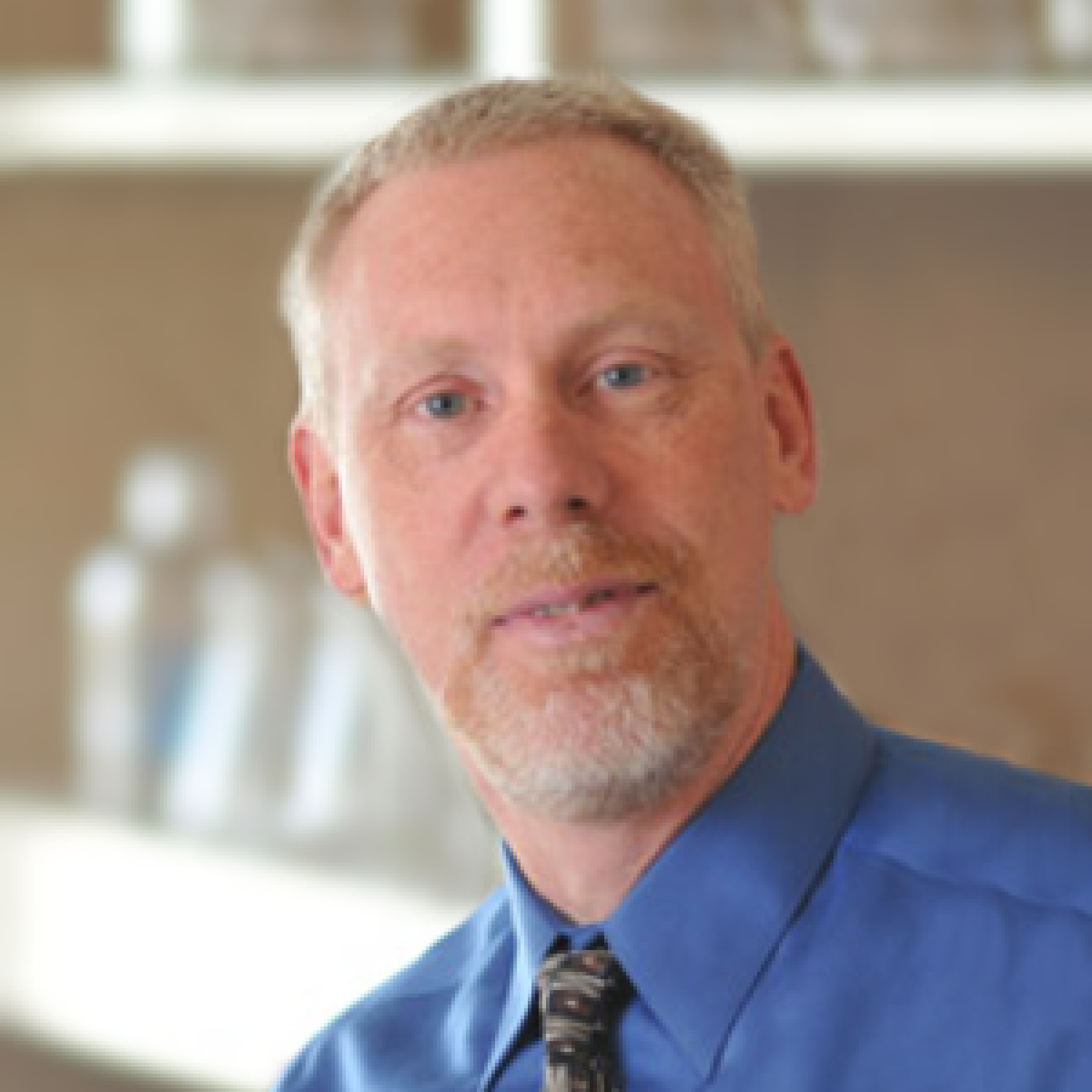
Paschalis-Thomas Doulias is Associate Professor of Organic Chemistry and Biochemistry in the Department of Chemistry at the University of Ioannina, Greece. His laboratory, located in Ioannina Campus building X3-106D, investigates the molecular mechanisms governing mitochondrial fatty-acid β-oxidation and their translational exploitation for rare inherited disorders of long-chain fatty-acid oxidation. Research Interests His research spans two tightly integrated themes: Basic Research: Elucidating post-translational redox modifications—particularly S-nitrosylation, acetylation and succinylation—that regulate key enzymes of mitochondrial fatty-acid oxidation. Work uses genetically modified mouse models (Sirt-3 -/- , Sirt-5 -/- , eNOS -/- and VLCAD Cys238Ala knock-in) complemented by cellular mutagenesis to dissect how energetic demand is coupled to enzymatic flux. Translational Research: Developing nitric-oxide-based therapies for long-chain fatty-acid oxidation disorders (LC-FAODs). The group pioneered the concept that augmenting NO signalling restores catalytic efficiency of mutant VLCAD, and is currently validating FDA-approved NO donors and proprietary hybrid NO-plus-substrate molecules in patient-derived cells and a humanised VLCAD-deficient mouse. Publication Landscape (2020-2025) Over the past five years, Doulias and collaborators have generated 15 high-impact articles that collectively map redox-proteomic landscapes in cardiovascular, neurodegenerative and metabolic disease contexts. Recurring keywords include S-nitrosylation, TCA-cycle compromise, mitochondrial energetics, HFpEF, ALS and Alzheimer’s disease, underscoring a unifying theme of redox-metabolic crosstalk. Scientific Awards & Recognition While specific honours are not enumerated, the consistent citation of his work (H-index 30, 3571 citations) attests to significant peer recognition. Funding & Collaborations Active translational projects include medicinal-chemistry optimisation of NO-donating compounds and in vivo efficacy testing in humanised mouse models of VLCAD deficiency, implying sustained competitive funding and multi-disciplinary partnerships. Laboratory & Team The group operates within the Department of Chemistry core facilities, leveraging state-of-the-art proteomics, metabolomics and transgenic animal resources to advance both basic and pre-clinical goals.