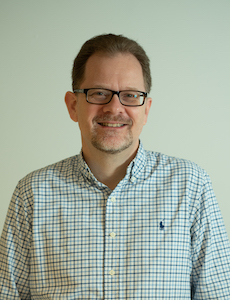
Vilhelm Bohr is an Affiliate Professor at the Department of Cellular and Molecular Medicine , University of Copenhagen, affiliated with the Molecular Aging Program and Center for Healthy Aging . His research explores the interplay between DNA maintenance , mitochondrial biology , and aging , particularly in age-associated neurodegeneration and Alzheimer’s disease. Research Interests include: Molecular mechanisms linking NAD + metabolism to mitochondrial dysfunction and neurodegeneration Role of tau pathology in DNA damage and mitochondrial stress Impact of Aprataxin (APTX) and RECQL4 helicase defects on mitochondrial DNA integrity Pharmacological strategies to improve mitochondrial health via autophagy modulation Publications (2025-2024) span topics like NAD + biosynthesis, Werner/Rothmund-Thomson syndromes, tau nuclear functions, and mitochondrial turnover, with high citations and media attention. Collaborations extend to clinical tumor samples and CRISPR-based disease models.
Thomas J. D. Jørgensen is an Associate Professor and Head of the Research Section of Biomedical Mass Spectrometry at the Department of Biochemistry and Molecular Biology, University of Southern Denmark. He leads an active research group focusing on protein structural dynamics using mass spectrometry and hydrogen/deuterium exchange methodologies. His research interests lie at the intersection of biochemistry, structural biology, and systems biology, particularly in understanding how protein dynamics govern function and dysfunction in diseases such as Parkinson’s and metabolic disorders. He employs advanced mass spectrometry techniques to study conformational changes, protein-protein interactions, and enzyme regulation, with a strong emphasis on lipoprotein metabolism and neurodegenerative disease mechanisms. The most recent articles highlight a consistent focus on protein dynamics in lipid metabolism, conformational diseases, and glycoprotein analysis, utilizing hydrogen/deuterium exchange mass spectrometry (HDX-MS) and related techniques. Themes include allosteric regulation of enzymes, protein unfolding, and structural phenotyping of disease-related aggregates. Member of the evaluation committee at the Swedish Research Council (2015) Chairman of multiple PhD evaluation committees (2014) Editorial and peer-review contributions to the scientific community He currently supervises PhD students and is involved in several major research projects funded by organizations such as the Michael J. Fox Foundation and Novo Nordisk Fonden. His lab, the Thomas J. D. Jørgensen Lab, includes postdoctoral researchers, academic staff, and industrial PhD students, fostering a collaborative and interdisciplinary research environment focused on biomedical mass spectrometry and systems biology.
Camilla Dalby Hansen is a researcher at the Department of Clinical Research, University of Southern Denmark, affiliated with Odense University Hospital (OUH) and the FLASH - Centre for Liver Research in Odense. Her work focuses on liver diseases, particularly metabolic and alcohol-related disorders, with a strong emphasis on biomarker development and fibrosis assessment. University: University of Southern Denmark Faculty: Faculty of Health Sciences Department: Department of Clinical Research Research Centre: FLASH - Centre for Liver Research (Odense) Collaborations: Odense University Hospital (OUH), KI Her research interests center on liver disease, alcohol-related liver disease, liver fibrosis, nonalcoholic fatty liver disease (NAFLD/MASLD), biomarkers, and prospective cohort studies. She investigates metabolic dysfunction-associated steatotic liver disease (MASLD), fibrosis progression, and the accuracy of diagnostic tools such as self-reported alcohol intake versus phosphatidylethanol biomarkers. Her work integrates clinical data, biomarker validation, and risk prediction models for early detection and management of liver disease. Camilla Dalby Hansen's recent publications (2025) in journals like The Lancet Gastroenterology & Hepatology and Journal of Hepatology reflect a research trajectory focused on improving early diagnosis and prognostic tools for liver fibrosis. Her studies often employ prospective cohort designs and involve dual biopsy validation, biomarker performance evaluation, and community-based prevalence assessments. Themes include the development of LiverPRO for primary care, discrepancies in alcohol reporting, and the role of novel biomarkers like soluble TREM2 and PRO-C3 in tracking disease activity. She has not received any publicly listed scientific awards or fellowships in the provided text. Camilla Dalby Hansen has contributed to research projects as a co-author and collaborator, particularly in dietary interventions for type 2 diabetes and liver disease. While no formal students are listed, her role in large-scale studies suggests mentorship and collaborative supervision. She is involved in EU-funded projects like LIVERAIM, indicating participation in major translational research initiatives. Her email is cdhansen@health.sdu.dk. She is part of the FLASH - Centre for Liver Research, a multidisciplinary team focusing on liver disease mechanisms, diagnostics, and treatment. Her work aligns with clinical hepatology, metabolic research, and public health screening, contributing to both academic knowledge and practical clinical tools.
Anders Nykjær is a Professor at the Department of Biomedicine , Aarhus University , and Director of the DANDRITE - Nykjær Group . His research focuses on the role of VPS10p-domain receptors, particularly sortilin and SorCS2 , in neuronal viability, neurotrophic signaling, and neurodegenerative diseases. University: Aarhus University Department: Department of Biomedicine Lab: DANDRITE - Nykjær Group Nykjær's work spans neurodegenerative diseases (Alzheimer's, Huntington's), neurotrophic factors (BDNF, NGF), and receptor biology . His studies investigate how receptors like sortilin modulate amyloid-beta catabolism, dopaminergic neuron development, and neurovascular coupling. Recent articles highlight SorCS2 in motor neuron development and progranulin interactions. Article trends include neurovascular signaling (SorCS2 in astrocytic function), neurotrophic receptor dynamics (TrkB/GluN2B/SorCS2 complexes), and cardiovascular-neurological cross-talk (sortilin in atherosclerosis and diabetic retinal degeneration). His methods involve in vivo models, proteomics, and receptor-ligand interaction studies. Scientific contributions emphasize receptor biology in Neurodegenerative disease mechanisms Lipoprotein and neurotrophin receptor trafficking Neurovascular and synaptic signaling pathways
Maja Dembic is an Associate Professor at the Department of Clinical Research, University of Southern Denmark, with affiliations at Odense University Hospital (OUH) and Karolinska Institutet (KI). Her primary research unit is the Research unit of Clinical Genetics in Odense, where she focuses on genetic and molecular mechanisms of disease. She maintains an active ORCID profile (0000-0003-2505-6863) and can be contacted via mdembic@health.sdu.dk. Her research centers on genetic disorders including propionic acidemia and phenylketonuria, cardiovascular genetics, and molecular therapeutics. She employs advanced genomic techniques such as exome sequencing and splice-switching antisense oligonucleotides to investigate enzyme dysfunction, somatic mutations, and pathological mechanisms in atherosclerosis and aneurysm formation. Key methodologies include pseudoexon modulation, candidate gene analysis, and next-generation sequencing platforms. Analysis of her recent publications (2024-2025) reveals a dual research trajectory: cardiovascular genetics focusing on somatic mutations in aortic diseases, and metabolic disorder therapeutics targeting enzyme rescue through RNA splicing correction. Her work bridges fundamental molecular biology with clinical applications, particularly in developing oligonucleotide-based interventions for inborn errors of metabolism. Dr. Dembic operates within the Research unit of Clinical Genetics at Odense, participating in extensive international collaborations evident from her multicenter studies across European institutions. Her research network spans cardiovascular screening initiatives, atherosclerosis mutation mapping, and therapeutic development for rare genetic disorders.
Per Heden Andersen is a Teaching Associate Professor at the Department of Regional Health Research and affiliated with the Research Unit of Endocrinology (Esbjerg) at the University of Southern Denmark. His research focuses on mitochondrial DNA mutations and their implications in endocrinological and bone-related disorders. Research Interests : Mitochondrial genetics and disease mechanisms Bone mineral density and strength Insulin resistance in non-diabetic populations Translational medicine using skeletal stem cells Age-related mutational load dynamics Mitochondrial encephalomyopathy Scientific Contributions : His work connects mitochondrial dysfunction to bone metabolism, diabetes, and aging, with key publications on the m.3243A>G mutation's role in osteoporosis , insulin resistance , and leukocyte mutation decline . He actively participates in clinical research collaborations.
Steen Larsen is an Associate Professor in the Department of Biomedical Sciences at the University of Copenhagen's Faculty of Health and Medical Sciences. He also holds a Visiting Professor position at the Medical University of Bialystok in Poland since 2018. Dr. Larsen leads the Exercise and Muscle Center for Healthy Aging and has established a laboratory specializing in mitochondrial analysis across various tissues since becoming an Assistant Professor in 2015. His educational background includes a Doctor of Medical Sciences (2014), M.Sc. in Human Physiology (2008), and B.Sc. in Chemistry (2007), all from the University of Copenhagen. Dr. Larsen's primary research focuses on understanding how lifestyle interventions (exercise, diet, drugs) affect whole-body metabolism and mitochondrial function, with particular attention to skeletal muscle and adipose tissue. His laboratory primarily studies human subjects but occasionally employs animal models. Dr. Larsen's recent publications (2024-2025) demonstrate a strong emphasis on mitochondrial physiology across various conditions including diabetes, obesity, statin treatments, and aging. His work spans from basic molecular mechanisms to clinical applications, with publications appearing in high-impact journals such as Cell Metabolism, Diabetologia, and Nature Communications. His research consistently connects mitochondrial function with metabolic health outcomes across different populations. As an educator, Dr. Larsen teaches medical students during their 4th and 5th semesters and supervises numerous bachelor's, master's, and currently four PhD students. He is frequently invited to present at major conferences including the European College of Sport Science and the American College of Sports Medicine.
Anniek Frederike Lubberding serves as a Tenure Track Assistant Professor and Postdoc at the Department of Biomedical Sciences , University of Copenhagen. Her research focuses on immuno-endocrinology , particularly diabetes-related cardiovascular complications, ion channel mechanisms, and circadian rhythm interactions with metabolic pathways. Keywords: Diabetes, Cardiovascular Research, Ion Channels, Inflammation, Metabolism, Circadian Rhythms Recent studies explore GLP-1 receptor agonists in cardiometabolic therapy, salivary biomarkers for type-2 diabetes, and cross-disciplinary links between cardiac ion channels (Kv7.1/Kv11.1) and pancreatic beta cell dysfunction. She has published 19 research outputs since 2022. Key Collaborations: Acta Physiologica, Diabetes, Obesity and Metabolism, Cardiovascular Research Contact: alubberding@sund.ku.dk | Phone: +4535328260
Michael Toft Overgaard is a Professor at Aalborg University's Department of Chemistry and Bioscience, affiliated with The Faculty of Engineering and Science. His research focuses on protein science, with particular emphasis on calmodulin mutations linked to cardiac arrhythmias, hibernation physiology in brown bears, and functional peptide characterization. Key projects include investigations into calmodulinopathy mechanisms (funded by the Danish Cardiovascular Academy) and protein valorization through enzymatic hydrolysis (Novo Nordisk Foundation). Notable contributions include identifying calmodulin mutations' effects on neuronal and cardiac function, and elucidating metabolic adaptations in hibernating bears. Recent publications (2023-2025) address calmodulin's role in arrhythmias, hibernation endocrinology, and peptide-based emulsifiers. His work impacts forensic genetics, as seen in the re-evaluation of the Australian infanticide case involving calmodulin mutations. Collaborations span proteomics, cardiovascular research, and wildlife biology, with datasets deposited in PRIDE and Zenodo. Professional activities include external examinations and advisory roles in protein innovation.
Shohreh Issazadeh-Navikas is a Professor at the Biotech Research & Innovation Centre (BRIC) within the Faculty of Health and Medical Sciences at the University of Copenhagen. Her research focuses on the intersection of neuroscience and immunology, particularly in neuroinflammatory conditions. Her primary research areas include: Neuroimmunology Neuroinflammation Neurodegeneration CNS cancer Professor Issazadeh-Navikas's work bridges Neuroscience, Immunology, and Tumor Immunology, with significant implications for conditions like multiple sclerosis, Parkinson's disease, and other neurodegenerative disorders. Her research examines the complex relationships between immune responses and neural degeneration, with particular attention to mitochondrial function, T cell regulation, and inflammatory pathways in the central nervous system. Her publications have received extensive attention, being featured in high-impact journals and widely shared across news outlets, social media platforms, and referenced in patents, demonstrating both scientific impact and potential translational applications. She leads the active Issazadeh-Navikas Group at BRIC, which investigates mechanisms underlying neuroinflammatory diseases and explores potential therapeutic approaches for neurological disorders.
Mette Enok Munk Lauridsen is a Clinical Associate Professor at the University of Southern Denmark, affiliated with the Department of Regional Health Research under the Faculty of Health Sciences. She serves as Head of Gastroenterology and Hepatology Research and Consulting Physician at IRS – Esbjerg and Grindsted Hospital, where she leads the Research Unit of Medical Gastroenterology-Hepatology (Esbjerg). In 2017, she founded the Liver Research Group Esbjerg, dedicated to patient-centered clinical and translational research in metabolic and alcohol-related liver diseases. Her research focuses on the impact of liver disease on cognitive function and quality of life, with special emphasis on hepatic encephalopathy, metabolically associated steatotic liver disease (MASLD), and palliative care in cirrhosis. She employs interdisciplinary and collaborative methods and has developed robust infrastructure for biobank-driven human studies. Recent publications highlight her work on biomarkers (e.g., TREM2, PRO-C3, aptamer panels), proteomic profiling of MASLD, and alcohol treatment strategies. These studies reflect a strong trend in translational hepatology, biomarker discovery, and patient-centered outcomes. International Society for Hepatic Encephalopathy and Nitrogen Metabolism (ISHEN) – Member since 2015, Chairman (2019–2024) European Association for the Study of the Liver (EASL) – Participant in conferences CBS Executive Research Management Course (2018) Higher Ground Leadership Program, Virginia Commonwealth University (2024) She is actively involved in mentoring and research supervision, notably coordinating the PhD project of Emilie Jonasson on minimal hepatic encephalopathy. She contributes to major research projects such as 'LiverCare' (palliative care in cirrhosis), 'MindTheLiver', and 'PROMETHEUS', focusing on fatty liver prognosis in bariatric patients. Her work is supported by institutional and collaborative funding, enabling large-scale clinical and translational studies. She leads and participates in interdisciplinary teams, including the Center for Functional Genomics and Tissue Plasticity, fostering collaboration across genomics, proteomics, and clinical hepatology.
Georg Semmler is a researcher at the Department of Clinical Research, University of Southern Denmark (SDU), with affiliations at Karolinska Institutet (KI), Odense University Hospital (OUH), and the FLASH - Centre for Liver Research in Odense. His work bridges clinical hepatology and translational research, focusing on advanced diagnostic techniques and therapeutic interventions for complex liver disorders. Dr. Semmler's research centers on chronic liver disease pathophysiology, particularly liver cirrhosis progression, alcohol-related injury mechanisms, and ascites management. He employs transient elastography and shear wave elastography for non-invasive fibrosis assessment, while recent work explores metabolic dysfunction-associated steatotic liver disease (MASLD) and rare lipid disorders like Tangier disease. His fingerprint analysis confirms dominant expertise in chronic liver disease (100%), ascites (82%), alcohol-related pathology (82%), and elastography techniques (79%). Analysis of his 2025 publications reveals a strong clinical-translational focus: therapeutic innovations like TIPS for inflammation reduction, albumin therapy for ascites, and resmetirom response monitoring in MASLD. His work consistently addresses diagnostic challenges (e.g., alcohol intake biomarker validation) and metabolic complications, demonstrating integration of hemodynamic, inflammatory, and metabolic pathways in liver disease progression. As a core member of the FLASH - Centre for Liver Research, Dr. Semmler collaborates with multidisciplinary teams across SDU, OUH, and international institutions to advance liver disease diagnostics and therapeutics through clinical trials and mechanistic studies.
Adelina Rogowska-Wrzesinska is an Associate Professor at the Department of Biochemistry and Molecular Biology, University of Southern Denmark. Specializing in Biomedical Mass Spectrometry and Systems Biology , her research spans proteomics, oxidative stress, protein oxidation, and 3D cell culture models. Affiliation : Department of Biochemistry and Molecular Biology, University of Southern Denmark Academic Role : Teaching and research leadership Her research interests focus on: Redox biology and protein oxidative modifications 3D spheroid models for disease and toxicity studies Mass spectrometry-based proteomics and lipidomics Oxidative stress in cellular senescence and disease Plant stress responses and proteomics Scientific Trends : Recent publications highlight advancements in 3D culture modeling (NAFLD, genotoxicity), redox proteomics (glutathionylation, disulfide bonds), and multi-omics integration (chromatin proteomics, lipidome mapping). Teaching and Supervision : She has supervised multiple PhD students (e.g., Christina Erika Hagensen, Helle Frandsen) and taught courses like Basic Biochemistry (BMB530) and Fundamental Molecular Biology (BMB504) .
Blagoy Blagoev is a Professor at the University of Southern Denmark , Department of Biochemistry and Molecular Biology, and a leading researcher in Biomedical Mass Spectrometry and Systems Biology . He serves as Principal Investigator (PI) in the ATLAS Center for Functional Genomics and Tissue Plasticity , focusing on metabolic disorders and ubiquitin signaling. Department of Biochemistry and Molecular Biology ATLAS Center Research Interests : His work spans Proteomics , Ubiquitination , Metallic Dysfunction-Associated Steatotic Liver Disease , and Stem Cell Differentiation . Recent projects include investigating hepatic stellate cell metabolism and non-canonical ubiquitin signaling mechanisms . Scientific Trends : Recent publications highlight multi-omics approaches to liver disease, pharmacological targeting of CK2 in obesity, and fetal metabolic adaptation during maternal inflammation. The work integrates mass spectrometry , single-cell analysis , and signaling pathway mapping . Grants & Collaborations : Active in international collaborations, he participates in projects funded by the U.S. Department of Defense , Novo Nordisk Foundation , and Danish Research Council . Current grants explore PD-1 signaling , mesenchymal stem cell transcription complexes , and adipose-liver crosstalk . PhD Supervision : Mentors students including Christoffer Wernberg , Francesca Boel , and Ditte Hansen in proteomics and metabolic research.
Michal Tomasz Marzec is an Associate Professor in the Department of Biomedical Sciences at the University of Copenhagen's Faculty of Health and Medical Sciences. His research focuses on protein folding mechanisms, particularly in the context of diabetes pathology and proinsulin handling. He leads a research group within the Inflammation, Metabolism and Oxidation section, with extensive collaborations across international institutions including the University of Michigan, Uppsala University, and Hannover Medical School. MD from Medical University of Warsaw (2000) PhD from Medical University of Bialystok (2011) Dr. Marzec's research centers on understanding protein folding processes, particularly wild-type protein folding which is highly relevant to patient conditions. His work has shifted from oncogenic pathways to investigating how organisms differ in disease susceptibility, with a current focus on diabetes pathology. He has made significant contributions in identifying GRP94 as an essential chaperone for proper proinsulin handling and is exploring links between genetic variability of protein chaperones and diabetes susceptibility. His publication record shows a strong focus on diabetes research, protein folding, and molecular mechanisms of disease, with numerous high-impact publications in journals such as Diabetes, PlosOne, and American Journal of Physiology. His research demonstrates consistent productivity with collaborations spanning multiple countries and institutions. EFSD/Lilly Programme grants for proinsulin folding research Magda Sofie og Aase Lütz Mindelegat Augustinus Fonden awards National Institute on Aging, NIH award DFF Marie Curie Mobilex fellowship Dr. Marzec serves as main supervisor for PhD students and has mentored numerous Master's and BA students from various international institutions. He has secured over 11 million DKK in research funding between 2011-2019. He is also actively involved in professional service as a member of the editorial board for journal Biology and as a reviewer for multiple prestigious journals including Diabetes, Blood, and Leukemia. His laboratory focuses on protein folding mechanisms with a technological platform specialized for disease-generic research applications. The lab currently includes a PhD student and three Master's students working on linked but separate projects.