معرفی
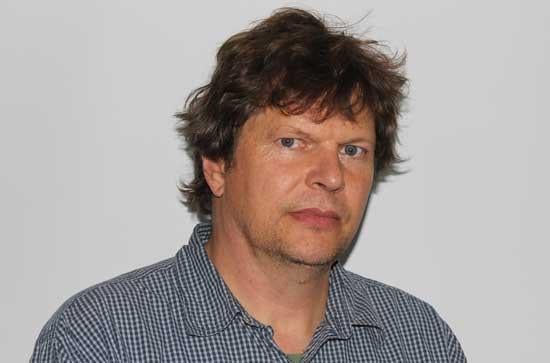
Michal Tomasz Marzec is an Associate Professor in the Department of Biomedical Sciences at the University of Copenhagen's Faculty of Health and Medical Sciences. His research focuses on protein folding mechanisms, particularly in the context of diabetes pathology and proinsulin handling. He leads a research group within the Inflammation, Metabolism and Oxidation section, with extensive collaborations across international institutions including the University of Michigan, Uppsala University, and Hannover Medical School.
- MD from Medical University of Warsaw (2000)
- PhD from Medical University of Bialystok (2011)
Dr. Marzec's research centers on understanding protein folding processes, particularly wild-type protein folding which is highly relevant to patient conditions. His work has shifted from oncogenic pathways to investigating how organisms differ in disease susceptibility, with a current focus on diabetes pathology. He has made significant contributions in identifying GRP94 as an essential chaperone for proper proinsulin handling and is exploring links between genetic variability of protein chaperones and diabetes susceptibility.
His publication record shows a strong focus on diabetes research, protein folding, and molecular mechanisms of disease, with numerous high-impact publications in journals such as Diabetes, PlosOne, and American Journal of Physiology. His research demonstrates consistent productivity with collaborations spanning multiple countries and institutions.
- EFSD/Lilly Programme grants for proinsulin folding research
- Magda Sofie og Aase Lütz Mindelegat
- Augustinus Fonden awards
- National Institute on Aging, NIH award
- DFF Marie Curie Mobilex fellowship
Dr. Marzec serves as main supervisor for PhD students and has mentored numerous Master's and BA students from various international institutions. He has secured over 11 million DKK in research funding between 2011-2019. He is also actively involved in professional service as a member of the editorial board for journal Biology and as a reviewer for multiple prestigious journals including Diabetes, Blood, and Leukemia.
His laboratory focuses on protein folding mechanisms with a technological platform specialized for disease-generic research applications. The lab currently includes a PhD student and three Master's students working on linked but separate projects.