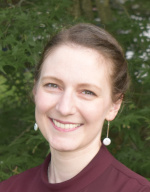
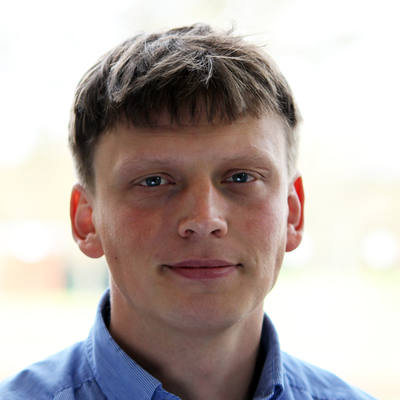
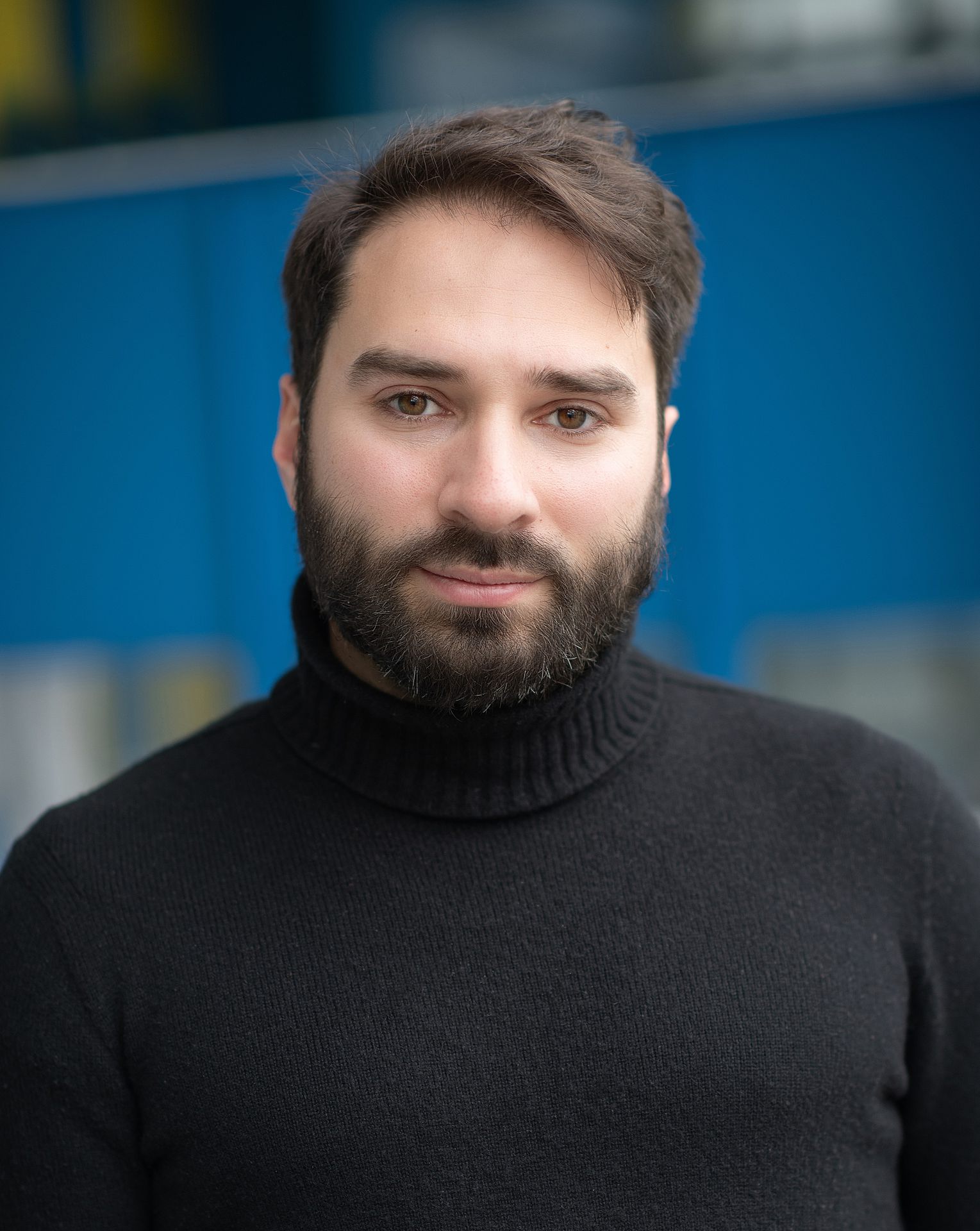
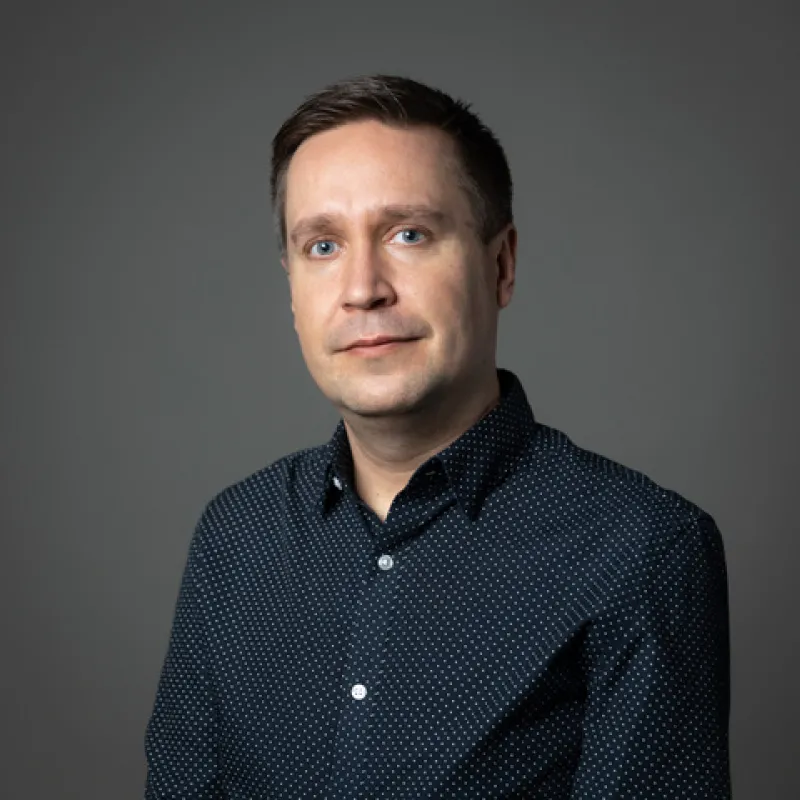
Katharina Breininger serves as Professor of Pattern Recognition at the University of Würzburg, leading the Pattern Recognition group within the Center for Artificial Intelligence and Data Science (CAIDAS). Based at Campus Hubland Nord (John-Skilton-Str. 4a, room 04.B.03), she maintains active research operations with office hours by appointment and direct contact via phone (+49 931 31-81914) and email. Her research pioneers robust machine learning methodologies for biomedical applications, emphasizing representation learning, domain shift resilience, and human-AI collaborative systems. She develops open-source tools for semi-automatic annotation workflows and applies these innovations to intraoperative imaging, multimodal medical analysis, and computational pathology solutions. Current research initiatives include multiple funded doctoral and postdoctoral positions (100% TV-L E13) in brain mechanics and clinical research, demonstrating active grant support. Her work bridges computer science with clinical medicine through interdisciplinary partnerships, advancing AI deployment in real-world healthcare settings.
Paolo Bettotti is an Associate Professor in the Department of Physics at the University of Trento. His research spans biomaterials, photonics, and nanotechnology, with a focus on practical applications in sustainable materials and optical communications. Education: Industrial Engineer (PS3) (1995) MSc in Material Science at the University of Padua ("cum laude", 2001) PhD in Physics at the University of Trento (2005) His research integrates nanotechnology with photonics, emphasizing nanocellulose-based materials for environmental applications (e.g., emulsions, flame retardants) and optical neural networks for high-speed communication systems. Recent work demonstrates innovations in green electronics and biocompatible devices. Publications from 2022-2025 highlight two dominant trends: (1) Advanced photonic systems for optical signal processing using neural networks and silicon microresonators, and (2) Sustainable nanocellulose technologies for materials science, including hydrophobic modifications, emulsion stabilization, and waste valorization. No scientific awards, student supervisions, or grant details are mentioned in available sources.
Dr. Leopold Parts is a Group Leader at the Wellcome Sanger Institute, where he leads the Parts Group within the Human Genetics Programme and the Generative and Synthetic Genomics Programme. His research focuses on understanding human DNA function through genome engineering approaches, combining experimental and computational methods to study how genetic variation affects cellular traits. Parts received his undergraduate education at MIT, double majoring in Computer Science and Mathematics, before earning his PhD in Molecular Biology from the University of Cambridge in 2011 under Richard Durbin. His doctoral work on sources of variation in gene expression earned him the Grand Prize of life sciences PhDs in Estonia. He then completed postdoctoral training as a Canadian Institute for Advanced Research Global Scholar at the University of Toronto with Brenda Andrews and Charles Boone, followed by a Marie Curie Fellowship at EMBL Heidelberg and Stanford University with Lars Steinmetz. His research program integrates genome engineering, high-throughput screening, and computational modeling to understand how DNA sequence variation affects cellular phenotypes. The Parts Group develops tools for genetic perturbations using CRISPR/Cas, prime editing, and recombinase systems to create cell lines for randomization, screening, and evaluation. They combine these experimental approaches with probabilistic modeling to analyze large-scale genetic screens and their outputs. The analysis of Parts' recent publications reveals a strong focus on genome engineering technologies, particularly CRISPR-based approaches. His work spans multiple applications including predicting editing outcomes, developing tools for structural variant engineering, and applying these techniques to understand human disease mechanisms, particularly in cancer. His research bridges computational biology and experimental genomics, with increasing emphasis on single-cell technologies and clinical applications. Grand Prize of life sciences PhDs in Estonia Parts leads a diverse research team including postdoctoral fellows, advanced research assistants, and PhD students, with current members including Dr. Alistair Dunham, Mr. Gareth Girling, Elin Madli Peets, and Isabelle Zane. His group collaborates extensively with other research teams at the Sanger Institute, including the Cancer Dependency Map, Cellular Generation, and Cellular Screening groups. The Parts Group is part of the broader Human Genetics Programme, which aims to understand the genetic causes and biological mechanisms of disease susceptibility. The Parts Group maintains strong collaborations with external partners including the Open Targets consortium and the Cancer Dependency Map initiative. Their work combines laboratory-based genome engineering with computational analysis to address fundamental questions about human genome function.
Dr. Orkun Furat is a Lecturer at the Institute of Stochastics, University of Ulm, Germany, where he conducts research at the intersection of machine learning, stochastic modeling, and image analysis for materials science applications. His work focuses on developing advanced computational methods to characterize and reconstruct 3D microstructures from 2D image data, with significant contributions to battery materials and particle systems. His primary research interests include generative adversarial networks (GANs) and spatial stochastic models for tomographic image analysis of functional materials. He has pioneered techniques for super-resolving microscopy images, quantifying electrode degradation in batteries, and modeling particle morphology/separation processes in mineral processing. His interdisciplinary approach bridges statistics, computer science, and materials engineering through rigorous mathematical frameworks. Recent publications (2024-2025) reveal a concentrated focus on lithium-ion and all-solid-state battery technologies, particularly analyzing how operating conditions (charge rate, temperature, cycling) induce electrode degradation. Simultaneously, his particle systems research employs multidimensional stochastic models to optimize mineral beneficiation processes like flotation, using copula-based approaches for particle property distributions. Dr. Furat actively supervises seminar students in generative machine learning and spatial stochastic modeling while teaching core courses including Point Processes and Advanced Statistics. His research impact is evidenced by numerous invited talks at premier venues like the Dagstuhl Seminar (2025) and European Congress for Stereology (2025), where he presents as a plenary speaker on AI-driven microstructure reconstruction. Collaborating with interdisciplinary teams across materials science and engineering, his work on digital twins for battery electrodes and virtual materials testing has been featured in University of Ulm press reports (2024) highlighting applications in efficient battery recycling and sustainable material design. Current projects integrate generative AI with stochastic geometry to solve industrial-scale challenges in energy storage and mineral processing.
Tuomas Eerola is an Associate Professor in Computational Engineering at Lappeenranta-Lahti University of Technology's School of Engineering Sciences. Previously, he served as a Postdoctoral Researcher at the same institution's Machine Vision and Pattern Recognition Laboratory from 2010 to 2020. He also holds the Title of Docent (Adjunct Professor) from 2015 to present. Dr. Eerola received both his M.Sc. and Ph.D. degrees in Information Technology from Lappeenranta University of Technology in 2006 and 2010, respectively. His research spans computer vision, machine vision, pattern recognition, and image processing, with particular focus on wildlife monitoring, plankton recognition, and industrial applications. His publication record shows consistent research output with over 50 publications, primarily focusing on animal re-identification (particularly ringed seals), plankton recognition systems, and wood processing applications. Recent work demonstrates increasing focus on deep learning approaches, multimodal systems, and practical applications in both ecological monitoring and industrial settings. Dr. Eerola actively serves as a peer reviewer for numerous prestigious journals including Ecological Informatics, Expert Systems with Applications, GigaScience, International Journal of Computer Vision, Mammalian Biology, and Measurement. His research has established him as a specialist in applying computer vision techniques to ecological monitoring problems, particularly in developing systems for identifying individual animals based on their natural patterns, which has significant implications for wildlife conservation efforts.
Prof. Dr. Rainer Herpers is a full Professor at the Department of Computer Science within the Graduate Institute at Hochschule Bonn-Rhein-Sieg University of Applied Sciences . He serves as Scientific Director of the Graduate Institute and Director of the Institute of Visual Computing (IVC), leading interdisciplinary projects that bridge Computer Vision , Human Perception , and Real-Time Systems . His research explores gravitational effects on spatial orientation, serious games for medical training, and FPGA-based computer vision solutions. Research Interests: Computer Vision and Machine Vision Face and Gesture Recognition Artificial Neural Networks Robotics and Real-Time Systems Medical Informatics Usability in Work Safety Article Trends: Recent work focuses on gravity perception (2023-2024), neural network applications in environmental monitoring, and machine learning for network traffic analysis. Collaborations with York University and DLR highlight his interdisciplinary approach. Scientific Awards: Best Paper Award, IBM Centre for Advanced Studies in Computer Science (2020) Labs: Leads the Computer Vision Lab (C065) and Immersive Visualization Lab (C061) , developing systems like the FIVIS Bicycle Simulator and SimuBridge platform for education and safety evaluation.
Dr. Leila Muresan is a Senior Lecturer at the School of Computing and Information Science, Anglia Ruskin University (ARU), and a member of the Biomedical Informatics Research Group and Computing, Informatics and Applications Research Group. Her research focuses on interdisciplinary applications of artificial intelligence, signal processing, and computer vision to microscopy image analysis, with a strong emphasis on bioimage informatics and research software engineering. Education: PhD in Engineering Sciences, Johannes Kepler University, Linz, Austria BSc and MSc in Mathematics and Computer Science, Babeş-Bolyai University, Cluj-Napoca, Romania Her work spans computational microscopy, light-sheet imaging, and chromatin structure analysis, supported by grants such as the EPSRC-funded BioDAC project. She has held postdoctoral roles at IB-ENS, Paris, and CGM, Gif-sur-Yvette, and joined the Cambridge Advanced Imaging Centre in 2014 before transitioning to ARU in 2023. Recent publications highlight her contributions to bioimage informatics, including spatially varying deconvolution techniques, chromatin loop analysis, and neural lamination mechanisms. These studies integrate advanced imaging with AI and machine learning. Scientific Awards: Fellow of the EPSRC College She supervises research in image analysis and artificial intelligence and serves on advisory boards for the UK Exascale Project Science and Industrial Advisory Board, Royal Microscopy Society, and Research Software Engineer Society. Her teaching includes Introduction to Programming and Principles of Data Mining and Machine Learning.
Dr. Simon Mages serves as Group Leader at the Gene Center and Department of Biochemistry, Ludwig Maximilians University Munich (LMU), within the Faculty of Medicine. His research bridges bioinformatics, high-performance computing, and theoretical physics to develop computational frameworks for spatial omics data analysis. Previously, he held positions as Scientist at LMU (2021-2022), Visiting Scientist at the Broad Institute of MIT and Harvard (2020-present), and Research Scientist at Siemens Corporation (2019). His research focuses on the physics of high-dimensional biological data , specifically developing methods to analyze cellular dynamics in joint position-internal state spaces using spatial omics. Key areas include spatial transcriptomics, single-cell data integration, and physics-inspired algorithm development. The Mages Lab collaborates extensively with clinical researchers to translate computational insights into biological understanding, particularly in cancer progression and tissue organization. Analysis of his publication record reveals a strong trajectory from theoretical physics ( 2015-2017 lattice QCD work ) to computational biology ( 2022-present spatial omics leadership ). His recent work demonstrates expertise in algorithm development (TACCO, SlideCNA), multi-omics integration, and clinical applications in oncology. The publications consistently emphasize scalable computational frameworks and physical modeling approaches. Selected scientific awards: German Research Foundation (DFG) Research Fellowship (2020-2022) Studienstiftung des Deutschen Volkes PhD Fellowship (2012-2015) Studienstiftung des Deutschen Volkes Scholarship (2008-2011) Mages advises doctoral researchers including Antonia Eicher and collaborates with major institutions like the Broad Institute. His lab develops open-source tools (BoReMi) and participates in high-impact consortia such as the Regev Lab collaborations. Current research integrates physics-based modeling with cutting-edge spatial technologies to decode multicellular functional units in cancer and tissue organization. The Mages Lab operates within LMU's BioSysM infrastructure at Butenandtstraße 1, leveraging high-performance computing resources for large-scale biological data analysis. The group maintains strong ties with both computational physics (through prior Jülich Supercomputing Centre work) and clinical research communities.
Prof. Achillefs Kapanidis is a Professor of Biological Physics at the University of Oxford, currently affiliated with the Oxford Kavli Institute for Nanoscience Discovery and Condensed Matter Physics. He leads the 'Gene Machines' group, focusing on single-molecule studies of microbial gene expression, DNA repair, and AI-driven diagnostics. Education: BSc in Chemistry (Aristotelian University of Thessaloniki), MSc in Food Science (Rutgers), PhD in Biological Chemistry (Rutgers Waksman Institute) Research Interests: The group investigates biological machinery in gene transcription and DNA repair using single-molecule fluorescence microscopy and AI. Key areas include: Single-molecule biophysics of transcription factors Antibiotic resistance detection via rapid diagnostics Miniaturized imaging technologies for pathogen identification Deep learning applications in cellular phenotyping Super-resolution microscopy development Living-cell molecular tracking Publications Trends: Recent work emphasizes AI integration with single-molecule techniques for real-time pathogen analysis, spanning influenza, coronaviruses, and E. coli. Innovations include photobleaching-resistant imaging, microfluidic diagnostics, and spatial organization studies of transcription machinery. Awards: 2019 Innovator of the Year Award (BBSRC) for Oxford Nanoimaging spin-out Labs & Collaborations: The team moved to the Oxford Kavli Institute in 2021, collaborating with interdisciplinary DTC programs. Current projects include biosensor development and viral detection platforms.
Prof. Kimberley S. Samkoe is an Associate Professor at Dartmouth College with a focus on biomedical optics, molecular imaging, and cancer research. Her work spans fluorescence-guided surgery, photodynamic therapy (PDT), and quantitative imaging techniques for tumor margin assessment and therapeutic monitoring. Academic Affiliation: Dartmouth College Key Research Areas: Fluorescence Imaging, Paired-Agent Imaging, Head and Neck Cancer, Skin Cancer, Photodynamic Therapy, Biomedical Imaging Systems Her research emphasizes fluorescence molecular imaging for tumor margin assessment, paired-agent imaging to quantify drug distribution, and image-guided surgical tools . Recent publications highlight innovations in intraoperative fluorescence ratio approaches , quantitative biodistribution , and clinical translation of imaging technologies . Key trends in her 15 most recent articles include: Development of 3D-printed optical phantoms for clinical validation Integration of multispectral imaging for immune receptor quantification Advancements in PDT dosimetry and radiometric imaging platforms
Darren Pagan is an Assistant Professor of Materials Science and Engineering at Pennsylvania State University and holds the Norris B. McFarlane Faculty Career Development Professorship . He is also an Associate of the Institute for Computational and Data Sciences (ICDS) and affiliated with the Intercollege Graduate Degree Program (IGDP) in Materials Science and Engineering , which emphasizes cross-disciplinary collaboration across Penn State. Ph.D., M.S., and B.S. in Mechanical Engineering from Cornell and Columbia Universities Former postdoctoral researcher at Lawrence Livermore National Laboratory Former staff scientist at Cornell High Energy Synchrotron Source (CHESS) Pagan's research focuses on quantifying material deformation through X-ray scattering techniques , mechanical modeling , and machine learning . He develops novel in-situ and in-operando characterization methods to study microstructure evolution in metallic alloys and ceramics under dynamic conditions. Recent research trends include dwell fatigue in Ti alloys , slip transfer mechanisms , multiscale fracture modeling , and machine learning for additive manufacturing . His work combines X-ray diffraction , finite element simulations , and fractional-calculus frameworks to advance materials design. Scientific Awards 2024 TMS-AIME Robert Lansing Hardy Award 2024 TMS-AIME Champion H. Mathewson Award 2020 AFOSR Young Investigator Award Pagan's collaborations span multiple institutions, including Lawrence Livermore National Laboratory and Cornell High Energy Synchrotron Source. He has contributed to beamline development projects (Structural Materials Beamline and FAST beamline) and leads cross-disciplinary research efforts in the IGDP in Materials Science and Engineering.
David James Delene is a Research Professor in the Department of Atmospheric Sciences at the University of North Dakota , with a secondary appointment as Aerospace Research Fellow at the John D. Odegard School of Aerospace Sciences. His expertise spans Cloud Physics , Atmospheric Aerosols , and Airborne Measurements , with a focus on Scientific Programming and Open Source Software development. He has taught advanced courses in Atmospheric Chemistry and Measurement Systems since 2006 and led significant research initiatives including the IMPACTS and FATIMA field campaigns. Education : Ph.D. in Atmospheric Science (University of Wyoming), MS in Geophysics (Michigan Tech), BS in Applied Physics (Michigan Tech) Research Interests center on airborne measurement systems, cloud microphysics, aerosol dynamics, and machine learning applications in meteorology. He develops open-source tools like ADTAE and adpaa_readplot_ccncdata for atmospheric data analysis. His work bridges Remote Sensing with Statistical Analysis to improve weather modification techniques. Scientific Awards include: UND's Spirit Faculty Achievement Award (2014) Golden Remer Awards (2007, 2013) Biggest Techie Award (2009) Delene advises both undergraduate capstone projects and graduate students in Atmospheric Sciences, with recent master's advisees including Kendra Sand (2024) and Joseph O'Brien (2023). He manages the Ballooning Laboratory and maintains the department's Atmospheric Sciences Wiki , contributing to UNIDATA and NASA EPSCoR programs.
Dr. Jungeun (Jenny) Won serves as Assistant Professor of Research in the Department of Biomedical Engineering at the University at Buffalo's School of Engineering and Applied Sciences, with an affiliated appointment in Ophthalmology at the Jacobs School of Medicine & Biomedical Sciences. She directs the Translational Biophotonics Laboratory, developing optical imaging technologies for clinical translation in otolaryngology and ophthalmology. Postdoctoral associate, Massachusetts Institute of Technology (2024) PhD, Bioengineering, University of Illinois Urbana-Champaign (2021) MS, Bioengineering, University of Illinois Urbana-Champaign (2017) BS, Biomedical Engineering and Minor in Optics, University of Rochester (2015) Her research pioneers translational optical imaging with core expertise in optical coherence tomography (OCT) , biomedical instrumentation , and AI-driven image analysis . She develops clinically feasible devices for middle ear infection diagnosis (otitis media), retinal disease monitoring (AMD, diabetic retinopathy), and bacterial biofilm characterization , integrating computational methods to advance disease diagnostics and treatment monitoring. Recent publications (2021-2025) reveal dominant trends in handheld OCT device development for point-of-care use, machine learning integration for automated image classification, and multimodal approaches combining OCT with Raman spectroscopy. Her work bridges engineering innovation with clinical applications across ophthalmology and otolaryngology, emphasizing real-world translation. National Alliance for Eye and Vision Research Emerging Vision Scientist Program (2024) Bob Bilger Graduate Award for Hearing Research (2020) McGinnis Medical Innovation Graduate Fellowship (2020) Baxter Young Investigator Award (2019) Biannual Symposium Travel Scholarship Award (2019) Nadine Barrie Smith Memorial Fellowship (2017) Walt and Bobbi Makous Prize for Vision Research (2015) Xerox Engineering Research Fellowship (2014) As Principal Investigator, Dr. Won secures translational research funding including: UB CTSI Translational Pilot Studies Program ($49,700, 2025) for pediatric otitis media imaging UB Research Programs ($10,460 + $9,750, 2024-2025) for AI-assisted retinal imaging and handheld probe prototyping Her laboratory mentors students in biomedical imaging, device development, and computational analysis while advancing clinical partnerships for technology validation. The Translational Biophotonics Laboratory unites engineers, clinicians, and scientists to develop light-based imaging solutions addressing unmet clinical needs in ear and eye diseases, with active projects spanning middle ear biofilm characterization, retinal blood flow quantification, and AI-enhanced diagnostic platforms.
Dr. Ruby Peters is a Physics of Life Early Career Fellow at the University of Sheffield 's School of Mathematical and Physical Sciences. Her research focuses on the structural, mechanical, and material properties of actin cytoskeletal networks in cellular functions. University: University of Sheffield Research Group: Materials and Biological Physics Group Contact: F23, Hicks Building, Sheffield, S3 7RH Her work employs advanced fluorescence microscopy and computational approaches to quantify actin cytoskeleton organization, combined with atomic force microscopy for biophysical cell surface mapping. Key research themes include: Mechanical regulation of cellular behavior Actin network dynamics in disease Super-resolution microscopy techniques Quantitative analysis of fibrous structures Biomechanics of early embryonic development Machine learning applications in cell imaging Recent publications highlight her expertise in 3D spectral imaging, molecular orientation microscopy, and quantitative SMLM data analysis. She also contributes to STEM equality and diversity initiatives. Her lab collaborates with interdisciplinary teams utilizing tools like: Agent-based modeling of molecular aggregation Cluster analysis of live-cell datasets Biophysical imaging resources (Nano-org)
Junjie Yao is the Jeffrey N. Vinik Associate Professor of Biomedical Engineering at Duke University's Pratt School of Engineering. He holds multiple appointments including Associate Professor of Biomedical Engineering, Associate Director of External Partnerships in the Fitzpatrick Institute of Photonics, Affiliate of the Duke Global Health Institute, Faculty Network Member of the Duke Institute for Brain Sciences, and Member of the Duke Cancer Institute. His research focuses on developing cutting-edge photoacoustic tomography (PAT) technologies and translating these advances into diagnostic and therapeutic applications. Dr. Yao received his Ph.D. from Washington University in St. Louis in 2012. His research interests span photoacoustic tomography technologies, with particular emphasis on functional brain imaging and early cancer theranostics. At his PI-Lab, he develops PAT technologies with advanced imaging performance in spatial resolutions, imaging speed, penetration depth, detection sensitivity, and functionality. His work encompasses all aspects of PAT technology innovations, including efficient light illumination, high-sensitivity ultrasonic detection, super-resolution PAT, high-speed imaging acquisition, novel PA genetic contrast, and precise image reconstruction. Dr. Yao's publication record demonstrates consistent innovation in photoacoustic imaging, with a clear progression from fundamental technology development toward clinical applications. His recent work (2023-2025) shows a strong focus on deep-tissue imaging, super-resolution techniques, multimodal integration (particularly combining photoacoustic with ultrasound and other modalities), and translation to specific clinical applications including brain imaging, cancer detection, and urological procedures. His research increasingly incorporates machine learning approaches for image reconstruction and enhancement, while maintaining strong emphasis on the physical principles underlying photoacoustic phenomena. Fellow, Optica (formally OSA), 2022 Early Career Development (CAREER) Award, National Science Foundation (NSF), 2022 Young Investigator Award, IEEE Photonics Society, 2019 Collaborative Sciences Award, American Heart Association, 2018 Multiple Seno Medical Best Paper Awards at SPIE conferences (2013, 2015, 2016) Dr. Yao has secured significant research funding from major organizations including the National Science Foundation, National Institutes of Health, American Heart Association, and industry partners. His current grants include a $750,000 NSF CAREER award for mapping deep brain functions, multiple NIH R01 grants for stroke research and kidney stone treatment, and industry collaborations with Eli Lilly. His lab actively collaborates with clinical researchers across Duke, particularly in neurology, oncology, and urology, demonstrating strong translational focus. Dr. Yao's PI-Lab serves as a hub for developing and disseminating PAT technologies to both research and clinical communities, with particular emphasis on making these advanced imaging capabilities accessible for studying tumor angiogenesis, cancer hypoxia, brain disorders, and for clinical applications in cancer screening and melanoma staging.