معرفی
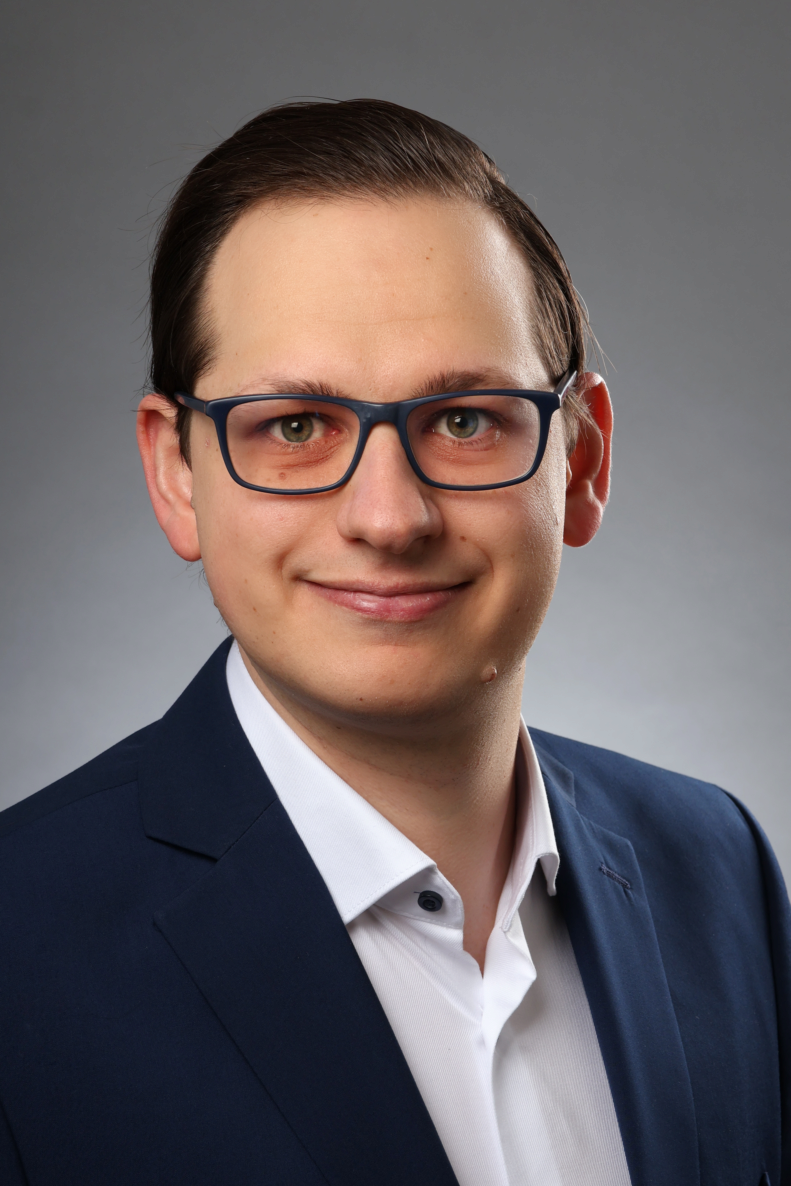
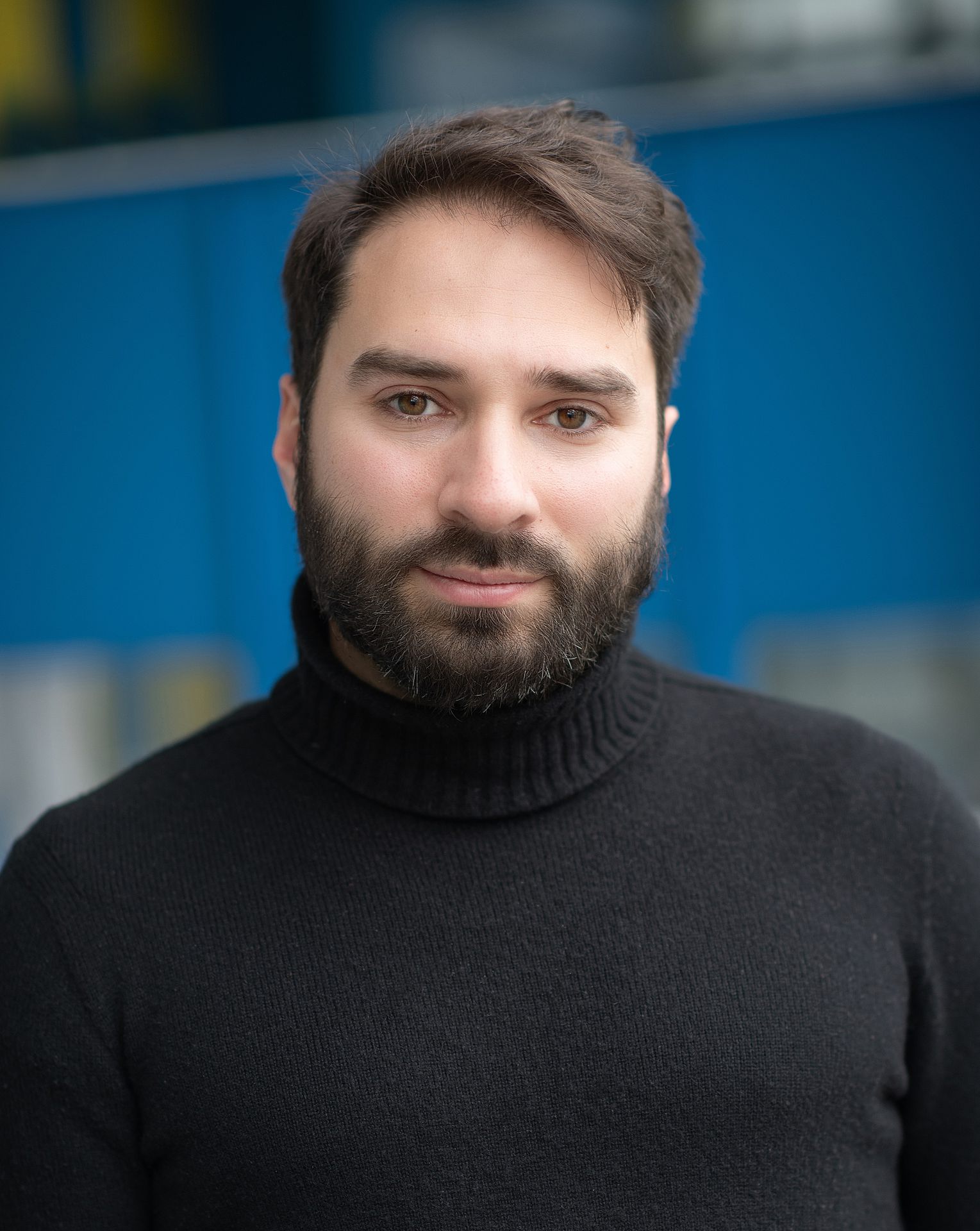
Dr. Orkun Furat is a Lecturer at the Institute of Stochastics, University of Ulm, Germany, where he conducts research at the intersection of machine learning, stochastic modeling, and image analysis for materials science applications. His work focuses on developing advanced computational methods to characterize and reconstruct 3D microstructures from 2D image data, with significant contributions to battery materials and particle systems.
His primary research interests include generative adversarial networks (GANs) and spatial stochastic models for tomographic image analysis of functional materials. He has pioneered techniques for super-resolving microscopy images, quantifying electrode degradation in batteries, and modeling particle morphology/separation processes in mineral processing. His interdisciplinary approach bridges statistics, computer science, and materials engineering through rigorous mathematical frameworks.
Recent publications (2024-2025) reveal a concentrated focus on lithium-ion and all-solid-state battery technologies, particularly analyzing how operating conditions (charge rate, temperature, cycling) induce electrode degradation. Simultaneously, his particle systems research employs multidimensional stochastic models to optimize mineral beneficiation processes like flotation, using copula-based approaches for particle property distributions.
Dr. Furat actively supervises seminar students in generative machine learning and spatial stochastic modeling while teaching core courses including Point Processes and Advanced Statistics. His research impact is evidenced by numerous invited talks at premier venues like the Dagstuhl Seminar (2025) and European Congress for Stereology (2025), where he presents as a plenary speaker on AI-driven microstructure reconstruction.
Collaborating with interdisciplinary teams across materials science and engineering, his work on digital twins for battery electrodes and virtual materials testing has been featured in University of Ulm press reports (2024) highlighting applications in efficient battery recycling and sustainable material design. Current projects integrate generative AI with stochastic geometry to solve industrial-scale challenges in energy storage and mineral processing.