Hana Kammoun is a postdoctoral fellow at the Institut Pasteur in the Biology of Infection Unit since 2018. Her research focuses on Vaccinology Immunology Infectious disease mechanisms Mucosal immunity Her work emphasizes live attenuated vaccine strategies using Bordetella pertussis (BPZE1) to combat respiratory pathogens like influenza and pertussis. She obtained a PhD in Biotechnology (2009-2012) from Lille2 University Master 2 in Genetics and Microbiology (2008-2009) from Lille2 University Engineering degree in Industrial Biology (2003-2008) from INSAT Her postdoctoral experience includes positions at Karolinska Institute's Center for Infectious Medicine (2015-2017) INSERM U1019-CNRS UMR8204's Center for Infection and Immunity of Lille (2013) Lille2 University's CIIL unit during her PhD (2008-2012) Her publications reveal a focus on Live attenuated vaccine development Immune response modulation Cross-protective immunity against Bordetella species Th1/Th17 vs. Th2 immune polarization Long-term mucosal immunization strategies Role of innate lymphoid cells in intestinal homeostasis She has mentored Ranabir Chakraborty (PhD candidate) Paul Courrieu (Master's student) in academic teams at Institut Pasteur and affiliated institutions.
Rasa Smite is a Lecturer affiliated with MIT's School of Architecture + Planning within the Art, Culture, and Technology Program (ACT). She specializes in interdisciplinary art-science practices, focusing on techno-ecologies, renewable energy, and immersive installations. Her work bridges art, science, and technology through projects like Atmospheric Forest (2020), which visualizes climate change impacts on forests, and Pond Battery (2015), exploring microbial energy systems. Smite co-founded RIXC, a Latvian art-science center, and has curated exhibitions such as Fields (2014) and contributed to festivals like Ars Electronica. She holds academic roles at Liepaja University and RISEBA, delivering lectures on post-media art, digital preservation, and eco-art. Her research spans bioenergy visualization, climate data sonification, and the transformative potential of art in addressing ecological challenges. Key collaborations include the Critical Zones exhibition at ZKM and the Swamp Pavilion at Venice Architecture Biennale. Smite has published extensively, including books like Renewable Futures (2017) and Green Revisited (2022), which explore intersections of art, science, and sustainability. Her projects often utilize immersive technologies like VR and 360-video to engage audiences in environmental discourse.
Stephen Dewhurst, Ph.D., is Vice President for Research and Chief Research Officer at the University of Rochester (UR) and Vice Dean for Research at the UR School of Medicine and Dentistry (SMD). He holds a professorship in the Department of Microbiology and Immunology (SMD). His administrative roles include former department chair (2009–2021), SMD Senior Associate Dean for Basic Research (2007–2009), and codirector of UR’s Center for AIDS Research (2008–2020). Dr. Dewhurst’s research focuses on virology, with 30+ years’ experience including HIV neuropathogenesis, vaccine development, and innate immune responses. He leads NIH-funded programs in graduate education and Deaf postdoctoral training. His mentorship has guided 29 Ph.D. students, 16 postdoctoral fellows, and >100 undergraduates, earning awards like the William H. Riker Award (2008) for graduate education. Key scientific contributions include HIV humanized mouse models, antiviral therapeutics, and MLK inhibitors for neuroinflammation. His patents span viral vectors, integrin-binding monobodies, and influenza vaccines. Awards include membership on NIH study sections (e.g., HIV Immunopathogenesis) and editorial roles in virology journals.
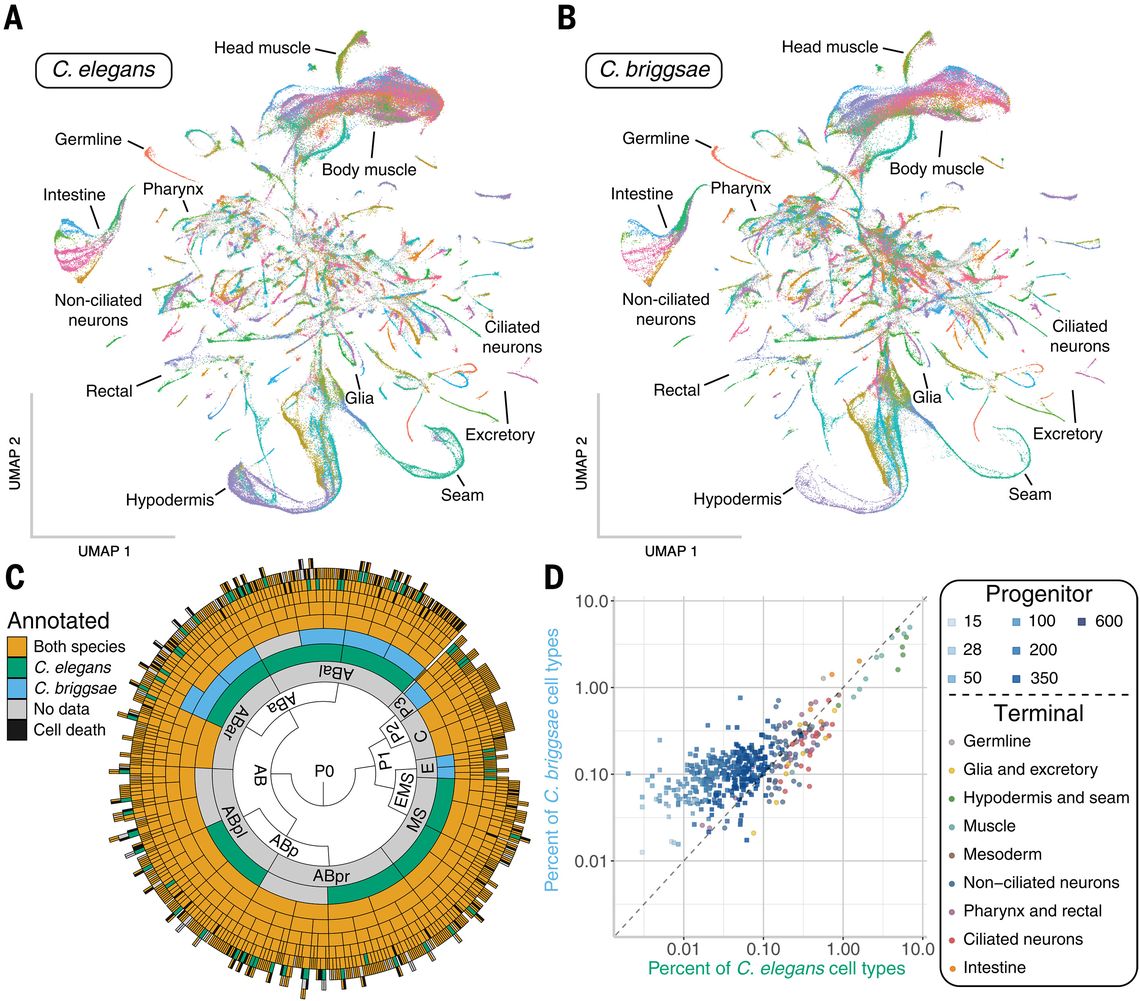
John Isaac Murray is a Professor of Genetics at the Perelman School of Medicine, University of Pennsylvania. His laboratory focuses on understanding how genomes orchestrate animal development at single cell resolution using the nematode worm Caenorhabditis elegans as a model organism. Dr. Murray's research integrates powerful imaging-based experiments with genomics and computational tools to determine gene expression patterns across entire embryos at single cell resolution. Dr. Murray received his B.S. in Civil Engineering with a minor in Biology from Carnegie Mellon University in 1999, followed by a Ph.D. in Genetics from Stanford University in 2004. He completed his post-graduate training as a Senior Fellow in Genome Sciences at the University of Washington from 2003 to 2009, working in the laboratory of Robert Waterston. Dr. Murray's research interests span developmental biology, genomics, and gene regulation. His laboratory has developed innovative lineage tracing methods that allow quantitative determination of gene expression at single cell and approximately 1-minute temporal resolution for essentially all embryonic cells. Current research focuses on three main areas: (1) improved technology for lineage tracing and expression mapping in developing embryos, (2) mechanisms ensuring robust development across environmental conditions, and (3) defining mechanisms of context specificity in developmental gene regulation. His work has revealed how transcription factors and signaling pathways regulate developmental gene expression, with implications for understanding cancer and other human diseases. Dr. Murray's laboratory has produced significant publications in high-impact journals including Science, Genome Research, and Genetics. His recent work has focused on single-cell resolution analysis of embryonic gene expression evolution, mRNA decay dynamics in developing embryos, and comprehensive mechanisms of lineage specification in C. elegans . His research employs cutting-edge techniques including live-cell imaging, single-cell RNA sequencing, and computational analysis to build comprehensive molecular atlases of embryonic development across multiple species. Large CRL, et al. (2025). Lineage-resolved analysis of embryonic gene expression evolution in C. elegans and C. briggsae. Science. Peng F & Murray JI (2024). A spatiotemporally resolved atlas of mRNA decay in the C. elegans embryo. Genome Research. Liu J & Murray JI (2023). Mechanisms of lineage specification in Caenorhabditis elegans. Genetics. Dr. Murray has mentored numerous students and postdoctoral fellows who have gone on to successful careers, including Dr. Felicia Peng who recently completed her PhD in his laboratory, Dr. Priya Sivaramakrishnan who now leads her own laboratory at the Children's Hospital of Philadelphia, and Dr. Amanda Zacharias who is an Assistant Professor at Cincinnati Children's Hospital Medical Center. His laboratory is affiliated with several graduate programs at Penn including Biomedical Graduate Studies, Cell and Molecular Biology, Genomics and Computational Biology, Biochemistry and Molecular Biophysics, and Bioengineering. The Murray laboratory maintains active collaborations with other research groups and has contributed to studies on chromatin regulation, neuronal development, and cuticle formation in C. elegans . Dr. Murray's work continues to advance our understanding of how genomes control the complex process of animal development at unprecedented resolution.
Matthew Yarnold is an Associate Professor and Director of the Advanced Structural Engineering Laboratory (ASEL) at Auburn University's College of Engineering. He holds a Ph.D. in Civil Engineering from Drexel University and M.S./B.S. degrees from Lehigh University. With over 21 years of experience, his career spans academia and industry, including roles at Tennessee Tech University and Texas A&M University. His research focuses on bridge engineering, structural steel behavior, and large-scale testing. Education: Ph.D., Civil Engineering, Drexel University M.S., Civil Engineering, Lehigh University B.S., Civil Engineering, Lehigh University Dr. Yarnold's research integrates numerical modeling, field testing, and full-scale laboratory experiments. Key areas include structural stability, corrosion risk mapping, and bridge health monitoring. His work on Texas infrastructure, particularly deck slab optimization and accelerated bridge construction, has attracted significant funding. Recent publications highlight advancements in steel I-beam testing, corrosion mitigation, and thermal-driven structural health monitoring. His team at ASEL has secured competitive grants, including a $336K award for bridge maintenance innovation. ASEL's projects emphasize scalability and real-world application, often involving collaboration with state DOTs and engineering firms. Scientific Awards: $336K grant for bridge maintenance innovation Dr. Yarnold's leadership at ASEL has led to high-profile research wins, including outcompeting top structural laboratories nationwide. His team includes 2 PhD, 1 MS, and 1 Postdoc researcher, with 21 active/completed projects. Graduate students interested in structural engineering can contact him at myarnold@auburn.edu.
Prof. Katrin Willig is a Professor of Cellular and Molecular Imaging in Anatomy at the Institute of Theoretical Medicine, Faculty of Medicine, University of Augsburg. Her research focuses on synaptic structures and brain function using advanced STED microscopy. Previously, she held positions at the Max Planck Institute of Biophysical Chemistry (2006-2013) and led a junior research group at the CNMPB in Göttingen (2014-2023). Education: 1995-2001: Physics studies at University of Würzburg and University of New Mexico, Albuquerque 2006: PhD (Dr. rer. nat.) from University of Heidelberg, thesis on STED microscopy Research Interests: Sub-cellular structural plasticity in live mice Super-resolution imaging of synapses Long-term and multi-label STED microscopy Experience-dependent neuronal circuit remodeling Publications highlight innovations in STED microscopy and synaptic dynamics, with emphasis on in vivo applications and neuroplasticity mechanisms. Her work bridges physics, neuroscience, and molecular biology. Labs/Teams: Head of the research group in Cellular and Molecular Imaging at the Institute of Theoretical Medicine, Augsburg.
Luciano Marcon is a Researcher at the Andalusian Center for Developmental Biology (CABD) under Pablo de Olavide University. He earned his PhD in Developmental Biology from Pompeu Fabra University, focusing on Turing mechanisms in digit patterning under Dr. James Sharpe. Education: PhD in Developmental Biology (2013), Pompeu Fabra University His research spans Developmental Biology , Systems Biology , and Computational Modeling , with a focus on Turing networks, somitogenesis, and embryoid self-organization. Recent work includes studies on scale-invariant patterning, Nodal signaling feedbacks, and 4D stem cell dynamics. Analysis of his 15 most recent publications reveals trends in Turing pattern formation , embryonic self-organization , and gene regulatory networks , often integrating mathematical modeling with experimental data from embryoids and stem cell systems.
Bhanu Jena, Ph.D. (dr. hc. mult.) is the George E. Palade University Professor & Distinguished Professor at Wayne State University School of Medicine, Department of Physiology. He serves as Founder-Director of the Institute of NanoBioScience and maintains his laboratory at 5245 Scott Hall. As the only living University Professor and the second in Wayne State University's 160-year history, Dr. Jena holds one of the most prestigious academic appointments at the institution. Dr. Jena received his B.Sc. from BJB College in Orissa, India (1975), M.Sc. in Reproductive Endocrinology from Utkal University (1978), and Ph.D. in Reproductive Endocrinology from Iowa State University (1988). Following postdoctoral training at Iowa State and Yale Universities (1988-1994), he joined Yale University as an Assistant Professor before moving to Wayne State University in 2000 as a tenured full Professor. Dr. Jena's research centers on molecular and cellular physiology, with a groundbreaking focus on porosomes - the universal secretory machinery in cells that he discovered. His laboratory investigates how cells secrete, challenging traditional views of exocytosis. A second major research focus involves designing novel approaches, techniques, and instrumentation for biological problem-solving, including developing a force microscope capable of imaging intracellular structures at nanometer resolution in real-time. His recent publications reveal an evolving research trajectory spanning cellular secretion mechanisms, Alzheimer's disease therapeutic approaches, cystic fibrosis treatments, antiviral strategies against enveloped viruses, and advanced microscopy techniques. This multidisciplinary work bridges fundamental cell biology with clinical applications across neuroscience, respiratory diseases, and infectious disease. Elected Foreign Member of the Georgian National Academy of Science Fellow of the American Association for the Advancement of Science (AAAS) Swebelius Cancer Research Award Sir. Aaron Klug Award ASAS Basic Biological Science Award Ranbaxy Basic Research in Medical Sciences Award Elected Foreign Member of the Korea Academy of Science & Technology George E. Palade Gold Medal Six Honorary Doctorates With over 30 years of instructional experience, Dr. Jena teaches courses in cell biology, nanoscience/nanomedicine, physiology, endocrinology, and biochemistry. His lab receives primary funding from NIH and NSF grants. The Jena Lab continues to pioneer research on cellular nanomachines and their implications for human health, maintaining active collaborations across multiple disciplines while accepting new MS, PhD, and MD/PhD students into its research programs.
Natalie Dye is an Assistant Professor at the Mechanobiology Institute and Department of Biomedical Engineering at the National University of Singapore. She holds a B.Sc. in Biochemistry from the University of Maryland and a Ph.D. in Biochemistry from Stanford University, where she studied bacterial cell shape regulation under Dr. Julie Theriot and Dr. Lucy Shapiro. During her postdoc at the Max Planck Institute in Dresden, she pioneered live imaging techniques to study Drosophila wing disc morphogenesis. Education : B.Sc., Biochemistry with High Honors in Cell Biology and Molecular Genetics, University of Maryland PhD, Biochemistry, Stanford University Her research focuses on how cellular activity coordinates to form complex 3D tissue structures, integrating Drosophila genetics , human organoid models , and physics-based theoretical frameworks . Key areas include mechanosensitive feedback , planar cell polarity , and metabolic signaling in tissue growth. Current work explores self-organized human cell dynamics in culture. Selected publications reveal expertise in mechanobiology , developmental systems , and quantitative imaging . Her lab at NUS includes Research Fellow Lois Yaw and PhD Student Kasie Au. While no scientific awards are explicitly listed here, her interdisciplinary approach bridges molecular biology, biophysics, and tissue engineering.
Thomas J. Hope is a Professor of Cell and Developmental Biology, Obstetrics and Gynecology, and Biomedical Engineering at Northwestern University's Feinberg School of Medicine and McCormick School of Engineering. His research focuses on HIV Cellular Virology, utilizing cell biology approaches to study HIV transmission and prevention. He leads the Hope Lab, which has pioneered imaging techniques for visualizing HIV interactions with cells and tissues. PhD: University of California, Berkeley (1988) Postdoctoral Fellow: University of California, San Francisco (1992) Dr. Hope's research centers on HIV Cellular Virology, with emphasis on the cell biology of HIV transmission. His lab has developed advanced imaging techniques for fluorescent labeling of HIV particles and viral proteins, enabling researchers to track virions and infected cells from tissue culture to whole animal models. His work spans from virus entry and assembly to defining the earliest steps of sexual transmission of HIV, with recent expansion into HIV-related mucosal immunology and prevention science. The Hope Lab uses imaging-based tools to define viral and host factors during HIV transmission in physiologically relevant contexts. Analysis of Dr. Hope's recent publications reveals a strong focus on HIV transmission mechanisms, particularly through mucosal tissues, with increasing attention to SARS-CoV-2 research since the pandemic. His work combines advanced imaging techniques with molecular and cell biology approaches, with significant emphasis on developing prevention strategies including vaccine and microbicide research. The research shows progression from fundamental HIV cell biology to applied prevention science, with growing collaboration across disciplines including immunology, microbiome research, and medical imaging. A Wannabe Photographers 30 Year Journey to Image HIV / Keynote Speaker, Cold Spring Harbor Laboratory (CSHL) (2022) Dr. Hope serves in multiple editorial and advisory capacities including as Section Editor for PloS Pathogens (2011-Present), former Editor-in-Chief of AIDS Research and Human Retroviruses (2009-2020), and member of amfAR Scientific Advisory Committee (1999-Present). His research has secured significant funding, including a $17 million NIH grant for HIV prevention research focused on developing an implantable drug delivery system. He co-chairs the AIDS Panel for the U.S.-Japan Cooperative Medical Science Program and participates in the Organizing Committee for Emerging Infectious Diseases of the Pacific Rim. The Hope Lab utilizes imaging-based tools to define key viral and host players during HIV transmission in physiologically relevant contexts. The lab's approach enables direct visualization of HIV/SIV particles, mucosal tissue barriers, host target or effector cells, and infected cells. This work supports in vivo PK/PD studies using systemic and topical PrEP approaches, providing unique insights into the space and time of the earliest events of HIV transmission and prevention.
Ming Hammond serves as Professor of Chemistry in the Department of Biological Chemistry at the University of Utah School of Medicine, where she leads innovative research in RNA-based molecular imaging and cyclic dinucleotide signaling pathways. Her work bridges chemical biology and microbiology to develop programmable biosensors and decode bacterial immune communication mechanisms. Education: B.S. from California Institute of Technology Ph.D. from University of California, Berkeley Dr. Hammond's research centers on engineering nucleic acids as tools for live-cell imaging and gene control , with dual emphases on (1) RNA-fluorophore biosensors for visualizing enzyme activity in bacteria under diverse conditions, and (2) cyclic dinucleotide signaling in bacterial/mammalian systems. Her lab pioneered riboswitch-based biosensors with sub-nanomolar sensitivity and demonstrated zinc-mediated regulation of biofilm formation in E. coli . Recent work explores bacterial cGAMP signaling via Hypr GGDEF enzymes and mammalian immune responses involving cGAS-cGAMP-STING pathways. Analysis of her 15 most recent publications reveals a decisive shift toward advanced biosensor engineering (bioluminescent, ratiometric) and mechanistic dissection of cyclic dinucleotide networks across bacterial species. Key trends include expanding applications to spaceflight environments, atomic-level tuning of immune responses, and cross-species comparisons of second-messenger systems. Awards: Signaling Breakthrough of the Year (Science Signaling, 2015) Dr. Hammond mentors graduate students in the Biological Chemistry PhD program and directs an active research laboratory. Her work is supported by NIH and NSF grants focused on nucleic acid engineering and host-pathogen signaling, though specific awards are not detailed in the source text. Collaborative projects include structural studies with UC Berkeley's Russell Vance on cGAMP immune signaling. The Hammond Lab operates at the chemistry-biology interface, utilizing fluorescence microscopy, flow cytometry, and synthetic biology to investigate signaling dynamics in single cells. Current efforts emphasize translating biosensor technologies to study bacterial communication in complex environments and immune evasion mechanisms.
Stephen Ramsey, an Associate Professor at Oregon State University, holds dual appointments in the School of Electrical Engineering and Computer Science (College of Engineering) and the Department of Biomedical Sciences (Carlson College of Veterinary Medicine). With a PhD in Physics from the University of Maryland, his postdoctoral training in computational genomics at the University of Washington, and professional experience at the Institute for Systems Biology and Center for Infectious Disease Research, Ramsey bridges computational methods with biomedical applications. Education : Ph.D., Physics, University of Maryland; M.S., Physics, University of Maryland; Sc.B., Mathematical Physics, Brown University Ramsey specializes in computational systems biology , focusing on bioinformatics , biomedical knowledge graphs , and precision medicine . His research integrates machine learning , gene regulatory network modeling , and multi-omics data analysis to address challenges in rare disease diagnostics , drug monitoring , and inflammatory disease mechanisms . Current work includes AI-driven biomedical translation and electrochemical biosensor development for non-invasive diagnostics . Recent publications highlight knowledge graph applications in translational biomedicine , causal network inference in clinical-environmental data integration , and cross-species cancer transcriptomics . His team develops tools like RTX-KG2 and PloverDB to standardize biomedical data sharing and semantic reasoning . Scientific Awards : 2019 Zoetis Award (Carlson College of Veterinary Medicine) 2016 NSF CAREER Award 2016 PhRMA New Investigator Award 2010 NIH K25 Mentored Quantitative Research Award Ramsey advises in computational biology courses (CS 446/546) and contributes to biomedical AI through projects like mediKanren for rare disease diagnostics . His NSF-funded research explores gene expression noise and regulatory network dynamics , while NIH and PhRMA grants support his translational medicine initiatives. He leads the Ramsey Laboratory , which develops graph-based reasoning tools for biomedical data translation and multi-omics integration . The lab's work spans comparative oncology models, electrochemical biosensors , and knowledge graph infrastructure for clinical decision support .
Juan C. De La Torre, PhD, is a Professor in the Department of Immunology and Microbiology at Scripps Research. His research focuses on the molecular and cellular biology of arenaviruses, including LCMV, Lassa, and Junin viruses. He pioneered reverse genetics systems for these viruses, enabling studies of viral replication, host interactions, and antiviral strategies. His work has led to the development of live-attenuated vaccine candidates and inhibitors of viral multiplication. Education: PhD in Biological Sciences (1985) from the Autonomous University of Madrid. Professional Experience: Started as a Research Associate (1989-1991), advanced to Assistant Professor (1991-1996), Associate Professor (1996-2009), and has been a Professor since 2009. Research Interests: Arenavirus pathogenesis, virus-host interactions, antiviral drug discovery, and vaccine development. His lab investigates mechanisms of viral entry, replication, immune evasion, and the development of therapeutic and preventive measures against hemorrhagic fever-causing viruses. Awards: Recipient of the Spanish Society of Virology Award (1995), Japanese Science Foundation Award (1997), and multiple postdoctoral fellowships. Serves on editorial boards of Journal of Virology and chairs NIH study sections. Labs/Teams: Leads the de la Torre Laboratory at Scripps Research, focusing on arenavirus molecular genetics and translational research.
Dr Calum Miller is a Research Fellow at Blackfriars Hall, University of Oxford, and a practicing medical doctor in the NHS. He holds a degree in Medicine and Surgery from the University of Oxford (2015) and a Master’s in Biblical Studies from the University of Manchester (2018). Areas of Specialization: Epistemology, Philosophy of Religion, Philosophy of Probability, General Philosophy of Science His research focuses on medical ethics, public policy, and philosophical debates surrounding abortion, animal pain, academic freedom, and the ethics of killing. His recent work addresses the moral status of fetuses, implications of psychological personhood theories, and Bayesian reasoning applications in theological arguments. Key trends in his publications include critiques of gradated moral value theories, defense of human equality as a basis for fetal personhood, and analyses of historical Christian stances on violence and capital punishment. He has contributed to high-impact journals like the Journal of Medical Ethics and Philosophia . Scientific Awards: Prizes from the University of Oxford and the Royal College of Psychiatrists Media & Debates: Regular appearances in UK mainstream media, debated with BPAS CEO, and presented to international professional groups Current Projects: Writing three books on abortion ethics
Dr. Matthew Jones is a Lecturer in Physiology at the University of Salford, School of Science, Engineering & Environment, specializing in Biomedicine. He serves as Deputy Programme Leader for the Biomedical Science Programme with emphasis on supporting level 4 students, and acts as Admissions Tutor for the Biomedicine suite of programmes including Biomedical Science, Human Biology and Infectious Diseases. His educational background includes a BSc in Biomedical Science with Professional Experience (2016), MSc by research (2017), and PhD (2021), all completed at the University of Salford. His PhD research investigated the chemical composition and anti-cancer potential of Boswellia carterii oleoresins under Professor David Greensmith. Dr. Jones's research spans two primary domains: phytochemical pharmacology and biomedical education. His pharmacological work focuses on understanding the therapeutic potential of novel phytochemicals for childhood brain cancers, cardiovascular disorders, and inflammatory conditions, with particular expertise in examining cardiotoxic effects at the single-cell level. His educational research investigates student transitions to higher education, awarding gaps, and active learning approaches in Biomedicine. He has developed innovative teaching methods including digital escape rooms and card games to enhance student engagement in laboratory settings. Analysis of his 42 research outputs (primarily from 2023-2025) reveals a strong dual focus: approximately 60% of his work centers on cancer pharmacology (particularly medulloblastoma and leukemia treatments using plant-derived compounds), while 40% addresses educational innovations in biomedical science teaching. His cancer research consistently examines pro-apoptotic and anti-migratory effects of phytochemicals, while his educational work emphasizes gamified and active learning approaches to improve student outcomes. As module leader for Biomedical Skills and Human Physiology, Dr. Jones teaches across all undergraduate levels in courses including Professional Skills, Human Systems Physiology, Translational Research Skills, and Advances in Pathophysiology. He actively supervises undergraduate and Master's research projects and is available for PhD supervision in areas including cardiotoxicity of phytochemicals, anti-cancer effects of novel phytochemicals, and impact of inflammatory dysregulation on cardiac function. His experimental expertise encompasses flow cytometry, various microscopy techniques, cell culture, molecular biology, and analytical chemistry including HPLC and mass spectrometry. Dr. Jones contributes to the UN Sustainable Development Goals focused on 'Ensure healthy lives and promote well-being for all at all ages' and 'Ensure inclusive and equitable quality education and promote lifelong learning opportunities for all,' reflecting his dual commitment to biomedical research and educational excellence.