Alan Rowanمشاهده پروفایل
استاد آموزشی
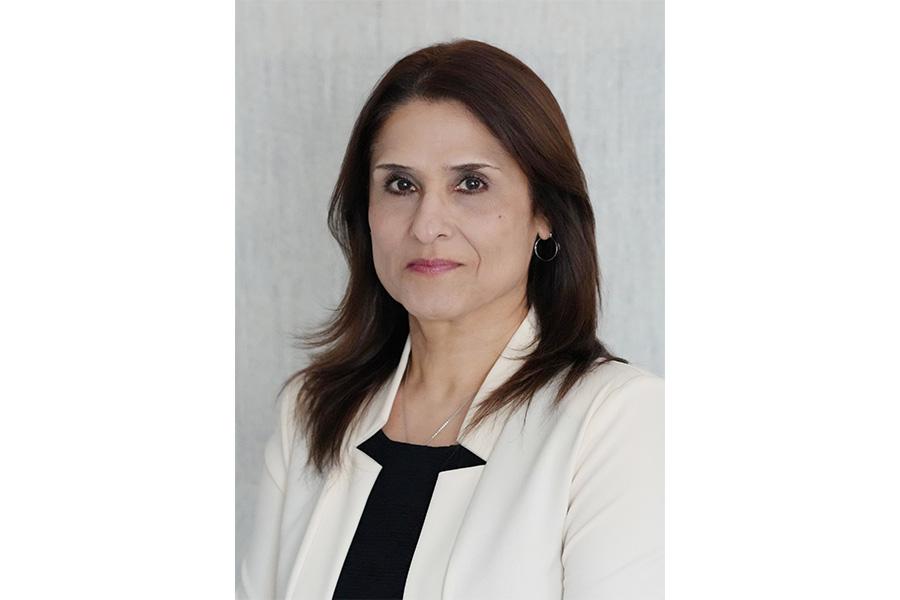
Alan Rowan serves as a Teaching Professor and Director of the Public Health Program at Florida State University, leveraging over 35 years of public health experience that includes federal service at the NIH/NCI Clinical Trials Branch and 16+ years with Florida's state health department. His leadership roles encompassed interim Bureau Chief of Florida State Labs and Director of the Division of Health Access and Tobacco. Education: DrPH in Environmental Epidemiology, University of Alabama at Birmingham (2002) MPA (Master of Public Administration) CPH (Certified in Public Health) Research Interests: Dr. Rowan specializes in environmental determinants of disease through epidemiological frameworks. His expertise bridges chronic and infectious disease epidemiology with environmental health systems, focusing on diseases originating from environmental exposures like toxins and pollutants. This work informs comparative health policy analysis and environmental risk assessment methodologies. Professional Contributions: Instrumental in creating Florida's Epidemic Intelligence Service and Aquatic Toxins program, he pioneered statewide surveillance systems as regional epidemiologist while managing the Birth Defects Registry and hazardous substance programs. His operational leadership extended to Florida State Labs oversight and tobacco control initiatives. Teaching: He instructs graduate courses in Epidemiology, Environmental Health, Chronic Disease Epidemiology, Infectious Disease Epidemiology, Comparative Health, and supervises practicum experiences through the Internship Class. Advising and Service: Through the Internship Class, Dr. Rowan mentors students in applied public health practice while contributing to state health infrastructure development. His career demonstrates sustained commitment to translating field epidemiology into academic training. Labs and Teams: He co-founded and led the Florida Epidemic Intelligence Service (epidemiology rapid response unit) and developed the statewide Aquatic Toxins program, establishing collaborative frameworks between environmental monitoring and public health response teams.