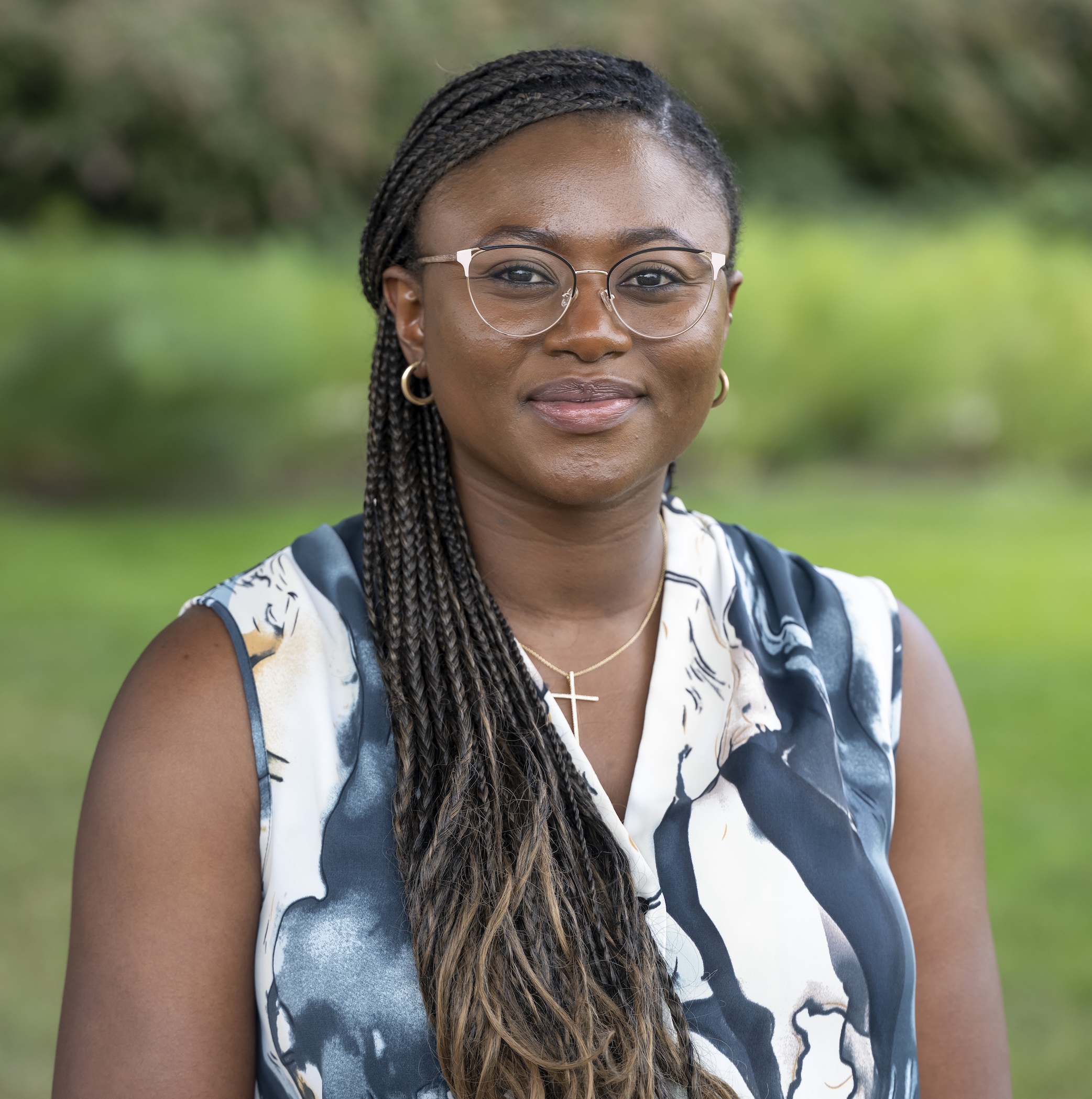
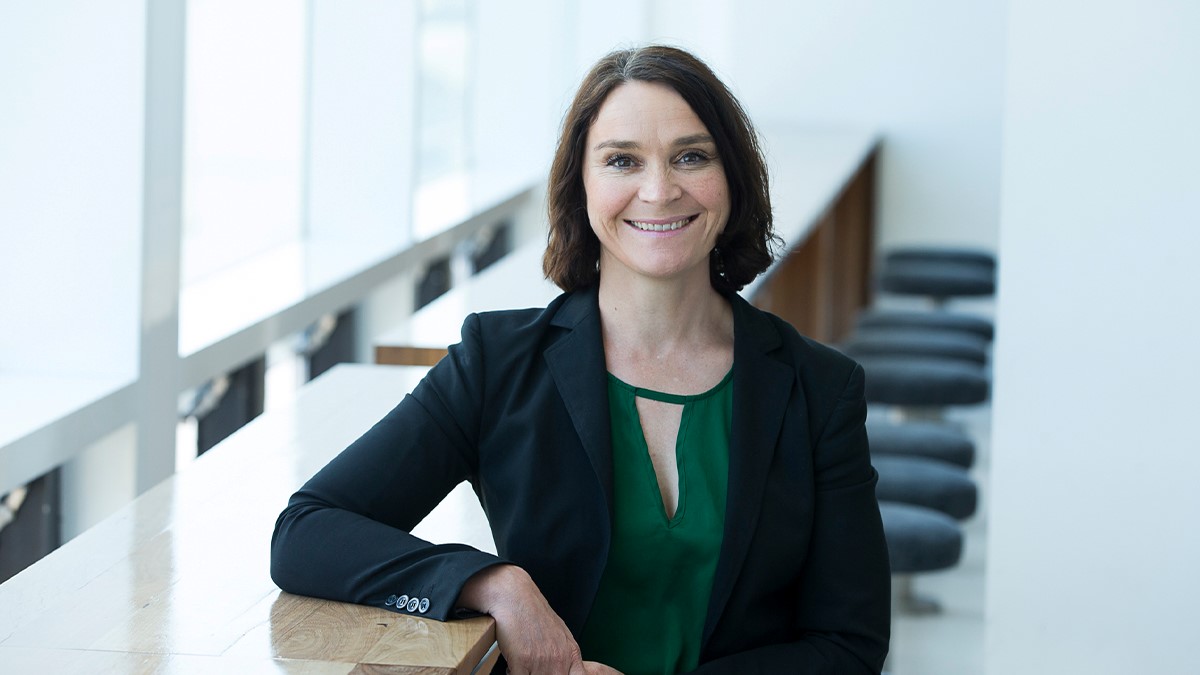
Hannah K. Bako is an Assistant Professor at the School of Data Science , University of Virginia, leading the ViDAR Lab . Her work bridges data visualization, human-computer interaction (HCI), and design, focusing on enhancing creativity through computational tools and example-aided workflows. Recruiting students for Fall 2026 Program Committee member for IUI'26, VISCOMM, and VIS'25 Research explores: How examples inspire visualization design processes Techniques to improve diversity in automated design generation Code augmentation strategies for D3.js authoring Semantic decomposition of visualization design workflows Teaching : Spring 2026 course DS 2003: Communicating with Data . Recent News : August 2025: Became Assistant Professor at UVA SDS July 2025: Two papers accepted at IEEE VIS'25 May 2025: Completed PhD dissertation defense
Chiara Natali is a PhD Student in Computer Science at University of Milan-Bicocca (2022-present) and a Visiting Research Fellow at the Dalle Molle Institute for Artificial Intelligence USI-SUPSI, supported by a Swiss Government Excellence Research Fellowship. She serves as a Lecturer for Interaction Design Lab and Human-Computer Interaction courses at University of Milano-Bicocca, and as a Tutor for Advanced Data Management and Decision Support Systems and Human-System Interaction courses across multiple Italian universities. Her educational background includes: MA in Politics, Philosophy and Public Affairs at University of Milan (2020-2022) Master's in Digital Communication Strategy at IED, Milan (2019-2020) BSc in International Politics and Government at Bocconi University, Milan (2016-2019) Natali's research centers on the complex relationship between humans and AI systems, with particular focus on Human-AI Interaction, Explainable AI (XAI), Ethical AI, and her signature concept of Frictional AI. She investigates the multidirectional effects of AI on human cognitive faculties, examining the tension between Augmentation and Deskilling. Her work explores how intentional design friction can serve as a debiasing strategy against Automation Bias, promoting more thoughtful human-AI collaboration while preserving human agency and critical thinking. Her publication record reveals a strong emphasis on practical applications of XAI in high-stakes domains like healthcare, with particular attention to medical decision-making processes. Her research consistently addresses the challenge of designing AI systems that support rather than replace human expertise, exploring how explanations impact accuracy in hybrid decision-making and how to measure technology dominance in AI-supported environments. Her significant contributions have been recognized with: Best Paper Award at the World Conference on Explainable Artificial Intelligence (2024) Best Doctoral Consortium Award at CEUR Workshop Proceedings (2023) Natali actively shapes her field through academic service, serving as PUBLICITY & PROCEEDINGS CHAIR for HHAI 2025 and organizing multiple workshops on Human-Centred Machine Learning, Algorithmic Authority, and Frictional AI. She also contributes to gender equality in STEM as a Science Ambassador for her institution's Gender Equality Plan and previously served as PhD co-representative at the Department Board. Her interdisciplinary approach extends into creative domains, where she is developing an Interactive AI Opera on 'The Garden of (Un)Earthly AI's' funded by the University of Edinburgh's Generative AI Laboratory, and has curated projects exploring Human-AI Music Co-Creation and live-coding music performances.
Andrew Hales is an Assistant Professor in the Department of Psychology within the College of Liberal Arts at the University of Mississippi. His research focuses on social ostracism and social influence, examining the psychological consequences of exclusion and recovery mechanisms through experimental methods. Dr. Hales earned his Ph.D. in Psychology from Purdue University Main Campus in 2017. His primary research explores why exclusion causes distress, individual differences in ostracism vulnerability, and strategies for emotional recovery. He also investigates broader social influence processes including persuasion, self-presentation, and compliance techniques, while advocating for research replicability and transparency in psychological science. His recent publications (2023-2025) consistently examine ostracism across diverse contexts including workplace ghosting, digital phubbing, group dynamics, and extremism. A dominant theme connects ostracism to extreme group affiliation, highlighting how threatened fundamental needs (belonging, self-esteem, control, meaningful existence) drive individuals toward radical ideologies. His work integrates systematic reviews with experimental validation to advance theoretical frameworks. Dr. Hales actively mentors students as evidenced by his current review of applications for the Experimental Ph.D. Program. He directs the Social Connections and Influence Lab, which employs controlled experiments to study both target and perpetrator perspectives in exclusion scenarios, utilizing measures of affective response, behavioral intentions, and physiological reactivity.
Mona Awad serves as an Esther M. Larsen Faculty Fellow in the Humanities and Assistant Professor in the English Department at Syracuse University. An acclaimed novelist and creative writing instructor, she has established herself as a significant voice in contemporary literary fiction with a focus on horror, fairy tales, and feminist narratives. Her academic journey includes a Ph.D. in English and Creative Writing from the University of Denver (2018), an M.F.A. in Fiction from Brown University (2014), an MScR in English Literature from the University of Edinburgh (2010), and a B.A. in English from York University (2004). Awad's research and creative interests center on Contemporary Fiction, Fairy Tales, and Horror, with particular attention to feminist perspectives and psychological complexity. Her work often explores themes of female experience, identity, trauma, and the boundaries between reality and imagination. She examines how traditional narrative forms can be subverted to address contemporary social issues, particularly those affecting women. Her teaching at Syracuse includes specialized courses such as Horror in Fiction and Film , The Art of the Fairy Tale , and advanced fiction workshops that explore villains and psychological tension. Her recent publications demonstrate a consistent engagement with horror-inflected feminist literature, often blending elements of satire, psychological fiction, and magical realism. These works frequently examine the female experience through unconventional narrative structures and explore themes of bodily autonomy, social expectations, and psychological transformation. Her writing has appeared across prestigious literary platforms including The New York Times Magazine, McSweeney's, Lithub, Vogue, and Electric Literature. Her scientific awards include numerous prestigious recognitions: the Amazon Best First Novel Award and Colorado Book Award for 13 Ways of Looking at a Fat Girl (2016), the Ladies of Horror Fiction Award for Best Novel for Bunny (2019), and the International Dublin Award (2022). She has also been a finalist for the Scotia Bank Giller Prize, New England Book Award, and Goodreads Choice Award for Best Horror. Awad actively engages with the literary community through readings, workshops, and panels at major festivals including the Vancouver Writer's Festival, Toronto International Festival of Authors, Montclair Literary Festival, and Miami Book Festival. Her teaching portfolio at Syracuse University includes graduate and undergraduate courses in fiction writing, with a focus on specialized topics that reflect her research interests. She serves on departmental committees including the Agenda committee and Creative Writing committee within the English Department.
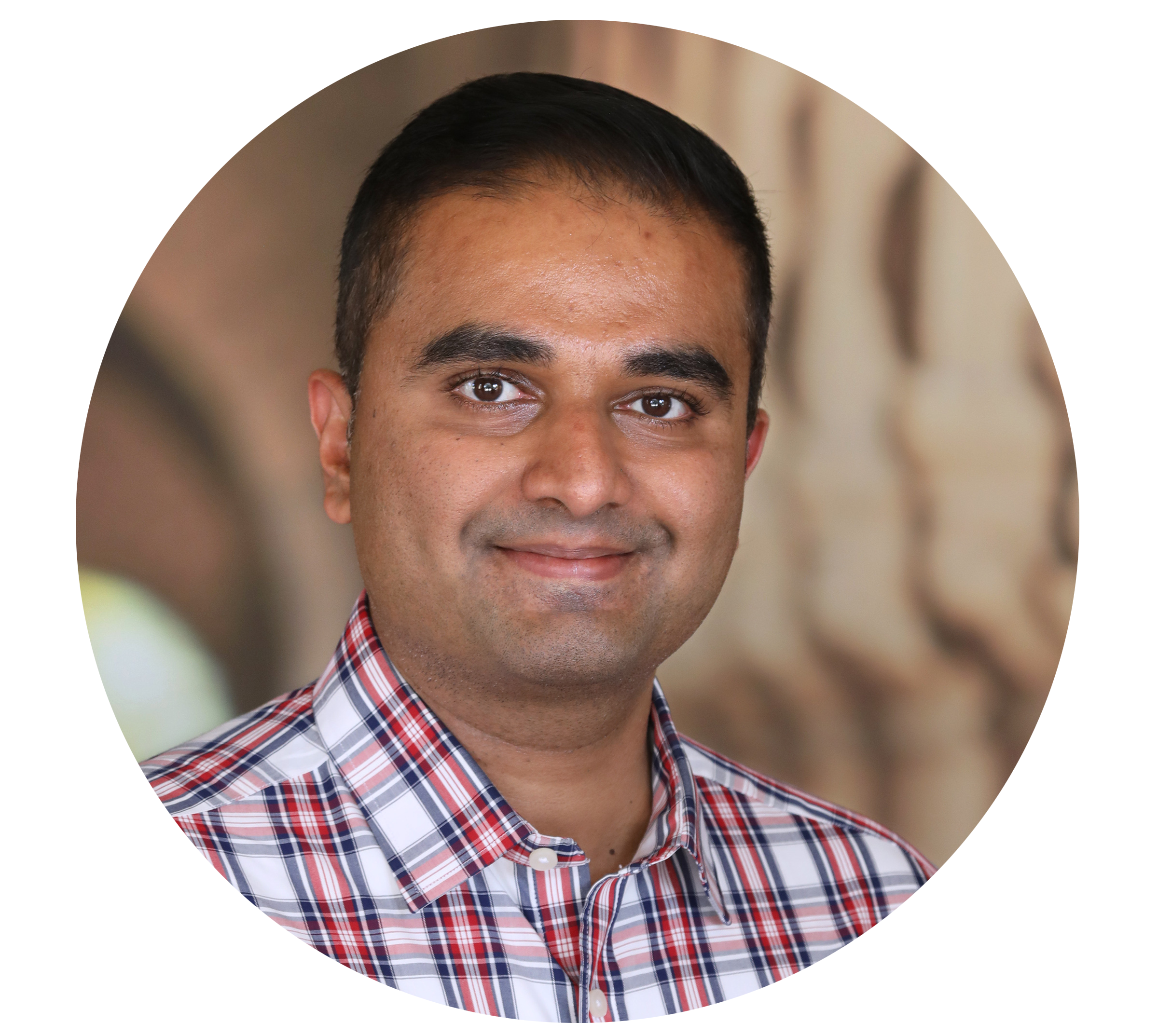
Hari Subramonyam is an Assistant Professor (Research) at Stanford University's Graduate School of Education with a courtesy appointment in Computer Science. He serves as the Ram and Vijay Shriram Faculty Fellow at Stanford's Institute for Human-Centered AI (HAI) and is a core faculty member of Stanford HCI. Subramonyam earned his PhD in Information from the University of Michigan under advisor Eytan Adar. His research focuses on the intersection of Human-Computer Interaction (HCI) and Learning Sciences, specifically developing AI systems to augment human learning through cognitively informed design, co-design with educators, and transformative learning experiences. His work prioritizes ethical AI, responsible design practices, and human values in technology creation. Research spans generative AI for education, human-AI interaction paradigms, and accessible learning technologies. Subramonyam's publications demonstrate strong focus on human-centered AI systems for education, visualization, and creative applications. His recent work (2023-2025) concentrates on generative AI interfaces for writing assistance, educational tools, and collaborative systems, while maintaining consistent exploration of visualization techniques and AI transparency frameworks. Awards & Honors: Best Paper Award at CHI (2025, 2020, 2019) Honorable Mention Award at CHI (2025) Best Paper Award at IUI (2021) Ram and Vijay Shriram Faculty Fellow HAI Hoffman Yee Grant (2024) Cover Story in Interactions Magazine (2024) Advising & Grants: Leads 27 students including PhD advisee Neha Rajagopalan (co-advised) and diverse MS/BS researchers. Received HAI Hoffman Yee Grant (2024) for "Integrating Intelligence: Building Shared Conceptual Grounding for Interacting with Generative AI" as co-investigator. Teaches courses on data visualization (CS 448B) and educational technology design (EDUC 432). Labs & Leadership: Core faculty at Stanford HCI group, directing research on human-centered AI systems. Organizes workshops including "Tools for Thought" (CHI 2025) and "Human–AI Coevolution" (ICLR 2025). Maintains collaborations with National University of Singapore and University of Michigan.
Ales Popovic is a Full Professor of Information Systems at NEOMA Business School, France. He holds a PhD in Management and Information Systems. His research focuses on the value of information systems (IS) in organizations, digitalization, AI, behavioral and organizational issues in IS, and IT in inter-organizational relationships. He has published widely in journals like Journal of the Association for Information Systems and Technological Forecasting and Social Change . Dr. Popovic’s research explores topics such as fake news engagement on social media, blockchain adoption in real estate, and the impact of digital platforms on traditional media. He serves on editorial boards for journals including International Journal of Information Management and Industrial Management & Data Systems . His work bridges theoretical and practical aspects of IS, emphasizing business value creation and ethical considerations in AI. Key contributions include studies on digital transformation, crisis management technologies, and the role of privacy in technology adoption. His research frequently addresses contemporary challenges like misinformation dynamics, gig worker burnout, and healthcare AI applications.
Hariharan Subramonyam is an Assistant Professor (Research) at Stanford University's Graduate School of Education and Computer Science (by courtesy) . He serves as the Ram and Vijay Shriram Faculty Fellow at the Institute for Human-Centered AI (HAI) and is a core faculty member of Stanford HCI . His research bridges Human-Computer Interaction (HCI) and the Learning Sciences , focusing on augmenting human learning through AI via cognitively informed design practices, co-design with learners/educators, and transformative AI-enabled learning experiences. His work emphasizes ethical AI, responsible design, and human values in technology. He earned a PhD in Information from the University of Michigan under Eytan Adar. Current projects include Script&Shift (layered interfaces for LLM writing), AltCanvas (accessible image editing for BVI users), and CogGen (AI tutoring systems). His teaching includes EDUC 432: Designing Explorable Explanations and CS 448B: Data Visualization . Key Research Areas Cognitively Informed AI Systems Human-AI Collaborative Writing Accessible Generative AI Tools Ethical AI Frameworks Interactive Learning Environments Awards & Grants Best Paper Award (CHI 2025) Honorable Mention Award (CHI 2025) HAI Hoffman Yee Grant (2024) Cover Story in Interactions Magazine (2024) Collaborative Networks Co-organizing CHI 2025 Tools for Thought Workshop Contributor to UIST 2024 Dynamic Abstractions Workshop Advising PhD students across Stanford, Georgia Tech, and Duke Collaborations with institutions including University of Michigan, National University of Singapore, and Technical University Munich
Jun.-Prof. Dr. Sylvia Hubner-Benz is an Assistant Professor of International Management at the University of Paderborn, leading the Management International Management department within the Faculty of Business Administration and Economics. Her research focuses on cross-cultural dynamics in entrepreneurship, innovation, and virtual teamwork, with projects like SeeHerTech addressing female visibility in high-tech sectors. She teaches core courses such as 'International Business' (BSc) and 'International Comparative Management' (MSc), emphasizing practical application and global perspectives. Research interests span international management, cultural diversity, and technology's role in entrepreneurship. She leads the BMBF-funded SeeHerTech project (2024–2027), developing AI tools to support female entrepreneurs' communication strategies. Collaborations include the Technical University of Munich and industry partners like coolnis and UFUNDI. Her teaching integrates real-world projects, such as the X-Culture program for intercultural virtual teams. She has published extensively on topics like robot leadership, entrepreneurial ethics, and gender stereotypes in recruitment. Current research explores human-AI collaboration, leadership behavior in robotics, and innovation in Asian business contexts. Grants include Federal Ministry of Education and Research (BMBF) funding for SeeHerTech. Her work bridges academic research with practical tools, aiming to enhance international teamwork and equity in tech industries.
Priyanko Guchait is a tenured Full Professor and Program Director of the Doctorate in Global Hospitality Leadership (DGHL) at the Conrad N. Hilton College of Global Hospitality Leadership , University of Houston. His research focuses on organizational behavior, leadership, human resources, and service management in hospitality contexts, with over 75 peer-reviewed articles published. Education: B.E. in Mechanical Engineering, University of Pune, India M.S. in Hospitality Management, University of Missouri M.S. in Human Resources and Employment Relations Ph.D. in Hospitality Management, The Pennsylvania State University Research Interests include error management culture, psychological safety, service recovery performance, leader behavioral integrity, and AI’s impact on hospitality workers’ mental health. His work examines shame, forgiveness climate, and team dynamics in service environments. Article Trends show a focus on multi-level error management, human-robot collaboration in service recovery, diversity inclusion climates, and cross-cultural leadership studies. Recent papers explore AI ethics, pandemic response strategies, and emotional labor in hospitality roles. Awards & Honors Stephen Rushmore/HVS Research Excellence Award (2023, 2015) Donald Greenaway Excellence in Research, Teaching, and Service Award (2022) Best Paper Award, The Service Industries Journal (2023) ICHRIE Faculty Collegiality Award (2021) ICHRIE McCool Breakthrough Award (2021) Honored as 50-in-5 Scholar (2021) Provost’s Excellence Award (2015) Best Reviewer Awards (IJCHM 2016-2017) Committee & Editorial Roles include Associate Editor of IJCHM, Coordinating Editor of IJHM, and leadership positions at ICHRIE (President 2020-2021, Vice President 2019-2020). He has served on university curriculum, research, and Ph.D. selection committees.
Justin Harvey is a Lecturer at the University of Technology Sydney (UTS) within the Faculty of Design, Architecture and Building, specializing in Media Arts and Production. He is an active member of the Creative Practice Research Group and serves on the Faculty Board and Faculty Research Committee. Harvey holds a PhD in Media Art & Design from the University of New South Wales and a Bachelor of Arts in Communication (Media Arts & Production) with First Class Honors from UTS. Harvey's research interests focus on creative uses of generative Artificial Intelligence, experimental approaches to media art making, and creative practice led research. His artistic practice spans moving image, installation, and virtual reality experiences, with a particular fascination for human-machine interaction and the creative potentials of digital technologies. He explores glitch aesthetics, digital video feedback, and imagery generated using diffusion models, often collaborating with AI systems in unexpected ways. Harvey has exhibited his work internationally at venues including VIVID Sydney, ISEA (International Symposium on Electronic Art) in Vancouver, Hong Kong, and South Korea. His 2023 collaboration with generative AI, Unprompted Studies 1-3 , was a finalist in the Fisher's Ghost Art Award. In 2024, he was selected as a Scholar in the Sydney Powerhouse Museum's Research Scholars Program for the "Knit Forward" project, which reimagines historical garments using generative AI and seamless knitwear technology. His research on creative applications of GenAI directly informs his teaching in Experimental Media and Creative Project Development. Harvey has extensive studio-based teaching experience since 2010, covering subjects such as Situated Media Installation Studio, Drama Production, and Experimental Media. Fisher's Ghost Art Award (2023 finalist) Powerhouse Museum Scholars Program funding (2024) UTS ECR Capability Development Initiative funding (2024) FASS ECR Funding (2024) Harvey supervises PhD and Masters of Research students in creative practice research and has mentored hundreds of students through capstone projects in drama, documentary, animation, and media arts installation. His current research projects include collaborations with Dr. Doris Li on reimagining historical garments using AI, and exploring the intersection of Surrealist techniques with generative AI in works like Oneironaut , exhibited at VIVID Sydney 2025.
Nathan Greidanus is an Associate Professor and Associate Dean of Professional Graduate Programs & Executive Education at the University of Manitoba’s Asper School of Business , where he also holds the Associates Fellow in Entrepreneurship . His research focuses on the intersection of entrepreneurship , international business strategy , and sustainable development , with a recent emphasis on behavioral theories like Bounded Reliability, corporate venturing in family enterprises, and the societal impacts of virtual work. Entrepreneurship International Business Sustainable Development Corporate Venturing Behavioral Theory Virtual Work Dynamics His academic work spans topics such as positive entrepreneurial failure, ADHD’s influence on business persistence, and disaster-driven innovation. He has published in leading journals like the Journal of International Business Studies , authored chapters in the The Accountable Corporation series, and written a book titled Growing the Virtual Workplace: The Integrative Value Proposition for Telework . Professionally, he has experience in investment banking, franchise management, and consulting, including co-founding a business development firm that led to the establishment of the National Canadian Centre for Unmanned Vehicle Systems. He currently maintains a stake in Pontis Energy Inc., an engineering technology startup. A Canadian and Dutch citizen, Greidanus has volunteered in Costa Rica and Nicaragua. His teaching interests include entrepreneurship, new venture development, small business management, indigenous entrepreneurship, and innovation management.
Professor Christine (Tini) Mathies serves as Pro Vice-Chancellor, Education at UNSW Sydney. With 18 years at UNSW Business School in roles including Senior Deputy Dean and Associate Dean, she is a recognized leader in marketing education innovation. Current strategic leadership roles Extensive academic background Recognized for educational transformation Her research focuses on services marketing with emphasis on technology integration, consumer psychology, and service experience optimization. Key areas include frontline service robots, humor in service delivery, and consumer decision-making frameworks. Recent publications demonstrate trends in service robotics , humor applications , and crowdsourcing dynamics . These works span 2014-2025 with interdisciplinary connections to psychology, technology, and business strategy. 2023 ASCILITE Innovation Award 2021 QS/Wharton Reimagine Education Award 2011 Australasian Marketing Journal Best Paper Educational leadership includes co-leading UNSW's Assessment and Feedback transformation, with focus on equitable higher education pathways . Her teaching innovations emphasize student-centered approaches and curriculum modernization.
Cecilio Angulo Bahón is a full Professor at the Polytechnic University of Catalonia (UPC), affiliated with the Barcelona School of Industrial Engineering (ETSEIB) and the Department of Systems, Automatics and Industrial Informatics Engineering . He leads research in Artificial Intelligence and Robotics , with significant contributions to healthcare data analytics, digital twins, and human-robot collaboration. His research spans machine learning for medical data harmonization, generative adversarial networks in health informatics, and evolutionary algorithms for control systems. Recent publications focus on synthetic healthcare data generation, climate-resilient agriculture , and UMAP-based data analysis . His work bridges AI theory with practical applications in industrial and healthcare domains. Scientific awards include the Sant Jordi 2023 Digital Polytechnic Initiative Award . He has supervised doctoral candidates like Carlos Flores-Vázquez and N. Raya, with key collaborations at the IDEAI-UPC Intelligent Data Science and AI Research Group and the Institute of Robotics and Industrial Informatics (CSIC-UPC).
Prof. Dr. Catrin Misselhorn serves as Professor of Philosophy at the University of Göttingen since 2019, focusing on theoretical philosophy, machine ethics, and human-AI interaction. She is Deputy Director of the Institute of Philosophy and a member of the supervisory board at KIT (Karlsruhe Institute of Technology). Education Studied at University of Tübingen and University of North Carolina at Chapel Hill (1991-1998) PhD in Philosophy (2003) and Habilitation (2010) at University of Tübingen Feodor-Lynen Fellowship at Center of Affective Sciences (2007-2008) Research Interests Her work bridges machine ethics , philosophy of artificial intelligence , and human-machine interaction , with emphasis on moral agency in autonomous systems, empathy in AI, and ethical evaluation of technologies. She explores applications in geriatric care, autonomous weapons, and self-driving vehicles. Recent Article Trends Her 15 most recent publications (2022-2025) highlight intersections between AI governance , robot empathy , and moral implementation . Topics span care robotics , autonomous weapons , AI-generated art , and ethics of language models . Scientific Awards Feodor-Lynen Fellowship (2007-2008) Member, Niedersächsische Akademie der Wissenschaften (2024) Academic Leadership Director of Institute of Philosophy (2012-2019), University of Stuttgart Current editorial roles and media engagements (ARD, Süddeutsche Zeitung, DWIH New York)
Dr Daniel Tyler is an Honorary Research Fellow in the Discipline of English and Writing at the University of Sydney, where he also serves as Principal of St Andrew's College. He holds degrees from the University of Oxford (MA, MSt, DPhil) and the University of Cambridge (PhD). His career includes roles as Vice-Master of Trinity Hall, Cambridge, and Departmental Lecturer in English at Balliol College, Oxford. Tyler specializes in 19th-century British literature, with a focus on Victorian prose, style, and textual analysis. His research interests encompass Victorian literature, literary criticism, the history of the book, and manuscript studies. He has edited major works such as Dickens's Style and Poetry in the Making , and is currently editing Bleak House for the Oxford Edition of Charles Dickens. Key publications include On Style in Victorian Fiction (2022), The Cambridge Companion to Prose (2021), and Poetry in the Making (2020). His work bridges historical and critical approaches to literature, emphasizing stylistic innovation and textual revision. Teaching highlights include courses at Oxford and Cambridge on 19th-century literature, bibliography, and manuscript studies. His academic contributions reflect a deep engagement with both primary texts and scholarly discourse on Victorian literary traditions.