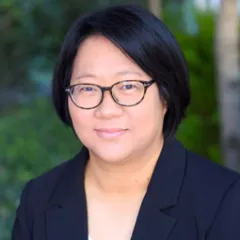
Professor Pipsa Saharinen is a faculty member at the University of Helsinki, affiliated with the Department of Biochemistry and Developmental Biology within the Faculty of Medicine . Her research focuses on vascular biology, lymphatic system dynamics, and cancer therapy, particularly investigating mechanisms regulating endothelial cell behavior and vascular integrity. She holds grants from the Sigrid Jusélius Foundation, Cancer Foundation (Syöpäsäätiö), and the Academy of Finland, supporting projects like Biological Barrier Mechanics and Disease and Translational Cancer Medicine Program . Her work includes collaborations in the Helsinki In Vivo Animal Imaging Platform , enhancing translational research capabilities. Her scientific contributions span over 75 publications, emphasizing vascular mechanotransduction, lymphangiogenesis, and targeted therapies for metastatic cancers. Key findings include cytoskeletal regulation in lymphatic endothelium resilience and the protective role of Pim3 kinase in vascular barriers. Awards: Pfizer Scholar in Cancer Research (2001), Best Biomedical Thesis (2004) Supervised: Postdoctoral researchers (e.g., Anne Pink, Elina Kiss) and doctoral candidates in biomedical and integrative life sciences. Current research explores molecular mechanisms underlying vascular barrier function and metastasis, with clinical implications for cancer treatment and lymphatic disorders.
Dr. R. Claudio Aguilar is a Professor and Assistant Head in the Department of Biological Sciences at Purdue University, where he leads the Aguilar Lab. His research focuses on understanding protein trafficking, membrane transport, and cell polarity establishment, with applications to cancer and developmental diseases. Key areas include the study of Lowe Syndrome and the development of anti-cancer therapies, such as EGF-targeted toxin agents and fibronectin-based targeting strategies. He holds a Ph.D. from the University of Buenos Aires (1996). Research interests include vesicle trafficking, endocytic signaling, and the role of epsin proteins in cancer cell migration and invasion. His lab has pioneered therapeutic approaches against bladder cancer and Lowe Syndrome, leveraging insights from yeast and mammalian cell models. Notable achievements include the design of receptor micro-clustering strategies (patented) and the development of induced pluripotent stem cell models for disease study. Dr. Aguilar has received numerous awards, including the Purdue University Faculty Scholar (2018), Sigma Xi Midcareer Research Award (2017), and multiple travel and mentoring awards. His work spans over 100 publications, with a focus on cellular dynamics, membrane biology, and translational research. He teaches courses in eukaryotic cell biology and supervises undergraduate and graduate research projects. Lab activities include hosting seminars like the Cell Dynamics Series and organizing outreach events such as Science in the Movies nights. Collaborations extend to institutions globally, emphasizing interdisciplinary approaches to cell biology challenges.
Lauren Ehrlich is an Associate Professor at the University of Texas at Austin with appointments in Molecular Biosciences and Oncology. Her lab investigates T cell development and thymic function across the lifespan, with emphasis on cellular interactions governing immune tolerance and responses to cancer and infection. Research integrates molecular biology, microscopy, and immunological techniques to understand how thymic microenvironments shape T cell differentiation. Key research areas include mechanisms of central tolerance in aging, immune responses in COVID-19, and tumor-immune interactions in T-cell leukemia. Her work identifies how age-related thymic changes impact immune competence and contribute to disease susceptibility. Published research demonstrates expertise in thymocyte-stromal interactions, immune profiling in viral infections, and translational cancer immunology. Articles frequently employ advanced imaging, genomic analysis, and preclinical models to dissect immune mechanisms. Dr. Ehrlich mentors graduate and undergraduate researchers in immunology and cancer biology, with projects funded by NIH and private foundations. Her lab collaborates with clinical researchers to translate basic discoveries into therapeutic insights.
Dr. Steven Petratos is a Senior Lecturer in Pathology within the Department of Medicine at Monash University's School of Translational Medicine, Australia. He is also a Senior Research Fellow and leads an active research group focused on neurodegeneration in Multiple Sclerosis. His work is affiliated with the Alfred Hospital, and he holds a Visiting Professorship at Aristotle University of Thessaloniki, Greece. PhD in Neuropathology, University of Melbourne (1993–1999) Steven Petratos is a neurobiologist whose research centers on the molecular mechanisms governing neurodegeneration in Multiple Sclerosis (MS). His work spans neurorepair, remyelination, stem cell therapies, Nogo signaling, oligodendrocyte biology, and thyroid hormone pathways . He investigates how inhibitory signals like Nogo-A contribute to axonal damage and how these can be therapeutically targeted. His lab explores both small molecule interventions and cell-based delivery systems, such as genetically modified haematopoietic stem cells, to promote CNS repair. His research has significant implications for progressive MS and drug repurposing. His recent publications (2023–2024) reflect a strong focus on mitochondrial dysfunction in oligodendrocytes, microglial and astrocyte activation in MS lesions, Nogo receptor modulation, and stem cell-mediated neurorepair . He frequently publishes in high-impact journals such as Brain Communications , Neuroscience and Biobehavioral Reviews , and Frontiers in Cellular Neuroscience , demonstrating consistent contributions to understanding MS pathogenesis and therapy development. Scientific Awards: Commonwealth AIDS Research Grants (CARG) Postgraduate Scholarship (1993–1996) Monash University, Faculty of Medicine, Post-Doctoral Fellowship (2004) Monash University, Faculty of Medicine, Senior Post-Doctoral Fellowship (2005) Dr. Petratos actively supervises PhD students and early-career researchers, fostering a collaborative environment. He is the Primary Chief Investigator on multiple funded projects from organizations like the Trish MS Research Foundation and the 1More Foundation, focusing on preclinical development of therapies for MS. His lab, the Petratos Group, is part of the Centre for Neuroscience at Monash and works on translational research aimed at bridging laboratory findings to clinical applications. He contributes to UN Sustainable Development Goals related to health and well-being through his work on neurological disorders.
Edgar Engleman is a Professor of Pathology and of Medicine (Immunology and Rheumatology) at Stanford University School of Medicine. He is a leading figure in cellular immunology, with major contributions to cancer immunotherapy, immune tolerance, and myeloid cell biology. He holds key affiliations with the Stanford Cancer Institute, Wu Tsai Neurosciences Institute, Bio-X, and the Maternal & Child Health Research Institute (MCHRI). He serves as Co-Director of Tumor Immunology and Immunotherapy and as Medical Director of the Stanford Blood Center. Professor, Department of Pathology, Stanford University Professor, Department of Medicine (Immunology and Rheumatology), Stanford University Co-Director, Tumor Immunology and Immunotherapy, Stanford Cancer Institute Medical Director, Stanford Blood Center Member, Wu Tsai Neurosciences Institute Member, Bio-X Member, Maternal & Child Health Research Institute (MCHRI) Dr. Engleman’s research focuses on the biology of immune cells, especially dendritic cells, macrophages, and neutrophils, in cancer, autoimmunity, organ transplantation, and metabolic and neurodegenerative diseases. His lab was instrumental in developing Sipuleucel-T (Provenge), the first FDA-approved cell-based cancer immunotherapy. Current work includes reprogramming immunosuppressive myeloid cells, studying lymph node-mediated immune tolerance in metastasis, and targeting novel immune checkpoints. His lab also investigates microglia in neurodegeneration and retinoic acid in colorectal cancer immunity. His recent publications (2022–2025) reveal a strong emphasis on myeloid cell function in tumor immunosuppression, mechanisms of metastasis, and novel therapeutic strategies including neutrophil activation, GPR65 inhibition, and EPO/EPOR blockade. His work integrates advanced technologies such as multiplex imaging, deep sequencing, and machine learning (e.g., CELESTA algorithm) to dissect immune cell interactions and tissue architecture. Notable scientific contributions include: Development of the first FDA-approved cancer vaccine (Provenge) Discovery of lymph node-induced immune tolerance promoting metastasis Identification of novel myeloid immune checkpoints Therapeutic reprogramming of tumor-associated myeloid cells Role of microglia in neurodegeneration and its pharmacological targeting Link between retinoic acid deficiency and impaired anti-tumor immunity in colorectal cancer Dr. Engleman actively mentors numerous graduate students and postdoctoral fellows, advising on doctoral theses and research projects across immunology, cancer biology, and pathology. His lab receives substantial research funding, enabling extensive studies in mouse models and human tissues. He also contributes to education through directed reading and research courses. The Engleman Lab functions as a collaborative Cellular Immunology Lab (CIL), fostering innovation and high-risk research. It utilizes cutting-edge tools including flow cytometry and mass cytometry to map immune responses system-wide. Ongoing efforts aim to translate mechanistic discoveries into clinical applications for cancer, autoimmune disorders, and transplant tolerance.
Professor Yan Jie is a distinguished academic at the National University of Singapore, holding faculty positions at the Mechanobiology Institute and the Department of Physics. He also maintains an affiliation with the Centre for BioImaging Sciences under the Department of Biological Sciences. Professor, Mechanobiology Institute (MBI), NUS Professor, Department of Physics, NUS Professor, Centre for BioImaging Sciences, NUS Dr. Yan's research lies at the intersection of biophysics, molecular biology, and mechanobiology. His work focuses on understanding how mechanical constraints influence biomolecular stability, including: Force-dependent conformations and interactions of nucleic acids and proteins Mechanosensing at cell-ECM adhesion and cell-cell junctions Chaperone-mediated protein folding mechanisms Chromosome packaging and DNA damage repair dynamics His recent publications highlight advancements in: Mechanical stabilization of biomolecular complexes via energy landscape modeling Multi-domain interactions in cytoskeletal proteins Force-transducing mechanisms in bacterial membranes Calcium signaling in stem cell mechanical properties Dr. Yan has mentored a diverse team including PhD students Kayo Kumadaki, Lin Yueying, Guo Yanyu, Sun Yuze, Liu Jingzhun, Dasvit Shetty, and former student Pang Si Ming. His lab integrates single-molecule biophysical methods with theoretical modeling to explore mechanical regulation at the molecular and cellular level.
Rachelle Crosbie is a Professor and Department Chair at the University of California, Los Angeles (UCLA), specializing in Integrative Biology and Physiology. Her research focuses on Duchenne muscular dystrophy (DMD), sarcospan, and extracellular matrix interactions in muscle health and disease. She earned her B.S. in Biochemistry from Texas A&M University (1989) and her Ph.D. in Biochemistry from UCLA (1994). Postdoctoral work was conducted at the University of Iowa Carver College of Medicine, supported by the Muscular Dystrophy Association. Her lab investigates sarcospan's role in ameliorating dystrophic muscle by activating compensatory mechanisms. Research includes developing small molecule therapies, in vitro platforms for fibrosis studies, and multi-omics approaches to cytoskeletal remodeling. She leads an NIH T32 training grant for muscle research. Scientific awards include the UCLA Chancellor’s Distinguished Teaching Award, Coalition Duchenne Lotus Award, and National Academies Education Scholar recognition. She developed an online DMD course for UC campuses and contributed to education research on student engagement in asynchronous learning.
Henry VanBrocklin, PhD, is a Professor in Residence and Director of the Radiopharmaceutical Research Program in the Center for Molecular and Functional Imaging (CMFI) at the University of California, San Francisco. He also serves as a Joint Faculty Scientist at the Lawrence Berkeley National Laboratory and is a core faculty member for the Master's in Biomedical Imaging (MSBI) program. Dr. VanBrocklin received his educational training from: Doctor of Philosophy: Washington University, St. Louis - Radiopharmaceutical Chemistry Postdoctoral Fellow: University of Illinois, Urbana Dr. VanBrocklin's research focuses on radiopharmaceutical chemistry and molecular imaging. His work centers on developing novel radiotracers for PET and SPECT imaging applications, with particular emphasis on cancer imaging (prostate, pancreatic, and breast cancer) and neurological imaging. His laboratory specializes in short-lived radioisotope production and the creation of fluorine-18 and carbon-11 labeling chemistry strategies for new radiotracer preparations. His recent publications demonstrate a strong focus on prostate cancer imaging and therapy using PSMA-targeted agents, CD46-targeted theranostics, and novel nanocarrier systems for enhanced tumor penetration. There's also significant work on T-cell imaging using [18F]F-AraG for applications in infectious disease, autoimmune disorders, and cancer immunotherapy monitoring. Dr. VanBrocklin has received numerous prestigious awards: Paul C. Aebersold Award, SNMMI, 2023 Western Pioneer Award, Western Regional SNMMI, 2022 Fellow, Society of Radiopharmaceutical Sciences, SRS, 2021 Michael J. Welch Award, RPSC, SNMMI, 2020 MSBI Outstanding Teacher Award (2019, 2021, 2023) Distinguished Investigator, Acad Radiol & Biomed Imag Res, 2018 Fellow, Society of Nuclear Medicine and Molecular Imaging, SNMMI, 2018 As Director of the Radiopharmaceutical Research Program at UCSF's CMFI, Dr. VanBrocklin oversees a major research operation that develops and produces radiotracers for both basic science and clinical research. His laboratory has secured significant funding for developing novel imaging agents and therapeutic approaches, particularly in the area of targeted alpha therapy for prostate cancer. He serves as Editor-in-Chief of Molecular Imaging (2011-2025) and has been instrumental in advancing regulatory frameworks for PET drug development. Dr. VanBrocklin leads the Radiopharmaceutical Research Program at UCSF's Center for Molecular and Functional Imaging, which includes radiochemistry laboratories, imaging facilities, and a team of researchers focused on developing novel radiotracers and imaging methodologies. His program collaborates extensively with the Lawrence Berkeley National Laboratory, where he holds a joint appointment, facilitating access to advanced isotope production capabilities.
Lari Hakkinen is a Professor in the Department of Oral Biological & Medical Sciences at the University of British Columbia's Faculty of Dentistry. She actively supervises graduate students in Cell and Developmental Biology and Craniofacial Science programs through UBC's Graduate and Postdoctoral Studies (G+PS) initiative, focusing on translational dental research with clinical applications in periodontal regeneration and wound management. Her research centers on comparative wound healing mechanisms between oral mucosa and skin, investigating why oral tissues regenerate with minimal scarring. Key interests include fibroblast phenotypic differences, extracellular matrix dynamics, integrin-mediated signaling (particularly αvβ6), and mesenchymal stem cell applications. She pioneers advanced 3D culture systems using macromolecular crowding to model human gingival tissue, revealing critical pathways in connective tissue organization and regeneration. Her work bridges cell biology with clinical dentistry, targeting novel therapies for periodontal disease through peptide-based antimicrobials and controlled drug delivery systems. Analysis of her 2020-2025 publications shows consistent focus on periodontal inflammation mechanisms, biofilm management, and regenerative strategies. Dominant themes include integrin signaling in bone loss, microvesicle-mediated cell communication, and antimicrobial peptide efficacy against oral pathogens. Her recent work on D-enantiomeric peptides and slow-release gefitinib formulations demonstrates translational innovation for localized periodontal treatment, while decellularization methods advance scaffold development for tissue engineering. No scientific awards were documented in the provided materials. Professor Hakkinen mentors graduate students in MSc and PhD programs across Cell and Developmental Biology and Craniofacial Science disciplines. Her supervision emphasizes molecular techniques in wound healing research, with documented collaborations on grant-funded projects investigating integrin functions and biofilm dynamics, though specific grant details weren't provided. She actively recruits students for thesis projects involving 3D cell culture models and animal studies of oral regeneration. Her laboratory employs sophisticated in vitro models including human gingival fibroblast 3D cultures, decellularized extracellular matrices, and microvesicle isolation techniques. Current work focuses on translating peptide-based antimicrobial strategies to clinical dentistry and elucidating the molecular basis of scarless oral healing through comparative studies of epithelial-stromal interactions. The team maintains strong ties with UBC's Centre for High-Throughput Phenogenomics and AMDB Research Excellence Cluster for advanced molecular analyses.
Tamara Bidone serves as an Assistant Professor of Biomedical Engineering and Adjunct Assistant Professor of Biochemistry and Molecular Pharmaceutics at the University of Utah, conducting interdisciplinary research through the Bioscience Programs with emphasis on computational approaches to biological macromolecules and cellular mechanics. Her academic foundation includes: B.S. from Polytechnic University of Turin, Italy M.S. from Polytechnic University of Turin, Italy Ph.D. from Polytechnic University of Turin, Italy Dr. Bidone's research program centers on elucidating structure-function relationships in biological macromolecules, particularly adhesion proteins and their role in cellular dysfunction and disease. She develops and applies advanced computational methodologies including molecular dynamics simulations, coarse-graining techniques, Brownian dynamics, and agent-based mesoscale modeling to investigate molecular and macromolecular dynamics. Her work spans biophysics, computational biology, and cellular mechanics with specific focus on integrin-mediated adhesion, cytoskeletal dynamics (actin and microtubules), and mechanical regulation of cellular processes. Analysis of her 15 most recent publications (2023-2025) reveals a dominant trend in computational modeling of cellular adhesion mechanisms and cytoskeletal dynamics. Key thematic areas include integrin activation pathways (particularly αIIbβ3), microtubule tip mechanics, actin bundle formation, and data-driven approaches integrating machine learning with biophysical simulation. Her methodological innovations feature generative modeling, manifold learning, and equation-free dynamics applied to complex protein systems, providing critical insights into force-regulated conformational changes and disease mechanisms. While no specific laboratory name is provided in available materials, her research contributes significantly to computational biosciences at the University of Utah, advancing fundamental understanding of cellular mechanics through sophisticated simulation frameworks that bridge molecular and cellular scales.
Kris Kim is an Associate Professor, Teaching Stream in the Department of Physical & Environmental Sciences at the University of Toronto Scarborough (UTSC). His academic role focuses on undergraduate teaching and curriculum development in chemistry, particularly in analytical chemistry and introductory chemistry courses such as CHMB16H3 and CHMA11H3. His research interests span multiple disciplines including polymer chemistry, nanomaterials, and chemical education. He has contributed to advancements in block copolymer self-assembly, nanoscale material characterization, and the development of virtual laboratory tools for remote education. His work also intersects with biomedical applications, such as studying integrin roles in cancer progression and exploring biopesticides for sustainable aquaculture. Kim’s publications reflect a strong focus on merging educational innovation with cutting-edge research, including the design of open-source laboratory equipment and collaborative initiatives like the Chemistry Teaching Fellowship Program. His interdisciplinary approach bridges chemistry with environmental science, materials engineering, and biomedical research.
Dr. Yong-Mi Kim is a Professor of Pediatrics and Pathology at the Keck School of Medicine of USC and serves as an Investigator in Hematology, Oncology and Blood and Marrow Transplantation at Children's Hospital Los Angeles (CHLA). Her research focuses on understanding the mechanisms of drug resistance in acute lymphoblastic leukemia, particularly examining the interactions between leukemia cells and their protective bone marrow microenvironment. Dr. Kim completed her medical education at Heinrich-Heine-University in Duesseldorf, Germany, followed by an internship and residency at Children's Hospital in Duesseldorf. She furthered her training with a fellowship at Harvard University and earned an MPH from Harvard University School of Public Health. Her research program investigates four key areas: novel imaging studies of drug-resistant leukemia microenvironment, integrin-mediated adhesion of ALL cells, apoptosis regulation through survivin, and self-renewal pathways involving Wnt/beta-catenin signaling. Her lab has pioneered cutting-edge imaging approaches to study drug resistance in real time, moving beyond static histological images. Analysis of Dr. Kim's recent publications reveals a strong focus on understanding the physical and molecular characteristics of drug-resistant leukemia cells, particularly examining integrin-mediated adhesion, metabolic adaptations, and novel therapeutic approaches targeting these resistance mechanisms. Her work spans from basic mechanistic studies to translational applications. NIH R01CA172896 St. Baldrick's Foundation Scholar Hyundai Hope on Wheels Scholar V-foundation William Lawrence and Blanche Hughes Foundation Couples Against Leukemia Whittier Foundation Nautica Dr. Kim actively mentors numerous students and researchers including Eun Ji Gang, Stephanie Shishido, Yann Duchartre, Etai Adam, Hye-Na Kim, Sandra Gonzalez, Ki Jun Lee, Samantha Hurwitz, and Heather Ogana. Her collaborative network includes prominent researchers such as Nora Heisterkamp, Michael Kahn, Steve Mittelman, and Scott Fraser. Her laboratory continues to advance understanding of leukemia biology and develop novel therapeutic strategies to overcome drug resistance.
Yoshihiro Kawaoka is a Professor in the Department of Pathobiological Sciences at the School of Veterinary Medicine, University of Wisconsin–Madison. His research focuses on the molecular mechanisms of interspecies transmission and pathogenesis of influenza and Ebola viruses, with significant contributions to understanding pandemic risks and viral evolution. His research interests include: Molecular pathogenesis of influenza in poultry and mammals Interspecies transmission of influenza viruses Role of viral proteins in Ebola virus replication and pathogenesis Development of reverse genetics systems for RNA viruses Host receptor specificity and viral adaptation The recent publications highlight a strong focus on influenza A virus (particularly H5N1 and H9N2 strains) and Ebola virus, with recurring themes in viral entry, host adaptation, glycoprotein function, and pathogenicity determinants. The work integrates molecular virology, structural analysis, and host-pathogen interactions. Notable scientific contributions include: Elucidating the molecular basis of high virulence in H5N1 influenza viruses Developing plasmid-based systems for generating infectious influenza viruses Characterizing the role of Ebola virus glycoprotein in cell entry and immune modulation Demonstrating receptor specificity differences in avian and mammalian hosts Kawaoka has advised numerous students and mentored researchers in virology, though specific names are not listed. His lab has secured funding for Ebola vaccine and antiviral research, as evidenced by public appeals for donations. He teaches Veterinary Virology, a clinically oriented course covering pathogenesis, diagnosis, and management of viral diseases in animals. His team operates within the Department of Pathobiological Sciences, contributing to both basic and applied virology research with implications for global health and pandemic preparedness.
Dr. Agata Gitlin-Domagalska serves as an Adjunct Professor at the Faculty of Chemistry, University of Gdańsk, where she leads research in the Department of Molecular Biochemistry and Laboratory of Bioorganic Chemistry. Her work bridges peptide chemistry and bioorganic drug design, focusing on innovative synthetic strategies and therapeutic applications. Academic Affiliation: Faculty of Chemistry, University of Gdańsk Department: Department of Molecular Biochemistry Laboratory: Laboratory of Bioorganic Chemistry Specializing in peptide synthesis and prodrug development , Dr. Gitlin-Domagalska investigates strategies to enhance oral bioavailability of charged peptides through lipophilic charge masking and non-covalent inhibition of serine proteases like matriptase and furin . Her research extends to antimicrobial peptide conjugates with dual therapeutic functions and Zika virus suppression via protease inhibition. Recent publications highlight her expertise in peptide splicing mechanisms , solid-phase synthesis optimization , and nanoparticle-based delivery . She has developed cyclic RGD prodrugs for targeted intestinal permeability and bicyclic furin inhibitors using combinatorial chemistry approaches. Her work contributes to antibiotic conjugates with leukemia-selective antifungal activity , neuroprotective humanin analogs , and vasopressin derivatives with expanded therapeutic potential. Current trends emphasize matriptase-selective inhibitors and earthworm-derived antimicrobial nanoparticles . Dr. Gitlin-Domagalska employs model membrane biosensing for drug-membrane interaction studies and has pioneered high-shear mixing techniques to improve amide bond formation efficiency in peptide synthesis processes.
Christopher Woodman is an Associate Professor in the Department of Health and Kinesiology at Texas A&M University and Director of the Vascular Biology Laboratory. He joined Texas A&M in 2006, specializing in vascular aging and exercise physiology. His research focuses on how aging and exercise affect skeletal muscle blood vessels, particularly mechanisms underlying cardiovascular disease risk in the elderly. Education: Ph.D., Physiological Sciences, University of Arizona (1995) M.S., Exercise Science, University of Arizona (1989) B.A., Biology, Colgate University (1986) Research Interests: Dr. Woodman investigates aging’s impact on vascular function, including arterial stiffness, endothelial dysfunction, and how exercise mitigates these effects. His lab uses mouse models and human studies to explore integrin signaling, smooth muscle mechanics, and exercise-induced adaptations. Articles Trends: Recent work highlights aging’s effects on integrin-mediated contractility, genetic influences on vasomotor function, and exercise’s role in reversing endothelial dysfunction. Key themes include mechanotransduction, vascular stiffness, and genotype-specific vascular responses. Scientific Awards: Association of Former Students Distinguished Teaching Award (2021) Collins Faculty Fellow (2011) NIH Research Career Development Award (2001) Advising & Grants: Advised five doctoral students since 2010. Active grants include NIH-funded studies on vascular smooth muscle aging (2017–2022) and integrin function in aged arteries (2019–2021). Collaborates on projects exploring exercise’s mechanical benefits and genetic influences on vascular health. Labs/Teams: Leads the Vascular Biology Laboratory, focusing on arterial aging mechanisms and exercise interventions. Collaborates with researchers at the Texas A&M Health Science Center and the American Heart Association.