معرفی
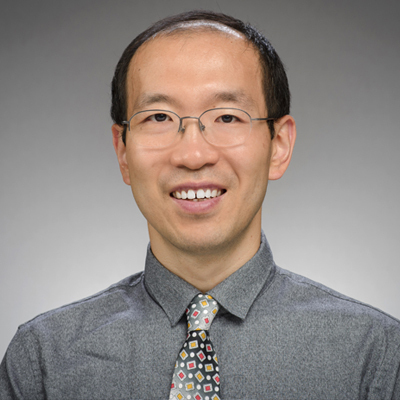
Edgar Engleman is a Professor of Pathology and of Medicine (Immunology and Rheumatology) at Stanford University School of Medicine. He is a leading figure in cellular immunology, with major contributions to cancer immunotherapy, immune tolerance, and myeloid cell biology. He holds key affiliations with the Stanford Cancer Institute, Wu Tsai Neurosciences Institute, Bio-X, and the Maternal & Child Health Research Institute (MCHRI). He serves as Co-Director of Tumor Immunology and Immunotherapy and as Medical Director of the Stanford Blood Center.
- Professor, Department of Pathology, Stanford University
- Professor, Department of Medicine (Immunology and Rheumatology), Stanford University
- Co-Director, Tumor Immunology and Immunotherapy, Stanford Cancer Institute
- Medical Director, Stanford Blood Center
- Member, Wu Tsai Neurosciences Institute
- Member, Bio-X
- Member, Maternal & Child Health Research Institute (MCHRI)
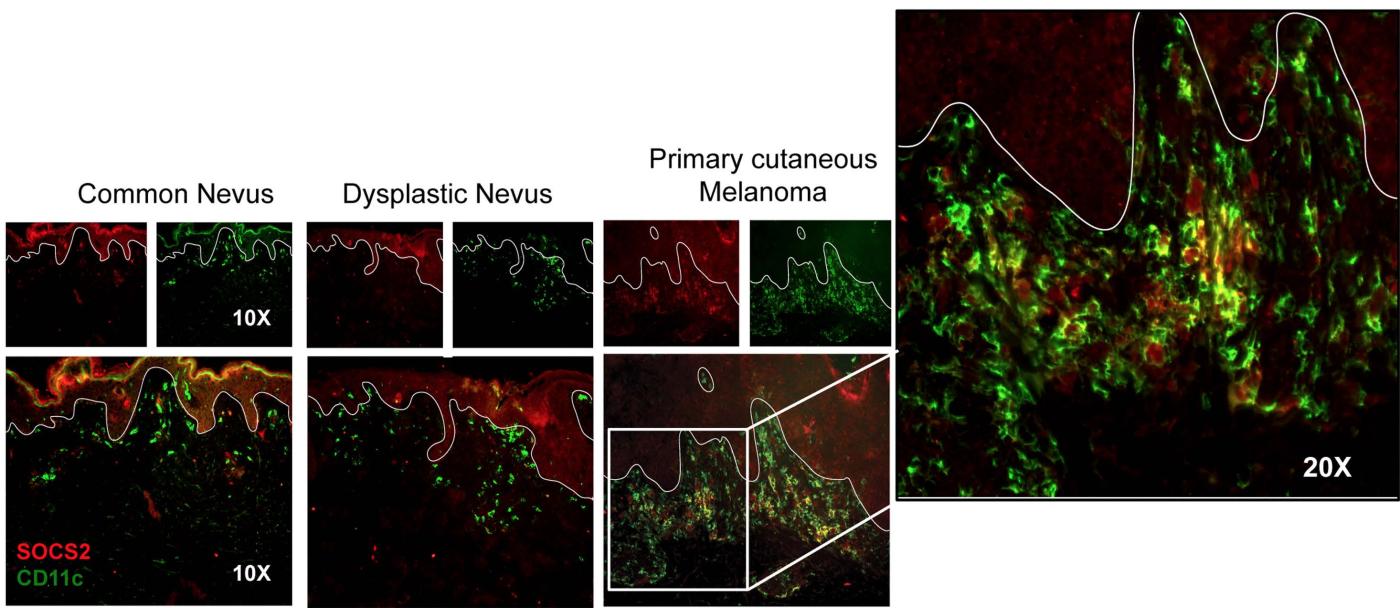
Dr. Engleman’s research focuses on the biology of immune cells, especially dendritic cells, macrophages, and neutrophils, in cancer, autoimmunity, organ transplantation, and metabolic and neurodegenerative diseases. His lab was instrumental in developing Sipuleucel-T (Provenge), the first FDA-approved cell-based cancer immunotherapy. Current work includes reprogramming immunosuppressive myeloid cells, studying lymph node-mediated immune tolerance in metastasis, and targeting novel immune checkpoints. His lab also investigates microglia in neurodegeneration and retinoic acid in colorectal cancer immunity.
His recent publications (2022–2025) reveal a strong emphasis on myeloid cell function in tumor immunosuppression, mechanisms of metastasis, and novel therapeutic strategies including neutrophil activation, GPR65 inhibition, and EPO/EPOR blockade. His work integrates advanced technologies such as multiplex imaging, deep sequencing, and machine learning (e.g., CELESTA algorithm) to dissect immune cell interactions and tissue architecture.
Notable scientific contributions include:
- Development of the first FDA-approved cancer vaccine (Provenge)
- Discovery of lymph node-induced immune tolerance promoting metastasis
- Identification of novel myeloid immune checkpoints
- Therapeutic reprogramming of tumor-associated myeloid cells
- Role of microglia in neurodegeneration and its pharmacological targeting
- Link between retinoic acid deficiency and impaired anti-tumor immunity in colorectal cancer
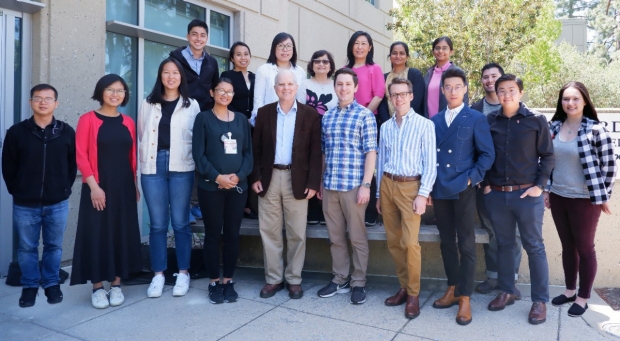
Dr. Engleman actively mentors numerous graduate students and postdoctoral fellows, advising on doctoral theses and research projects across immunology, cancer biology, and pathology. His lab receives substantial research funding, enabling extensive studies in mouse models and human tissues. He also contributes to education through directed reading and research courses.
The Engleman Lab functions as a collaborative Cellular Immunology Lab (CIL), fostering innovation and high-risk research. It utilizes cutting-edge tools including flow cytometry and mass cytometry to map immune responses system-wide. Ongoing efforts aim to translate mechanistic discoveries into clinical applications for cancer, autoimmune disorders, and transplant tolerance.
حوزههای پژوهشی