- Critical Care Medicine
- Health Services Research
- Sepsis
- +۱۳ مورد دیگر
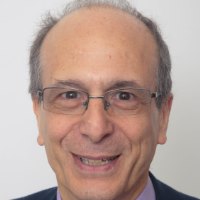
Theodore J. Iwashyna is a Professor at the University of Michigan in the Department of Health Policy and Management, with a joint affiliation at the Johns Hopkins School of Medicine. He is a dual-trained physician-scientist (MD, PhD) specializing in critical care and health services research, focusing on the long-term impact of severe illness and systemic factors influencing recovery. MD, University of Chicago, 2002 PhD, University of Chicago, 2001 AB, Princeton University, 1994 Dr. Iwashyna's research centers on critical illness survivorship, particularly sepsis and ICU outcomes. He investigates how social, economic, and organizational contexts shape recovery, including cognitive and functional decline, caregiver burden, and financial toxicity. His work has redefined post-ICU care by emphasizing integration of social support and neighborhood factors into treatment planning. His recent publications highlight emerging concerns such as racial bias in pulse oximetry, center-level variation in neonatal outcomes, and tele-triage decision-making. Collectively, his work spans health policy, medical equity, and clinical innovation, with a strong emphasis on data-driven, patient-centered improvements in care delivery. Selected for the 2025 STATUS List, STAT News Member, Association of American Physicians Johns Hopkins Discovery Award Distinguished Mentor Award, University of Michigan Member, American Society for Clinical Investigation (ASCI) Sepsis Hero, Sepsis Alliance American Medical Women's Association Gender Equity Award Fellow, American College of Critical Care Medicine Pulmonary and Critical Care Fellows' Outstanding Educator Award Jerome W. Conn Award for Excellence in Research H. Marvin Pollard Award for Outstanding Teaching Dr. Iwashyna has led numerous federally funded studies using large administrative datasets like Medicare claims to evaluate long-term outcomes after critical illness. He mentors a broad network of trainees and collaborates internationally to improve sepsis care and survivorship. His work on family-centered recovery has influenced clinical guidelines and policy recommendations. He is actively involved in multiple research teams studying ICU recovery, health equity in medical devices, and organizational effectiveness. His lab integrates epidemiology, health services research, and policy analysis to generate actionable insights for clinicians, hospitals, and policymakers.