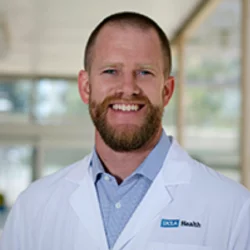
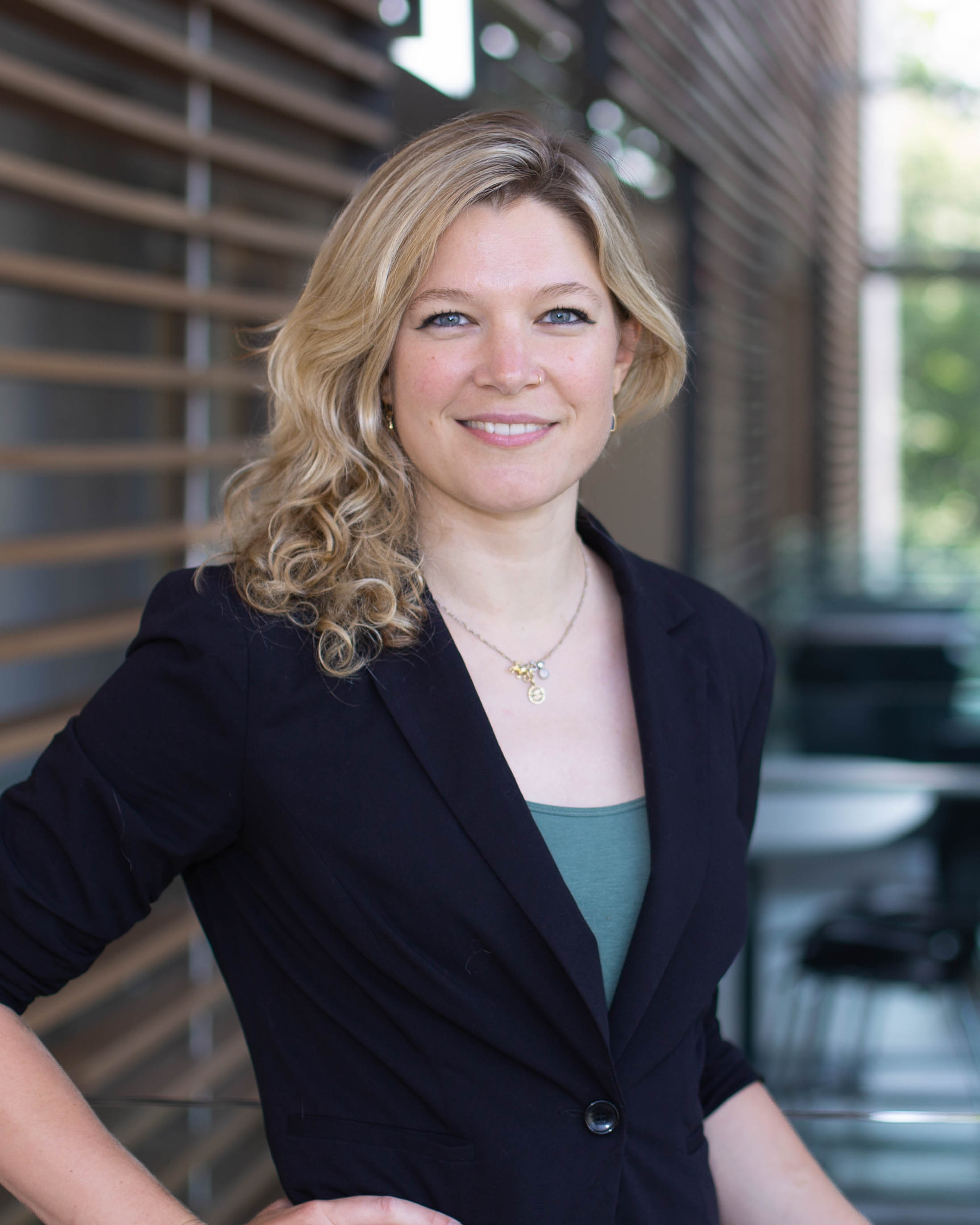
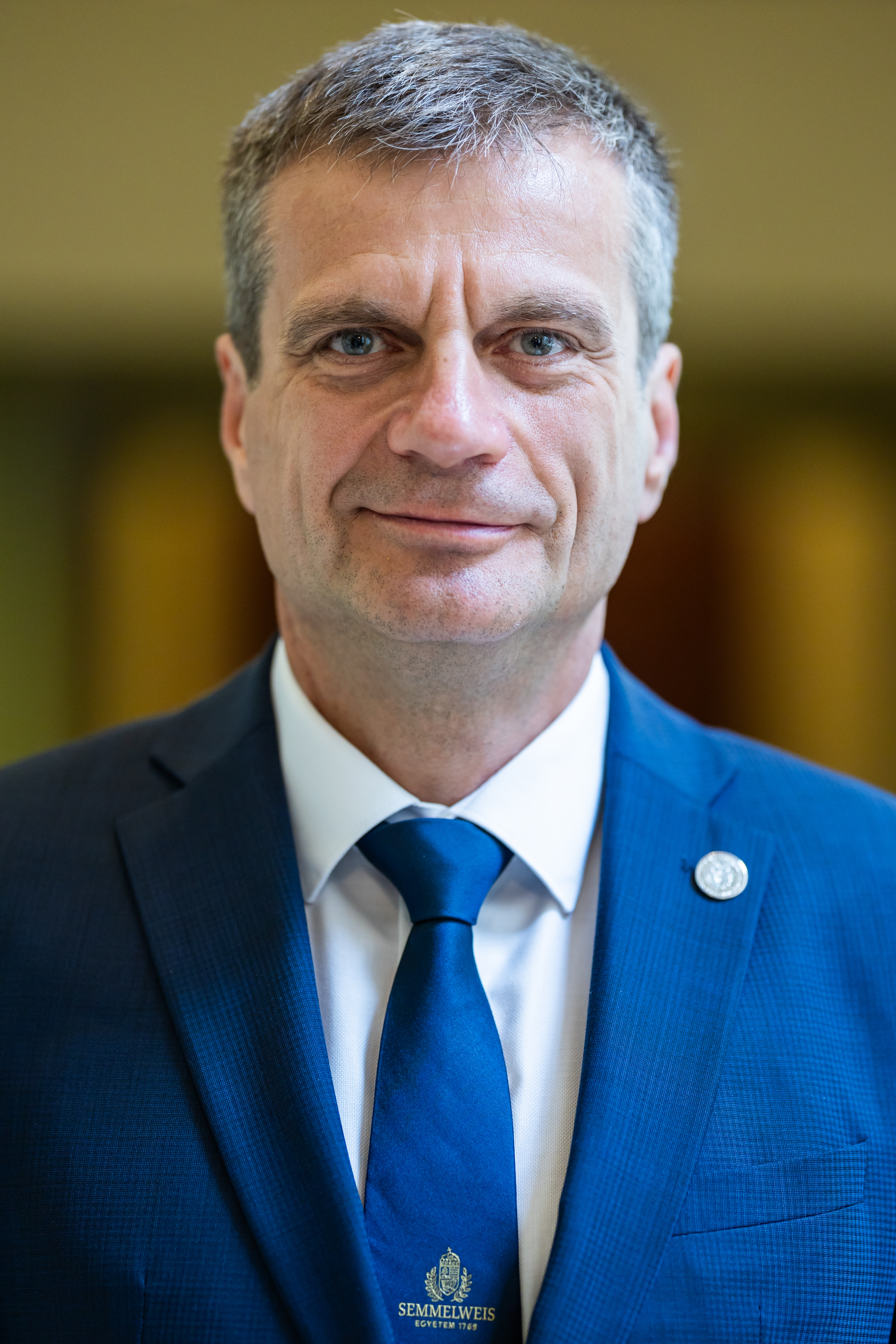
Takashi Matsui, MD, PhD is Professor and Chair of the Department of Anatomy, Biochemistry and Physiology at the University of Hawaii at Manoa's John A. Burns School of Medicine (JABSOM). He holds dual appointments in Graduate Programs including Development and Reproductive Biology (DRB), Cell and Molecular Biology (CMB), and Molecular Bioscience and Bioengineering (MBBE). His career spans academic institutions in Japan and the U.S., including positions at Harvard Medical School and Beth Israel Deaconess Medical Center before joining UH in 2010. Dr. Matsui's research focuses on cardiomyocyte survival mechanisms, particularly the role of mTOR signaling and ferroptosis in cardiac pathology. His work has defined ferroptosis as a critical regulated cell death pathway in ischemic heart disease and obesity-related cardiac dysfunction. Key contributions include identifying mTOR's protective role against iron-mediated cardiomyocyte death and elucidating ferroptosis propagation dynamics in myocardial injury models. His laboratory has developed experimental frameworks for evaluating myocardial cell death mechanisms, contributing to diagnostic and therapeutic advancements in cardiovascular medicine. Matsui's translational research bridges basic science and clinical cardiology, addressing critical gaps in understanding cardiac injury and repair mechanisms.
Professor Keith Channon is the Field Marshal Earl Alexander Professor of Cardiovascular Medicine and Professorial Fellow at the University of Oxford's Department of Cardiovascular Medicine. He serves as Head of Department and Associate Head of the Medical Sciences Division (Clinical Research). Field Marshal Earl Alexander Professor of Cardiovascular Medicine Professorial Fellow Head of Department of Cardiovascular Medicine Associate Head of Medical Sciences Division (Clinical Research) His research focuses on nitric oxide (NO) and redox signalling in cardiovascular disease, particularly how NO dysregulation drives endothelial dysfunction and vascular pathologies like atherosclerosis. He investigates the role of tetrahydrobiopterin in modulating NO synthase activity and explores transgenic models to manipulate this pathway. Key research themes include: Endothelial dysfunction in diabetes and coronary artery disease NO synthase regulation by tetrahydrobiopterin Reactive oxygen species (ROS) interactions with NO Clinical trials targeting NO pathway restoration Monocyte/macrophage dynamics in atherosclerosis Mitochondrial redox balance His work bridges clinical studies and experimental models, with recent publications highlighting applications in machine learning for medical imaging , STEMI intervention , and photon-counting CT angiography . He holds fellowships from the Academy of Medical Sciences and Royal College of Physicians.
Antony Rodriguez, Ph.D., is an Associate Professor at Baylor College of Medicine, affiliated with the Department of Immunology, Allergy & Rheumatology and the Center for Translational Research on Inflammatory Diseases (CTRID). He holds roles as a Graduate Faculty Member in Immunology & Microbiology and Development, Disease Models & Therapeutics. His laboratory focuses on microRNA-mediated mechanisms in lung physiology and repair, particularly in COPD and interstitial lung disease (ILD). Education includes a PhD in Genetics, Development, and Programmed Cell Death from the University of Texas Southwestern Medical Center, followed by a postdoctoral fellowship at the Wellcome Trust Sanger Institute focusing on microRNAs, immunology, and stem cells. Research interests center on microRNA regulation of lung repair, stem cell dysfunction, and inflammation-driven injury. Key projects include let-7 miRNA's role in Tc17 differentiation and fibrogenic pathways. Techniques used include chimeric AGO2-eCLIP, single-cell RNA sequencing (scRNA-seq), and CUT&RUN. Active NIH-funded projects (NHLBI) investigate let-7's role in lung disease pathogenesis and AT2 cell homeostasis. No scientific awards are explicitly listed in the provided text. His work bridges basic science and translational medicine, aiming to develop novel therapies for severe lung diseases such as COPD and ILD.
Wei Chao, MD, PhD , is a Professor at the University of Maryland School of Medicine with primary appointments in Anesthesiology and secondary appointments in Physiology . He serves as Vice Chair for Translational Research and Co-Director of the STAR Center . MD from Hunan Medical College, China PhD in Biochemistry, University of Texas Postdoc at University of California, San Diego Dr. Chao's research spans sepsis , trauma , and ischemic myocardial injury , focusing on innate immunity , microRNA , and bioinformatics . His work integrates mouse genetics , physiology , and machine learning to identify biomarkers and therapeutic targets. Recent publications highlight his team's discoveries in extracellular RNA sensing, TLR7 signaling , and coagulopathy in critical illnesses. His 15 most recent articles address topics like sepsis-induced organ injury, miRNA-based diagnostics, and inflammation mechanisms. Dr. Chao has received prestigious awards including the R35 Maximizing Investigators’ Research Award (NIGMS, 2021), Frontiers in Anesthesia Research Award (IARS, 2018-2021), and Colin Mackenzie & Cristina Imle Mentoring Prize (2021). He has been continuously funded by NIH for over 20 years, DoD since 2017, and holds grants from the Air Force and National Science Foundation .
Cianflone Domenico is an Associate Professor of Cardiovascular Diseases at Vita-Salute San Raffaele University in Milan, Italy. He serves as Director of the Cardiac Rehabilitation Unit at San Raffaele Hospital and has held various clinical and academic positions throughout his distinguished career in cardiology. His educational background includes: Medical Degree with Honors, University of Milan (1980) Specialization in Cardiology, University of Milan (1982) Research Fellow, Cardiology Division, Royal Post-Graduate Medical School, Hammersmith Hospital, London (1983-1986) Honorary Fellowship, Duke University Medical Center, USA (1986) Professor Cianflone's research focuses on the causal mechanisms and precipitating factors of myocardial infarction and other coronary syndromes, innovative patient stratification models, and the development of Health IT/telemedicine solutions for cardiovascular care. His work bridges clinical cardiology with digital health technologies to improve cardiovascular disease prevention and management, with particular emphasis on cardiac rehabilitation, coronary artery disease mechanisms, and cardiovascular applications of health information systems. His recent publications demonstrate a strong emphasis on cardiac rehabilitation, postoperative cardiac complications, and the application of emerging technologies in cardiology. There's a clear trend toward exploring the intersection of traditional cardiology with digital health solutions, rehabilitation protocols, and personalized approaches to cardiovascular disease management, with numerous publications in high-impact journals like the International Journal of Cardiology. Professor Cianflone has held significant editorial positions including: Deputy Editor-in-Chief, International Journal of Cardiology (2016-present) Deputy Editor, International Journal of Cardiology: Hypertension (2018-present) Editorial Board, Italian Heart Journal (1998-2000) Editor-in-Chief, Medscape Italia Cardiologia (1999-2001) Professor Cianflone has supervised 24 degree theses and 12 specialization theses at UniSR, with four of these theses leading to Young Researcher awards and international recognitions from organizations like SISA, GICR, and the American College of Cardiology. He has coordinated or participated in 15 research projects funded by the European Commission, European Social Fund, European Space Agency, Ministry of Health, and Ministry of University and Scientific Research. Additionally, he has served as principal investigator in 15 international clinical trials related to cardiovascular disease and held numerous positions in international commissions at the European Society of Cardiology, American College of Cardiology, International Heart Health Society, and NIH. As Director of the Cardiac Rehabilitation Unit at San Raffaele Hospital, Professor Cianflone leads a multidisciplinary team focused on high-intensity rehabilitative care for patients following advanced cardiac surgery, structural heart procedures, and complex coronary syndromes. His unit provides comprehensive cardiovascular prevention and rehabilitation services with a focus on reducing global cardiovascular risk, including hypertension, dyslipidemia, and diabetes management.
James C. Lo, M.D., Ph.D., is the Rohr Family Clinical Scholar and Associate Professor of Medicine at Weill Cornell Medical College . As a physician-scientist, he directs a basic research laboratory investigating the molecular basis of cardiometabolic diseases. 2023 : Rohr Family Clinical Scholar 2023 : Associate Professor of Medicine, Weill Cornell Medical College 2021 : Assistant Professor of Medicine, Weill Cornell Medical College Education: 2006 - M.D., University of Chicago Pritzker School of Medicine 2004 - Ph.D., University of Chicago 1998 - B.S., University of Chicago Dr. Lo's research focuses on molecular mechanisms of metabolic diseases with emphasis on: Cardiovascular biology in diabetes and obesity Adipose tissue function and thermogenesis Pancreatic islet physiology in metabolic stress Inter-organ communication networks Novel therapeutic targets for diabetes Cardiac complications in metabolic disorders Complement system in endocrine regulation His lab employs single-cell RNA-seq , genetic models , and multi-omics approaches to study: β cell subpopulations in diabetes Complement receptor signaling Adipose-liver-heart cross-talk Extracellular vesicle-mediated dysfunction Sex-dependent metabolic regulation Scientific Contributions: First to identify adipsin's role in β cell protection Discovered complement system's role in islet function Defined adipose tissue as SARS-CoV-2 target Elucidated mechanisms of obesity-induced arrhythmias Developed cross-species models of metabolic stress Research Funding: Currently holds 8 major grants as Principal Investigator or Key Personnel, including: $2.1M - NIH/NHLBI Mechanisms of Obesity-induced Atrial Fibrillation (2025-2028) $2.8M - NIH/NIDDK NAD+ Metabolism in β Cell Dysfunction (2025-2030) $1.5M - AHA Obesity-Driven Atrial Fibrillation (2024-2027) $1.2M - AHA Zebrafish Heart Regeneration (2023-2026) His laboratory team at the Belfer Research Building (New York, NY) includes post-doctoral fellows, Ph.D. students, medical students, and research technicians working in a collaborative environment.
Rachel Allavena is a Professor and Deputy Head of School at the School of Veterinary Science, The University of Queensland . She specializes in veterinary pathology and comparative medicine , developing cancer immunotherapies using pet dogs with natural cancer as models for human oncology. Her work bridges veterinary and human medicine, focusing on translational research . She also leads forensic pathology investigations for Racing Queensland , Queensland Police , and RSPCA Queensland , advocating for animal cruelty prevention . PhD in Comparative Medicine (Cornell University) Postgraduate Diploma in Veterinary Anatomic Pathology (University of Guelph) Bachelor of Veterinary Biology and Honours (University of Queensland) Her research spans comparative oncology (including canine brain cancer, lymphoma, melanoma, osteosarcoma ), koala conservation (co-developer of KoalaBASE database), and envenomation studies . She has trained ACVP board-certified pathologists and developed drug safety testing protocols in the UK pharmaceutical sector. Her immunotherapy trials have achieved 20% cure rates in terminal canine cancer patients. 2015 - Faculty of Science Teaching Excellence Award 2021 - UQ Citation for Outstanding Contributions to Student Learning As a media expert , she has featured in international outlets and delivered a TEDx talk on canine cancer therapy. She actively supervises PhD/MPhil students in projects like Canine Osteosarcoma Immunotherapy and Feline GI Lymphomas . Her team explores biometallic implants and forensic pathology applications.
Dr Helena Qin is a Senior Research Fellow at Monash University's Monash Institute of Pharmaceutical Science (Drug Discovery Biology Theme) and holds adjunct roles at the Baker Heart and Diabetes Institute and the University of Melbourne. She leads the National Heart Foundation Future Fellow laboratory, focusing on developing novel therapies for cardiovascular diseases through translational pharmacology and GPCR biology. Educated at the University of Melbourne, she earned a B.Biomed, PhD in Pharmacology, and First Class Honours in Medicinal Chemistry. Her research emphasizes formyl peptide receptors (FPRs) and their role in inflammation resolution, with nearly 40 publications in top journals. Key achievements include identifying FPRs' therapeutic potential against cardiovascular diseases and pioneering biased agonist drug design. Awarded prestigious fellowships (National Heart Foundation, JDRF, Baker Institute), her work addresses UN SDG 3 (Good Health) and 9 (Industry/Innovation). Major grants include NHMRC, National Heart Foundation, and Diabetes Australia funding. She actively mentors students and leads projects on GPCR-targeted therapeutics and pro-resolving medicines for cardiovascular and diabetic vascular conditions.
Jason M. Karch serves as Assistant Professor in the Department of Integrative Physiology at Baylor College of Medicine, Houston, where he directs the Karch Laboratory focused on mechanistic manipulation of cell death pathways. His research addresses how aberrant cell death underpins ischemic injuries, degenerative diseases, cancer, and aging, with particular emphasis on cardiac pathologies. Dr. Karch completed his educational training with a BA in Biology from Dakota Wesleyan University (2005) followed by a PhD in Cell and Cancer Biology from the University of Cincinnati (2012). His doctoral work established the foundation for his current investigations into mitochondrial regulation of cell death. Research Focus: The Karch Laboratory investigates regulated necrotic cell death mechanisms, specifically targeting the mitochondrial permeability transition pore (MPTP) in cardiomyocyte death during ischemic events. Using genetically engineered mouse models and cell culture systems, the lab identifies molecular components of the MPTP and discovers novel regulators of necrotic pathways through genome-wide screening approaches. Key projects include molecular identification of the MPTP pore-forming component and validation of 306+ candidate genes that modulate necrotic cell death. Analysis of Dr. Karch's publication record (2022-2025) reveals consistent thematic focus on mitochondrial dysfunction in cardiac pathology. His work bridges fundamental molecular mechanisms with translational applications, demonstrating how MPTP regulation intersects with ischemic injury, muscular dystrophy, aging, and arrhythmogenesis. Recent studies highlight the adenine nucleotide translocase family, ATAD3 protein, and calcium-mediated inter-organellar crosstalk as critical therapeutic targets. No major scientific awards or fellowships were documented in available sources. As principal investigator, Dr. Karch oversees two primary research streams: (1) Molecular characterization of the MPTP using genetic and biochemical approaches, and (2) High-throughput screening to identify novel necrosis regulators. His lab employs techniques including calcium retention assays, mitochondrial swelling measurements, and in vivo validation of candidate genes in disease models. Current projects focus on translating basic discoveries into cardioprotective strategies for ischemia-reperfusion injury and muscular dystrophy. The Karch Laboratory operates within Baylor College of Medicine's research infrastructure, utilizing advanced technology cores for mitochondrial function analysis and collaborating with cardiovascular research groups. The lab maintains active projects on mitochondrial permeability transition in cardiac ischemia, muscular dystrophy, and aging-related heart failure, with emphasis on identifying druggable targets within cell death pathways.
Pilar Alcaide is a Professor of Immunology at Tufts University School of Medicine. Her research focuses on understanding molecular mechanisms of T lymphocyte trafficking in inflammatory heart diseases, particularly heart failure. She combines immunology, vascular biology, and cardiac physiology to investigate immune-cardiac interactions using mouse models and advanced microscopy techniques. Education: Ph.D. and M.S. in Immunology from Universidad Autónoma de Madrid (Spain) Dr. Alcaide's lab explores how T cell-endothelial interactions contribute to cardiac pathophysiology, with translational goals toward developing immune-based therapeutics. Key areas include: STING signaling in microglial-neuronal interactions Myeloid fatty acid metabolism in HFpEF CXCR3 blockade for immunotherapy myocarditis Her work has been funded by NIH grants (e.g., mechanisms of T cell activation in cardiac fibrosis). Notable awards include the ASIP Cotran Early Career Investigator Award.
Thomas Vondriska is a Professor in the Departments of Anesthesiology & Perioperative Medicine and Physiology at the David Geffen School of Medicine, UCLA. His research focuses on epigenomic mechanisms driving cardiovascular disease and heart failure. He leads interdisciplinary teams investigating chromatin structure, gene expression dynamics, and environmental-genetic interactions in disease susceptibility. Research Interests: Epigenomic regulation of heart failure, chromatin architecture, cardiac hypertrophy, and translational epigenetic medicine. Active NIH grants include studies on small molecule therapies targeting chromatin, epigenomic resilience, and non-coding RNA mechanisms. Publications emphasize systems biology approaches to cardiac epigenomics, including single-cell transcriptomics and chromatin conformation analysis. Key topics include fibrotic remodeling, nuclear mechanics, and circadian histone turnover in heart development. Funding: Principal Investigator on multiple NIH grants (R01, R21) totaling over $10M since 2012 Labs: Epigenomic Cardiac Biology Lab at UCLA
Maria Valeria Acevedo Arangua serves as Assistant Professor in the Department of Pediatrics and Child Surgery North at the University of Chile's Faculty of Medicine, dedicating 22 hours weekly to academic duties. Her clinical expertise spans pediatric cardiology and inflammatory syndromes with emphasis on SARS-CoV-2 complications. Education Physician-Surgeon from Pontifical Catholic University of Chile (1990) Medical Specialist from Pontifical Catholic University of Chile (1993) Specialist certification from Ministry of Education (2009) Medical Specialty from Pontifical Catholic University of Chile (2009) Her research focuses on pediatric multisystem inflammatory syndrome (MIS-C), cardiovascular complications in children, and immunological biomarkers during pandemics. Recent work analyzes tissue Doppler imaging in adolescent anorexia and hematologic predictors of disease severity in SARS-CoV-2 infections, establishing her as a key contributor to Latin American pediatric inflammatory syndrome research. Publication trends reveal concentrated expertise in MIS-C pathophysiology between 2020-2022, with collaborative studies across Chilean scientific societies producing clinical guidelines adopted nationally. Her work bridges immunology, cardiology, and infectious disease through high-impact publications in indexed journals. Teaching & Academic Service Participating Teacher for Postgraduate course 'Bases of Research Methodology in Clinical Practice' (2024) Active member of Hospital de Niños Roberto del Río's local COVID clinical committee No scientific awards or laboratory affiliations are documented in the source material, though her position statement contributions indicate significant involvement in national clinical guideline development.
Dr. Eva Kaufmann is an Assistant Professor in the Department of Biomedical and Molecular Sciences at Queen's University, cross-appointed to the Translational Institute of Medicine (TIME). Her research focuses on trained immunity mechanisms in infection, vaccination, and asthma, with additional interests in public health and hospital infection control. Education: DVM (2006-2012), Justus-Liebig-University Giessen, Germany PhD in Immunology (2012-2016), Paul Ehrlich Institute & Justus-Liebig-University Giessen Postdoctoral Fellowship (2016-2022), McGill University Research Interests: Trained immunity in infection and vaccination Host-pathogen interactions in tuberculosis BCG vaccination cross-protection Immune tolerance mechanisms Inflammatory responses in chronic diseases Public health systems improvement Key Research Trends: Her work bridges basic immunology with clinical applications, emphasizing how innate immune training shapes resistance to pathogens like Mycobacterium tuberculosis and influenza. Recent studies highlight vaccination-induced protective memory and metabolic pathways governing disease tolerance. Work on SARS-CoV-2 revealed limitations of BCG cross-protection but identified obesity's role in impaired antiviral defense. Lab Team: Supervises six researchers including Gabriella Stefan, Vidthiya Jeyanathan, and Conrad Pietrzak. Collaborates on Duchenne muscular dystrophy immunology and diaphragm macrophage dynamics.
Péter Ferdinandy is a Professor of Pharmacology and former Vice Rector for Science & Innovations at Semmelweis University, Budapest. He concurrently holds a part-time professorship in Biochemistry at the University of Szeged. His roles include leading the Department of Pharmacology and Pharmacotherapy at Semmelweis and directing the Cardiovascular Research Group at Szeged. He is also the founder and CEO of Pharmahungary Group, a biotech company focused on R&D. Dr. Ferdinandy’s research focuses on molecular mechanisms of cardioprotection in comorbidities, translational cardiovascular sciences, and drug cardiotoxicity. His work bridges basic science and clinical applications, with emphasis on ischemia/reperfusion injury, diabetic cardiomyopathy, and immune checkpoint inhibitor-induced cardiotoxicity. Key achievements include being listed as a Highly Cited Researcher (2014–2024) and receiving the 1999 Young Investigator Award. He has held leadership roles in international societies, including chairing the ESC Working Group on Cellular Biology of the Heart and serving as president of the ISHR European Section. His educational background includes medical training, a PhD, and an MBA. He has contributed to over 200 publications, focusing on cardioprotective microRNAs (protectomiRs), drug development, and cardiovascular pharmacotherapy strategies. Current research explores therapeutic targets for heart failure and biomarkers for drug-induced cardiotoxicity.
Dr. Michael Drozd is an Academic Clinical Lecturer in the School of Medicine at the University of Leeds, part of the Faculty of Medicine and Health. He is affiliated with the Leeds Institute of Cardiovascular and Metabolic Medicine, where he conducts translational research in cardiology with a focus on cardiometabolic diseases and infection. His work bridges clinical practice and scientific investigation, particularly in understanding how metabolic conditions like diabetes influence cardiovascular and infectious disease outcomes. Position: Academic Clinical Lecturer Institution: University of Leeds School: School of Medicine Research Institute: Leeds Institute of Cardiovascular and Metabolic Medicine Email: M.Drozd@leeds.ac.uk Dr. Drozd holds a BSc, MBChB (with honors), and PhD. He is a member of the Royal College of Physicians (MRCP) and the European Society of Cardiology (FESC), reflecting his clinical and academic credentials. His research interests center on cardiometabolic disease and infection , with a strong emphasis on translational approaches. Key areas include: Mechanisms linking diabetes, obesity, and cardiovascular disease Infection-related mortality in metabolic disorders Endothelial signaling in vascular dysfunction Biomarker discovery in heart failure Hypoxia and innate immune training Inflammation as a driver of cardiovascular risk His recent publications, spanning from 2017 to 2025, demonstrate a consistent output in high-impact journals such as Diabetes Care , Cardiovascular Research , The Lancet , and J Infect . These works often utilize large cohort data (e.g., UK Biobank) and molecular techniques to explore causal relationships and novel pathways. A recurring theme is the intersection of metabolic health, immune response, and cardiovascular outcomes. Dr. Drozd is actively involved in medical education, supervising MBChB students and academic foundation doctors, and delivering cardiovascular teaching across multiple years of the medical curriculum. He is also passionate about widening participation in medicine, contributing to equity in medical education. His scientific contributions include: Investigating plasma MERTK as a causal biomarker for infection mortality Identifying novel transcriptomic biomarkers (Erbb3, Hspa2) in diabetic heart failure Elucidating IGF-1 signaling in endothelial barrier function and atherogenesis Mapping comorbidity trajectories in heart failure Exploring mentorship challenges in cardiology training Dr. Drozd collaborates extensively with leading researchers such as Professor Mark T. Kearney, Dr. Ryan M. Cubbon, and Professor Stephen B. Wheatcroft. He is not listed as retired, deceased, or former staff, and there is no indication of part-time status. His ongoing research and teaching activities confirm his active role in academic medicine.