Greg J. Normanمشاهده پروفایل
دانشیار
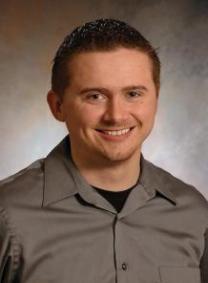
Greg J. Norman is Associate Professor, Associate Chair, and Director of Graduate Studies in the Department of Psychology at the University of Chicago, with a secondary appointment in Psychiatry and Behavioral Neuroscience. He joined the faculty in 2012 after completing his Ph.D. and postdoctoral research at the same institution. Education: Bachelor's in Psychology and Philosophy, The Ohio State University Ph.D. in Psychology (Behavioral Neuroscience), The Ohio State University, 2010 Postdoctoral Research Scholar, University of Chicago, Laboratory of John T. Cacioppo Dr. Norman's research lies at the intersection of social neuroscience, psychophysiology, behavioral endocrinology, and behavioral genetics. He investigates how social interactions modulate physiological systems—including the autonomic nervous system, neuroendocrine axes, and inflammatory responses—to influence health outcomes. His work employs both human and animal models, with a particular focus on oxytocin signaling, stress reactivity, and neural mechanisms of social evaluation. He uses multilevel assessment techniques to bridge behavior, biology, and social context. His recent publications reveal a strong thematic focus on the neurobiological underpinnings of social behavior and health. Key areas include oxytocin's role in autonomic regulation and social buffering, the impact of loneliness and social isolation on neuroinflammatory and cardiovascular responses, and the neural basis of evaluative processing in social contexts. His work frequently appears in high-impact journals such as PNAS , Psychosomatic Medicine , and Hormones and Behavior , reflecting interdisciplinary rigor and clinical relevance. Scientific Awards: No awards listed in the provided text. As Director of Graduate Studies, Dr. Norman plays a central role in mentoring and shaping the training of graduate students in psychology. While specific students are not named, his extensive publication record with multidisciplinary teams suggests active supervision and collaboration. He has contributed to major handbooks and has been involved in research supported by institutional and federal funding, though specific grants are not detailed in the text. Labs and Research Teams: His research is conducted in laboratories associated with the Department of Psychology and the former Center for Cognitive and Social Neuroscience at the University of Chicago. He has collaborated extensively with prominent researchers including John T. Cacioppo, Gary G. Berntson, A. Courtney DeVries, and Louise Hawkley, indicating membership in a large, interdisciplinary social neuroscience research group.