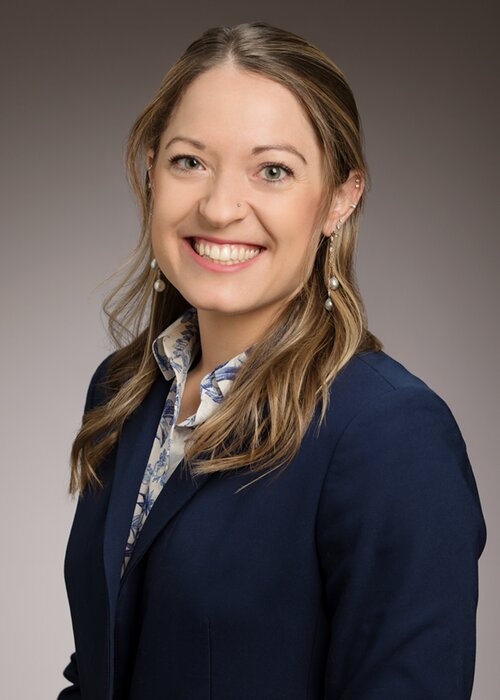
Adrienne M. Antonson is an Assistant Professor in the Department of Animal Sciences at the University of Illinois Urbana-Champaign, affiliated with the College of Liberal Arts & Sciences Neuroscience Program. She leads the Antonson Developmental Neuroimmunology Lab, focusing on immunology, microbiology, and developmental neuroscience. Education: PhD in Immunophysiology and Behavior (University of Illinois Urbana-Champaign, 2018), Postdoctoral Fellow at Ohio State University (2018-2021) Affiliations: Microbial Systems Initiative, Carl R. Woese Institute for Genomic Biology (Environmental Impact on Reproductive Health Theme), Interdisciplinary Environmental Toxicology Program Her research investigates how prenatal maternal immune activation—via viral infections or stress—alters fetal microglial function and neurodevelopmental outcomes. Using translational animal models, she examines inflammatory pathways linking maternal insults to behavioral abnormalities and mental health disorders in offspring. Recent publications reveal critical insights into influenza A virus impacts on maternal-fetal immunity, epigenetic disruptions in hypothalamic development, and microbiome-mediated neuroinflammatory mechanisms. Her work emphasizes the maternal-fetal interface as a key regulator of neurodevelopmental trajectories. Contact: aantnsn2@illinois.edu , Edward R. Madigan Laboratory, 1201 W Gregory Drive, Urbana, IL 61801
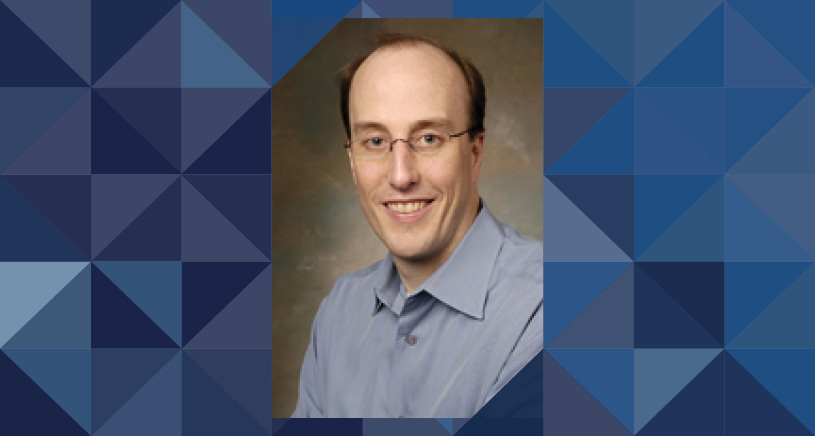
Edward Bonder serves as Professor of Cell Biology and Chair in the Department of Biological Sciences within the College of Arts and Sciences at Rutgers University-Newark. His laboratory investigates the structural and functional dynamics of the actin cytoskeleton across multiple biological contexts including morphogenesis, cell-cell contact formation, and organelle motility. Utilizing marine gamete models and cultured epithelial systems, his research bridges fundamental cell biology with developmental processes. Education: B.A. in Biology, University of Pennsylvania (1976) Ph.D. in Cell Biology, University of Pennsylvania (1983) Dr. Bonder's research focuses on actin-myosin interactions governing cellular dynamics, with particular emphasis on myosin motor proteins in fertilization models, adherens junction formation, and mitochondrial motility along cytoskeletal tracks. His work demonstrates how Rho GTPase signaling, microtubule-actin crosstalk, and unconventional myosins regulate cell polarization, wound healing, and embryonic development. The laboratory employs sea urchin coelomocytes and epithelial cell cultures to dissect stimulus-response mechanisms in organelle transport and cell adhesion. Publication analysis reveals sustained contributions to cytoskeletal dynamics over 25+ years, with recent work expanding into cancer biology, stem cell regulation, and host-microbe interactions. Key themes include Rab11-dependent trafficking, CDC42-mediated tumor suppression, and TLR sorting mechanisms - all rooted in fundamental cytoskeletal principles established through earlier sea urchin and epithelial models. No scientific awards are documented in the provided materials. Dr. Bonder maintains active research programs examining cytoskeletal regulation in development and disease, with consistent funding evidenced by continuous publication in high-impact journals including PNAS, Journal of Cell Biology, and EMBO Journal. His laboratory trains researchers in advanced cell imaging, molecular perturbation techniques, and model system applications. The research group operates from 309 Boyden Hall, utilizing sea urchin fertilization models, epithelial cell culture systems, and molecular approaches to investigate cytoskeletal dynamics across scales from single molecules to tissue organization. Current projects integrate traditional cell biology with emerging work in intestinal stem cells and microbial homeostasis.
Professor Stefan R. Bornstein serves at the Technical University of Dresden's Carl Gustav Carus University Hospital within Medical Clinic and Polyclinic III. He leads multiple German Research Foundation (DFG)-funded projects focusing on adrenal function, metabolic diseases, and immunological mechanisms, with particular expertise in sepsis-related adrenal dysfunction and the hypothalamic-pituitary-adrenal axis. Dr. Bornstein's research centers on endocrine-immunological interactions, examining how the adrenal gland functions as a central regulatory organ in health and disease. His work spans molecular mechanisms of intra-adrenal regulation, immune responses in sepsis, and metabolic drivers of infection susceptibility, with significant translational potential for treating adrenal insufficiency and obesity-related conditions. As speaker of International Research Training Groups RTG 2251 and RTG 3019, he directs collaborative research on immunological strategies for metabolic diseases and infection susceptibility. His Transregio project TRR 205 investigates the adrenal gland's role as a central relay in physiological regulation, while his sub-project management in Transregio initiatives focuses on adrenal stem cells and biological replacement therapies. Dr. Bornstein has secured substantial research funding through multiple DFG projects including investigations into regulated cell death in adrenal inflammation, xenogeneic cell transplantation for adrenal insufficiency, and the microenvironment of the adrenal gland in health and disease. His earlier work established important connections between adipose tissue, aldosterone regulation, and hypertension. His laboratory employs advanced model systems to study adrenal physiology across molecular, cellular, and systemic levels, with particular focus on therapeutic interventions for sepsis-induced adrenal dysfunction and stem cell-based approaches for endocrine disorders.
Patrick R. Sweeney is an Assistant Professor of Molecular & Integrative Physiology at the University of Illinois Urbana-Champaign, affiliated with the College of Liberal Arts & Sciences. His research focuses on neural circuit mechanisms linking energy homeostasis, emotion, and reproduction, particularly through the central melanocortin system. He holds a B.A. from the University of Rochester (2012), a Ph.D. from SUNY Upstate Medical University (2017), and completed postdoctoral training at the University of Michigan (2017–2021). His lab employs optogenetics, calcium imaging, and molecular genetics to study how melanocortin receptors (MC3R/MC4R) regulate feeding, anxiety, and metabolic disorders like anorexia nervosa and obesity. Research Interests: Endocrinology, metabolic regulation, neurobiology, neural circuitry, optogenetics, and reproductive biology. His lab investigates how POMC/AgRP neurons communicate metabolic signals to secondary brain regions, with a focus on how dysfunction in these circuits contributes to metabolic and psychiatric disorders. Recent Work: Recent studies explore MC3R signaling in energy rheostasis, stress-feeding interactions, and lactation-associated hyperphagia. His work has implications for developing therapies targeting melanocortin pathways in obesity and anorexia. Key Techniques: Inscopix miniscope imaging, optogenetics, light-sheet imaging, single-cell RNA sequencing. Labs/Teams: Sweeney Lab focuses on interdisciplinary approaches to neural circuitry and metabolic disorders.
Tülin Yanık is an Associate Professor in the Department of Biological Sciences at Middle East Technical University (METU). Her research focuses on intracellular trafficking, processing, and secretion of neuropeptides and peptide hormones related to obesity, with recent work investigating hypothalamic appetite regulation, psychotic drugs, childhood obesity, Type-2 Diabetes, atherosclerosis, and nano-architectural approaches for neurons. She employs cell lines, animal models, and human subjects in her studies. Education: Postdoc at NIH (2003–2006), PhD/MSc/BSc from The George Washington University and Ege University. Key Research Themes: Neuropeptide regulation, metabolic disorders, neuropharmacology, and nanotechnology in biomedicine. Her publications highlight investigations into leptin, hypothalamic modulation by antipsychotics, and the role of melanocortin receptors in obesity. She explores nanomaterials for enhancing neural cell functions and mitochondrial effects of hyperlipidemia. Research also addresses maternal obesity’s impact on offspring pancreatic cells and synaptic integrity in neurological contexts. Labs/Teams: Her laboratory integrates molecular biology, pharmacology, and nanotechnology to address obesity, diabetes, and neurodegenerative mechanisms.
Sonia Caprio, MD is a Professor of Pediatrics (Endocrinology) at Yale School of Medicine. She serves in multiple roles including as a member of the Pediatric Endocrinology & Diabetes department, Diabetes Program, Diabetes Research Center, Liver Center, Obesity Research Working Group, Pediatric Weight Solutions Program, Yale Medicine, Yale Stress Center, and Yale Ventures. Dr. Caprio is a leading researcher in childhood obesity and type 2 diabetes with over 25 years of experience in patient-oriented research. Dr. Caprio received her medical degree from Universita di Medicina e Chirurgia in 1978. She completed residencies at Ospedale Cardarelli (1980), Universita' di Medicina e Chirurgia (1980), and Temple University Hospital (1983), followed by a fellowship at Yale University School of Medicine (1989). Dr. Caprio's research focuses on understanding the pathophysiology of childhood obesity and type 2 diabetes, with particular emphasis on insulin resistance and beta-cell dysfunction. Her work has demonstrated a faster progression of beta-cell failure in obese adolescents, which helped stimulate funding for major clinical trials like TODAY and RISE. She has assembled two large multiethnic cohorts: the Pathogenesis of Youth Onset Diabetes (PYOD) study and the Yale Pediatric NAFLD/NASH Cohort to investigate the roles of insulin resistance, beta-cell dysfunction and NAFLD in the earliest stage of T2D. Her research spans clinical and basic science in metabolism, genetics, and imaging. Analysis of Dr. Caprio's most recent publications reveals a continued focus on metabolic disorders in youth, with particular attention to insulin resistance mechanisms, genetic factors in obesity, and treatment approaches for conditions like familial hypercholesterolemia. Her work spans basic science, clinical research, and translational applications, often examining how metabolic processes differ between youth and adults, and how these differences impact disease progression and treatment response. K24 Investigator Award in Patient Oriented Research (2001-2011) Bayer Scholar Award in Diabetes Research (2003) Distinguished Clinical Scientist Award, American Diabetes Association (2008-2012) Distinguished Leader in Insulin Resistance Award, International Committee for Insulin Resistance (2015) The Samuel J. Fomon Nutrition Award from the American Academy of Pediatrics (2017) Dr. Caprio has served as Principal Investigator for multiple clinical trials including "Semaglutide Effects in Obese Youth With Prediabetes/New Onset Type 2 Diabetes and Non-Alcoholic Fatty Liver Disease," "The Role of Hepatic De Novo Lipogenesis (DNL) in the Pathogenesis of Hepatic Steatosis," and "Children's Health Study to investigate adipocyte cell and lipid turnover in obese adolescents." She has also been a Sub Investigator for studies like "Preventing Obesity in Preterm Infants." Her research has been funded by NIH-NICD and other national and international organizations. Dr. Caprio emphasizes family-centered approaches to treating childhood obesity and diabetes, incorporating cutting-edge genetic testing to understand individual patient metabolism. Dr. Caprio leads research teams focused on pediatric endocrinology and metabolism, with particular expertise in obesity, type 2 diabetes, and NAFLD in children and adolescents. Her work involves collaborations with researchers across multiple disciplines including genetics, imaging, and basic science to understand the complex mechanisms underlying metabolic disorders in youth. She is recognized for demonstrating the faster tempo of progression of beta-cell failure in obese adolescents, which has significantly influenced the field's understanding of youth-onset type 2 diabetes.
Zuri Sullivan is a postdoctoral researcher at Harvard University, affiliated with the Catherine Dulac Lab. Her work focuses on the intersection of immunology and neuroscience, particularly how inflammatory signals influence social behavior in mice through hypothalamic circuits. Education: PhD in Immunobiology from Yale University AB in Molecular and Cellular Biology (MCB) from Harvard College Research interests span neuroimmunology, inflammation, and genetic screening. Key projects include studying mast cell-leukotriene signaling in anaphylaxis, hypothalamic circuitry in social homeostasis, and the role of γδ T cells in nutrient sensing. Her work often integrates immunobiology with behavioral neuroscience. Recent publications highlight her contributions to understanding immune-gut-brain axis interactions, genetic tools for tissue mapping, and disease mechanisms in obesity-related cancer and tuberculosis. She also develops innovative multimodal screening platforms for in vivo gene function analysis. Scientific Awards: HHMI Hanna H. Gray Postdoctoral Fellowship Zuri actively promotes science communication, diversity in STEM, and education outreach. She previously studied intestinal immune adaptation to diet during her PhD at Yale under Ruslan Medzhitov. Collaborations with William Bishai and Ruslan Medzhitov feature prominently in her research portfolio.
Andrew Bateman, PhD is a Senior Scientist at the Research Institute of the McGill University Health Centre (RI-MUHC) at the Glen site, where he leads research in the Metabolic Disorders and Complications Program within the Centre for Translational Biology. He holds a professorship in the Department of Medicine, Faculty of Medicine and Health Sciences at McGill University, with specific affiliation to the Division of Endocrinology at the McGill University Health Centre. Dr. Bateman's research primarily focuses on progranulin, a protein that plays crucial roles in cell communication, neuroprotection, tissue repair, and cancer progression. His work has demonstrated that progranulin instructs nearby cells to divide and move, inhibits cell death caused by challenges such as starvation or chemotherapeutic drugs, and is essential for keeping nerve cells alive. Notably, his research has shown that losing half of the brain's progranulin levels through mutation causes frontotemporal dementia, a devastating degenerative brain disease. His laboratory also investigates how progranulin is overexpressed in many cancers, rendering cancer cells more aggressive, and how blocking progranulin may serve as a route to cancer therapy. Additionally, his work explores progranulin's role in reducing inflammation and promoting wound repair, including angiogenesis, which has potential applications for people suffering from chronic wounds. Analysis of Dr. Bateman's publication record reveals a consistent focus on progranulin across multiple disciplines including neuroscience, molecular biology, oncology, and vascular biology. His research spans from fundamental protein structure and evolution to clinical applications in neurodegenerative diseases and cancer. A notable trend in his work is the exploration of progranulin's dual role in both neuroprotection and cancer progression, highlighting the complex nature of this regulatory protein. His research has evolved from early work on corticostatic peptides and the immune-hypothalamic-pituitary-adrenal axis to his current specialized focus on progranulin's multifaceted biological functions. Dr. Bateman has made significant contributions to understanding the role of progranulin in various physiological and pathological processes. His work has implications for developing therapeutic approaches for neurodegenerative diseases, cancer treatment, and wound healing. He has established himself as a leading researcher in the field of progranulin biology, with numerous publications in high-impact journals spanning several decades of research.
Randy J. Seeley is the Henry K. Ransom Endowed Professor of Surgery at the University of Michigan School of Medicine, with adjunct appointments in Internal Medicine and Nutritional Sciences. His research focuses on central nervous system regulation of energy balance, obesity, diabetes, and metabolic disease interventions. His scientific work explores how peripheral hormones interact with the CNS to control food intake, body weight, and fuel metabolism. Recent studies highlight innovative approaches including GLP-1 receptor agonists, bariatric surgery mechanisms, and gut-liver-brain axis interactions. Publications span top journals like Nature , Science , and Cell Metabolism , emphasizing translational research from animal models to human metabolic outcomes. Key themes include hormonal signaling, weight-loss maintenance, and metabolic inflammation. 2009 Outstanding Scientific Achievement Award (American Diabetes Association) 2022 AAAS Fellow Dr. Seeley has served on NIH review panels and the Science editorial board, advancing obesity and diabetes research through interdisciplinary collaborations.
Corrine K. Welt, MD, is a Professor in the Department of Internal Medicine, specializing in Endocrinology, Diabetes & Metabolism. She practices at the Utah Diabetes & Endocrinology Center in Salt Lake City and is board-certified by the American Board of Internal Medicine. Education: MD from Cornell University Medical College, BS in Biochemistry from University of Wisconsin–Madison Training: Internship, Residency, and Clinical Fellowship at Brigham and Women's Hospital; Research Fellowship at Massachusetts General Hospital Her research focuses on reproductive endocrinology, particularly disorders like Polycystic Ovary Syndrome (PCOS) , Hypothalamic Amenorrhea , and Primary Ovarian Insufficiency . She investigates genetic risk factors and metabolic consequences (diabetes, insulin resistance, cardiovascular risks) to enable early diagnosis and preventive strategies. Recent publications highlight her work on genetic markers for PCOS , metformin's role in PCOS treatment , and hormonal therapies for amenorrhea . Her studies often involve multinational collaborations.
Dr. Russell Jones is a Professor and Chair of the Department of Metabolism and Nutritional Programming at Van Andel Research Institute (VAI). His research focuses on cancer metabolism, immunology, and the interplay between cellular metabolism and immune function, with a particular emphasis on understanding how metabolic pathways influence tumor growth and anti-tumor immune responses. Dr. Jones earned his B.Sc. and Ph.D. in Biochemistry and Medical Biophysics from the University of Toronto, followed by postdoctoral training at the University of Pennsylvania. He has held academic positions at McGill University and VARI, where he leads a team investigating immunometabolism and cancer metabolism. His work bridges basic research and clinical translation, aiming to develop novel therapies targeting metabolic vulnerabilities in cancer cells and immune cells. His research interests include tumor immunology, metabolic reprogramming in T cells, and the role of metabolic checkpoints in cancer progression. Notable achievements include discovering mechanisms linking LKB1 mutations to gastrointestinal polyposis and identifying metabolic pathways critical for T cell function in tumor microenvironments. Dr. Jones has been recognized with awards such as the William Dawson Scholar distinction and election to the Royal Society of Canada. He serves on editorial boards of leading journals and actively contributes to clinical trials through collaborations with institutions like VAI-SU2C Epigenetics Dream Team. His laboratory is part of VAI’s Center for Cancer and Cell Biology, emphasizing interdisciplinary approaches to metabolism and nutrition. Current projects explore how metabolic interventions can enhance immunotherapy efficacy and uncover metabolic dependencies in cancer cells.
Karen Berkowitz, MD, is an Associate Professor and Associate Dean for Medical Student Research at Drexel University College of Medicine, affiliated with the Departments of Biochemistry & Molecular Biology and Obstetrics & Gynecology. Her clinical expertise includes infertility, in vitro fertilization, and polycystic ovary syndrome (PCOS). She holds board certifications in obstetrics/gynecology and reproductive endocrinology/infertility. Education: MD: Albert Einstein College of Medicine (1993), Alpha Omega Alpha Honor Society Residency: Obstetrics & Gynecology at Yale New Haven Hospital (1993–1997) Fellowship: Reproductive Endocrinology & Infertility at University of Pennsylvania School of Medicine (1997–2000) Research Interests: Dr. Berkowitz focuses on molecular mechanisms of mammalian germ cell development, particularly the role of CHTF18 in gametogenesis and meiotic processes. Her work explores how defects in these pathways contribute to infertility and aneuploidy. She employs mouse models to study chromosome segregation and reproductive disorders. Key Contributions: Her studies on Chtf18 deficiency reveal critical roles in meiotic recombination and embryonic viability, advancing understanding of infertility and genetic disorders. Awards: Top Doctor, Philadelphia Magazine (2018) Alpha Omega Alpha National Honor Society NIH Women's Reproductive Health Research Career Development Award Advising & Grants: Dr. Berkowitz mentors students in reproductive biology and molecular genetics. Her research is supported by NIH grants, focusing on reproductive health and genomic integrity. Labs/Teams: Her laboratory integrates molecular genetics, cell biology, and mouse models to study gametogenesis and infertility mechanisms.
Ajay Satpute is an Associate Professor of Psychology at Northeastern University's College of Science, leading the Affective and Brain Science (ABS) Lab. His research integrates computational modeling, neuroimaging, and behavioral experiments to study affective and social neuroscience, focusing on emotion, fear, and brain architectures. He uses predictive processing theories and machine learning to explore neural correlates of affective experiences and cognitive control. Key areas of investigation include the neural basis of pleasure/pain, emotion regulation, and large-scale brain networks. His lab employs advanced techniques like 7-Tesla fMRI to map subcortical regions such as the periaqueductal gray. He has contributed to understanding context-dependent fear responses and the role of language in emotion construction. In 2023, he was awarded a TIER1 Seed Grant for innovative research. His work has been featured in media discussions on fear psychology, emotion regulation, and societal anxiety (e.g., 'murder hornets').
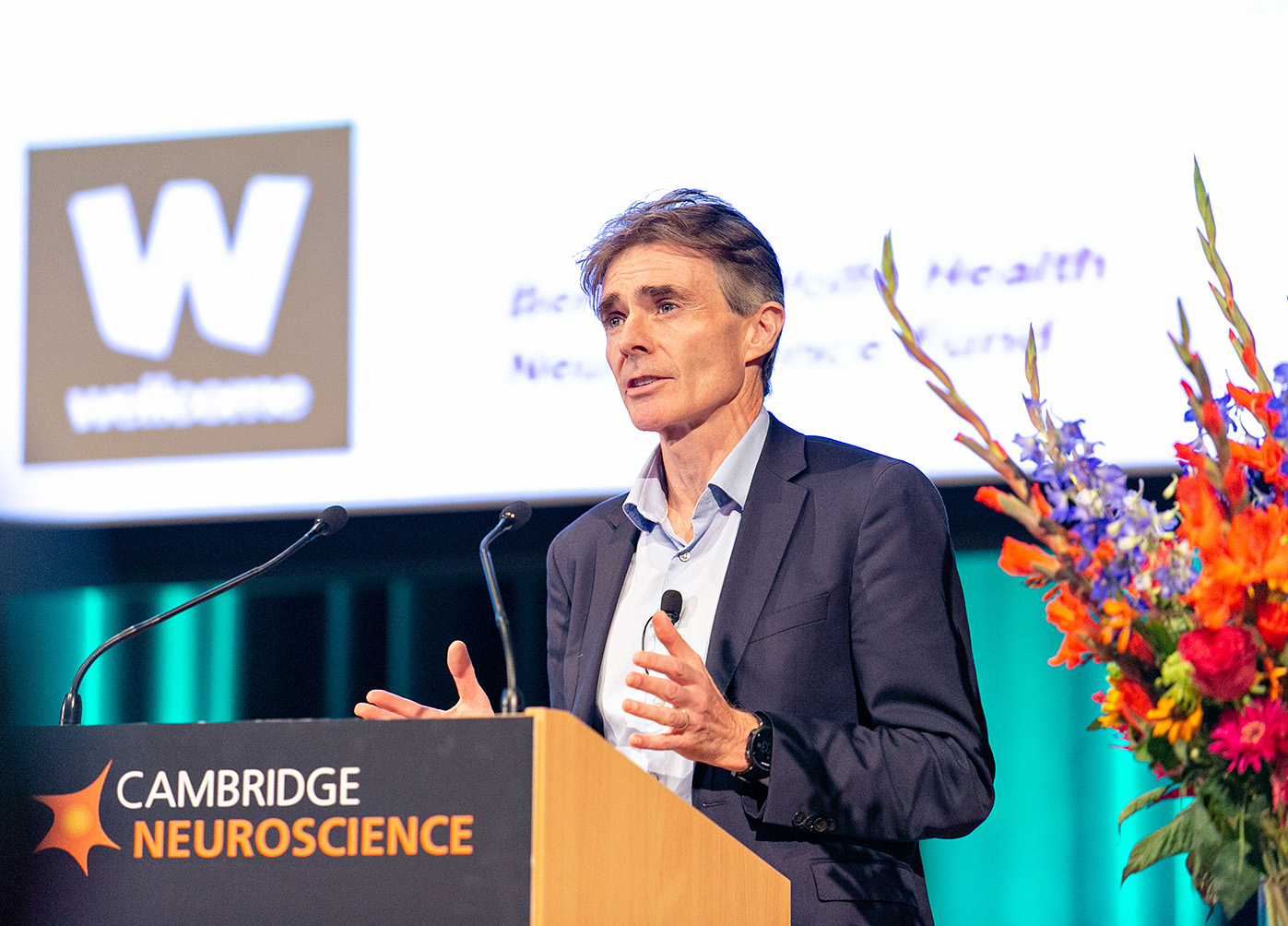
Professor Paul Fletcher serves as the Bernard Wolfe Professor of Health Neuroscience at the University of Cambridge Department of Psychiatry and Clinical Director of the Cambridge Neuroscience Interdisciplinary Research Centre. He holds concurrent appointments as a Wellcome Trust Investigator and Honorary Consultant Psychiatrist with the Cambridgeshire and Peterborough NHS Trust and Cambridge University Hospitals NHS Trust. His research centers on neurobiological mechanisms of psychosis , computational psychiatry , and appetite control in disordered eating . Fletcher pioneered influential theories linking prediction error signaling to psychotic symptoms, demonstrating how perturbations in frontal lobe responses explain hallucinations and delusions. His work integrates neuroimaging, psychopharmacology, and computational modeling to bridge clinical observations with neural mechanisms. Analysis of his recent publications reveals a dominant focus on prediction error computation in psychosis cortical structural changes in mental illness neurobiological correlates of eating disorders computational modeling of perceptual inference dopaminergic mechanisms in learning translational neuroscience approaches His work increasingly incorporates multimodal neuroimaging and real-world applications like the Hellblade: Senua's Sacrifice project. Key recognitions include: BAFTA Award for Games Beyond Entertainment (2017) James Bull Lectureship (2017) Election to Academy of Medical Sciences (2012) WFSP Research Award in Biological Psychiatry (2005) Fletcher maintains significant research funding through Wellcome Trust appointments spanning over two decades, including current status as a Wellcome Trust Investigator. His clinical neuroscience program bridges the Department of Psychiatry with NHS trusts, emphasizing translational pathways from basic mechanisms to clinical applications. The Fletcher Group operates within the Cambridge Neuroscience network, collaborating extensively across departments and healthcare systems.
Slav Bagriantsev is a Professor in the Department of Cellular & Molecular Physiology at Yale School of Medicine. His research focuses on mechanotransduction, sensory receptor biology, and physiological adaptations in hibernation. Bagriantsev holds a PhD from the University of Illinois at Chicago and completed postdoctoral training at the University of California, San Francisco (2012). He leads the Slav Lab, investigating touch sensation mechanisms and hibernation physiology in animals like ground squirrels. Research Interests: His work explores how mechanosensitive ion channels mediate touch detection in specialized sensory organs (e.g., Pacinian corpuscles), and how hibernating mammals survive extreme conditions without water or food. Key projects include studying neural adaptations enabling months-long torpor states and identifying molecular mechanisms underlying cold tolerance. Publications Trends: Recent work emphasizes structural biology of touch receptors and neuroendocrine regulation during hibernation. Notable findings include the discovery of how ground squirrels suppress thirst mechanisms and the role of hypothalamic hormones in physiological anorexia during torpor. Awards: National Science Foundation CAREER Award (2015) American Heart Association Scientist Development Grant (2014) Genentech Foundation Postdoctoral Fellowship (2009) Advising & Lab: The Slav Lab collaborates with researchers like Elena Gracheva and Yury Nikolaev, focusing on interdisciplinary projects combining electrophysiology, structural biology, and animal behavior. Current efforts aim to translate hibernation biology insights into human medical applications like organ preservation and metabolic therapy.