معرفی
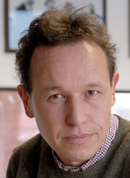
Andrew Bateman, PhD is a Senior Scientist at the Research Institute of the McGill University Health Centre (RI-MUHC) at the Glen site, where he leads research in the Metabolic Disorders and Complications Program within the Centre for Translational Biology. He holds a professorship in the Department of Medicine, Faculty of Medicine and Health Sciences at McGill University, with specific affiliation to the Division of Endocrinology at the McGill University Health Centre.
Dr. Bateman's research primarily focuses on progranulin, a protein that plays crucial roles in cell communication, neuroprotection, tissue repair, and cancer progression. His work has demonstrated that progranulin instructs nearby cells to divide and move, inhibits cell death caused by challenges such as starvation or chemotherapeutic drugs, and is essential for keeping nerve cells alive. Notably, his research has shown that losing half of the brain's progranulin levels through mutation causes frontotemporal dementia, a devastating degenerative brain disease. His laboratory also investigates how progranulin is overexpressed in many cancers, rendering cancer cells more aggressive, and how blocking progranulin may serve as a route to cancer therapy. Additionally, his work explores progranulin's role in reducing inflammation and promoting wound repair, including angiogenesis, which has potential applications for people suffering from chronic wounds.
Analysis of Dr. Bateman's publication record reveals a consistent focus on progranulin across multiple disciplines including neuroscience, molecular biology, oncology, and vascular biology. His research spans from fundamental protein structure and evolution to clinical applications in neurodegenerative diseases and cancer. A notable trend in his work is the exploration of progranulin's dual role in both neuroprotection and cancer progression, highlighting the complex nature of this regulatory protein. His research has evolved from early work on corticostatic peptides and the immune-hypothalamic-pituitary-adrenal axis to his current specialized focus on progranulin's multifaceted biological functions.
Dr. Bateman has made significant contributions to understanding the role of progranulin in various physiological and pathological processes. His work has implications for developing therapeutic approaches for neurodegenerative diseases, cancer treatment, and wound healing. He has established himself as a leading researcher in the field of progranulin biology, with numerous publications in high-impact journals spanning several decades of research.