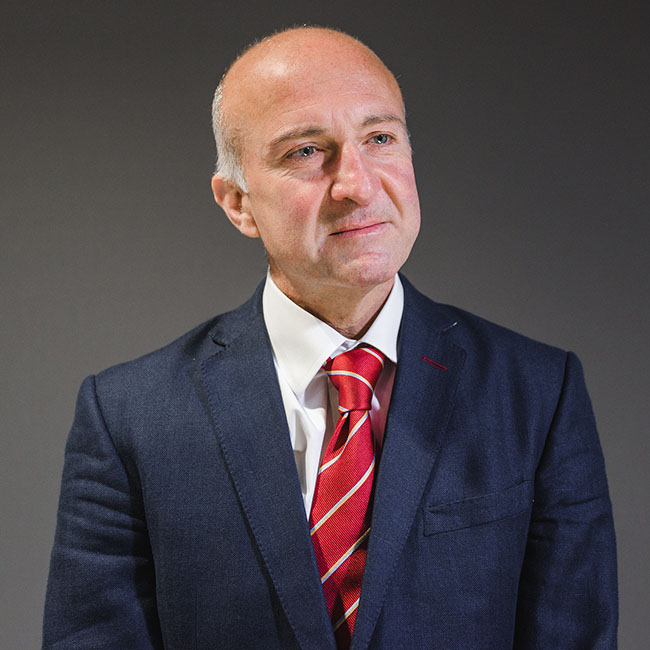
Andreas Eklund is an Assistant Professor in the Marketing Department at the University of Wisconsin-La Crosse (UWL). He holds a Ph.D. in Marketing from Linnaeus University (Sweden), specializing in consumer psychology, and a Master’s degree from Lund University (Sweden). His research focuses on sensory marketing, branding, and service-dominant logic, exploring how sensory cues influence consumer behavior and brand experiences. He has taught courses on branding, consumer behavior, and marketing strategy at universities in Sweden, Norway, and the U.S. Education: Ph.D. in Marketing (Consumer Psychology), Linnaeus University, Sweden M.Sc. in Marketing, Lund University, Sweden Research Interests: Sensory marketing and its intersection with branding Multi-sensory consumer experiences in automotive and retail environments Experiential marketing and value proposition design Congruency theories in brand-consumer relationships Teaching: Recent courses include MKT351 (Principles of Marketing), MKT362 (Consumer Behavior), and MBA755 (Advanced Marketing) Focuses on experiential learning and real-world marketing applications Professional Background: Prior career as a chef informs his sensory marketing research Experience in Scandinavian universities before joining UWL Personal Interests: Outdoor activities (disc golf, ice skating) Swedish salt licorice enthusiast Manchester United football fan
Dr. Rene Ferdinands is a Lecturer at the University of Sydney's School of Health Sciences, specializing in sports biomechanics, particularly in cricket and golf. He leads research programs focused on optimizing techniques and minimizing injury risks, such as lumbar load analysis in fast bowlers and spin bowling biomechanics. His work includes developing 3D models for analyzing bowling actions and spin delivery mechanics. Education: MSc and PhD from the University of Waikato. Research Themes: Cricket biomechanics, golf swing dynamics, equine biomechanics, and injury prevention. Professional Roles: Editor of the Cricket Coaching Information service for the International Society of Biomechanics in Sports, Honours Committee Member. His research interests span biomechanical analyses of sports techniques, including the development of smart cricket balls for performance assessment and injury mitigation. Key contributions include refining bowling action legality criteria and advancing understanding of lumbar kinetics in elite athletes. He actively supervises Honours and PhD students in biomechanics research across cricket, golf, and other sports. Notable grants include studies on hydration status in cricket performance (2008), lumbar injury prevention (2013), and biomechanical modeling of fast bowling (2009). His work bridges applied research with practical applications in sports technology and athlete development. Dr. Ferdinands collaborates with the Biomechanics Research Team at the University of Sydney, focusing on innovative tools like smart balls and advanced motion analysis techniques to improve sports performance and safety.
Babett Lobinger is a Researcher at the Institute of Psychology at the German Sport University Cologne, specializing in Performance Psychology and Applied Sport Psychology. She holds academic qualifications including Dipl.-Psych., MA Sportwiss, and Dr. in Sport Sciences. Her research focuses on Performance Psychology , Motor Control Disorders (e.g., Yips in Golf), Movement Safety in Aging , and Coaching Psychology . She has collaborated with organizations like the DFB (German Football Association) and clubs like Arminia Bielefeld and 1.FC Köln, providing sport psychological consulting and research. Key Projects include: DFG-funded studies on Yips in Golf Cross-cultural training needs analysis for football coaches Development of the Athlete Competency Questionnaire for Employability (ACQE) She teaches in the German Football Association’s (DFB) coaching academy and contributes to sport psychology curricula for trainers. Her work appears in journals like InMind and conferences such as FEPSAC.
Dr. Gary Nihan serves as a Visiting Associate Professor in the Department of Sport and Movement Science at Salem State University . With a 36-year career in public education, he previously held leadership roles including K-12 Director of Health and Physical Education in Danvers Public Schools and administrative positions in Reading Public Schools. His expertise spans curriculum design , standards-based assessment , and bullying prevention in athletics . Education: Doctorate in Education (Curriculum Leadership) from Northeastern University Current Responsibilities: Supervising teacher candidates and teaching courses like First Responder and Fundamentals of Fitness Grant Work: Provides technical assistance for Carol M. White Pep Grants in Massachusetts and Maine Dr. Nihan's research focuses on evidence-based approaches to bullying prevention , instructional strategies in physical education, and pre-service teacher training . His publications and presentations emphasize sequential K-12 curriculum development and student growth measurement through NASPE PE Metrics. He also explores the integration of physical activity into community education programs. Recent works highlight interdisciplinary connections between physical education, health promotion, and behavioral science. His editorial contributions address systemic gaps in physical education programming and youth driver education policies. Dr. Nihan collaborates with institutions on grant management and sustainability strategies, while maintaining active teaching roles in both academic and community settings. Personal interests include cycling, skiing, golf, and fiction reading.
Simon Shibli is Professor of Sport Management and Head of the Sport Industry Research Centre (SIRC) at Sheffield Hallam University. A Chartered Management Accountant (CIMA), his research examines finance and economics in sport, including elite sport performance, economic impact of major events, and sport participation analysis. He directs SIRC, a £1m business unit, and has authored textbooks on sport economics and facility management. Current projects include evaluations for Sport England, UK Sport, and international comparisons of elite sport systems. Key contributions: National Benchmarking Service for Sport England Economic impact studies for The Open Golf Championship International comparative analysis of elite sport policies (SPLISS)
Simon Chadwick is a Professor of Sport and Geopolitical Economy at Skema Business School in France. He specializes in the intersection of sports, geopolitics, and economic transformation in the Middle East, particularly focusing on Gulf states' strategic investments in global sports ecosystems. His research examines how nations like Saudi Arabia and Qatar leverage sports to diversify economies, enhance soft power, and address unemployment. Key themes include the commercialization of football leagues, privatization of sports clubs, and the role of multinational corporations in shaping regional sports markets. Chadwick’s recent articles analyze the Gulf’s pursuit of the 2036 Olympics, the integration of esports into national strategies, and the challenges of building fan loyalty in the Saudi Pro League. His work also explores the economic implications of acquiring European football clubs and the long-term sustainability of Gulf-led sports initiatives. He has contributed to debates on 'sportswashing' and argues that Gulf investments extend beyond PR to systemic economic restructuring. His insights are frequently cited in analyses of Saudi Vision 2030 and its sports-related giga-projects like Neom and Diriyah.
Scott P. Barnicle is an Associate Professor of Practice in Sport Psychology at the University of Tennessee, Knoxville, within the College of Education, Health, and Human Sciences. He holds a PhD in Sport and Exercise Psychology from the University of Idaho, an MA in Counseling Psychology from Boston College, and a BA in Psychology from Clemson University. His professional experience spans roles at West Virginia University (Teaching Professor and Assistant Professor) and the United States Army’s Comprehensive Soldier & Family Fitness Program as a Performance Enhancement Consultant. He has also served as a volunteer assistant coach in collegiate golf programs, including the University of Idaho, Nebraska, and South Carolina. His research focuses on applied sport psychology, emphasizing mental skills training, athlete enjoyment, and performance enhancement across diverse sports like soccer, golf, and powerlifting. He explores topics such as autonomy in training, resilience (hardiness), and the intersection of sport psychology with business and military contexts. Courses taught include Exercise Psychology, Professional Practice in Sport Psychology, and field placements in applied settings. His work bridges theoretical frameworks (e.g., Self-Determination Theory) with practical interventions to improve athlete well-being and performance. Barnicle’s publications span journals in sport psychology, education, and kinesiology. His recent work includes integrating collaborative online learning in kinesiology education and studying hardiness in baseball athletes. He has contributed to textbooks on career pathways in sport psychology and case studies in applied settings. His research consistently emphasizes the psychological factors that optimize athlete performance and enjoyment across competitive and recreational domains.
Tim Derdenger is an Associate Professor of Marketing and Strategy at Carnegie Mellon University’s Tepper School of Business. He holds a Ph.D. in Economics from the University of Southern California and a B.B.A. from George Washington University. His research focuses on technology markets and sports marketing, including platform dynamics, bundling strategies, celebrity endorsements, and dynamic demand modeling. He coordinates the Technology Strategy and Product Management Track for MBA students. As an Associate Editor for Management Science and editorial board member of Marketing Science , he contributes to academic publishing. His work spans empirical studies on golf equipment endorsements, EV subsidies, and AI regulation. He advises on topics like NIL in college football and generative AI bias. His affiliations include roles in executive education and industry panels on golf and tech strategy.
Dr Leon Davis is a Senior Lecturer in Marketing and Events Management at Teesside University International Business School. He holds a PhD in Sports Event Sociology from Teesside University (2020), an MA in Sport, Culture and Community from Sheffield Hallam University (2012), and a Bachelor’s in Sports Sociology (2007). His research focuses on fandom, sports marketing, live event management, and prosumption. Notable projects include critical analysis of fan roles at PDC darts events and the impact of digital technologies on live spectacles. He has also explored EDI provisions at events and accessibility in sports venues. Recent publications (2023-2025) examine topics like fan engagement policy reforms, sportswashing in elite sports, and accessibility innovations at live events. His work has been published in journals like Managing Sport and Leisure and Cultural Trends . Leon is a Senior Fellow of the Higher Education Academy (SFHEA) and has extensive teaching experience across modules including Strategic Marketing and Research Methods. He supervises PhD, DBA, and postgraduate research projects.
Mark Komives serves as the Player Development Manager and adjunct instructor in the PGA Golf Management Program at Florida Gulf Coast University (FGCU). He joined FGCU in 2018 and holds an MBA in Management/Leadership from FGCU’s Lutgert College of Business and a BBA in PGA Golf Management from Campbell University. His research interests include golf instruction methodologies, advanced teaching technologies, and player development strategies. He combines academic responsibilities with private instruction, R&D consulting for golf technology firms, and lecturing on golf education topics. Awards: 2023 South Florida PGA Southwest Chapter Player Development Award Advising & Experience: Prior to FGCU, Mark worked at prominent golf academies such as Gary Gilchrist Golf Academy (Orlando, FL), Golf Academy at Boyne Resorts (MI), Tiburon Golf Club (FL), and Winchester Country Club (MA). His roles included teaching and junior golf coaching. Labs & Teams: Engaged with golf technology firms as an R&D consultant and maintains affiliations with multiple golf clubs and academies nationally.
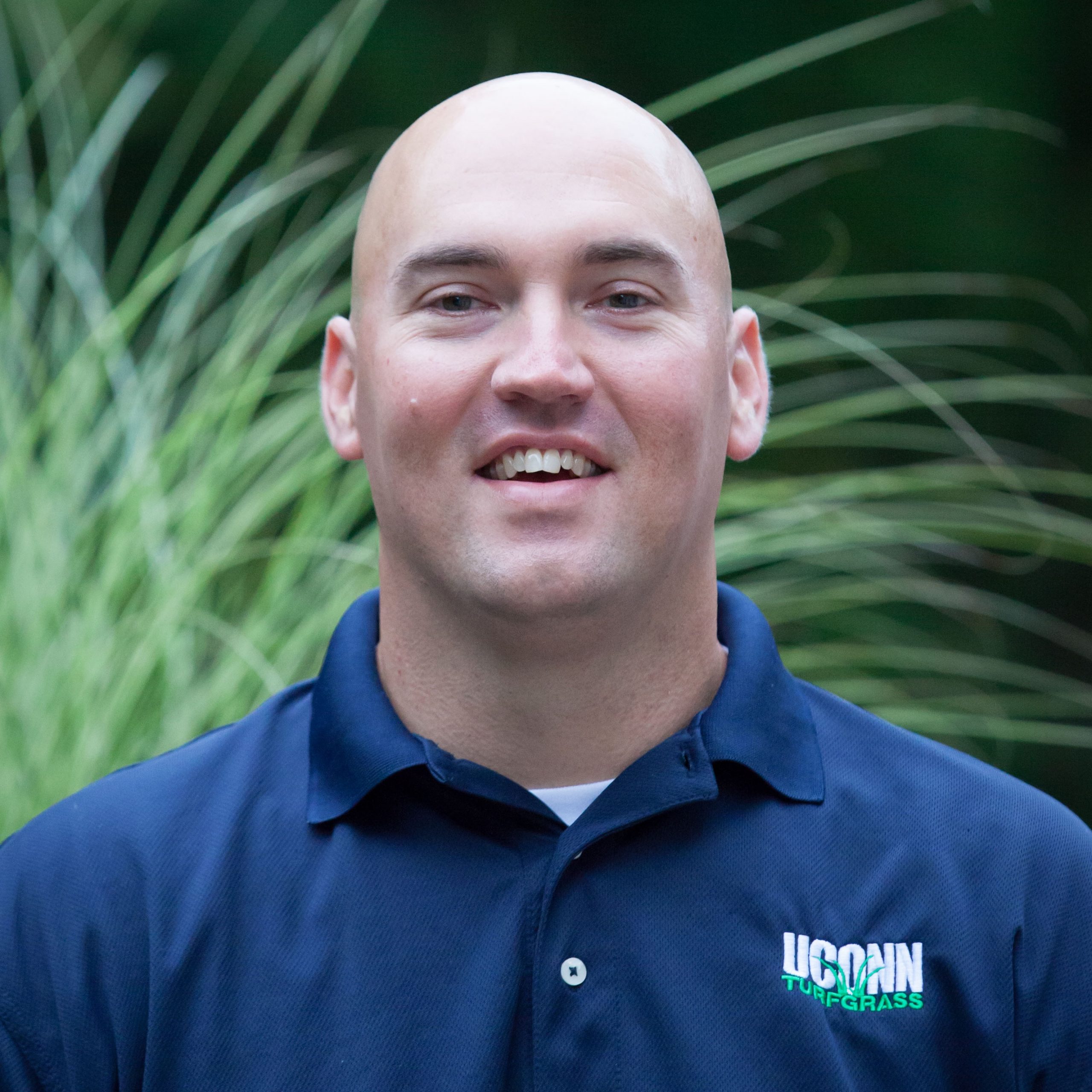
Jason Henderson is a Professor of Soil Science in the Department of Plant Science and Landscape Architecture at the University of Connecticut's College of Agriculture, Health and Natural Resources. His research focuses on developing sustainable turfgrass management practices through innovations in pesticide-free techniques, soil modification, and root zone assessment. Dr. Henderson holds a PhD in Crop and Soil Sciences from Michigan State University. Research Interests: His work encompasses turfgrass establishment optimization, laboratory methods for evaluating root zone constituents, and innovative approaches to enhance turf performance under traffic stress. Current projects investigate organic management systems, soil physical properties, and environmental sustainability in turf settings. Teaching: Dr. Henderson instructs courses including Introduction to Soil Science (SAPL 300), The Great American Lawn (SPSS 1060), and Advanced Turfgrass Management (SPSS 3150).
Martin Carlsson-Wall is a Full Professor at Stockholm School of Economics (SSE) in the Department of Accounting within the House of Governance and Public Policy. He serves as Center Director for both the Center for Municipality Governance and the Center for Security and Resilience. In 2024, he was named "The Linder Chair in Sports and Business," the first Chair at SSE on Sports and Business topics. Since 2017, he has been Program Director for the MSc in Accounting, Valuation and Financial Management, and in 2015, he founded the Center for Sports and Business, which now includes 40 faculty members and has strategic partnerships with major Swedish sports organizations across football, hockey, golf, and skiing. Martin Carlsson-Wall's research focuses on accounting in sports organizations and accounting in inter-organisational relationships across both private and public sectors. His work extensively examines management control systems , particularly in contexts of innovation , growth companies , and risk management . His research often takes a qualitative approach, investigating how accounting practices function in extreme situations (such as the Swedish migrant crisis), high-intensity organizations (like football clubs), and during organizational change processes. Analysis of Professor Carlsson-Wall's recent publications reveals a strong thematic focus on the intersection of accounting practices with sports management and public sector administration. His work demonstrates how management control systems adapt to different organizational contexts, from football clubs to technology firms and public administration during crises. A recurring theme is how accounting practices mediate tensions between different stakeholder interests and how they evolve in response to organizational challenges. His research methodology typically employs in-depth case studies that examine accounting as a social practice rather than merely a technical function. Professor Carlsson-Wall has received significant recognition through his appointment as "The Linder Chair in Sports and Business" in 2024, establishing the first dedicated research position at SSE focusing on the business aspects of sports. As an educator, Professor Carlsson-Wall serves as Program Director for the MSc in Accounting, Valuation and Financial Management and teaches several key courses including BE901 Hybrid Organizations: Value Creation and Strategy at the bachelor's level, and course 3313 Investments and Value Creation in Global Sports (which he directs) and course 3302 Management Control at the master's level. He also supervises master's theses in Accounting and Financial Management. In Executive Education, he teaches on management control, costing, performance management, transfer pricing, investment management, and financial analysis through both open programs and customized corporate offerings. Professor Carlsson-Wall founded and directs the Center for Sports and Business, which has grown to include 40 faculty members and established partnerships with major Swedish sports organizations. He also leads the Center for Municipality Governance and the Center for Security and Resilience, demonstrating his commitment to applying accounting and management control research to practical governance challenges in both public and private sectors.
Alan Bairner is a Professor of Sport and Social Theory at Loughborough University, where he has been since 2013. Previously, he held the same title at the University of Ulster for 25 years. His expertise spans sport nationalism, globalization, and social theory. He leads modules including PSB015 and PSC023, focusing on ideologies, celebrity, and place in sport. Education: MA (Hons) in Politics from the University of Edinburgh, PGCE in History/Modern Studies from Moray House College, and a PhD from the University of Hull. Academic Roles: Past President of Loughborough UCU branch; co-author of seminal works like Sport, Sectarianism and Society in a Divided Ireland and editor of Routledge Handbook of Sport and Politics . His research explores sport in divided societies, nationalism, and cultural identity. Notable studies include Chinese football fandom, global wushu strategies, and the role of sport in postcolonial contexts. He is affiliated with the Edinburgh Critical Studies of Sport group and has contributed to policy debates on sport governance and anti-doping compliance. Bairner’s work critically examines sport’s intersections with politics, identity, and globalization, emphasizing its role in shaping and reflecting societal structures.
Bradley Turner serves as the Director of Online Golf Instruction at Keiser University College of Golf, where he holds an academic position with significant leadership responsibilities. With credentials including an MBA and PGA certification, Turner has established himself as an authority in golf education and instruction methodology. His research interests span multiple dimensions of golf education, including golf instruction techniques, golf course management, golf psychology, technological innovations in golf training, turfgrass management, and the business aspects of the golf industry. Turner has demonstrated particular expertise in the psychological components of golf performance and the application of modern technology to traditional golf instruction. Turner's scholarly output demonstrates consistent engagement with contemporary issues in golf education, with a focus on practical applications for both amateur and professional golfers. His work often addresses the intersection of traditional golf instruction with modern technological advancements, examining how digital tools and platforms can enhance learning outcomes in golf education. Over 165 published articles on golf instruction and education Specialized expertise in online golf instruction methodologies Focus on practical applications for golfers of all skill levels Contributions to golf business and management education As Director of Online Golf Instruction, Turner oversees the development and delivery of golf education programs through digital platforms, adapting traditional golf instruction to modern educational technologies and learning preferences. His work bridges the gap between academic golf education and practical industry applications, making him a significant contributor to contemporary golf pedagogy.
Breffni Noone serves as an Associate Professor in the School of Hospitality Management within Pennsylvania State University's College of Health and Human Development, specializing in revenue management and profit optimization across hospitality assets including hotels, restaurants, golf facilities, and spas. Her work bridges theoretical research with practical industry applications through data-driven decision frameworks. Dr. Noone earned her Ph.D. in Operations Management from Cornell University (2004), an M.B.S. from Dublin City University, Ireland (1996), and a B.Sc. in Management/Higher Diploma in Hotel & Catering Management from University of Dublin, Trinity College and Technological University Dublin, Ireland (1994). Her academic journey reflects deep integration of operations research and hospitality management. Her research centers on revenue management systems, consumer behavior in pricing contexts, and sustainable profit optimization. Key investigations include scarcity-based promotions, menu engineering, online booking psychology, and non-traditional revenue applications in golf. She emphasizes data visualization and operational design to balance profitability with social and environmental responsibility, examining how non-price information shapes consumer decisions across service encounters. Analysis of her 15 most recent publications reveals expanding research scope from core hotel revenue management into crisis resilience, social inclusion, and cross-industry applications. Recent work addresses waiting-time psychology, employment biases against houseless individuals, and AI-driven commercial talent development, demonstrating adaptation to contemporary industry challenges while maintaining methodological rigor in experimental and field studies. No scientific awards were documented in the provided materials, though her consistent publication record in top-tier journals like Journal of Hospitality and Tourism Research and International Journal of Hospitality Management indicates significant scholarly impact. Dr. Noone's grant-funded research focuses on pricing strategy effectiveness, non-price information processing in consumer decisions, service encounter management frameworks, and revenue management decision tools. Her projects generate actionable insights for hospitality operators through empirical analysis of consumer responses to scarcity cues, photograph content, and cultural variables in booking behavior, directly informing industry revenue optimization practices.