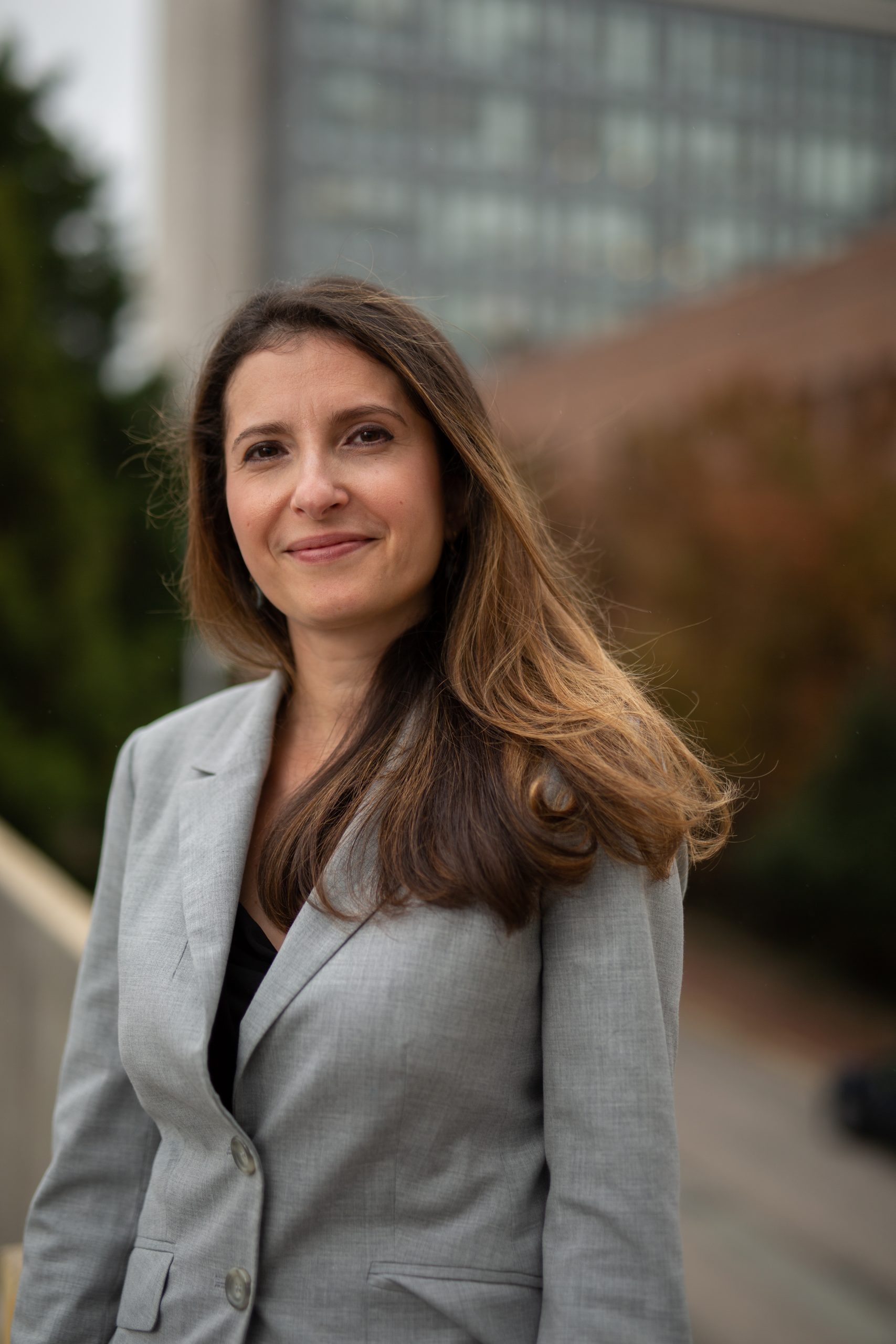
Dmitry Velmeshev is an Assistant Professor in the Departments of Neurobiology and Biomedical Engineering at Duke University. He focuses on understanding human brain development and neurodevelopmental diseases at the single-cell level, particularly autism. His work integrates genomics, proteomics, and molecular biology to dissect genetic programs and neuronal circuitry. Ph.D., University of Miami (2016) Research interests include neurodevelopmental disorders, single-cell genomics, and molecular mechanisms of autism. Recent studies explore SARS-CoV-2 tropism for astrocytes, LRRK2 kinase activity in Parkinson’s disease, and glial roles in neurodegeneration. His lab employs transcriptomic and proteomic approaches to identify phenotypic modifiers in disease models. Selected publications highlight applications of single-cell analysis in autism and multiple sclerosis, proteomic mapping in neurodevelopmental models, and inflammation in neurodegenerative disease. No scientific awards or student advisees are mentioned in the provided text. He teaches courses such as NEUROSCI 494, NEUROSCI 493, NEUROBIO 790S, NEUROBIO 735, CMB 710F, and CMB 710E at Duke University.
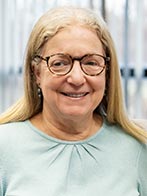
Judith Storch is a Distinguished Professor of Nutritional Sciences at Rutgers University, leading groundbreaking research on intracellular lipid trafficking with direct implications for metabolic diseases including obesity, cardiovascular disorders, and lipid-storage pathologies. Her work focuses on molecular mechanisms of fatty acid-binding proteins (FABP) and Niemann-Pick type C2 protein (NPC2) in cellular lipid transport. Education: Ph.D. in Biochemistry, Columbia University, 1983 Dr. Storch's research program investigates how lipids such as fatty acids and cholesterol are transported within cells, employing transgenic mouse models, patient-derived cells, and advanced biophysical techniques. Her laboratory examines why different cell types express distinct FABP isoforms, how intestinal FABP regulates whole-body energy homeostasis, and NPC2's critical role in cholesterol egress from lysosomes. Current work explores phospholipid-based therapies for Niemann-Pick disease using LBPA enrichment to restore cellular homeostasis. Analysis of her 2018-2021 publications reveals consistent focus on lipid-storage diseases with emphasis on NPC pathology and FABP functions. Key breakthroughs include demonstrating LBPA's therapeutic potential for NPC1 deficiency, establishing RBP2's role in gut signaling and weight regulation, and uncovering metabolic adaptations in FABP-knockout models that confer protection against diet-induced metabolic dysfunction. Scientific Awards: No specific awards documented in source material Dr. Storch directs a multidisciplinary research team utilizing biochemical, biophysical, and molecular approaches to address fundamental questions in lipid metabolism. Her laboratory maintains active collaborations with clinical researchers studying Niemann-Pick disease and develops translational strategies targeting lipid trafficking defects. Current NIH-funded projects investigate phospholipid therapeutics for lysosomal storage disorders and mechanisms linking fatty acid transport to metabolic disease pathogenesis. Her laboratory integrates site-directed mutagenesis, fluorescence spectroscopy, confocal microscopy of Caco-2 intestinal cells, and whole-animal physiology to dissect lipid transport pathways. Ongoing work examines how specific phospholipids modulate NPC protein function and explores FABP isoforms as metabolic regulators in obesity-related pathologies, with therapeutic applications for cardiovascular disease and rare lipid-storage disorders.
Mathilda Mommersteeg is an Associate Professor of Developmental and Regenerative Medicine at the University of Oxford's Department of Physiology, Anatomy & Genetics (DPAG), and Deputy Director of Graduate Studies at St Cross College. She holds a PhD from the University of Amsterdam (2009) and conducted postdoctoral research at University College London (UCL), supported by an EMBO fellowship. Her work focuses on understanding molecular mechanisms underlying heart regeneration and development, particularly using zebrafish and Mexican cavefish models. Key research areas include Slit-Robo signaling pathways, cardiac innervation, and the genetic basis of regenerative success. Her research has identified critical roles for genes like Lrrc10 and Runx1 in heart regeneration, and she has pioneered studies on population-specific differences in regenerative capacity between surface and cave-dwelling Mexican cavefish. Mommersteeg's contributions span developmental cardiology, regenerative biology, and comparative genomics, with a focus on translating findings to improve human cardiac repair strategies. Education: PhD in Developmental Biology, University of Amsterdam (2009) Labs/Groups: Mommersteeg Group (Oxford) Grants/Funding: Supported by the British Heart Foundation (BHF) and other initiatives Her recent work emphasizes the interplay between cardiomyocyte proliferation and fibrotic responses in regeneration failure, with studies revealing how genetic and environmental factors influence repair outcomes.
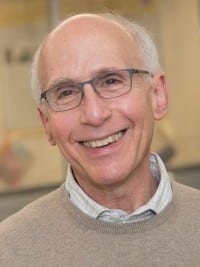
Peter S. Aronson is the C. N. H. Long Professor of Medicine (Nephrology) and Professor of Cellular and Molecular Physiology at Yale School of Medicine. He holds primary appointments in the Department of Internal Medicine and secondary appointments in Cellular & Molecular Physiology and the MD-PhD Program. He has been a faculty member at Yale since 1977 and served as Chief of the Section of Nephrology from 1987 to 2002. Department: Internal Medicine (Nephrology) School: Yale School of Medicine University: Yale University Academic Rank: Professor Email: peter.aronson@yale.edu Dr. Aronson's research focuses on the molecular and physiological mechanisms regulating renal electrolyte transport, particularly sodium, acid-base, and oxalate excretion. His work centers on membrane transporters such as NHE isoforms (Na + -H + exchangers) and SLC26 anion exchangers. He employs approaches including isoform-specific antibody development and genetically modified mouse models to study transporter function in vivo. His investigations into SLC26A6 have elucidated its critical role in oxalate homeostasis and calcium oxalate kidney stone formation. His recent publications (2021–2024) emphasize oxalate metabolism, its systemic effects in dialysis patients, and genetic determinants of transporter function. Themes include the link between elevated oxalate and sudden cardiac death, the role of macrophages in oxalate release, and the physiological modeling of intestinal oxalate transport. These studies span molecular physiology, clinical nephrology, and translational research, reflecting a cohesive trajectory in understanding electrolyte and anion handling in health and disease. Dr. Aronson has received numerous scientific honors, including: Homer W. Smith Award, American Society of Nephrology (1994) Robert W. Berliner Award, American Physiological Society (2016) Walter B. Cannon Award, American Physiological Society (2019) Fellow, American Academy of Arts and Sciences (2009) Fellow, American Association for the Advancement of Science (1996) Young Investigator Award, ASN and AHA (1985) Charles W. Bohmfalk Teaching Prize (2005) Fund for Physician-Scientist Mentorship Award (2023) Dr. Aronson is deeply involved in academic leadership and education. He served as President of the American Society of Nephrology in 2008 and is currently an Associate Director of the Yale M.D.-Ph.D. Program. He has been recognized for excellence in teaching and mentorship, advising numerous students and trainees. His research is conducted in collaboration with a strong network of co-investigators, including Felix Knauf, Tong Wang, and Robert Thomson, and is supported by sustained funding in the field of renal physiology. His laboratory investigates ion transport mechanisms using molecular, cellular, and whole-animal models, with a particular focus on the kidney’s role in systemic electrolyte and acid-base balance. The team combines biochemical, immunological, and genetic techniques to dissect transporter function and regulation.
Diana J. Laird is a principal investigator at the University of California San Francisco (UCSF) Department of Obstetrics and Gynecology. Her research spans epigenetics, developmental biology, stem cell biology, and environmental health, focusing on germ cell potential, environmental influences on reproductive development, and germ cell roles in aging. She is Deputy Director and Pilot Core Director of the P30 Center for Environmental Research and Translation for Health (EaRTH) at UCSF, a federally-funded lab advancing human health through reproductive science. Stanford University, Ph.D. in Biological Sciences (2003) Sloan Kettering Institute, Postdoctoral Research in Developmental Genetics (2007) Her lab investigates: • Equal potential of germ cells to become functional gametes • Environmental impacts (chemicals, stress) on germ cell development • Germ cell roles in ovarian and systemic aging • Transgenerational effects of exposures • Genetic infertility mechanisms (e.g., Fragile X syndrome) • Comparative biology using mouse models, human cells, and naked mole-rats Current research trends include: • 3D imaging of ovarian development • Glucocorticoid signaling in germ cells • Genomic adaptations in naked mole-rats • DNA methylation dynamics in gametogenesis • Cell competition and apoptosis in germ cell quality control Tektronix Scholarship (1990) NSF Predoctoral Fellowship (2002) Jane Coffin Childs Fellow (2008) NIH New Innovator Award (2016) Deleage Prize (2019) Keck Foundation Award (2025) Laird's NIH-funded work includes projects on: • Stress and chemical interactions in germ cell reprogramming • Ovary-based anti-aging approaches • FMR1 gene function in fertility • Transgenerational phthalate effects
Anastasia Khvorova is a Professor and Remondi Family Chair in Biomedical Research at UMass Chan Medical School, holding primary appointments in the RNA Therapeutics Institute within the T.H. Chan School of Medicine. She maintains extensive cross-appointments across the Morningside Graduate School of Biomedical Sciences in departments including Biochemistry and Molecular Biotechnology, Neuroscience, and the RNA Therapeutics and Biology Program. Education: BS in Biology, Moscow State University MS in Molecular Biology, Moscow State University PhD in Biochemistry, Russian Academy of Sciences Professor Khvorova's research focuses on RNA therapeutics development , specializing in oligonucleotide chemistry, siRNA design, and delivery systems for neurological and genetic disorders. Her laboratory pioneers chemically modified self-delivering RNAi compounds targeting Huntington's disease, ALS, and Alzheimer's, with emphasis on overcoming delivery barriers through novel backbone chemistries and conjugate strategies. Current work explores divalent siRNA scaffolds for enhanced CNS penetration and multi-gene modulation. Analysis of her 15 most recent publications reveals dominant themes in siRNA chemical optimization (backbone/ribose modifications), neurological disease targeting (Huntington's, ALS, MECP2 disorders), and delivery innovation (extended nucleic acid backbones, albumin-binding constructs). Key advances include preventing oligonucleotide neurotoxicity via cation formulation and achieving single-dose therapeutic effects in mouse models. Awards and recognition: Rosalind Franklin Society Award for Nucleic Acid Therapeutics (2023) Remondi Family Chair in Biomedical Research Her laboratory actively recruits postdoctoral fellows for projects in RNAi preclinical development, medicinal chemistry, and small RNA trafficking, collaborating with Victor Ambros, Silvia Corvera, and UMASS imaging groups. Current grants support work on Huntington's disease somatic instability, SOD1 silencing for ALS, and MECP2-targeted therapies. The lab emphasizes interdisciplinary training in nucleic acid chemistry, pharmacology, and preclinical development. Professor Khvorova leads a dynamic research team within the RNA Therapeutics Institute, utilizing advanced imaging, mass spectrometry, and in vivo modeling to develop next-generation oligonucleotide therapeutics. Her work bridges fundamental RNA biology with translational applications, particularly for orphan neurological indications with unmet therapeutic needs.
Robert T. Dirksen is a Professor in the Department of Pharmacology and Physiology at the University of Rochester School of Medicine and Dentistry. His research program bridges muscular dystrophies , cardiac disease , and calcium signaling pathophysiology , with specific focus on RYR1-related disorders , mitochondrial dysfunction , and store-operated calcium entry . He leads a multi-disciplinary lab using Dirksen Lab to investigate disease mechanisms and develop novel therapies. Education: Ph.D. in Pharmacology (University of Rochester, 1991) M.S. in Pharmacology (University of Rochester, 1988) B.S. in Biology (University of Notre Dame, 1985) Dr. Dirksen's work reveals how calcium dysregulation drives muscle degeneration through four major themes: excitation-contraction coupling , mitochondrial calcium uptake , store-operated entry systems , and molecular mechanisms of myotonic dystrophy . His 2025 Nature Aging study demonstrated inflammation-induced epigenetic erosion in aged stem cells, while 2024 EMBO Journal work developed ORAI1-based therapeutic models for tubular aggregate myopathy. Scientific Recognition: 2015: Department Chair 2012: Department Vice-Chair 2002: Graduate Student Society Faculty Mentoring Award His lab website highlights collaborations with C. Thornton (myotonic dystrophy), JP Jin (calcium channel regulation), and JJ Dowling (zebrafish models). Current projects include RYR1 disease modeling , SOCE mechanisms , and mitochondrial calcium dynamics in striated muscle.
Simon Waddington is a Professor of Gene Therapy at the University College London (UCL) within the Ega Institute for Women's Health and Faculty of Population Health Sciences . His work bridges gene therapy , maternal-fetal medicine , and genetic disorder research . Research interests focus on translational gene therapy for childhood inherited diseases , particularly neurodegenerative disorders , metabolic conditions , and lysosomal storage diseases . Key areas include viral vector engineering (AAV, lentivirus), placental-targeted therapies , and mitochondrial dysfunction interventions. His 150+ peer-reviewed publications grants exceeding £20M patent filings (x8) highlight achievements in journals like Nature , Science Translational Medicine , and Blood . Articles reveal trends in AAV-mediated gene delivery , preterm birth models , and multi-organ disease targeting . Collaborations span European Research Council , Medical Research Council , LifeArc , and institutions in Singapore, South Africa, and across Europe. He chairs UCL's Cell and Gene Therapy Therapeutic Innovation Network and co-founded Bloomsbury Genetic Therapies .
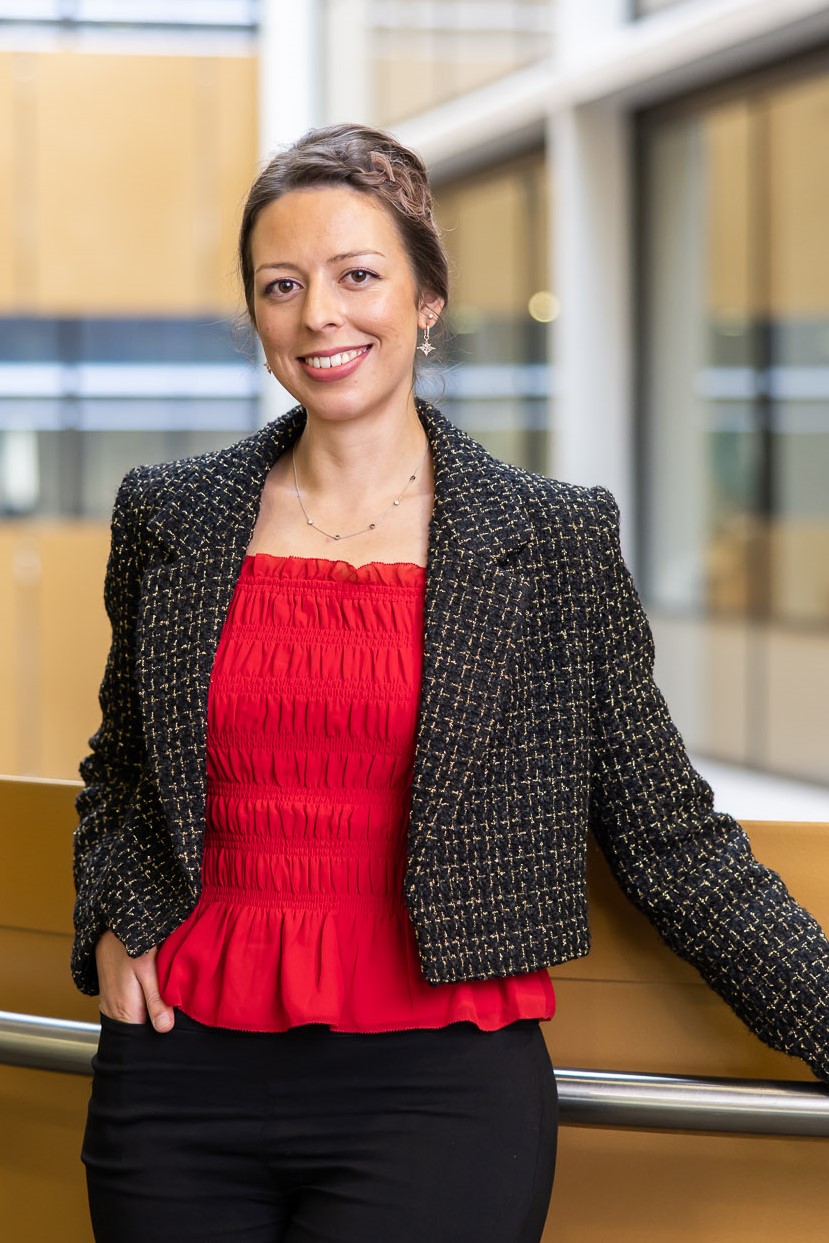
Dr. Krystyna Gieniec is an NHMRC Emerging Leadership Level 1 Fellow at the University of New South Wales, Faculty of Medicine and Health. She conducts her research in the EMBL-Australia Calcium Signalling Laboratory under the mentorship of Dr. Felicity Davis. Her work focuses on mammary gland development and breast cancer biology, with particular emphasis on calcium signaling mechanisms and stromal-epithelial interactions. Dr. Gieniec's research interests center on understanding how epithelium and adjacent stroma interact via calcium-induced signals to promote mammary development at both embryonic and cancerous stages. Her laboratory employs genetically modified animal models and complex 3D cell systems coupled with advanced 3D volumetric microscopy imaging to investigate these processes. Her work bridges developmental biology and cancer research, with implications for understanding tumor microenvironment dynamics and potential therapeutic interventions. Dr. Gieniec has received numerous prestigious awards recognizing her research excellence, including the Nikon Award for best oral presentation, UNSW SBMS Young Researcher of the Year Award, and multiple imaging competition awards for her microscopy work. Her research has been recognized through various scholarship programs throughout her career. Nikon Award for best 10-minute oral presentation (SBMS Research Symposium, 2023) UNSW Faculty of Medicine and Health Values in Action - Diversity Award (team, 2023) UNSW SBMS Young Researcher of the Year Award (2022) Cover image for BBA Molecular Cell Research (2022) Multiple microscopy imaging competition awards (2021-2022) Research Training Program Stipend (2017-2020) Dr. Gieniec has secured significant research funding including the NHMRC Emerging Leadership Level 1 Investigator Grant (2023-2028) as Chief Investigator A. She has also been involved in the 'The Illuminators' virtual microscopy exhibition for UNSW Diversity Fest in both 2021 and 2023, demonstrating her commitment to science communication and diversity in STEM. Her research program combines advanced imaging techniques with developmental biology approaches to unravel complex signaling mechanisms in mammary gland development and breast cancer.
Lee Rubin is Professor of Stem Cell and Regenerative Biology at Harvard University and Co-director of the Harvard Stem Cell Institute Nervous System Disease Program. His research focuses on molecular mediators of neurodegenerative diseases, aiming to identify preclinical therapeutic candidates through translational approaches. Education: Ph.D. in Neuroscience (The Rockefeller University), Postdoctoral Fellowships in Pharmacology (Harvard Medical School) and Neurobiology (Stanford University School of Medicine). Former Industry Role: Chief Scientific Officer at Curis, Inc., where his team pioneered hedgehog signaling pathway regulators leading to Erivedge (metastatic basal cell carcinoma treatment). Research Directions: The Rubin Lab combines patient iPSC models, genetic mouse studies, and high-throughput screening to investigate: Aging brain mechanisms and GDF11's role in neurogenesis Neuromuscular disorders like Spinal Muscular Atrophy (SMA) Small molecule discovery for stem cell regulation Neurovascular interactions in Alzheimer's disease Recent Publications demonstrate expertise in single-cell transcriptomics, circulatory factor effects on CNS aging, and precision medicine approaches for Parkinson's disease. Collaborations span Harvard, Broad Institute, and translational medicine networks. Lab Composition: Includes 15+ active researchers, with dedicated teams for: GDF11 neurovascular effects Motor neuron degeneration modeling High-content screening platforms Brain aging multiomics
Yuliya Pylayeva-Gupta, PhD, is an Associate Professor in the Department of Genetics at the University of North Carolina at Chapel Hill School of Medicine and a member of the UNC Lineberger Comprehensive Cancer Center. She serves as Co-Leader of the UNC Lineberger Immunology Research Program and Associate Director of the Cancer Cell Biology Training Program T32. Her research focuses on understanding how tumors co-opt the immune system, with particular emphasis on pancreatic cancer biology. Dr. Pylayeva-Gupta's research interests center on immunology and pancreatic cancer, specifically investigating how non-cell-autonomous pathways elicited by oncogenic KRas and tumor suppressor p53 modify stromal and immune responses that promote tumorigenesis. She has significant expertise in genetically engineered mouse models of pancreatic cancer and has directed recent efforts toward studying B cells, myeloid cells, and cytokines in cancer progression and metastasis. Her work has important implications for developing novel immunotherapeutic approaches for pancreatic cancer. Her recent publications demonstrate a strong focus on B cell immunology in pancreatic cancer, with key findings regarding interleukin-35's role in immune suppression and potential pathways to overcome barriers to immunotherapy. This research direction represents a promising avenue for developing combination immunotherapies for pancreatic ductal adenocarcinoma, which has proven resistant to current immunotherapeutic approaches. Her scientific achievements have been recognized with numerous awards including: Phillip and Ruth Hettleman Prize for Artistic and Scholarly Achievement (2022) Emerging Leader Award from the Mark Foundation for Cancer Research (2022) V Scholar Plus Award from the V Foundation (2019) Pathway to Leadership Award from AACR and PanCAN (2013) Dr. Pylayeva-Gupta has successfully secured significant research funding including a five-year, $2.69 million NCI grant with Shelley Earp, a three-year, $750,000 Mark Foundation grant, and a $559,799 U.S. Army grant. She leads an active research laboratory with multiple postdoctoral researchers, graduate students, and undergraduate researchers focusing on pancreatic cancer immunology. Her lab is part of the UNC Lineberger Pancreatic Cancer Center of Excellence, which recently received a five-year, $10.9 million NIH SPORE grant.
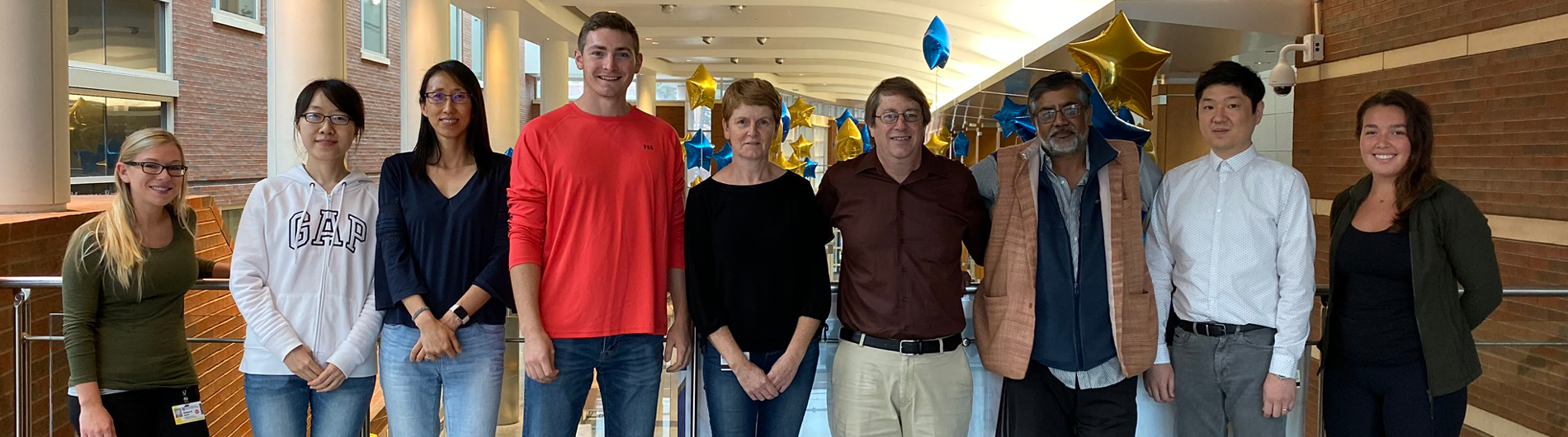
Prabin Dhangada Majhi is a Research Assistant Professor at the University of Massachusetts Amherst, affiliated with the Department of Veterinary and Animal Sciences. He earned his Ph.D. in 2010 from Indian Institute of Technology Bombay, focusing on microbial degradation of environmental pollutants. University: University of Massachusetts Amherst Department: Veterinary and Animal Sciences Academic Rank: Research Assistant Professor His research investigates how xenoestrogens impact genomic integrity and contribute to DNA damage, with a focus on identifying genetic factors that influence breast cancer susceptibility. He utilizes rodent models and human-derived cells to explore strain-specific variations in tumor development and chemical carcinogenesis. Publications highlight his work on estrogen receptor-dependent DNA damage, mucin biology in cancer progression, genetic modifiers in Li-Fraumeni syndrome, and environmental pollutant effects on gene expression. Key methodologies include molecular toxicology, comparative genomics, and mechanistic studies of endocrine disruption. He works in the Jerry Lab, where his studies bridge environmental toxicology and cancer genetics to understand how external factors interact with genomic vulnerabilities to drive malignancy.
Professor Joseph Jerry is affiliated with the University of Massachusetts Amherst in the Department of Veterinary and Animal Sciences . He serves as Science Director at the Pioneer Valley Life Sciences Institute and Co-Director at the Rays of Hope Center for Breast Cancer Research . Education: M.S., Purdue University Ph.D., The Pennsylvania State University Postdoctoral Training: Jackson Laboratory, Baylor College of Medicine Research Interests: Professor Jerry's work focuses on the p53 tumor suppressor gene , its role in breast cancer susceptibility , and the interplay between genetic modifiers and hormonal/environmental factors . His lab investigates: Estrogen receptor signaling in DNA damage and repair Genetic variation in homology-directed repair pathways Impact of endocrine disruptors on mammary gland development Translational studies using primary breast epithelial cells from human cohorts Role of Notch signaling in stem cell population regulation Mechanisms linking parity to reduced cancer risk Article Trends: Recent work emphasizes environmental chemical exposures (phthalates, parabens, benzophenones), their effects on estrogen receptor-dependent pathways , and nanogel-based drug delivery systems. Publications highlight mouse models for studying gene-environment interactions and interindividual variation in responses to carcinogens. Labs & Collaborations: Co-leads the Rays of Hope Breast Research Registry , collecting samples from over 1,000 women. Collaborates with Baystate Medical Center and utilizes rodent models for mechanistic studies.
Colum Walsh is a Professor at Linköping University's Department of Biomedical and Clinical Sciences (BKV), affiliated with The Division of Cell and Neurobiology (CNB) and SciLifeLab Linköping. His research focuses on immunology, epigenetics, mental health, and genetics, with particular emphasis on immune responses to viral infections, epigenetic regulation in development, and mental health epidemiology among student populations. He contributes to national research initiatives like the Precision Omics Initiative Sweden (PROMISE), integrating genomic and clinical data. Key research areas include T cell memory profiling in SARS-CoV-2 patients, epigenetic effects of nutritional interventions during pregnancy, and biomarker discovery for disease severity prediction. His work bridges basic science and clinical applications, addressing topics from cellular senescence mechanisms to the impact of exercise on epigenetic aging markers in muscle tissue. Collaborations involve multidisciplinary teams across Swedish academic institutions. Recent publications highlight contributions to understanding Omicron variant immune dynamics, folic acid's role in neurocognitive development, and miRNA regulation in prostate cancer. While no specific awards are listed, his active research portfolio reflects sustained academic engagement in high-impact areas of biomedical science.
Michel DuPage is an Assistant Professor of Immunology and Molecular Medicine at the University of California, Berkeley, leading the DuPage Lab. His research focuses on understanding regulatory T cells (T regs ) and their role in cancer immunotherapy and autoimmunity. He investigates epigenetic mechanisms, such as EZH2 and histone modifications, to reprogram T regs for therapeutic purposes. His lab pioneers genetically engineered mouse (GEM) models to study tumor-immune interactions, emphasizing tumor-specific neo-antigens and immune tolerance. Research interests include T cell plasticity, chromatin regulation in immune cells, and leveraging genetic tools to dissect tumor immunity. The lab’s work bridges cancer biology, immunology, and epigenetics to enhance anti-tumor immunity while minimizing autoimmune toxicity. Key contributions include identifying EZH2 as a critical regulator of T reg stability and demonstrating the therapeutic potential of targeting this pathway in cancer. Students and lab members include Jesse Garcia Castillo (PhD graduate), Jenna Vickery (MCB graduate student), and Stephen Lin (Biotechnology master’s student). The lab is located in Weill Hall, UC Berkeley, with an office in 441A LSA.