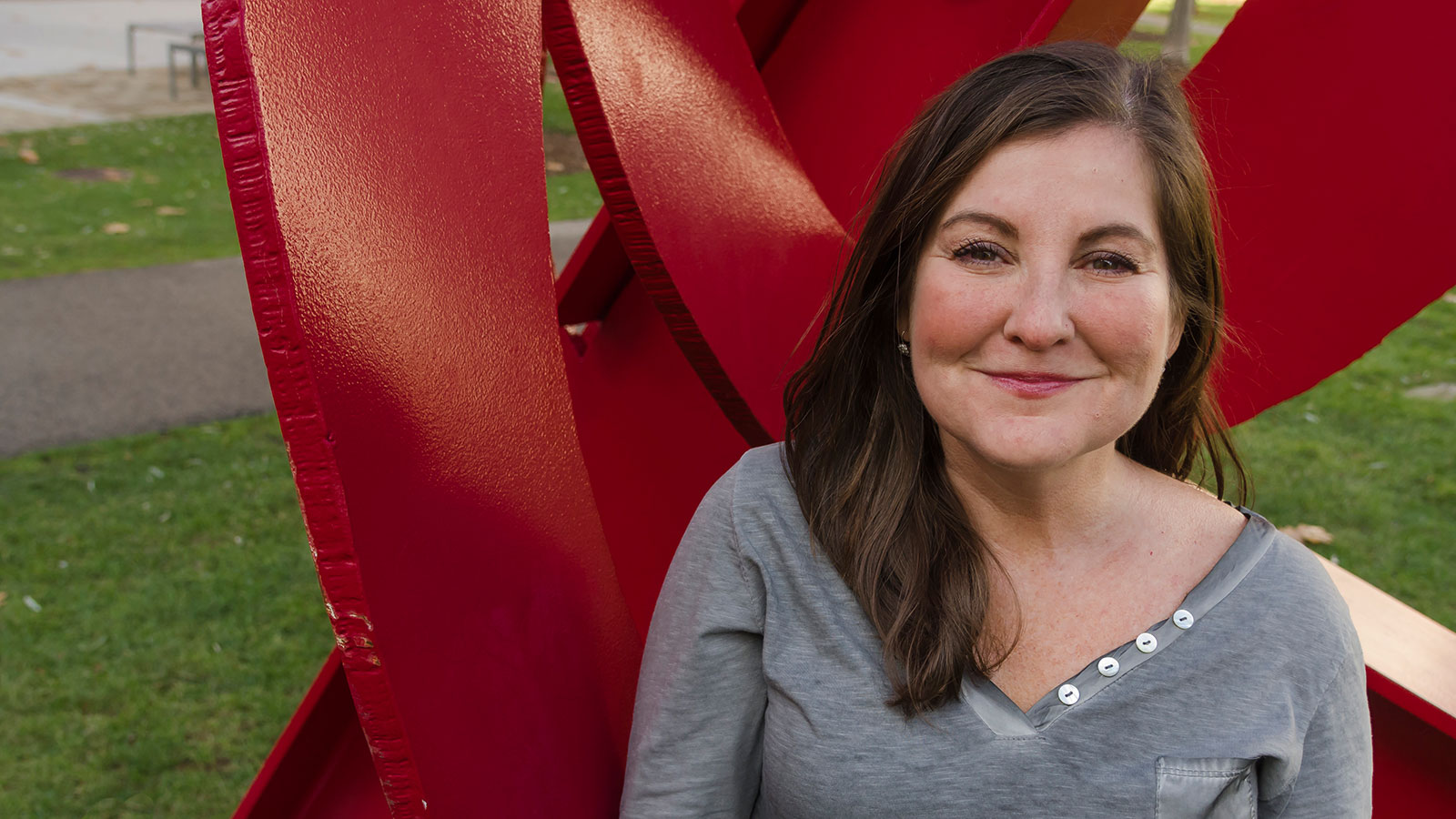
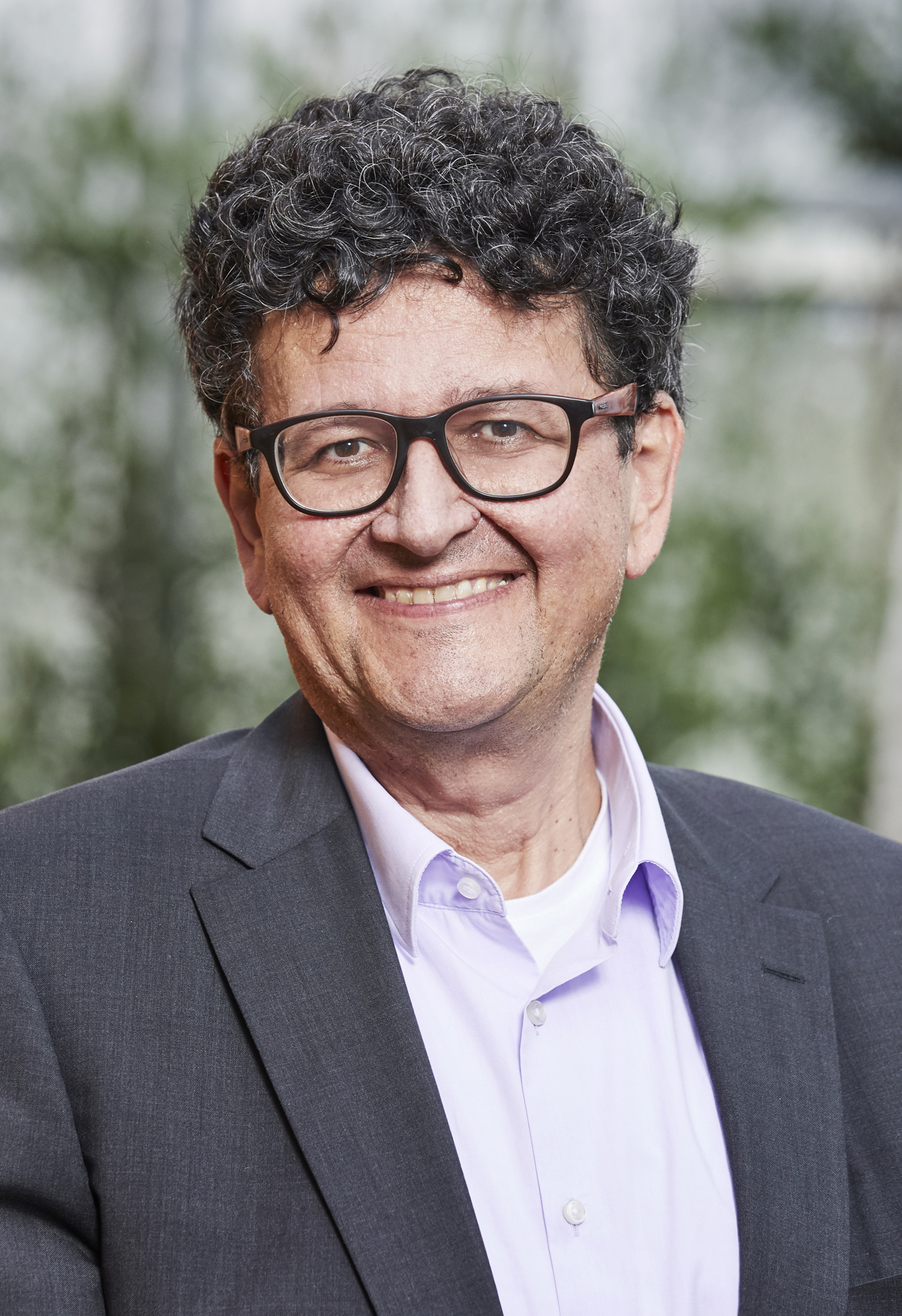
Jill Deutsch, MD is an Assistant Professor of Medicine in the Department of Digestive Diseases at Yale School of Medicine. She serves as Director of the Yale Functional Gastrointestinal Disorders Program, Associate Director of the Digestive Diseases Fellowship Program, and Medical Director of the GI Motility Laboratory. Dr. Deutsch specializes in functional gastrointestinal disorders like irritable bowel syndrome (IBS) and chronic abdominal pain. She holds a Master of Arts in Community Psychology from the University of New Haven (2022) and integrates complementary therapies such as yoga and hypnotherapy into patient care. Her educational background includes residency and chief residency at Rutgers New Jersey Medical School (2016), followed by clinical fellowship at Yale SOM (2020). She has received the Kushlan Award for Excellence in Clinical Care (2020) and led a grant-funded neurogastroenterology curriculum for GI fellows. Dr. Deutsch also contributes to academic publishing in gastrointestinal motility, functional disorders, and patient-provider communication. Her research focuses on improving diagnostic approaches for functional GI disorders and advancing wellness initiatives in medical education. She actively mentors trainees through her roles in fellowship programs and has pioneered resident wellbeing interventions to reduce burnout.
Dr. Ahmet Ayaz is an Associate Research Scientist at Yale School of Medicine's Department of Obstetrics, Gynecology & Reproductive Sciences. His research focuses on male infertility mechanisms, particularly the roles of oxidative stress, proteomics, and environmental factors. He has contributed to multicenter studies on semen analysis standardization and biomarker identification for male infertility. His work spans clinical, translational, and basic science domains, including proteomic signatures of sperm dysfunction and the impact of redox imbalance on fertility. He collaborates with the Fertility Center and other interdisciplinary teams to advance reproductive health research. Research Interests: Dr. Ayaz investigates how oxidative stress and environmental exposures influence sperm biology and male fertility. His studies employ proteomic techniques to identify biomarkers associated with infertility, including varicocele, reactive oxygen species (ROS), and chromatin abnormalities. He also explores the clinical utility of assays like oxidation-reduction potential (ORP) in predicting infertility outcomes and embryo quality. Key Research Trends: Recent articles highlight advancements in understanding sperm protein alterations, epigenetic variations in germ cells, and the societal implications of vasectomy reversal trends. His work bridges basic science (e.g., chromatin bivalency mechanisms) with clinical applications (e.g., standardized semen analysis protocols for toxicology studies). Awards: None explicitly listed in provided materials. Advising & Grants: While formal student advisement details are unreported, his extensive publication record suggests active mentorship in lab settings. Grant funding details are not detailed in the text. Labs/Teams: Collaborates with the Fertility Center and interdisciplinary groups at Yale School of Medicine, focusing on translational research in reproductive medicine.
Junjie Guo is an Associate Professor of Neuroscience at Yale School of Medicine, leading the Guo Lab focused on RNA biology and neurological mechanisms. He holds affiliations with the Interdepartmental Neuroscience Program, Center for RNA Science and Medicine, and Wu Tsai Institute. Education : B.A. in Biology (Peking University, 2006), Ph.D. in Neuroscience (Johns Hopkins University, 2011), Postdoctoral Fellow at Whitehead Institute/MIT (2017). Research Interests : Investigates RNA dysregulation in neurodegenerative diseases (e.g., ALS/FTD), noncanonical mRNA translation in neuronal development, and spatial/temporal regulation of neuronal mRNA transport and local translation. Utilizes genomic, molecular, and computational approaches in stem cells, neuronal models, and mouse models. Recent Article Trends : Focuses on SARS-CoV-2 replication mechanisms, RNA structural biology (e.g., G-quadruplexes and tandem repeats), and translational control pathways. Highlights include CRISPR-based screens for viral dependency factors and discovery of alternative translation initiation roles in synaptic organizers. Awards : McKnight Neurobiology of Brain Disorders Award (2023), NYSCF-Robertson Neuroscience Investigator (2021), NIH New Innovator Award (2018), and multiple fellowships from the Klingenstein-Simons and Damon Runyon Foundations. Advising & Grants : Mentors postdocs (e.g., Zhen Lei), graduate students (e.g., Ata Isiktas), and others. Leads NIH-funded projects on RNA biology and neurological disorders. Collaborates with researchers like Marina Picciotto and Craig Wilen. Labs/Teams : Directs the Guo Lab, part of the Yale Neuroscience community. Engages in interdisciplinary initiatives through the Wu Tsai Institute and Center for RNA Science and Medicine.
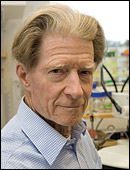
John Gurdon is a renowned British developmental biologist affiliated with the University of Cambridge , where he has served in the Department of Zoology since 1983. His career spans groundbreaking work in nuclear transplantation and cloning, and he co-founded the Gurdon Institute (formerly Wellcome/Cancer Research UK Institute for Cell Biology and Cancer) in 1989, serving as its Chair. Gurdon was previously a Professor of Cell Biology at the MRC Laboratory of Molecular Biology (1971-1983) and held positions at the University of Oxford (1962-1971) and Caltech (postdoctoral fellow). Research Interests : Gurdon's work focuses on nuclear reprogramming , developmental biology , and cloning , particularly how somatic cell nuclei can be reprogrammed by egg cytoplasm. His studies on Xenopus hybrids and histone variants like macroH2A have elucidated genetic and epigenetic factors that govern cellular differentiation and pluripotency. Recent publications highlight mechanisms of transcriptional reprogramming and epigenetic barriers in somatic cells. Scientific Awards : Fellow of the Royal Society (1971) William Bate Hardy Prize (1984) Royal Medal (1985) International Prize for Biology (1987) Wolf Prize in Medicine (1989) Knighted (1995) Edwin Grant Conklin Medal (2001) Institute renamed in his honor (2004) Albert Lasker Basic Medical Research Award (2009) Nobel Prize for Physiology or Medicine (2012) Golden Plate Award (2017) Labs & Teams : Gurdon leads research at the Gurdon Institute , a multidisciplinary hub for cell and developmental biology. His work has influenced global stem cell research and regenerative medicine initiatives.
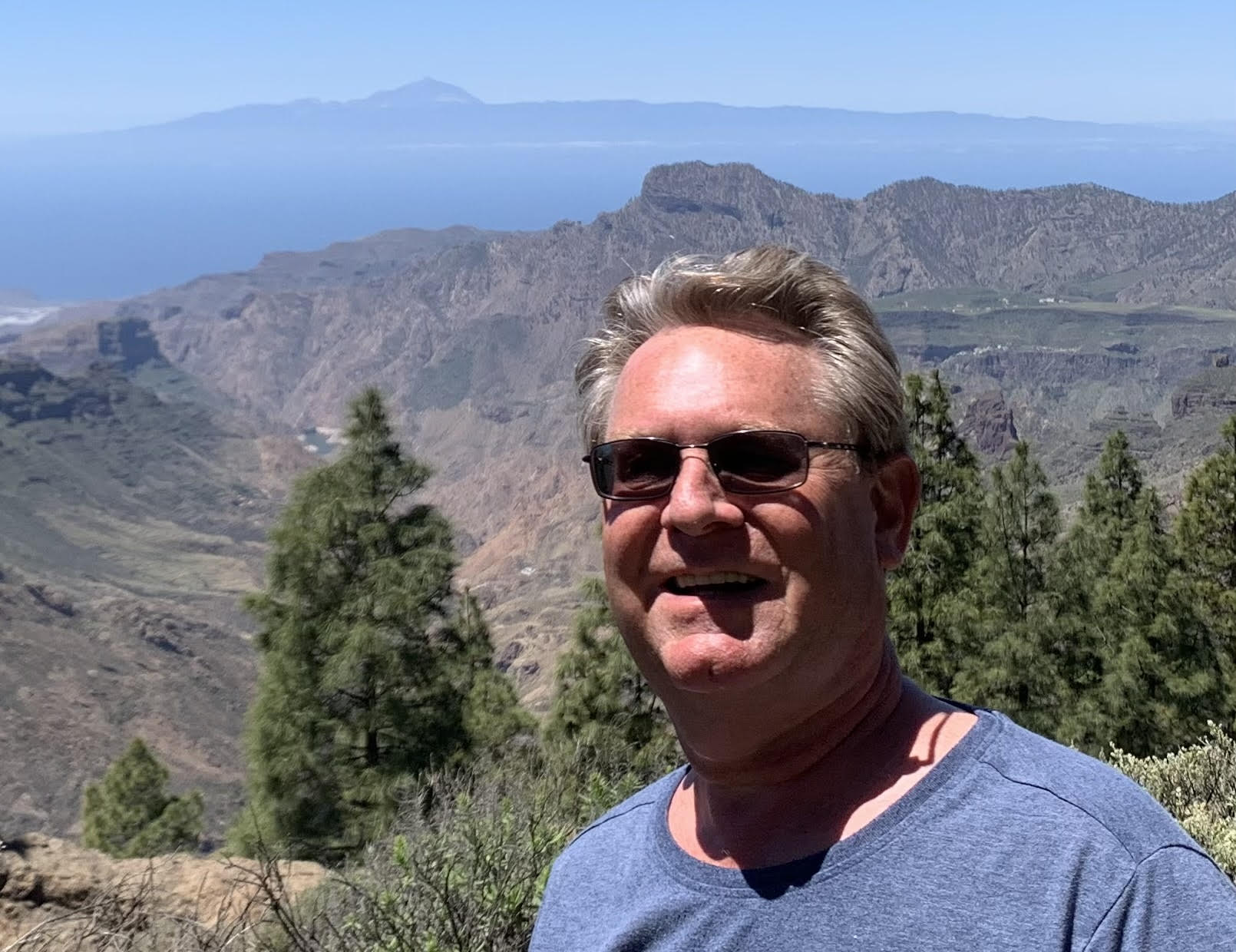
Oscar Kuipers is a Full Professor and Head of the Department of Molecular Genetics at the Groningen Biomolecular Sciences and Biotechnology Institute, University of Groningen, the Netherlands, a position he has held since 1999. He is an internationally recognized leader in antimicrobials, bacterial cell biology, synthetic biology, and bacterial gene regulation. Kuipers also serves as founder and CSO of Omnicin Therapeutics, a company he established in 2019 to develop novel antibiotics for clinical use. Dr. Kuipers earned his PhD in Biochemistry from Utrecht University with research on "Probing the mechanism of pancreatic phospholipase A2 by protein engineering." His early career included positions at NIZO Food Research (1990-1999), where he served as Head of Genetics from 1997-1999, and an EMBO Fellowship in Paris Orsay in 1988. Kuipers' research focuses on several interconnected areas that have significantly advanced our understanding of bacterial systems and antimicrobial development. He is a world-leading expert on lantibiotics (modified antimicrobial peptides produced by bacteria), having unraveled the biosynthesis route of nisin and discovered that nisin induces its own expression through bacterial cell-to-cell signaling. His pioneering work on phenotypic heterogeneity at the single-cell level revealed that differentiation in bacterial cultures is omnipresent and has important implications for bacterial behavior. More recently, Kuipers has developed a synthetic biology suite to mimic non-ribosomally produced peptide antibiotics (NRPS) with ribosomally produced and posttranslationally modified peptides (RiPPs), with applications for developing novel antimicrobials for pharmaceutical use. His publication record demonstrates consistent leadership in antimicrobial research, with particular emphasis on lantibiotics, peptide engineering, and bacterial population dynamics. The research trajectory shows an evolution from fundamental biochemical studies to applied pharmaceutical development, with recent work focusing on overcoming antibiotic resistance through innovative approaches like synthetic helper peptides and hybrid lanthipeptides. Dr. Kuipers has received numerous prestigious honors and awards throughout his career: Chairman of jury to appoint new members to Royal Netherlands Academy of Arts and Sciences (KNAW) (2021) Royal decoration of Knight in the Order of the Dutch Lion by King Willem Alexander (2019) Honorary Professor at Nankai University, China (2019) ISI Thomson Reuters Highly Cited Researcher (2016) Elected Executive Board Member, European Academy of Microbiology (EAM) (2015) Elected Member, European Academy of Microbiology (EAM) (2013) iGEM Team Groningen: European and World Champion 2012 Synthetic Biology (2012) Elected Member, Royal Netherlands Academy of Arts and Sciences (KNAW) (2011) Simon Stevin Meester Award (Science and Technology Award of STW, Dutch Science Council) €500,000 (2011) As supervisor and coordinator of the iGEM team Groningen from 2008-2015, Kuipers mentored numerous students in synthetic biology competitions. His research has been supported by significant funding, including the Simon Stevin Meester Award of €500,000. His work has resulted in an impressive publication record with an h-factor of 113 (Google Scholar) and over 50,000 citations. Kuipers leads research at the Groningen Biomolecular Sciences and Biotechnology Institute, where his group focuses on developing novel antimicrobials for pharmaceutical applications. His recent work has centered on using lantibiotics as templates for new antibiotic development, with his synthetic biology suite enabling the creation of ribosomally produced and posttranslationally modified peptides (RiPPs) as alternatives to non-ribosomally produced peptide antibiotics (NRPS). In 2019, he translated this research into practical applications by founding Omnicin Therapeutics to develop novel antibiotics for clinical use.
Hugues de Thé is a French physician-scientist holding the Professor position at Collège de France since 2014. He has been an Attending Physician at St. Louis Hospital in Paris since 1995 and led a CNRS/University of Paris VII Research Unit at the same hospital until 2019. His academic career spans prestigious roles at University of Paris (1991-2014) and leadership positions in scientific advisory boards, including the Bettencourt Schuller Foundation. MD (1989) and PhD (1990) from Parisian universities Expertise in leukemia, PML, SUMO, and targeted therapies His research fundamentally advanced understanding of acute promyelocytic leukemia (APL) pathogenesis and treatment. By elucidating mechanisms of retinoic acid receptor alpha (RARα) fusion proteins and PML nuclear bodies , he pioneered combination therapies using retinoic acid and arsenic , revolutionizing APL treatment. His work on protein degradation pathways informs modern targeted cancer therapies. Scientific Awards : Advanced Grant, European Research Council (2024) Sjöberg Prize, Swedish Royal Academy of Sciences (2018) French Legion of Honour (2010) Member, French Academy of Science (2011) He advises institutions like INSERM and ARC, and his grants include multiple ERC grants and international collaborations. His laboratory studies integrate mouse models , proteomics , and molecular oncology to uncover cancer mechanisms.
Andrew J. Henderson is a Professor at the Boston University Chobanian & Avedisian School of Medicine, holding roles as Assistant Dean of Graduate Medical Sciences and Co-Director of the BU PREP post-bac program. His primary research focuses on cellular mechanisms regulating HIV replication and transcription, with emphasis on T cell signaling, latency, and inflammatory processes. He earned his B.S., M.S., and Ph.D. in Microbiology from the University of California, Riverside. Research Interests: Dr. Henderson investigates how T cell signals and transcriptional machinery control HIV expression, particularly mechanisms underlying latency and viral persistence. His lab explores pathways involving CD28 costimulation, RNA polymerase II elongation, and chromatin modifications. These studies provide insights into broader topics like signal transduction, immune dysfunction, and inflammatory disorders. Key Contributions: His work includes identifying transcriptional checkpoints (e.g., NELF and Pcf11 factors), characterizing opioid use’s impact on HIV reservoirs, and developing CRISPR-based tools for HIV repression. He has also contributed to training programs in Liberia and Uganda through initiatives like the BU-UL Partnership and Fogarty grants. Awards: Notable recognitions include the Boston SciCafe Award, NIH study section leadership, and postdoctoral fellowships from the Leukemia Society of America and Aaron Diamond Foundation. Grants & Labs: Active grants include NIH-funded investigations into HIV latency, opioid effects on reservoirs, and global health partnerships (e.g., BULEEVR in Liberia). His lab collaborates with institutions like the Providence/Boston CFAR and the BU CTSI.
Laurie A. Boyer is a Professor of Biology and Biological Engineering at the Massachusetts Institute of Technology (MIT), affiliated with the Koch Biology Building. She serves as Co-Undergraduate Officer and leads research on gene regulatory mechanisms in heart development and regeneration using embryonic stem cells and mouse models. Her work integrates genomic, genetic, biochemical, and cell biological approaches to understand chromatin dynamics and lineage commitment, with applications in cardiac tissue engineering and regeneration. Education: PhD, 2001, University of Massachusetts Medical School BS, 1990, Biomedical Science, Framingham State University Research Interests: Dr. Boyer’s research focuses on the interplay between chromatin remodeling, epigenetic regulation, and transcriptional networks that drive heart development. She investigates how ATP-dependent chromatin remodelers influence lineage specification and explores methods to stimulate cardiac regeneration. Her lab combines advanced genomic techniques with tissue engineering to model 3D cardiac architecture, aiming to uncover regulatory circuits underlying normal and diseased heart development. Publications: Her recent work includes breakthroughs in high-throughput expansion microscopy for scalable super-resolution imaging, metabolic modulation of mesenchymal stem cells for cartilage repair, and the role of long noncoding RNAs like Braveheart in cardiovascular lineage commitment. These studies span molecular mechanisms of chromatin dynamics to translational applications in regenerative medicine. Awards & Honors: Pew Scholars Award in the Biomedical Sciences (2008) Smith Family Award for Excellence in Biomedical Science (2009) Scientific American World’s 50 Top Leaders in Research (2006) Irvin and Helen Sizer Career Development Award (2012) Grants & Collaborations: Dr. Boyer oversees grants from organizations like the NIH and American Heart Association. She collaborates with teams on interdisciplinary projects, including tissue engineering and stem cell therapies. Her lab also develops innovative microscopy techniques to advance cellular imaging scalability. Labs & Teams: Her laboratory at MIT’s Koch Institute integrates computational biology, bioengineering, and molecular biology. The lab focuses on translating fundamental discoveries into clinical applications for heart disease and regeneration.
Natalie Hold is a Lecturer in Sustainable Marine at the School of Ocean Sciences, Bangor University. Her research focuses on sustainable fisheries management, population genetics of marine species, and collaborative approaches with fishing industries. She holds expertise in fisheries science, ecosystem-based management, and gear technology innovation. Educations: MSc in Marine Environmental Protection, Bangor University (2008) PhD in Marine Biology (2012), focusing on scallop fisheries connectivity Research Interests: Marine resource management Crustacean population dynamics Impact of fishing gear on ecosystems Technological innovations for fisheries data collection Her work emphasizes stakeholder collaboration, evidenced by projects like the EMFF-funded Fisher-Scientist collaboration (£1.2m) and the Bass and Ray Ecology in Liverpool Bay initiative (£86K). She contributes to ICES working groups on crustaceans and scallops. Recent publications highlight advancements in gear selectivity, automated data capture, and ecological modeling of fisheries resources. Natalie actively engages with policy frameworks to translate research into actionable management strategies. Key Projects: EMFF Sustainable Fisheries in Wales (Project Manager) Video and Electronic Fisheries Data Collection (£140K grant) Bass and Ray Ecology in Liverpool Bay (£86K grant) She is affiliated with UK management groups for whelk and lobster fisheries, balancing scientific rigor with industry needs to ensure sustainable marine practices.
Alexandra Bergfort is a Research Fellow in the Neugebauer Lab at the Yale School of Medicine, Yale University. She holds a PhD in Biochemistry from Freie Universität Berlin (2020). Her research focuses on RNA processing mechanisms, particularly the interplay between RNA splicing, polyadenylation, and protein interactions in gene expression regulation. Education: PhD in Biochemistry, Freie Universität Berlin, 2020 Research Interests: Bergfort investigates molecular processes governing RNA maturation, including alternative polyadenylation site selection, spliceosome dynamics, and the role of intrinsically disordered proteins in snRNP assembly. Her work integrates biochemistry and molecular genetics to elucidate how these mechanisms impact cellular function and disease pathogenesis. Recent Work Trends: Recent publications emphasize protein-RNA interactions (e.g., TSSC4's role as a helicase inhibitor) and the regulatory roles of spliceosome components like BRR2 in diseases linked to alternative splicing defects, such as neurodegenerative disorders. Lab Affiliation: Neugebauer Lab, focused on RNA biology and gene expression regulation.
Shari Damast, MD is a Professor of Therapeutic Radiology at Yale School of Medicine, serving as Vice Chair for Brachytherapy and Chief of the Gynecologic Radiotherapy Program. She specializes in radiation oncology for gynecologic malignancies, including cervical, uterine, and vulvar cancers, with a focus on brachytherapy and improving patient quality of life. Her work integrates modern techniques like image-guided radiation and addresses sexual health concerns post-treatment. Education & Training: Residency in Radiation Oncology: Memorial Sloan Kettering Cancer Center (2011) Internship in Internal Medicine: Beth Israel Medical Center (2007) MD: Weill Cornell Medical College (2006) BS: Yale University (2002) Research Interests: Dr. Damast’s research emphasizes optimizing brachytherapy techniques, studying prognostic factors in endometrial and cervical cancers, and mitigating treatment side effects. Key topics include MLH1 promoter hypermethylation’s role in endometrial cancer outcomes, vaginal stenosis prevention, and patient-centered care innovations. Publications Overview: Her 15 most recent articles (2022–2024) focus on brachytherapy techniques, radiation dosimetry, genetic biomarkers in cancer prognosis, and clinical guidelines for vulvar and cervical cancers. They reflect a blend of translational and clinical research aimed at enhancing treatment efficacy and patient experience. Awards & Recognition: Yale Cancer Center Award for Clinical Excellence (2021) ARRO Educator of the Year Award (2019–2020) YNHH/Smilow Cancer Hospital Luminary Award of Excellence (2019) ABR Volunteer Service Award (2019) Grants & Mentorship: Dr. Damast collaborates on multidisciplinary teams and leads initiatives to advance brachytherapy education. She mentors residents and fellows in radiation oncology, emphasizing patient-centered care and innovative techniques. Labs & Affiliations: She contributes to the Yale Cancer Center and directs the Gynecologic Radiotherapy Program, fostering a collaborative environment for clinical and translational research.
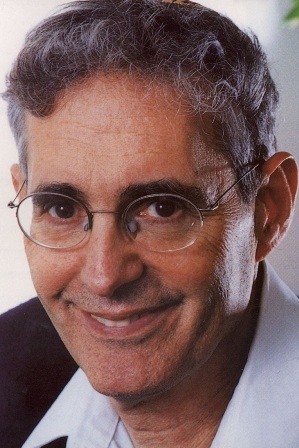
Prof. Cedar Howard is a distinguished Professor of Molecular Biology at the Hebrew University Medical School. His career spans decades of groundbreaking research in DNA methylation, gene regulation, and epigenetics, with significant contributions to understanding chromatin structure and transcriptional repression. Research Focus: His work primarily explores DNA methylation mechanisms Epigenetic gene silencing Chromatin dynamics CpG island regulation Transcriptional control Cancer epigenetics Scientific Contributions: His research on methylation patterns in higher organisms, transcriptional repression, and Polycomb-mediated epigenetic marks has shaped modern molecular biology. Notable publications include studies on DNA methylation inheritance, chromatin accessibility, and cancer-related methylation changes. Awards & Honors: Wolf Prize in Medicine (2008) Israel Prize in Biology (1999) Gairdner International Award (2011) Emet Prize in Medicine (2009) Member, Israel Academy of Sciences (2003)
Holger Puchta is Full Professor of Plant Molecular Biology and Director of the Joseph Gottlieb Kölreuter Institute for Plant Sciences at Karlsruhe Institute of Technology (KIT), Germany, positions he has held since 2002 and 2004 respectively. Previously, he served as Group Leader at the Leibniz Institute of Plant Genetics (IPK) in Gatersleben (1995-2002) and Research Fellow at the Friedrich Miescher Institute in Basel (1989-1995). Education: Biochemistry studies at University of Tübingen PhD at Max-Planck Institute for Biochemistry, Munich (1986-1989) on viroids Habilitation in Genetics at University of Halle (2000) Research Focus: Professor Puchta pioneered plant genome engineering by first demonstrating site-specific nucleases for controlled genomic modifications. His laboratory elucidated fundamental DNA repair pathways in Arabidopsis and led the adoption of CRISPR/Cas technology for plants, recently achieving the world's first CRISPR-mediated plant chromosome engineering. His work bridges molecular biology and agricultural innovation through precision genome editing. Scientific Recognition: German National Academy of Sciences Leopoldina membership (2024) Consecutive Web of Science Highly Cited Researcher (2020-2023) Falling Walls Breakthrough of the Year in Life Sciences (2020) Two ERC Advanced Grants (RECBREED 2011-2016, CRISBREED 2017-2022) Reinhard Kosseleck Excellence Grant (2023-2028) "Pioneer of Plant Biotechnology" award (2016) Public Engagement: Following the EU court ruling classifying gene-edited plants as GMOs, Puchta actively advocates for novel breeding technologies through media interviews, public lectures, and direct engagement with EU policymakers, ministers, and legislators to promote evidence-based agricultural regulations.
Pawel Swietach is Professor of Physiology at the University of Oxford, Head of the Proton Transport Group (DPAG), and Handa Tutorial Fellow at Corpus Christi College. His work bridges cardiac physiology , cancer pH biology , and blood oxygen transport , with a focus on acid-base regulation and its therapeutic implications. PhD in Physiology (Oxford, 2004) First Class BA in Physiological Sciences (Oxford, 2001) His research uncovers how pH gradients govern cell function in heart and cancer, including: Proton-calcium crosstalk in cardiomyocytes Metabolic adaptation to acidosis in tumors Biochemical control of oxygen release in stored blood His 15 most recent publications (2020-2025) span Nature Reviews Cancer , Nature Cardiovascular Research , and Cell Reports , focusing on acid-driven oncogenesis, histone modifications from propionate metabolism, and novel methods for imaging oxygen transport. Key findings include tumor-stroma acid exchange via gap junctions and nuclear pH's role in cardiac gene expression. Honors include: ERC Consolidator Grant (2017) Royal Society University Research Fellowship (2008-2016) CRUK-U.S. Fulbright Scholar (2018) Academia Europaea membership (2024) He leads cross-disciplinary projects funded by British Heart Foundation, ERC, MRC, and industry partners, translating pH biology into clinical tools like FlowScore for blood storage quality assessment.
Dr. Anna Khusnutdinova is a Research Fellow in Enzymology at the School of Environmental and Natural Sciences, Bangor University. Her work focuses on enzyme engineering, microbial biotechnology, and synthetic biology, with applications in biocatalysis, plastic recycling, and biofuel production. Institution : Bangor University Academic Rank : Research Fellow Research Pillars : Enzymology, Protein Engineering, Metabolic Engineering Key research themes include: Thermostable Enzymes : Structural analysis of GH12 glycosidases and GH1 β-glucosidases from extremophiles. Biocatalytic Systems : Development of cell-free protein synthesis platforms using PLA plastics and CO2. Polymer Degradation : Characterization of family IV carboxylesterases for polyester and lignin breakdown. Cofactor Regeneration : Innovations in FMN prenylation and S-adenosylmethionine synthesis. Hydrogenase Mechanisms : Studies on HydSL hydrogenase structure and function in Thiocapsa bacteria. Her publications span journals like ACS Catalysis , Journal of Hazardous Materials , and FEBS Journal , reflecting collaborations with international teams across structural biology, industrial biotechnology, and environmental applications.