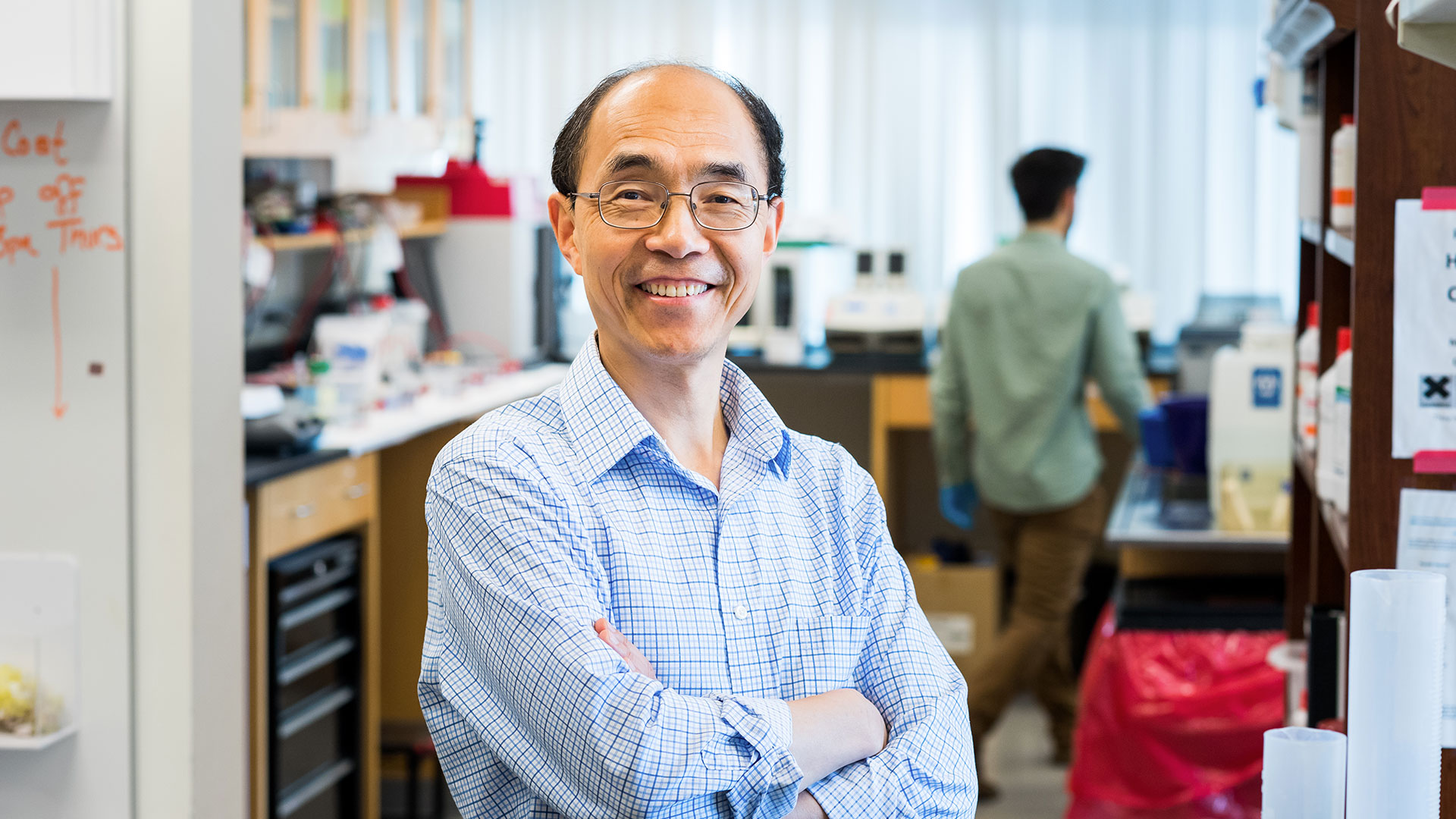
Richard I. Dorsky, PhD, is a Professor in the Department of Neurobiology at the University of Utah School of Medicine. His research focuses on the role of Wnt signaling in central nervous system neurogenesis and regeneration, particularly in the spinal cord and hypothalamus. He uses zebrafish models to study developmental mechanisms, injury response, and behavioral integration of regenerated neurons. University of Utah School of Medicine: Current faculty member Education: Postdoctoral Fellowship, University of Washington PhD, UC San Diego BA, UC Berkeley Research Interests: Dr. Dorsky investigates: Wnt/Tcf signaling in spinal cord development and regeneration Molecular targets of Tcf proteins in CNS progenitors Postembryonic hypothalamic neurogenesis and its role in feeding behavior Publications highlight his work on zebrafish models to understand: Spinal cord injury recovery Wnt-dependent hypothalamic neuron integration Transcriptional regulation in neural progenitor maintenance Labs & Teams: The Dorsky Lab explores these questions using transgenic approaches and molecular genetics in zebrafish. Collaborations include developmental biologists, neuroscientists, and regeneration experts.
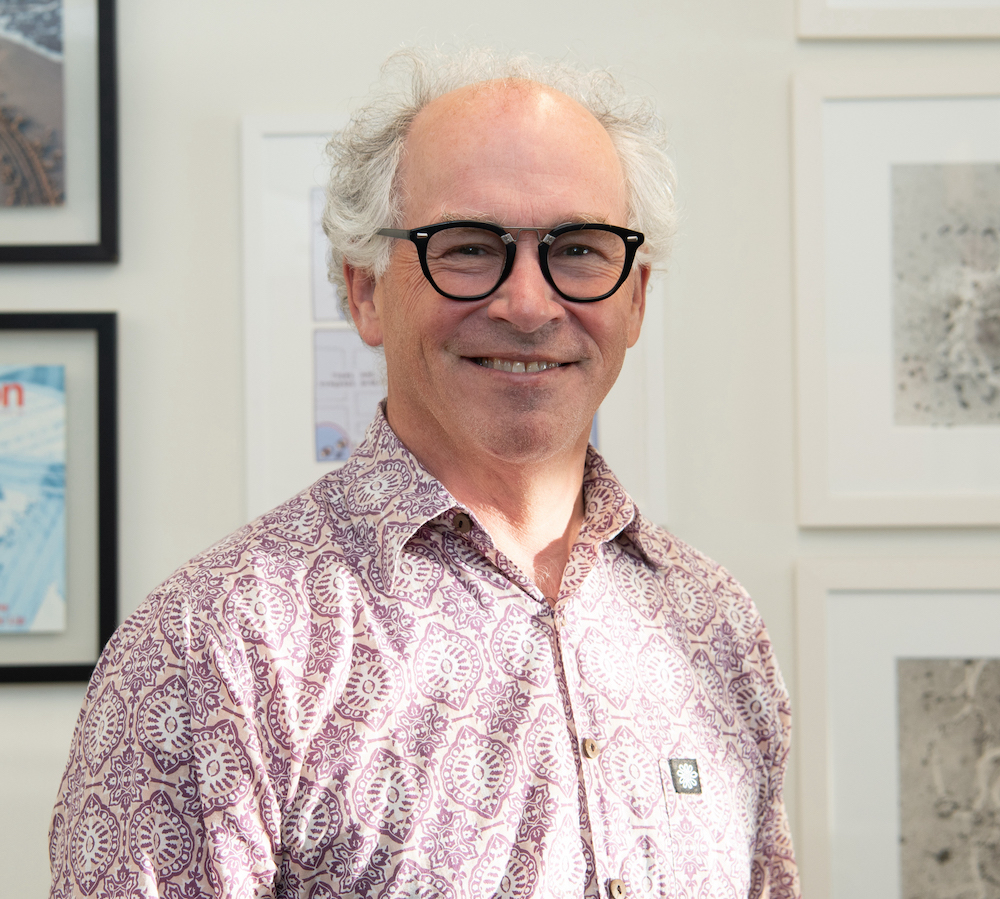
Guoping Feng is the James W. Poitras Professor of Brain and Cognitive Sciences at MIT and Associate Director of the McGovern Institute for Brain Research. He leads the Hock E. Tan and K. Lisa Yang Center for Autism Research and directs the Model Systems and Neurobiology group at the Stanley Center for Psychiatric Research. His work focuses on synaptic mechanisms underlying neurodevelopmental and psychiatric disorders, including autism and schizophrenia, using molecular genetics and electrophysiological methods. Research Interests: Synaptic function, neurocircuit development, psychiatric disorders, gene therapy, and non-human primate models (e.g., marmosets). Active projects include mapping cellular diversity in the brain and developing genetic tools for neuroscience. Key Achievements: Pioneered gene-based therapy for SHANK3-related autism, demonstrating reversal of symptoms in animal models. His lab has advanced CRISPR-based technologies and studies thalamic circuitry in Parkinson’s and schizophrenia. Affiliations: Broad Institute of MIT and Harvard, Simons Center for the Social Brain, and McGovern Institute for Brain Research. The lab emphasizes diversity and inclusion, fostering a collaborative environment.
Jeff Johnston is a Lecturer at the University of California, Irvine's School of Education. He specializes in ethics, physical education, and coaching sports, with a focus on integrating moral frameworks into educational contexts and developing practical coaching methodologies. M.S. in Sports Administration from University of Illinois M.A. in Social and Religious Ethics from USC His research interests center on ethical decision-making in education , K-12 moral development , and coaching practices across age groups . While his Google Scholar publications appear to focus on neuroscience and biomedical research—spanning topics like Alzheimer's disease, sickle cell pain mechanisms, and single-cell transcriptomics—these may represent interdisciplinary collaborations or unrelated entries, as no direct connection is established in his formal bio. Recent publications include studies on neuromodulatory effects of social isolation, neuroimmune activity in chronic disease, and computational methods for analyzing neuronal calcium signals. These articles suggest a secondary focus on neurobiology and computational health research , though this is not explicitly mentioned in his faculty profile. As faculty advisor for the Education Theme House, Johnston contributes to student mentorship and community engagement. His contact details include the email jmjohnst@uci.edu and office phone (949) 824-6442.
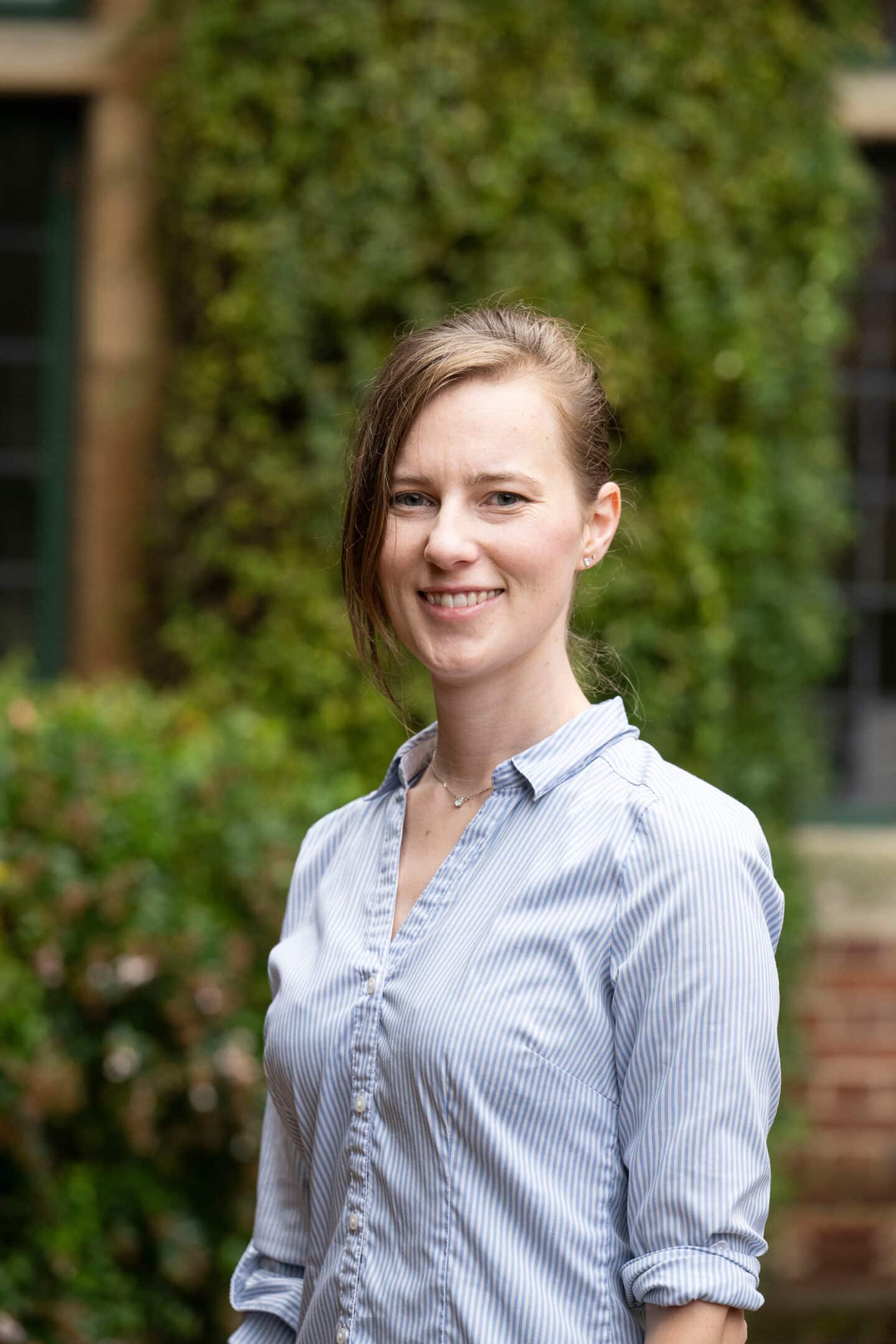
Gord Fishell, Ph.D., is a Professor of Neurobiology at Harvard Medical School. His research focuses on the developmental mechanisms underlying inhibitory interneuron diversity and their integration into neural circuits, with implications for autism spectrum disorder, schizophrenia, and intellectual disability. His laboratory has pioneered tools like enhancer-AAV viral vectors for targeting interneurons across species, enabling precise manipulation of cortical circuits. Research Themes: Interneuron Specification: Genetic programs governing interneuron subtype generation during embryonic development. Circuit Integration: Local cues guiding interneurons into cortical and subcortical circuits. Pathophysiological Links: Investigating how interneuron dysfunction contributes to neurological disorders. Technological Innovation: Developing viral tools for cell-type-specific manipulation in mammals and humans. Key Contributions: The lab's work on somatostatin (SST) and parvalbumin (PV) interneurons has revealed critical roles in circuit maturation and sensory processing. Their viral toolkit, developed with Paola Arlotta, enables targeted studies of diverse cortical cell types. Future Directions: Translating developmental insights into therapies for neurodevelopmental disorders, particularly through interneuron-based interventions.
Simona Lodato is an Associate Professor at Humanitas University and Group Leader of the Developmental Neurobiology Lab at Humanitas Research Center. Her research focuses on neurodevelopmental disorders, particularly the interplay between immune dysfunction and brain abnormalities in conditions like WHIM syndrome. She investigates the role of the CXCR4 gene in cerebellum development and immune system regulation using advanced techniques such as organoids, genomic analysis, and high-resolution imaging. Dr. Lodato earned her Ph.D. from the European School of Molecular Medicine (SEMM) and the University of Naples Federico II, followed by postdoctoral work at Harvard University under Prof. Paola Arlotta. She has pioneered studies on corticospinal motor neuron identity and the assembly of functional neural circuits. Her work bridges molecular mechanisms with translational medicine, aiming to develop therapies for genetic disorders. Key achievements include a multi-round grant from Fondazione Telethon to study WHIM syndrome and her role as an advisor to the Allen Brain Institute’s Next Generation Leader Council. Her research explores therapeutic strategies for spinal muscular atrophy, Charcot-Marie-Tooth disease, and ALS using organoid models and genetic interventions. Dr. Lodato’s lab employs multidisciplinary approaches, integrating stem cell biology, epigenetics, and neuroimaging to uncover how genetic mutations impact brain and immune system development. Ongoing projects aim to translate these findings into clinical treatments for rare diseases.
Demi Brizee is a Stipendiary Lecturer in Neuroscience at St Peter’s College, University of Oxford. She holds a Medical Degree from Erasmus University Medical Center, Rotterdam, combined with a Research Master’s in Neuroscience, and is nearing completion of her DPhil in Neuroscience at Oxford. Her teaching roles include undergraduate supervision at both Erasmus Medical Centre and the University of Oxford, complemented by AFHEA certification reinforcing her pedagogical expertise. Research interests focus on myelination of GABAergic interneurons and hippocampal inhibition dynamics, particularly in learning, memory, and spatial navigation. She aims to integrate cutting-edge neuroscience techniques into clinical applications. Her work spans molecular mechanisms of myelination to systems-level hippocampal function. Awards: Associate Fellow of the Higher Education Academy (AFHEA) Grants/Advising: No specific grants or student advisees listed, though she actively tutors neuroscience undergraduates. Labs/teams: Not explicitly detailed in the provided information. Affiliated with St Peter’s College’s neuroscience programs and University of Oxford research groups.
Professor David I Hughes is a Professor of Neuroanatomy at the School of Psychology and Neuroscience, University of Glasgow. His research focuses on spinal dorsal horn neurocircuitry, particularly mechanisms underlying pain perception and chronic pain states. Collaborations include Dr Brett Graham (University of Newcastle, Australia) and international partners such as Prof Robert Callister (Australia) and Prof Masahiko Watanabe (Japan). His work combines anatomical and electrophysiological approaches to identify cell populations influencing touch and pain sensation. Funding sources include BBSRC, NHMRC (Australia), and NC3Rs. Notable research areas include spinal interneuron function, synaptic connectivity, and developing treatments for neuropathic pain. Key findings involve calretinin and parvalbumin-expressing neurons' roles in tactile allodynia and mechanical hyperalgesia. Teaching roles include coordinating undergraduate anatomy programs and leading advanced courses on neuroanatomy and bioimaging. He supervises BSc, MSc, and PhD students, mentoring over 10 researchers annually. Professional activities include editorial roles at Frontiers in Neural Circuits and international conference presentations. Laboratory activities are centered at the Spinal Cord Group, with lab details at davehugheslab.org . Recent grants (2023–2025) explore spinal modulation of nociceptor input and osteoarthritis pain mechanisms.
Robert F. Hunt, PhD, is an Associate Professor in the Department of Anatomy & Neurobiology at the University of California, Irvine. He holds a PhD from the University of Kentucky (2010). His research focuses on neural circuit repair following traumatic brain injury (TBI), synaptic inhibition mechanisms, and interneuron transplantation therapies. Key areas include understanding how TBI disrupts inhibitory circuits in the brain and developing cell-based therapies to restore function. Education: PhD, University of Kentucky, 2010. Research Interests: TBI-induced circuit dysfunction, neural stem cell differentiation, synaptic plasticity, epilepsy mechanisms, and translational therapies for neurotrauma. His work integrates cellular transplantation, optogenetics, and advanced imaging to study brain connectivity and recovery. His recent studies demonstrate that medial ganglionic eminence (MGE) progenitor transplants restore inhibition in TBI-affected visual cortex and hippocampus. He also investigates how cationic peptides disrupt memory through synaptic mechanisms and explores glycosylation pathways in neural development.
Maarten Zwart is a Reader in Neuroscience at the School of Psychology and Neuroscience, University of St Andrews, United Kingdom. He leads an active research lab focused on understanding how the brain produces behavior, particularly through the study of motor control and locomotion in model organisms such as zebrafish, Drosophila, and Tribolium larvae. He is accepting postgraduate research students and has secured funding from major institutions including the BBSRC, The Royal Society of Edinburgh, and The Wellcome Trust. His research integrates imaging, electrophysiology, connectomics, and custom-built microscopy to explore neural circuits and sensorimotor integration. His lab emphasizes interdisciplinary collaboration, welcoming researchers from neuroscience, engineering, physics, and computer science backgrounds. His recent publications span topics such as metachronal wave coordination in Drosophila, deep learning tools for behavior analysis (PoseR), and neural mechanisms of self-localization. His work frequently appears in high-impact journals like Cell , eLife , and Nature Communications , reflecting a strong trajectory in systems and behavioral neuroscience. Research trends indicate a focus on circuit-level analysis of locomotion, neural plasticity, and the development of open-source tools for behavioral quantification. His work bridges molecular, cellular, and systems neuroscience with computational approaches. He mentors a diverse team of students and researchers, including PhD candidates and postdoctoral associates, and has contributed to collaborative projects involving connectomics and neural imaging. His lab is also involved in public engagement and open science through shared datasets and software tools. Grants and Projects: Motor control in the Drosophila larva (BBSRC, 2022–2026) Ultrafast imaging of neural control of movements (Royal Society of Edinburgh, 2021–2022) ISSF Equipment and Studentship grants (Wellcome Trust, 2019–2023) Co-investigator on BBSRC iCASE PhD studentship Notable Datasets and Tools: Creator of datasets on larval behavior in Tribolium and zebrafish Contributor to CATMAID, a collaborative annotation toolkit for connectomics Co-developer of PoseR, a deep learning toolbox for animal pose estimation
Λαμπρακάκης Χαράλαμπος is an Assistant Professor at the Department of Biology, University of Ioannina. His primary research focuses on the neurophysiology of the Central Nervous System, particularly the synaptic organization of the spinal dorsal horn and molecular mechanisms of nociception. He investigates GABAA receptor roles in neurological disorders and pain modulation pathways within the insular cortex and brainstem. Education: Background in neurobiology and pharmacology (inferred from research focus) Affiliations: Research Laboratory in Building E2, member of multiple neuroscience research groups Key research themes include: - Spinal cord pain signaling mechanisms - Neuropharmacology of GABAergic systems - Neuronal firing alterations in Alzheimer’s disease - Insular cortex connectivity in pain processing His work bridges electrophysiological techniques with animal models, contributing to understanding chronic pain pathophysiology and potential therapeutic targets. Over 15 peer-reviewed articles since 1995, with recent emphasis on GABAA receptor functional heterogeneity and neurokinin receptor signaling. Active in spinal cord circuitry analysis and translational neuroscience initiatives.
Maria Angeles Gomez Climent is a Professor at the Universitat de València, affiliated with the Faculty of Teacher Training and the Department of Experimental Sciences. Her research lies at the intersection of neuroscience and science education, particularly in the didactics of experimental sciences. She is a member of the 'didacies Research group in science education and science teacher training,' focusing on integrating neuroscientific insights into pedagogical practices. Her educational background includes a PhD from the Universitat de València in 2010, with a thesis on PSA-NCAM expression in the telencephalon of adult rodents, supervised by Dr. Juan Nacher Rosello. Her research interests span science education, neuroplasticity, cognitive neuroscience, and neuromodulation. She investigates how brain mechanisms such as synaptic plasticity, GABAergic/glutamatergic balance, and transcranial stimulation relate to learning and memory, with applications in inclusive and gender-sensitive education. Her recent work includes studies on neurodiversity and high sensitivity, bridging neuroscience with pedagogical innovation. The analysis of her recent publications reveals a strong focus on synaptic and structural plasticity, memory mechanisms, and the effects of neuromodulation (tDCS, tRNS) on brain function across development and aging. Her work combines molecular neuroscience with behavioral models, contributing to both basic science and educational applications. She has not been publicly recognized with scientific awards based on available information. Maria Angeles Gomez Climent supervises academic theses and contributes to research training, though specific advisees are not listed. There is no mention of external grants, but her consistent publication record suggests active research funding. She is actively involved in her research group, contributing to science teacher training and educational neuroscience. She is part of the 'didacies Research group in science education and science teacher training,' which likely involves collaborative projects, teacher training programs, and interdisciplinary research in science education.
Hedong Li is an Associate Professor at Augusta University's Medical College of Georgia , Department of Neuroscience and Regenerative Medicine. His research focuses on Spinal Cord Injury (SCI) repair , microRNA (miRNA) biology , and in vivo neuronal reprogramming . He combines miRNA mechanisms with cellular conversion technology to regenerate functional neurons from reactive glial cells for SCI treatment. Education: B.S., Biochemistry, Nankai University (1990) Ph.D., Molecular Neuroscience, Wayne State University (1999) Dr. Li's research explores miRNA-mediated neuronal reprogramming, glial development, and neural stem/progenitor cell mechanisms. His work has significant implications for CNS functional repair and miRNA-based therapeutics . Recent studies investigate NeuroD1 expression optimization and miRNA-375's role in neuronal survival. His 15 most recent publications (2014–2025) span neuroscience, molecular biology, and regenerative medicine, with sub-fields like gene expression control , viral vector applications , and neurodegenerative disease models . Current projects include NIH-funded R01 and R21 grants on miRNA-enhanced neuronal conversion for SCI repair. Scientific service includes roles as Frontiers in Neuroscience Associate Editor and reviewer for NIH/CMBG, NIH/CNNT, and DoD/CDMRP SCIRP. He leads the Departmental Seminar Series (2022–present) and previously chaired NeuroClub (2021–2022). Dr. Li's lab trains graduate and undergraduate students, including PhD candidates Kris Mayes and Natalie Mseis . Key grants include NIH R01 (PI) and NIH R21 (PI) projects.
Hillel Adesnik serves as Associate Professor in the Department of Molecular and Cell Biology at the University of California, Berkeley, with additional affiliation in Neuroscience. His research program centers on deciphering how cortical microcircuits transform sensory input into perceptions and behaviors, utilizing cutting-edge approaches in awake behaving mice to bridge cellular mechanisms with cognitive functions. Adesnik's research investigates the neural basis of perception through three integrated pillars: (1) dissecting horizontal and vertical connections in cortical layers for sensory feature extraction, (2) developing high-resolution optical tools like 3D-SHOT for single-neuron manipulation in intact brains, and (3) analyzing cross-cortical communication for percept synthesis. His lab combines two-photon imaging, optogenetics, electrophysiology, and computational modeling to study tactile processing in barrel cortex and visual perception, revealing how specific neuron types and synaptic mechanisms generate perceptual codes. Key discoveries include layer-specific inhibitory control, supra-linear feature summation, and gamma-band synchronization mechanisms. Analysis of Adesnik's publication record shows consistent focus on cortical microcircuit dynamics across sensory modalities, with increasing emphasis on tool development since 2017. His work demonstrates how precise neural manipulations can establish causal links between circuit activity and perception, particularly through innovations in holographic optogenetics. Recurring themes include the role of somatostatin interneurons in layer-specific processing, cross-laminar interactions in feature coding, and the development of quantitative frameworks for neural population decoding. Scientific recognition includes: Chan Zuckerberg Biohub Investigator (2022 cohort) Adesnik mentors a robust research team comprising postdoctoral fellows (Lamiae Abdeladim, Janine Beyer, Conor Dorian, Will Hendricks, Uday Jagadisan, Mora Ogando, Masato Sadahiro, Kevin Sit, Savitha Sridharan, Andrea Zazzi) and graduate students (Genesis Ferrer Imbert, Courtney Kim, Madi McCloud, Ravi Srinivasan). His lab operates through structured collaboration with engineering groups for optical tool development and maintains active partnerships for disease-model applications. Funding sources include the Chan Zuckerberg Biohub and NIH grants supporting neurotechnology innovation. The Adesnik Lab maintains three core research thrusts through an integrated experimental pipeline: in vivo circuit interrogation in behaving animals, in vitro synaptic analysis, and novel optical instrument development. Current work emphasizes translating high-resolution manipulation techniques to disease models including autism and epilepsy, while expanding into multi-area cortical dynamics during complex behavioral tasks.
Shekhar Singh is a Doctoral Researcher at the A.I. Virtanen Institute for Molecular Sciences , part of the Faculty of Health Sciences at the University of Eastern Finland . His work focuses on the molecular mechanisms of Progressive Myoclonic Epilepsy Type 1 (EPM1) , particularly the role of the Cystatin B (CSTB) gene and protein in neurodevelopment. He contributes to the Neuro-Innovation project (2021–2026), which investigates pathophysiological pathways of rare neurological disorders. Education: Not explicitly stated but implied through doctoral researcher status. Projects: Neuro-Innovation (2021–2026). His research explores CSTB's multifaceted roles in proteostasis , mitochondrial function , neuroinflammation , and GABAergic neuron regulation . He uses human cerebral organoids and mouse models to study how CSTB mutations cause neuronal dysfunction and neurodegeneration in EPM1. Key findings include CSTB's interaction with histones , cathepsins , and Kif1a to control cell cycle, oxidative stress, and interneuron migration. Recent publications highlight his expertise in molecular genetics and neurodevelopmental disorders . He collaborates with Riikka H. Hämäläinen on EPM1 studies, funded by the University of Eastern Finland and the European Union’s Horizon 2020 (Marie Skłodowska-Curie grant 101034307).
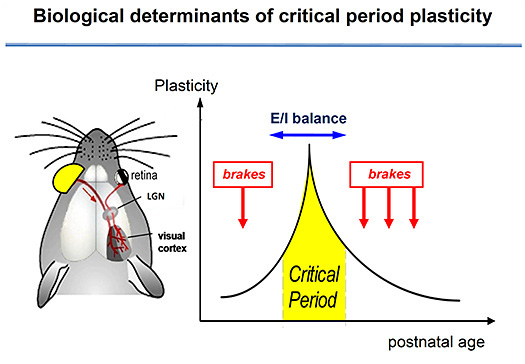
Takao Hensch is a distinguished Professor of Neurology at Harvard Medical School/Boston Children's Hospital and Professor of Molecular and Cellular Biology at Harvard University's Center for Brain Science. He serves as Director of the International Research Center for Neurointelligence (IRCN) at the University of Tokyo and leads the NIMH Silvio Conte Center for Mental Health Research at Harvard. His groundbreaking work focuses on critical periods in brain development—windows of heightened plasticity when neural circuits are most responsive to environmental input. Hensch's research has revealed how specific inhibitory (GABA) circuits trigger the onset of critical periods and how 'brake'-like factors actively prevent circuit rewiring when these periods close. His laboratory integrates molecular, cellular, and systems neuroscience to understand how early life experiences shape brain function from motor skills to language and emotions. This work has profound implications for understanding and treating neurodevelopmental disorders including autism spectrum disorders, epilepsy, and amblyopia. Analysis of Hensch's recent publications shows a consistent focus on critical period mechanisms across multiple brain systems. His work demonstrates how molecular interventions can reopen plasticity windows in adulthood, with particular emphasis on GABAergic circuits, perineuronal nets, and oxidative stress mechanisms. Recent studies examine anesthesia effects on infant brain development, sex-specific responses to early adversity, and novel pharmacological approaches for restoring neural plasticity. Order of the Rising Sun, Gold Rays with Neck Ribbon (2024) NIH Director's Pioneer Award (2007) Mortimer D. Sackler, M.D. Prize for Distinguished Achievement in Developmental Psychobiology (2016) Society for Neuroscience Young Investigator Award - Japan (Tsukahara Prize, 2001) Society for Neuroscience Young Investigator Award - US (2005) Hensch has trained numerous PhD students and postdoctoral fellows who have gone on to successful careers in neuroscience. His laboratory receives substantial funding from the National Institute of Mental Health and other sources to investigate the biological basis of critical periods and their clinical applications. Current research focuses on translating basic findings into therapeutic approaches for neurodevelopmental disorders through collaborations with clinicians at Boston Children's Hospital and computational modelers. The Hensch Lab, housed in Harvard's Northwest Building and the F.M. Kirby Neurobiology Center at Boston Children's Hospital, maintains active collaborations with researchers at the University of Tokyo, RIKEN Brain Science Institute, and other international institutions. The lab employs state-of-the-art techniques in mice to explore neural circuit development from sensory systems to prefrontal cortex, with particular emphasis on translating findings into real-world applications for pediatric care and mental health treatment.