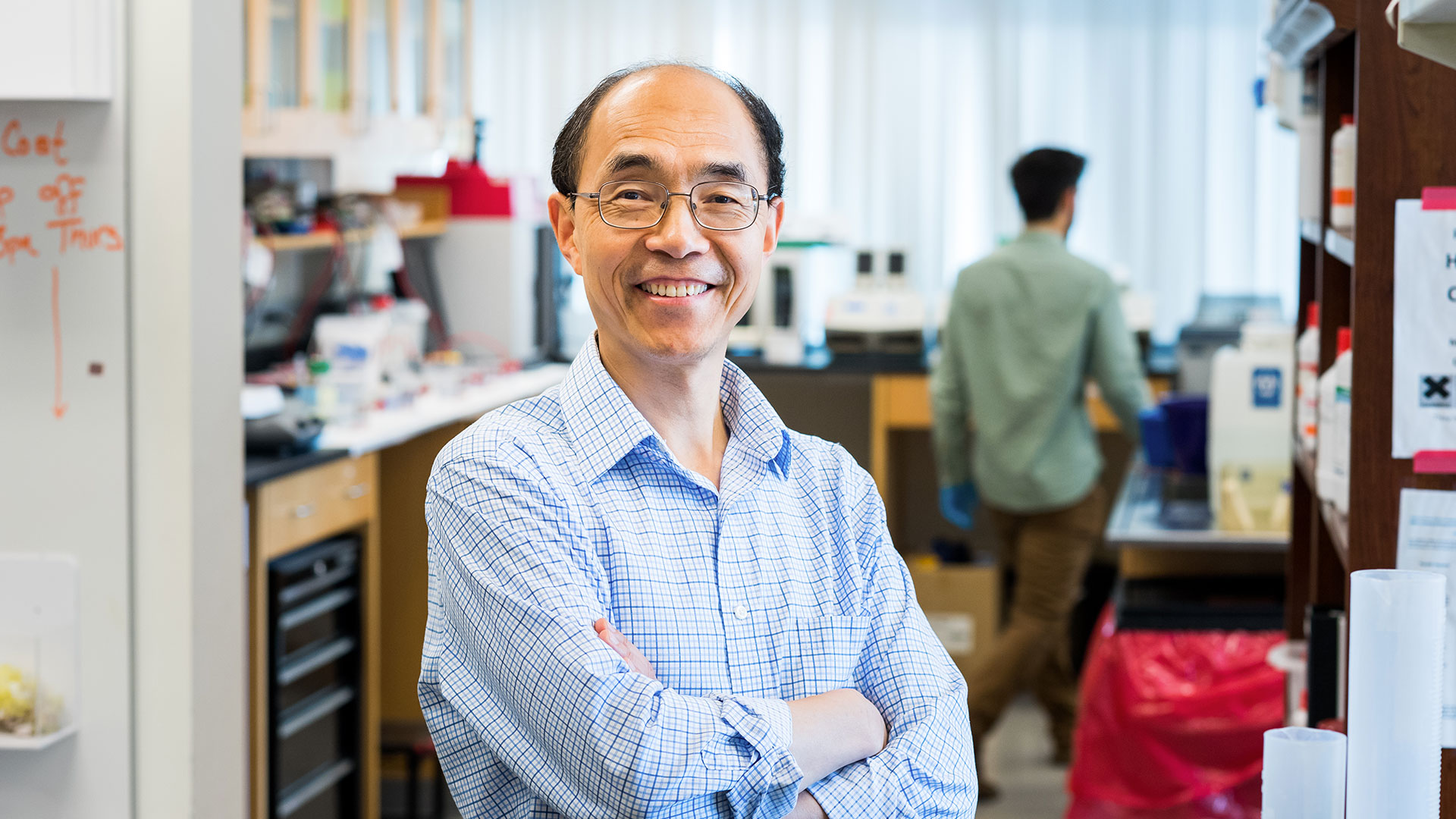
Josh Huang is a Professor of Neurobiology, Cell Biology, and Biomedical Engineering at Duke University School of Medicine , where he leads the Huang Lab. His research focuses on the development and function of cortical circuits underlying motor control and cognitive processing , integrating genetic engineering, single-cell genomics, and behavioral neuroscience to address neuropsychiatric disorders. Education : PhD in Neuroscience, Brandeis University (1995) Research Areas : Huang’s work spans three synergistic domains: (1) cell type genetic tools (e.g., CellREADR for RNA-programmable cell targeting), (2) molecular genetic programs defining neuronal specification, and (3) cell type basis of motor-cognitive circuits . His team employs multi-omics, optogenetics, and naturalistic behavior paradigms to decode cortical architecture. Publications highlight trends in RNA-based neurotechnology , glutamatergic/projection neuron subnetworks , and GABAergic interneuron mapping . Notable contributions include the BRAIN Initiative Cell Census Network (BICCN) and CellREADR innovations. Scientific Awards : Election to the American Academy of Arts & Sciences (2022) NIH Director’s Pioneer High-Risk High-Reward Award Grants from NIMH, NIH BRAIN Initiative, and collaborative programs support his multidisciplinary investigations . The lab trains PhD students and postdoctoral fellows in neuroscience and biomedical engineering.