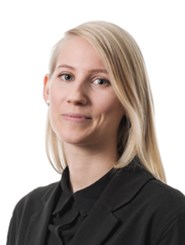
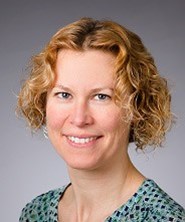
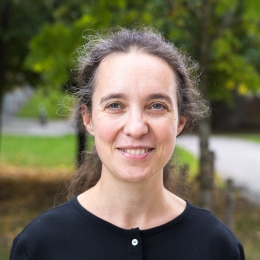
Johan Eklöf is a Professor at Stockholm University within the Department of Ecology, Environment and Plant Sciences . His research emphasizes marine ecology , focusing on interactions between marine biodiversity, environmental conditions (including climate), and societal impacts . He teaches courses such as Management of Aquatic Resources in the Tropics , Marine Ecology for the Biogeo Program , and Ecology II . Research Focus: Causal relationships between biodiversity and ecosystem resilience Foundation species as drivers of ecosystem services Optimizing resource management under climate change Projects: Principal Investigator for FORCE (2023-present), a transdisciplinary Baltic Sea recovery project Contributor to NordSalt (climate impacts on Nordic salt marshes) and PlantFish (Baltic Sea vegetation-fish interactions) Scientific Leadership : Supervises 2 current PhD students and co-supervises 6 additional PhD/postdocs Formerly mentored 4 PhD graduates and >40 MSc students Environmental Context: His work spans Baltic Sea and Western Indian Ocean ecosystems, using seagrass beds , mussel beds , and coastal benthic systems as primary models. Recent publications highlight climate change impacts on trophic cascades , habitat connectivity , and policy frameworks for marine conservation .
Agneta Andersson is a Professor at Umeå University's Department of Ecology and Environmental Science, and affiliated as Professor at the Umeå Marine Sciences Centre (UMF). She leads research projects in marine ecology and coordinates the strategic EcoChange program. Her work focuses on microbial ecology, eutrophication impacts, and climate change effects on marine ecosystems. She supervises PhD student Meifang Zhong and collaborates with postdoc Alef dos Santos and lab members Sonia Brugel, Kesava Ramasamy, Karolina Eriksson, and Li Zhao. Research Interests Her research explores microbial community dynamics, predator-prey interactions in aquatic systems, and the ecological consequences of terrestrial organic matter inflow. Key topics include mercury contamination in sediments, phytoplankton responses to environmental changes, and the role of dissolved organic matter (DOM) in coastal ecosystems. She investigates how climate-driven environmental shifts affect food web efficiency and toxin bioaccumulation patterns. Current Projects Scientific Coordinator for the strategic EcoChange program Leading a 2025–2026 project assessing eutrophication threats in the Bothnian Bay Developing DNA-based monitoring tools for marine phytoplankton Grants & Collaborations Her work is supported by grants funding studies on Baltic Sea microbial diversity and coastal DOM dynamics. She contributes to international initiatives like the CoastDOM database and collaborates with institutions globally to address climate change impacts on aquatic ecosystems. Labs & Teams Her research group focuses on microbial ecology and environmental monitoring. The lab emphasizes interdisciplinary approaches combining molecular techniques, field observations, and experimental mesocosm studies to address pressing environmental challenges.
Sebastian Diehl is a Professor at Umeå University's Department of Ecology, Environment and Geoscience. His research focuses on mathematical modeling of aquatic ecosystem dynamics, with particular emphasis on consumer-resource interactions and climate change impacts on northern lake ecosystems. Current affiliations: Umeå University (Department of Ecology, Environment and Geoscience) Previous affiliations: Ludwig-Maximilians-Universität München (Professor of Aquatic Ecology) Academic background: Biology undergrad from University of Göttingen, PhD in Animal Ecology from Umeå University (1994) Research interests center around aquatic ecosystem dynamics in response to environmental change, including: Climate change effects on lake ecosystems (temperature and terrestrial nutrient inputs) Mathematical modeling of consumer-resource interactions Benthic-pelagic coupling in nutrient and energy flows Phytoplankton-zooplankton dynamics under environmental stressors Trophic interactions in stream and lake systems Stoichiometric constraints on ecosystem function His recent publications (2025-2020) demonstrate an integrated approach combining mathematical modeling with experimental validation through field studies and lab experiments, focusing particularly on: Climate-induced regime shifts in lake ecosystems Stoichiometric mismatch in warming systems Functional response modeling Vertical niche partitioning in plankton Resource acquisition trade-offs Browning impacts on primary producers Administrative roles include: Final examiner for PhD education Chair of Umeå Marine Science Centre advisory council Steering group member of Integrated Science Lab (IceLab)
Monika Quinones Winder is a Professor of Marine Ecology at the Department of Ecology, Environment and Plant Sciences, Stockholm University. She leads the Winder Lab, which focuses on understanding the drivers of food web interactions and how they respond to environmental change in aquatic ecosystems. Dr. Winder received her PhD in Natural Sciences from ETH Zurich, Switzerland, followed by postdoctoral research at the University of Washington, Seattle, and the University of California, Davis. Her academic journey has positioned her as a leading researcher in marine ecology and plankton dynamics. Her research program explores aquatic food web interactions and their responses to environmental changes, with particular emphasis on planktonic organisms in both freshwater and marine systems. She investigates how species composition and biotic interactions regulate populations, trophic energy transfer, and ecosystem function. Dr. Winder employs a multifaceted approach, combining descriptive field studies, long-term ecological monitoring, experimental research, and advanced molecular techniques such as selective metabarcoding to understand the impacts of external pressures on species and ecosystem dynamics. Analysis of Dr. Winder's recent publications reveals a strong focus on climate change impacts on plankton communities, particularly in the Baltic Sea ecosystem. Her work examines phenological shifts in plankton blooms, the effects of warming and acidification on plankton recruitment from sediments, and the role of microbial communities in zooplankton gut function. She also maintains active research programs on fish larvae ecology in coastal East Africa and invasive species impacts in the Bolivian Amazon. Dr. Winder has received recognition for her contributions to marine ecology, though specific awards are not detailed in the available information. Her research has been supported by various funding sources that enable her comprehensive investigations of aquatic ecosystems across different geographical regions. As a dedicated mentor, Dr. Winder supervises students and postdoctoral researchers in her lab, fostering the next generation of marine ecologists. Her collaborative approach is evident in the extensive list of co-authored publications spanning multiple international research teams. The Winder Lab maintains an active research agenda with several ongoing projects including studies on plankton species interaction networks, protist parasites in plankton food webs, larval fish production in coastal East Africa, sustainable management of water and soil resources in Bolivia, and plankton-fish interactions in Baltic Sea food webs.
Jonas Waldenström is a Professor of Microbiology at Linnaeus University , focusing on disease ecology within the Department of Biology and Environment and the Faculty of Health and Life Sciences. Since 2022, he has served as Head of the Department of Biology and Environment. His work bridges avian-borne infectious diseases and their zoonotic potential, particularly influenza viruses, through field surveillance and laboratory characterization. Affiliations : Linnaeus Centre for Ecology and Evolution in Microbial Model Systems (EEMiS), Zoonotic Ecology and Epidemiology (ZEE) research group Leadership Roles : Chairman of Ottenby Bird Station, Editor for Ornis Svecica Research themes include influenza virus evolution , antimicrobial resistance dynamics , and tick-borne pathogen spread in migratory birds. His projects span Global LULC mapping , Baltic-Black Sea disease networks , and Motus radio-tracking collaborations . Publications reveal trends in microbial host-pathogen interactions , environmental drivers of microbiomes , and cross-species disease transmission . He supervises degree projects at all academic levels and contributes to One Health frameworks, emphasizing wildlife-livestock-human interfaces. Recent work explores AMR proximity patterns and influenza host attachment mechanisms . His team employs advanced virology, evolutionary modeling, and field ecology to predict disease emergence.
Nina Kirchner serves as Professor of Glaciology at Stockholm University's Department of Physical Geography . She directs the Tarfala Research Station and regularly lectures at the University Centre in Svalbard (UNIS) Department of Arctic Geology . Her research focuses on ice sheet dynamics , glacier calving mechanisms , and climate change impacts on Arctic systems . Key Affiliations : Stockholm University Baltic Sea Centre Bolin Centre for Climate Research Swedish Maritime Robotics Centre Her work combines field measurements (including 9+ months on Arctic research vessels and 5 months/year at Tarfala Station) with numerical modeling of glacier dynamics. Recent studies examine: Marine ice-margin processes in Greenland and Svalbard Thermal regimes in Arctic lakes using time-series data Glacial history reconstruction via sediment cores and cosmogenic dating Remote sensing technology (drones, USVs) for polar environments
Garry Peterson is a Professor at Stockholm Resilience Centre (collaboration between Stockholm University and the Beijer Institute of Ecological Economics). As principal researcher and director of the Finance to Revive Biodiversity Programme , he focuses on social-ecological systems, scenario planning, and adaptive management through quantitative/qualitative methods and participatory approaches. Education: PhD in Zoology (University of Florida, 1999), BSc in Systems Design Engineering (University of Waterloo) Research Themes: Human-nature connections, resilience dynamics, future-oriented governance His 2025 publications highlight coastal flood modeling in China, sustainable finance frameworks, and social-ecological scenario platforms. Scientific awards include Web of Science Highly Cited Researcher (Cross-Field, 2020) and Ecological Society of America Innovation Awards (2019/2008). He supervises PhD candidates including Bianca Voicu and Liam Carpenter-Urquhart , and co-founded key databases like Regime Shifts Database (2008) and Seeds of the Good Anthropocene (2014).
Karolina Eriksson is a Postdoctoral Fellow (currently on leave) at Umeå University's Department of Ecology, Environment and Geoscience and affiliated with the Umeå Marine Sciences Centre (UMF). Her research focuses on modeling cyanobacterial blooms and nutrient dynamics in the Northern Baltic Sea, emphasizing sustainable development and climate change preparedness. Her research interests span: Marine and microbial ecology of the Baltic Sea Climate change impacts on water quality (e.g., brownification) Pathogen dynamics linked to land use practices Eutrophication modeling and mitigation Public health implications of aquatic microbial shifts Recent publications (2022-2024) reveal a strong emphasis on land-sea connectivity, particularly how upstream forestry/agriculture influences downstream Legionella prevalence through humic substances and iron dynamics. Her work integrates multivariate statistics with ecological modeling to address cyanobacterial expansion into northern waters under changing nutrient regimes. Dr. Eriksson actively contributes to major research initiatives: "When will eutrophication problems hit the Bothnian Bay?" (2025-2026) "Large-scale regulation of food web processes" (2024-2027) "Nutrients and eutrophication in the Gulf of Bothnia" (2022-2024) "Aquatic environments at risk of pathogenic bacteria" (2018-2023) She collaborates within the EcoChange and Umeå Marine Ecology research groups, leveraging UMF's infrastructure to study climate-driven ecosystem changes while aligning with UN Sustainable Development Goals 6 (Clean Water), 13 (Climate Action), and 14 (Life Below Water).
Åsa Berglund is an Associate Professor in the Department of Ecology, Environment and Geoscience at Umeå University, where she serves as program director for the bachelor’s program in Environmental Science with sustainability profile. Her research and teaching focus on ecotoxicology, particularly the effects of metal contamination on ecosystems and wildlife. Research Qualifications: Docent Educational Qualifications: Recognised university teacher Her primary research lies in ecotoxicology, with a special focus on metal-contaminated environments and their effects on biota. She investigates the transport of metals from aquatic to terrestrial environments, mediated by aquatic insects, and the subsequent impacts on bird populations. Additionally, she studies the long-term effects of mining and the recovery of ecosystems in mining-impacted areas, employing a holistic approach that combines paleolimnological, ecological, and ecotoxicological tools. By analyzing lake sediment records, she monitors historic mining impacts and assesses environmental effects through benthic communities and long-term bird population records. Her recent publications (2015-2023) predominantly focus on the effects of metal contamination, particularly lead and zinc, on ecosystems. Key themes include the bioaccumulation of metals in birds and small mammals, the role of aquatic-terrestrial linkages in contaminant transfer, and the recovery of ecosystems after reduced industrial emissions. Her work often employs field studies, mesocosm experiments, and long-term monitoring, with a strong emphasis on northern Sweden’s mining-affected regions. As program director for the Environmental Science bachelor’s program, she oversees a transdisciplinary curriculum aimed at solving global environmental and sustainability challenges. Her research is supported by projects such as “Cross-ecosystem boundary effects of metal contamination” (2016-2021) and “Transport of contaminants across ecosystem boundaries” (2016-2021), indicating active grant funding for her work on metal contamination and ecosystem boundaries. She is an active member of multiple research groups at Umeå University, including Freshwater Ecology, Paleolimnology, and Terrestrial Ecology. These groups facilitate interdisciplinary collaboration on projects examining the impacts of contaminants across ecosystem boundaries and the recovery of ecosystems from historical mining activities.
Per Åberg serves as Project Coordinator and Vice Dean for first and second cycle education at the Faculty of Science, University of Gothenburg, Department of Marine Sciences. His work integrates academic leadership with active research in marine population ecology. Research focuses on population ecology with emphasis on demography, life-history evolution, and plant-animal interactions in rocky shore ecosystems. Åberg specializes in using Ascophyllum nodosum and seagrasses as model organisms, developing Integral Projection Models (IPMs) to analyze continuous phenotypic traits like size. His work examines chemical defense mechanisms in brown seaweeds and their trade-offs with growth, often in collaboration with colleagues at the Department of Marine Sciences. Recent publications reveal strong trends in climate change impacts on range-edge populations, disturbance ecology in intertidal zones, and trophic dynamics in seagrass ecosystems. Åberg teaches population ecology in undergraduate biology and marine science programs, including an internet-based Marine Biology course open to qualified students. His advising activities include supervising PhD students on topics related to marine population dynamics, though specific student names aren't listed in available materials. While no major scientific awards are documented in the provided text, his extensive publication record demonstrates significant contributions to marine ecology. His laboratory work centers on rocky shore ecosystems with particular focus on fucoid algae and seagrass meadows. Current projects involve modeling chemical defense scenarios in Ascophyllum populations and analyzing century-scale changes in intertidal communities across the North-East Atlantic.
Sofia Wikström is an Associate Professor at Stockholm University , affiliated with the Baltic Sea Centre . Her work focuses on marine ecology with specific emphasis on anthropogenic pressures (e.g., eutrophication, boating, physical disturbance), benthic habitat mapping and monitoring , biological invasions , and seaweed/seagrass ecology . Research Trends Wikström’s recent publications highlight: Carbon and nutrient reservoir dynamics in shallow coastal bays (2025) Greenhouse gas fluxes in coastal ecosystems (2025) Environmental gradient impacts on aquatic plant meadows (2025) Advancements in ecosystem-based management through projects like BalticCAT (2024) Strategies for establishing no-take zones to preserve fish stocks (2024) Projects Current initiatives include: Coastal exploitation and marine habitats – investigating human impacts on Baltic Sea ecosystems BalticCAT – developing cumulative effect assessment tools for the Baltic Sea Synthetic chemicals – analyzing chemical impacts on Baltic Sea biodiversity
Lena Wennersten is a researcher and educator at Linnaeus University, affiliated with the Faculty of Health and Life Sciences and the Department of Biology and Environmental Science. She has transitioned from evolutionary ecology research to biology education, focusing on ecological concepts in primary school and teacher training. Her research groups include the Center for Science and Technology Education and the Linnaeus University Centre for Ecology and Evolution in Microbial model Systems (EEMiS) . She investigates how students and future teachers interpret ecological relationships, particularly the distinction between nutrient cycling and energy flow. Her refereed publications span evolutionary ecology, biodiversity, and pedagogy, with recent work emphasizing critical aspects of ecology teaching. She contributes to educational literature through book chapters and popular science articles but has not been explicitly recognized with scientific awards in the provided texts.
Richard Svanbäck is an Associate Professor and Senior Lecturer at Uppsala University's Department of Ecology and Genetics, where he also serves as Head of the Department of Basic Biology. Based at the Evolutionary Biology Center (EBC) in Uppsala, Sweden, Dr. Svanbäck's research bridges ecological and evolutionary processes in freshwater ecosystems with particular expertise in fish communities and their responses to environmental change. His primary research interests include: Trophic polymorphism and individual specialization in aquatic organisms Phenotypic plasticity and its role in adaptive divergence Host-microbiome interactions in freshwater fish Effects of anthropogenic stressors (particularly microplastics) on aquatic ecosystems Niche variation and resource partitioning across trophic levels Dr. Svanbäck's recent publications reveal a significant shift toward understanding human impacts on freshwater ecosystems, with increasing focus on microplastic pollution, water browning, and their combined effects on host-microbiome dynamics. His work demonstrates how individual-level ecological processes scale to population and community-level patterns, with particular attention to how environmental stressors alter trophic interactions and ecosystem functioning. The interdisciplinary nature of his research integrates traditional ecological approaches with modern molecular techniques to address pressing environmental challenges. His laboratory group maintains an active research program with extensive collaborations across multiple institutions. Dr. Svanbäck has published in numerous high-impact journals including Nature Communications, Proceedings of the National Academy of Sciences, American Naturalist, and Ecology Letters, with several publications receiving substantial attention in both academic and policy circles. His work on individual specialization has been particularly influential, fundamentally shaping how ecologists understand intraspecific variation and its ecological consequences.
Annika Hanberg is a Professor of Toxicology at the Institute of Environmental Medicine at Karolinska Institutet, Sweden. She serves as Programme Director for the Global Master's Programme in Toxicology since 2006 and has been a leading figure in health risk assessment for national agencies, EU bodies, and the WHO since the 1980s. Her work focuses on methodological advancements in risk assessment, including systematic reviews, mixture toxicity, endocrine disruptors, and dose-response evaluation. She co-leads the Health Risk Assessment Methodology Group under Anna Beronius and is a key member of the Horizon Europe-funded PARC (Partnership for Risk Assessment of Chemicals) initiative. Research & Expertise: Her expertise spans experimental toxicology, risk assessment method development, and regulatory support. She has pioneered frameworks for evaluating non-monotonic dose responses and chemical mixtures. She organizes international training courses in risk assessment methodologies and has contributed to EFSA guidelines on uncertainty analysis and weight-of-evidence approaches. Grants & Collaborations: Active in major projects such as PARC (2022–2029) and SciRAP (Swedish Research Council), focusing on improving risk assessment tools and transparency. She has secured funding for studies on gender-specific chemical risks and the implementation of alternative toxicology methods. Professional Roles: Dr. Hanberg is an European Registered Toxicologist , Orcid-linked researcher, and LinkedIn-profiling academic. She advises on regulatory science and participates in global initiatives to strengthen chemical risk analysis capacities, particularly in Nordic regions.
Klaus Birkhofer is an Associate Professor in the Department of Biodiversity and Evolution at Lund University. His research focuses on biodiversity-ecosystem functioning, conservation ecology, predator-prey interactions, soil biology, and landscape ecology. He investigates how anthropogenic interventions like land-use and climate change impact biodiversity and ecosystem services, emphasizing trade-offs and synergies between services. Research Interests Relationships between biodiversity changes and ecosystem functions Impact of crop/grassland management on community composition Food-web dynamics and biological control in agroecosystems Soil-plant interactions and multifunctionality in agricultural systems Landscapes' effects on spatial distribution and biodiversity Recent Research Trends His work emphasizes ecosystem services in agroecosystems, including studies on spiders' roles, organic farming impacts, and drought effects on soil biota. Key themes include sustainable land-use practices, climate resilience, and biodiversity conservation. Grants & Projects SOILCLIM: Managing soil biodiversity under climate change Ground cover management in South African orchards Landscape-mediated bird community changes Advising & Teams He supervises students like K. Kozjek and D. Kundel, and collaborates on projects addressing soil microbiology, agroecology, and conservation practices.

 (21).png)