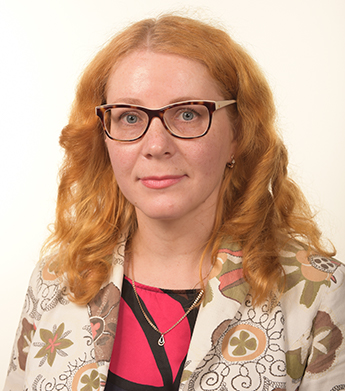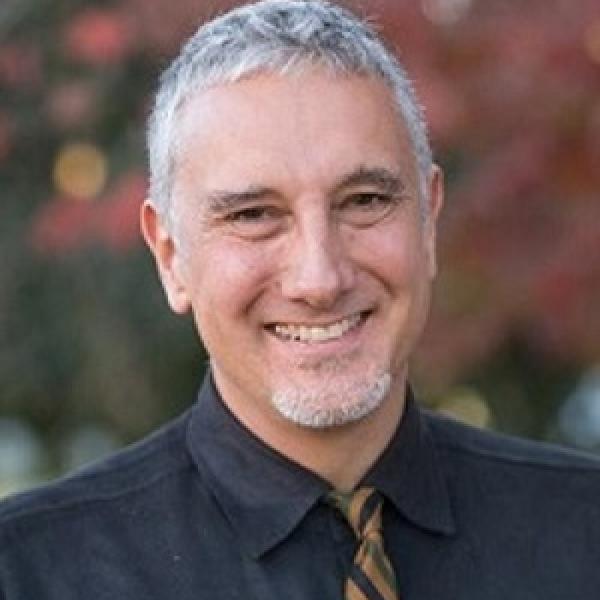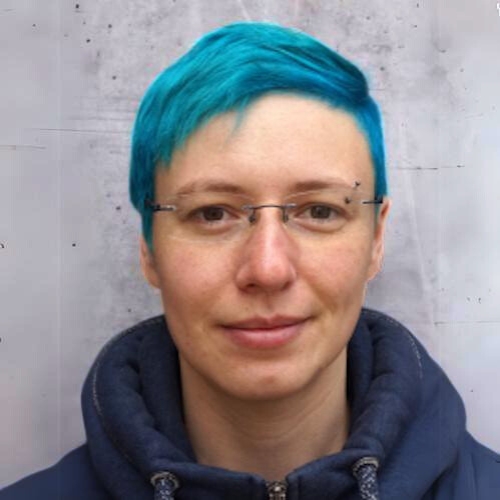
Jana Lasser is Professor for Data Analysis at the University of Graz and leads the Complex Social & Computational Systems research group at the interdisciplinary IDea_Lab. She is also Associate Faculty at the Complexity Science Hub Vienna (CSH), reflecting her deep engagement with complex systems research across institutions. Her educational background includes a PhD in Physics from Georg-August-University of Göttingen, based on research at the Max Planck Institute for Dynamics and Self-Organization. She held postdoctoral and visiting positions at the Medical University of Vienna, Graz University of Technology (as a Marie Curie Fellow), and RWTH Aachen (as interim professor) before joining the University of Graz in 2024. Her research centers on emergent phenomena in complex social systems, using machine learning, data science, NLP, and computational modeling. Key interests include misinformation, counterspeech, social media algorithms, mental health in academia, and pattern formation in geophysical systems. She is a leading voice in open science, data literacy, and reforming academic culture. Her recent publications (2023–2025) reveal a strong interdisciplinary trend, bridging computational social science, public health, political communication, and geophysics. Many papers focus on misinformation, political discourse, and algorithmic governance, often using large-scale social media data. Others explore mental health, academic labor, and foundational geophysical processes, demonstrating her wide-ranging analytical expertise. ERC Starting Grant 101160928 (DeSiRe) FWF standalone project P 37280-N netidee SCIENCE prize Open Knowledge Fellow of the Wikimedia Foundation (2019/2020) Marie Curie Fellow Jana Lasser actively mentors and advises through her leadership of major research projects and initiatives. She leads the Survey Special Interest Group in the COST Action on Researcher Mental Health and co-founded the Network Against Abuse of Power in Science. Her research has been supported by prestigious grants including an ERC Starting Grant and FWF funding. She has developed and taught numerous open-access courses in computational social science, Python, and data literacy, emphasizing reproducibility and educational outreach. She leads the Complex Social & Computational Systems research group at IDea_Lab and is a key figure in the Complexity Science Hub Vienna. Her work on the Schwurbelarchiv and agent-based models for healthcare resilience demonstrates her leadership in building and utilizing large-scale data infrastructures for societal benefit.